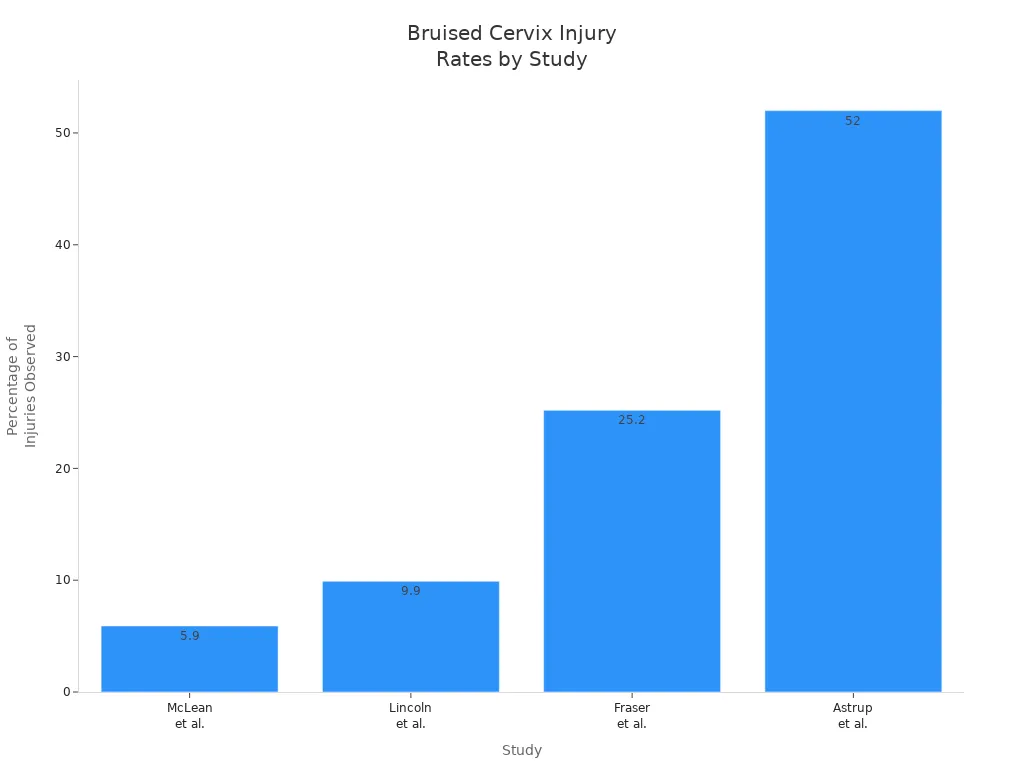
You might feel worried if you experience pain or discomfort after intimacy, but a bruised cervix simply means you have minor trauma to the lower part of your uterus. This condition can cause tenderness or spotting, yet most cases resolve quickly without medical care. Studies show the prevalence of a bruised cervix can vary widely:
You should stay alert if pain worsens or bleeding becomes heavy, as these signs may require prompt evaluation for ruise Cervix complications.
Key Takeaways
- A bruised cervix is minor trauma to the cervix, often causing tenderness or light spotting after intimacy.
- Most cases of a bruised cervix resolve quickly, usually within a few days, without needing medical treatment.
- Watch for warning signs like heavy bleeding or severe pain, which may indicate a more serious issue requiring medical attention.
- Communicate openly with your partner about comfort levels during intimacy to prevent cervical injuries.
- Use lubrication during sexual activity to reduce friction and minimize the risk of irritation or injury.
- Avoid deep penetration or rough sexual positions if you experience discomfort to protect your cervical health.
- Regular gynecological exams, like Pap smears, help monitor cervical health and detect any issues early.
- If symptoms persist beyond a week or worsen, consult a healthcare provider for further evaluation.
Bruised Cervix Basics
What Is the Cervix?
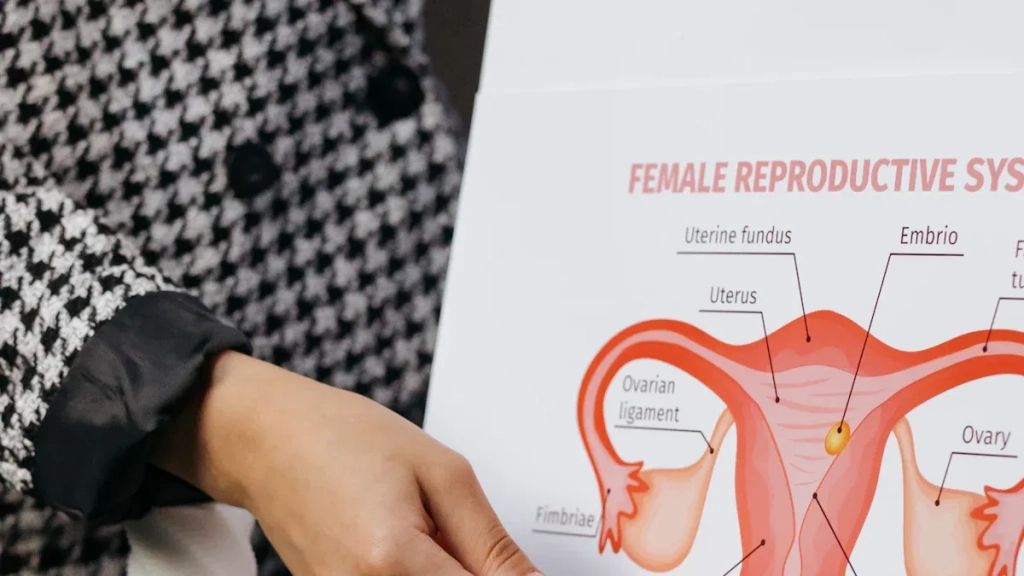
You may not think about your cervix often, but it plays a vital role in your reproductive health. The cervix is a muscular organ that connects your uterus to your vagina. It measures about 1-2 inches in length and has a small opening that allows fluids to pass between the uterus and vagina. During childbirth, the cervix opens to let the baby exit the uterus. The cervix also produces a mucus plug during pregnancy to protect the fetus. Because it sits at the top of the vaginal canal and contains many blood vessels, the cervix is sensitive to pressure and trauma.
Tip: Regular Pap smears help monitor cervical health and detect early signs of cell changes.
What Is a Bruised Cervix?
A bruised cervix refers to tenderness or sensitivity in the cervix, usually after it experiences direct pressure or trauma. Despite the name, it is not a true bruise like you might see on your skin. Instead, you may feel soreness, discomfort, or mild pain, especially after sexual activity. The cervix’s rich blood supply and its position make it more vulnerable to injury from deep or vigorous penetration. For example, if you or your partner engage in sexual positions that allow for deep thrusting, you might notice this discomfort afterward.
Case Example:
Imagine you recently tried a new sexual position that allowed for deeper penetration. The next day, you notice a dull ache low in your pelvis and a bit of spotting. You feel worried, but the discomfort fades after a day or two. This scenario is typical for a bruised cervix and rarely signals a serious problem.
How Common Is It?
A bruised cervix is more common than you might think, especially among sexually active individuals. The risk increases if you have a lower cervix or if you try positions that allow for deeper penetration. Medical procedures, such as cervical exams or IUD insertions, can also cause temporary tenderness. Most cases resolve quickly and do not require medical treatment.
Here is a table summarizing the most common causes:
| Cause | Description |
|---|---|
| Sexual activity | Deep or vigorous penetration, certain positions |
| Medical procedures | Pap smears, IUD insertion or removal |
| Childbirth complications | Rapid labor, use of forceps |
| Physical trauma | Accidents or direct pelvic impact |
You can find more information about cervical health from Mayo Clinic or the CDC.
Note: Most cases of a bruised cervix are mild and resolve within a few days. If you experience severe pain or heavy bleeding, consult a healthcare provider.
Causes of a Bruised Cervix
You may wonder what leads to a bruised cervix. Vigorous sexual activity stands out as the most common cause, but other factors can also play a role. Understanding these causes helps you recognize risks and take steps to protect your cervical health.
Sexual Activity
Rough or Deep Penetration
Many people report discomfort or pain after deep or rough sexual penetration. You might feel a dull ache or notice spotting after trying new positions that allow for deeper thrusting. However, gynecological research shows that the cervix does not bruise in the same way as skin. The structure and blood flow of the cervix prevent the formation of a true bruise, or hematoma. Instead, you may experience tenderness or sensitivity. For example, if you engage in vigorous intercourse and feel pelvic pain the next day, you likely have cervical irritation rather than a classic bruise.
Tip: Communicate with your partner about comfort levels and try positions that limit deep penetration if you notice recurring discomfort.
Sex Toys or Objects
Using sex toys or objects that reach the cervix can also cause irritation. If you use a toy with a long shaft or apply excessive force, you may feel soreness or notice light bleeding afterward. Always use lubrication and choose toys designed for safe vaginal use. If you experience pain, stop and give your body time to recover.
Medical Procedures
Certain medical procedures can lead to temporary cervical tenderness. These procedures may involve direct contact with the cervix, which can result in mild trauma.
Pap Smears
A Pap smear involves collecting cells from your cervix to screen for abnormalities. The procedure uses a small brush or spatula, which may cause brief discomfort or spotting. Most people recover quickly, but you might feel sensitive for a day or two.
IUD Insertion or Removal
Insertion or removal of an intrauterine device (IUD) often causes more noticeable cervical irritation. You may feel cramping, soreness, or light bleeding after the procedure. Other procedures, such as cervical biopsies and colposcopies, can also result in similar symptoms.
- Common medical procedures associated with cervical irritation:
- Insertion of an intrauterine device (IUD)
- Cervical biopsies
- Colposcopies
- Childbirth
Physical Trauma
Physical trauma to the pelvic area can affect your cervix. This trauma may occur during an accident, fall, or even childbirth. Sexually transmitted infections, such as chlamydia or gonorrhea, can also irritate the cervix and make it more sensitive to injury. If you experience pelvic pain after a physical incident, monitor your symptoms and consult a healthcare provider if they worsen.
| Cause | Example Scenario |
|---|---|
| Rough or deep penetration | Discomfort after trying a new sexual position |
| Sex toys or objects | Soreness after using a long or rigid toy |
| Pap smear | Mild spotting after a cervical screening |
| IUD insertion/removal | Cramping and bleeding post-procedure |
| Physical trauma | Pelvic pain after a fall or accident |
| STDs | Cervical irritation from untreated infection |
For more information on cervical health, visit CDC Cervical Cancer Basics or follow updates from American College of Obstetricians and Gynecologists on Twitter.
Bruised Cervix Symptoms
Pain and Discomfort
You may notice pain or discomfort as the most immediate sign of a bruised cervix. This pain often feels dull or achy and sits low in your pelvis or deep within your vagina. Some people describe it as a sense of pressure or soreness, especially after sexual activity or a medical procedure. The discomfort can range from mild to moderate, but it rarely becomes severe.
Case Example:
After a night of trying a new sexual position, you wake up with a persistent ache in your lower abdomen. The pain feels different from menstrual cramps—more like a deep soreness that makes sitting or walking uncomfortable. By the next day, the pain starts to fade, and you feel relief.
You might also feel tenderness during certain movements, such as bending over or during urination. If you experience sharp or worsening pain, you should consider reaching out to a healthcare provider.
Spotting or Bleeding
Spotting or light bleeding is another common symptom. You may see a small amount of blood on your underwear or when you wipe after using the bathroom. This bleeding usually appears as light pink or brown discharge and does not last long. Heavier bleeding is less common and may signal a more serious issue.
- Pelvic pain or discomfort
- Bleeding (light spotting or heavier)
- Odd-looking discharge (varying in consistency, amount, or color)
Case Example:
You notice a few drops of blood on your underwear the day after a Pap smear. The spotting stops within 24 hours, and you do not feel any other symptoms. This pattern is typical and usually not a cause for concern.
If you see heavier bleeding, large clots, or bleeding that lasts more than a few days, you should seek medical advice. These signs may point to a different problem, such as an infection or injury.
Cramps and Other Signs
Cramps can occur with a bruised cervix, often resembling mild menstrual cramps. You may feel a low, throbbing sensation in your lower abdomen or pelvis. Some people also report unusual vaginal discharge, which can change in color, consistency, or amount. This discharge may appear pink, brown, or even slightly yellow.
Other possible symptoms include:
- A feeling of fullness or pressure in the pelvic area
- Mild backache
- Sensitivity during intercourse
Most symptoms remain mild and resolve quickly. According to clinical studies, symptoms usually disappear within a week. If your symptoms last longer, you should consult a healthcare professional.
| Duration of Symptoms | Recommendation |
|---|---|
| Typically within a week | Seek medical attention if symptoms persist beyond this timeframe |
Tip:
Keep track of your symptoms and their duration. If you notice any unusual changes or if symptoms worsen, reach out to a healthcare provider for guidance.
For more information on cervical health and symptom management, you can visit CDC Cervical Cancer Basics or follow updates from American College of Obstetricians and Gynecologists on Twitter.
How Long Symptoms Last
Most people notice that symptoms from a bruised cervix improve quickly. You may feel discomfort or spotting for a few days, but these signs usually fade within a week. The exact length of time depends on several factors, including the severity of the injury and your individual healing process.
You might wonder why some people recover faster than others. Healing time can vary based on how much trauma the cervix experienced, your overall health, and how quickly your body repairs tissue. Mild cases often resolve in just a few days. If the injury is more severe, you could notice symptoms that last a bit longer.
Here is a summary of what influences how long symptoms last:
| Factor | Impact on Healing Time |
|---|---|
| Severity of injury | Mild cases heal in a few days; severe cases may take longer |
| Individual variation | Some people recover faster due to natural healing ability |
| Type of trauma | Deeper or repeated trauma can extend recovery |
Most people find that pain and spotting decrease each day. You should see steady improvement. If symptoms linger beyond a week or become worse, you need to contact a healthcare provider. Persistent pain or heavy bleeding may signal a different problem that requires medical attention.
Tip:
Rest and avoid activities that could irritate your cervix while you heal. Listen to your body and give yourself time to recover.
You can expect a bruised cervix to heal without long-term effects. Tracking your symptoms helps you notice any changes that might need further evaluation.
Is It Serious?
When It’s Mild
Most cases of a bruised cervix remain mild and resolve quickly. You may notice only slight discomfort or minor spotting. These symptoms usually fade within a few days, and you can return to your normal activities without concern. Here are some typical features of mild cases:
- Slight discomfort or tenderness in the lower pelvis
- Minor spotting that stops within a day or two
- No significant impact on daily life
Case Example:
You try a new sexual position and feel a dull ache the next morning. You notice a small amount of pink discharge, but it disappears by the following day. You do not experience any other symptoms, and the discomfort fades without treatment.
Tip:
Rest and avoid activities that cause discomfort. Most mild cases heal on their own.
Warning Signs
While most symptoms remain mild, you should watch for warning signs that suggest a more serious issue. These signs may indicate complications or another underlying condition. Seek medical attention if you notice:
- Persistent pain or discomfort that worsens over time
- Heavy bleeding or bleeding that lasts more than a few days
- Signs of infection, such as fever, foul-smelling discharge, unusual itching or burning, or pelvic pain
Case Example:
After a routine cervical exam, you experience cramping and spotting. Three days later, the pain intensifies, and you develop a fever. The discharge becomes yellow and has a strong odor. These symptoms suggest a possible infection, and you should contact a healthcare provider immediately.
| Symptom | Mild Case | Warning Sign |
|---|---|---|
| Pain | Slight, improves | Severe, persistent |
| Bleeding | Light, brief | Heavy, prolonged |
| Discharge | Minimal, normal | Foul-smelling, unusual |
| Fever | Absent | Present |
Note:
If you experience any of these warning signs, consult a healthcare professional. You can find more information from the CDC’s cervical health page.
Possible Complications
A bruised cervix rarely leads to long-term complications. Most people recover fully within a few days, and the condition does not cause lasting harm. In rare cases, untreated infections or severe trauma may lead to further issues, but these outcomes remain uncommon.
You should know that aside from temporary discomfort, there are no significant long-term problems associated with this condition. If you follow your body’s signals and seek help when symptoms persist or worsen, you can avoid complications.
Case Example:
You experience persistent pain and heavy bleeding after an accident. You visit your healthcare provider, who diagnoses a cervical injury and prescribes treatment. With prompt care, your symptoms resolve, and you do not experience any lasting effects.
Reminder:
Most people with a bruised cervix recover quickly and completely. Monitoring your symptoms and seeking timely care ensures the best outcome.
When to See a Doctor
Red Flags
You should know when mild discomfort crosses the line into something more serious. While most cases of a bruised cervix resolve on their own, certain symptoms require prompt medical attention. Watch for the following red flags:
- Heavy bleeding that soaks through a sanitary pad or tampon every hour
- Passing blood clots that are quarter-sized or larger
- Severe or intense pain that does not improve with over-the-counter medications
- Pain that lasts more than a week or keeps returning
- Fever or chills
- Foul-smelling or unusual vaginal discharge
Alert:
If you experience any of these symptoms, contact your healthcare provider as soon as possible. These signs may indicate infection, significant injury, or another underlying condition.
What to Expect at the Visit
When you visit your healthcare provider for symptoms related to a bruised cervix, you can expect a thorough evaluation. Your provider will ask about your symptoms, recent activities, and medical history. They may perform a pelvic exam to check for tenderness, bleeding, or signs of infection. Sometimes, your provider will recommend additional tests, such as a swab for infection or an ultrasound, to rule out other causes.
You should feel comfortable sharing all relevant details, including recent sexual activity, use of sex toys, or any recent medical procedures. Your provider’s goal is to identify the cause of your symptoms and recommend the best treatment plan. Most visits are straightforward and focus on symptom relief and prevention of complications.
Tip:
Bring a list of your symptoms, their duration, and any questions you have. This helps your provider give you the most accurate care.
Questions to Ask
You can make the most of your appointment by preparing a few questions in advance. Consider asking:
- What is causing my symptoms?
- Do I need any tests or follow-up visits?
- How can I manage my pain or discomfort at home?
- Are there activities I should avoid while I heal?
- What signs should prompt me to return for further care?
- How can I prevent a bruised cervix in the future?
Asking these questions ensures you understand your diagnosis and recovery plan. Open communication with your provider supports your health and peace of mind.
Treatment and Recovery
Home Care Tips
You can manage most cases of cervical tenderness at home with supportive strategies. Creating a comfortable environment helps your body heal. Stay hydrated and engage in gentle movement, such as light walking, to promote circulation. Many people find that sitting on a soft pillow or cushion eases pelvic pressure. Wearing loose clothing reduces discomfort around your abdomen.
- Use a heating pad on your lower back or abdomen to soothe cramps.
- Choose menstrual products that feel comfortable and avoid those that cause irritation.
- Communicate with your partner about comfort levels and use lubrication during intimacy.
- Select sexual positions that minimize deep penetration, especially during sensitive times in your menstrual cycle.
- Monitor your symptoms and rest as needed.
Tip:
Regular check-ups and awareness of your anatomy can help prevent future injuries. If you notice ongoing pain, seek guidance from a healthcare provider.
Case Example:
After experiencing mild pelvic soreness and spotting following deep penetration, you decide to rest, use a heating pad, and avoid sexual activity for a few days. The discomfort fades within a week, and you return to normal activities without further issues.
Medical Treatment
If your symptoms become severe or do not improve, you may need medical intervention. Your provider can recommend pain relief options such as ibuprofen or naproxen to reduce discomfort. Applying a heating pad remains helpful for cramps. Massaging your abdomen or back can also provide relief. Sitting on a cushion and wearing loose clothing can minimize pressure on sensitive areas.
- Over-the-counter pain relievers help manage pain.
- Your provider may check for infection or other complications if symptoms persist.
- In rare cases, further evaluation with imaging or laboratory tests may be necessary.
Case Example:
You experience persistent pain and heavier bleeding after a medical procedure. Your provider prescribes anti-inflammatory medication and recommends rest. After following these instructions, your symptoms resolve within several days.
Note:
Always consult a healthcare professional if you notice warning signs such as fever, foul-smelling discharge, or heavy bleeding. For more information, visit CDC Cervical Health or follow updates from American College of Obstetricians and Gynecologists on Twitter.
Healing Time
Most people recover from a bruised cervix within a few days to a week. The timeline depends on the severity of the injury and your overall health. You should see gradual improvement each day. If symptoms last longer than a week or worsen, seek medical advice.
| Recovery Time | Percentage of Cases | Typical Outcome |
|---|---|---|
| 1-3 days | 60% | Full recovery, no complications |
| 4-7 days | 35% | Mild symptoms, gradual improvement |
| More than 7 days | 5% | Further evaluation recommended |
Reminder:
Track your symptoms and healing progress. Early intervention ensures the best outcome.
You can expect a smooth recovery with proper care and attention to your body’s signals.
Prevention Tips
Safe Sex Practices
You can take several steps to reduce your risk of cervical bruising during sexual activity. Focusing on preparation and technique helps protect your cervical health and enhances your comfort.
- Spend extra time on foreplay to build arousal. Increased natural lubrication lowers the chance of irritation and injury.
- Use additional water-based or silicone-based lubricants. Lubrication reduces friction and makes penetration smoother.
- Choose sexual positions that let you control the depth and angle of penetration. Positions like cowgirl or reverse cowgirl give you more control and help prevent the cervix from being bumped too forcefully.
- Reserve deeper or rougher penetration for times in your cycle when your cervix sits higher in the vaginal canal. This reduces the likelihood of direct contact and discomfort.
Tip:
Listen to your body. If you feel pain or discomfort, pause and adjust your activity. Prioritizing comfort helps prevent injury.
Communication with Partners
Open communication with your partner plays a key role in preventing cervical injuries. When you talk honestly about your comfort and any pain you experience, you both can make informed choices about sexual positions and intensity. You might find that discussing your preferences leads to a more enjoyable and safer experience for both of you.
If you have a history of neck or pelvic pain, share this information with your partner. Together, you can select positions that minimize strain and avoid movements that cause discomfort. You may also benefit from gentle warm-up activities or stretching before intimacy, which can help your body relax and reduce the risk of injury.
Note:
Healthy communication builds trust and ensures that both partners feel safe and respected during intimacy.
Medical Procedure Precautions
You can also lower your risk of cervical bruising during medical procedures by taking a few simple precautions. Before any gynecological exam or procedure, let your healthcare provider know about your concerns and any past experiences with discomfort.
- Choose controlled sexual positions, such as cowgirl, to manage penetration depth if you are sexually active before or after a procedure.
- Use adequate lubrication during intercourse, especially after medical exams or procedures, to minimize friction.
- Maintain open communication with your healthcare provider, especially if you are pregnant or have a sensitive cervix. Ask about ways to make procedures more comfortable.
- Schedule regular gynecological exams. Early detection of cervical issues allows for prompt treatment and reduces the risk of complications.
| Precaution | Benefit |
|---|---|
| Communicate with providers | Ensures safer, more comfortable care |
| Use lubrication | Reduces irritation and friction |
| Control penetration depth | Minimizes risk of direct cervical trauma |
| Regular exams | Promotes early detection and prevention |
Reminder:
Your comfort and safety matter. Never hesitate to speak up about your needs with both partners and healthcare professionals.
A bruised cervix usually causes mild discomfort and resolves quickly. You can expect symptoms like tenderness or spotting to fade within days. Watch for warning signs such as heavy bleeding, severe pain, or fever. Seek medical help if these occur. Most cases heal with rest and simple care. By practicing safe sex and communicating with your partner, you protect your cervical health. Remember, your body recovers well, and prevention remains possible with awareness and self-care.
FAQ
What does a bruised cervix feel like?
You may feel a dull ache, tenderness, or mild pain deep in your pelvis. Some people notice spotting or light bleeding. The discomfort often appears after sexual activity or a medical procedure.
How long does it take for a bruised cervix to heal?
Most people recover within a few days to a week. You should see gradual improvement each day. If symptoms last longer than a week or worsen, contact your healthcare provider.
Can a bruised cervix cause heavy bleeding?
A bruised cervix usually causes only light spotting. Heavy bleeding is uncommon and may signal a more serious problem. If you soak a pad every hour or pass large clots, seek medical attention immediately.
Is it safe to have sex with a bruised cervix?
You should avoid sexual activity until symptoms resolve. Engaging in sex too soon may delay healing or worsen discomfort. Communicate with your partner and resume intimacy when you feel ready.
What can I do at home to relieve symptoms?
Rest, use a heating pad on your lower abdomen, and wear loose clothing. Over-the-counter pain relievers can help. Avoid activities that cause discomfort. Track your symptoms and seek help if they worsen.
When should I see a doctor for a bruised cervix?
See a doctor if you experience severe pain, heavy bleeding, fever, foul-smelling discharge, or symptoms lasting more than a week. These signs may indicate infection or another condition needing prompt care.
Can medical procedures bruise the cervix?
Yes, procedures like Pap smears or IUD insertion can cause temporary cervical tenderness or spotting. These symptoms usually resolve quickly. Inform your provider if you have concerns or a history of discomfort.
How can I prevent a bruised cervix in the future?
Use adequate lubrication, choose positions that limit deep penetration, and communicate openly with your partner. Before medical procedures, discuss your comfort with your provider. Regular check-ups support cervical health.