For decades, the prostate lived in a strange no-man’s-land — acknowledged by urologists, ignored by wellness culture, and whispered about everywhere else. That silence is finally breaking, and the science behind it is impossible to ignore.
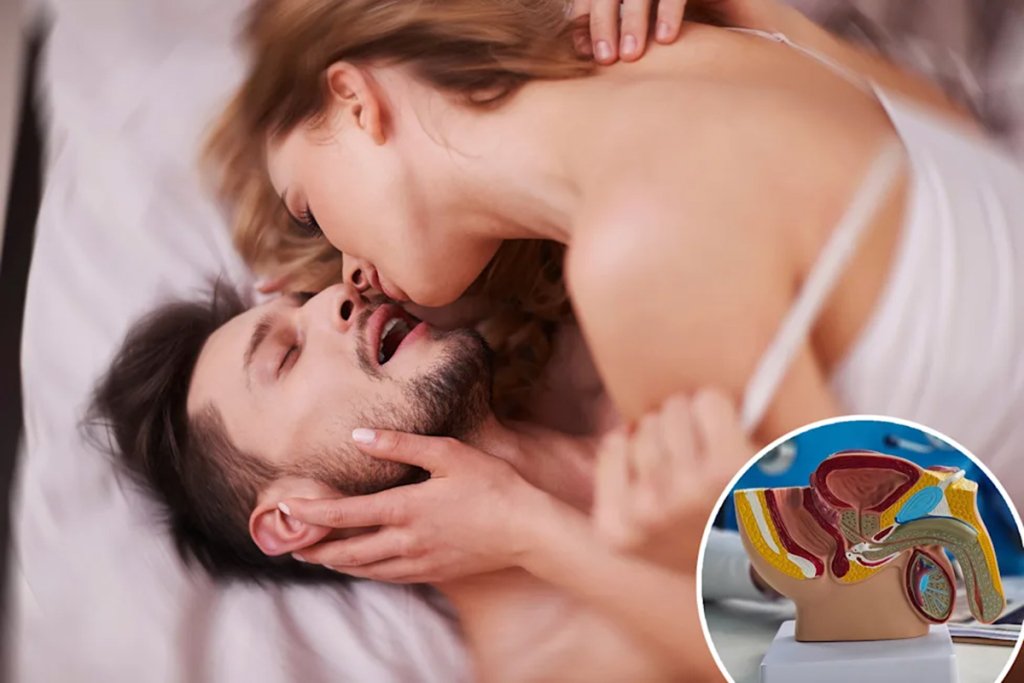
According to Harvard Health Publishing, approximately 90% of men will experience some form of prostate-related health issue by age 80 — a statistic that reframes prostate care not as niche territory, but as one of the most universally relevant aspects of men’s health. Yet routine prostate maintenance has historically been confined to clinical settings, performed by physicians, and discussed with all the warmth of an insurance form.
What’s shifting now is both cultural and technological. Mechanical stimulation — what some practitioners are calling “prostate exercises” — has moved from hospital procedure rooms into at-home wellness routines. Understanding locating the prostate gland and engage it with precision is no longer just a medical question; it’s a foundational wellness skill.
The biological case is compelling. The prostate sits at the center of the pelvic nerve plexus, a dense network connecting to the bladder, rectum, and lower spinal cord. Targeted stimulation doesn’t just affect one organ — it triggers a full-body cascade of neurological and circulatory responses. Men exploring dedicated wellness tools for prostate health are increasingly reporting benefits that go far beyond the bedroom.
This is the key principle running through modern prostate wellness: mechanical precision matters. Vibration alone is a starting point. What delivers lasting benefit is rhythmic, targeted engagement — and the anatomy that makes it work so powerfully is exactly what the next section unpacks.
Anatomy of Relief: How to Find and Stimulate the Prostate Gland
Understanding the prostate’s location is the foundation of everything that follows. Skip this step, and even the most advanced technique won’t deliver results. Get it right, and you’ll understand why so many men describe the experience as a genuine revelation.
Where Is It, Exactly?
The prostate is a walnut-sized gland nestled approximately 2–3 inches inside the rectum, positioned toward the belly button. It surrounds the urethra just below the bladder, which is precisely why an enlarged or inflamed prostate creates urinary symptoms. To locate it, follow this process:
- Prepare thoroughly — Empty the bowels, wash hands, and trim nails. Apply generous amounts of water-based lubricant.
- Insert one finger slowly — Advance approximately 2–3 inches toward the navel.
- Feel for a rounded, firm bulge — The texture is noticeably different from the surrounding rectal wall.
- Apply gentle, consistent pressure — You’re in the right place when you feel a mild urge to urinate.
Among the optimal positions for prostate massage, lying on your back with knees drawn toward the chest offers the most accessible angle for beginners, while side-lying with one knee raised works well for sustained sessions.
The ‘Come Hither’ Motion and Why It Matters
Once located, technique becomes everything. The “come hither” motion — a gentle beckoning curl of the finger — targets the prostate’s posterior surface, where nerve concentration is highest. As Dr. Evan Goldstein of Bespoke Surgical notes, “The prostate is often referred to as the ‘male G-spot’ because it is rich in nerve endings that can lead to more intense, full-body orgasms.” This nerve density far exceeds what standard penile stimulation reaches.
The Fluid Factor
The prostate continuously produces prostatic fluid, a component of semen. Without regular drainage, this fluid can stagnate, contributing to inflammation and discomfort. Learning how to approach prostate drainage safely is a practical first step for anyone new to this practice.
That drainage function isn’t just about comfort — it’s a genuine health mechanism, which leads directly into why medical professionals are paying closer attention to routine prostate stimulation.
The Health Mandate: Benefits of Prostate Massage Therapy
Now that you know where the prostate sits and how to access it, the more pressing question becomes: why bother? The answer goes well beyond pleasure. A growing body of clinical evidence positions regular prostate massage as a legitimate tool for men’s pelvic health — not an indulgence, but a wellness practice with real, measurable outcomes.
CPPS Relief: Releasing the Pressure Valve
Chronic Pelvic Pain Syndrome (CPPS) affects roughly 2–16% of men at some point in their lives, and it’s notoriously difficult to treat. According to the Urology Care Foundation, mechanical prostate stimulation can alleviate CPPS symptoms by draining prostatic fluid and reducing inflammation — essentially decompressing a gland that’s under constant low-grade stress. What typically happens is a cycle of fluid accumulation, swelling, and nerve irritation. Regular massage interrupts that cycle.
Fluid Drainage: The ‘Milking’ Mechanism
The term prostatic drainage refers to the deliberate expression of secretions from the gland’s ductal system. When these fluids stagnate — whether from infrequent ejaculation, sedentary habits, or underlying inflammation — they can thicken and contribute to congestion-related discomfort. Massage encourages active drainage, improves localized blood flow, and supports a healthier tissue environment overall. If you’re looking for a practical overview of the milking process, understanding the mechanism first makes the technique far more intuitive.
PSA Considerations: Time Your Testing Carefully
One critical — and often overlooked — clinical detail involves prostate massage effects on PSA levels. Massage temporarily elevates prostate-specific antigen in the bloodstream by agitating glandular tissue. Most urologists recommend waiting a minimum of 48 hours after any massage session before a PSA blood draw. Ignoring this can produce a falsely elevated result, potentially triggering unnecessary follow-up procedures.
| Benefit | Mechanism | Timeframe |
|---|---|---|
| CPPS symptom relief | Fluid drainage, reduced nerve pressure | Weeks of consistent use |
| Inflammation reduction | Improved blood flow | Session-by-session |
| Healthy secretion cycle | Active ductal expression | Ongoing maintenance |
| Accurate PSA testing | Avoid massage 48 hrs prior | Per test |
Understanding what massage achieves makes it easier to appreciate how it should be delivered — and that’s where the type of stimulation matters enormously.
Vibration vs. Mechanical Action: Why ‘Flapping’ and ‘Tapping’ Win
Basic vibration has its place — but when it comes to deep prostate stimulation, it’s a bit like using a massage wand on a tight muscle knot. The surface buzzes. The tissue underneath? Largely untouched.
Here’s the fundamental limitation: vibration disperses energy outward in all directions simultaneously. For superficial nerve endings, that’s perfectly effective. But the prostate sits roughly 2–3 inches inside the body, surrounded by dense pelvic tissue. High-frequency oscillation loses meaningful amplitude before it reaches the gland’s core, making standard vibration a shallow solution to a deep-tissue need.
The Physics of ‘Flapping’ — And Why It’s Different
Mechanical pulsating and pulsating motions operate on an entirely different principle. Instead of dispersing energy outward, they deliver focused, rhythmic directional force — pressing into the gland, releasing, and repeating in rapid succession. This directly replicates what clinicians call the “milking” technique: the deliberate, rhythmic manual compression of the prostate gland to encourage drainage and tissue response.
According to the International Society for Sexual Medicine (ISSM), advanced massagers featuring pulsating or pulsating motions mimic this manual milking technique far more effectively than simple vibration alone. The mechanical pattern matters — it’s not just about sensation, it’s about targeted pressure delivery at the right depth and rhythm.
| Feature | Standard Vibration | Mechanical Flapping/Tapping |
|---|---|---|
| Energy type | Dispersed oscillation | Focused directional force |
| Tissue depth reached | Superficial | Deep tissue |
| Mimics clinical technique | Partially | Yes — replicates milking |
| Pelvic nerve engagement | Indirect | Direct |
| Drainage stimulation | Minimal | Clinically relevant |
The Multi-Sensory Advantage
Understanding how to use a prostate massager is a starting point — but combining mechanical action with integrated heating takes the experience significantly further. Gentle warmth relaxes the pelvic floor musculature before stimulation begins, allowing deeper insertion angles and reducing involuntary resistance. The result is more authentic tissue contact and broader engagement of the deeper pleasure nerve pathways that simple vibration frequently misses.
The most effective stimulation isn’t louder — it’s smarter. Once you understand the why behind mechanical action, the next step is learning exactly how to position your body to make the most of it.
Mastering the Experience: Best Positions and Techniques
Understanding the mechanics of prostate stimulation is only half the equation — how you position your body dramatically shapes the results. Unlocking the full benefits of prostate massage therapy starts with giving your device the right angle to work with.
Position Matters More Than You Think
Two positions consistently deliver the best access and comfort:
- Side-lying (fetal position): According to sex therapist guidelines, a relaxed side-lying position allows for better access to the pelvic nerve plexus, reducing muscular tension and letting the device seat naturally against the prostate. This is the go-to for beginners.
- Legs-up (on your back, knees to chest): This position opens the pelvic floor wider, giving a mechanical massager’s pulsating or pulsating arm a more direct angle toward the anterior rectal wall — right where the prostate sits.
In practice, starting side-lying and transitioning to legs-up as comfort increases is a common and effective approach.
Lubrication, Heat, and Safety
The three non-negotiables:
- Water-based lubricant: Always. Silicone-based formulas can degrade device materials over time. Apply generously — more than you think you need.
- Heating functions: Devices with a warming feature gently relax the pelvic floor muscles before stimulation begins, improving both comfort and tissue responsiveness.
- Cleanliness and material safety: Use only body-safe silicone devices, clean thoroughly before and after each session, and stop immediately if you experience sharp discomfort.
Pro-Tip: Warm your lubricant between your palms for 10–15 seconds before applying. Cold lube causes involuntary muscle clenching that works against you.
For deeper guidance on technique, this breakdown of positioning and sensitivity covers the nuances well.
Done right, consistent technique transforms occasional sessions into a structured wellness routine — which is exactly where the conversation is heading next.
The Future of Intimacy: Automated Wellness
We’ve covered the mechanics, the positioning, the rhythm — now consider where all of this is heading. Automated wellness devices represent the natural evolution of everything discussed so far, merging robotics with intimate health in ways that were unimaginable a decade ago.
The intersection of robotics and intimacy isn’t a novelty. It’s a practical answer to a genuine limitation: human hands fatigue, angles shift, and consistency breaks down. Automated prostate drainage techniques — delivered through programmable, hands-free devices — eliminate that variability entirely. What you get instead is precise, repeatable mechanical action every single session.
Consistency is the cornerstone of any health routine — and automated devices make consistency effortless, not aspirational.
This YouTube guide on prostate exercise routines illustrates exactly why controlled, rhythmic stimulation outperforms improvised manual effort. Devices like those engineered by Kissself — including multi-pattern automated options — bring that same principle into a hands-free format, letting your body do the work while technology handles the delivery.
If you still have questions about frequency, safety, or first-time use, the next section addresses those directly.
Frequently Asked Questions
Can mechanical prostate stimulation help with erectile dysfunction?
Research suggests a connection between prostate health and erectile function, and regular stimulation may improve blood flow to the pelvic region. Clinical studies at Stanford Medicine continue exploring how targeted pelvic interventions support sexual wellness. It’s not a guaranteed fix, but many men report improvements alongside other treatments.
How often should I use a prostate massager for health benefits?
Most practitioners suggest 2–3 sessions per week as a reasonable starting point. Consistency matters more than intensity — regular, moderate sessions tend to yield better long-term results than infrequent, aggressive ones. Browsing purpose-built options can help you find a device suited to a sustainable routine.
Is it safe if I have an enlarged prostate (BPH)?
Generally, gentle stimulation is considered low-risk, but you should always consult a urologist first. Aggressive or prolonged sessions could aggravate inflammation in some cases.
Does it hurt the first time?
Discomfort is common initially — tension, unfamiliar sensations, and inadequate lubrication are the usual culprits. Slow preparation and ample lubricant make a significant difference. Patience is the most underrated technique in any prostate wellness practice.
Key Takeaways
- Water-based lubricant: Always. Silicone-based formulas can degrade device materials over time. Apply generously — more than you think you need.
- Heating functions: Devices with a warming feature gently relax the pelvic floor muscles before stimulation begins, improving both comfort and tissue responsiveness.
- Cleanliness and material safety: Use only body-safe silicone devices, clean thoroughly before and after each session, and stop immediately if you experience sharp discomfort.
- Prepare thoroughly — Empty the bowels, wash hands, and trim nails. Apply generous amounts of water-based lubricant.
- Insert one finger slowly — Advance approximately 2–3 inches toward the navel.