You may wonder if switching from anal sex to vaginal sex is safe. You can reduce risks by following strict hygiene and using protection. Without these steps, you may increase your chances of infection. HIV transmission risk rises with receptive anal intercourse, and other sexually transmitted diseases also elevate your risk. Even small skin breaks can let infections enter your body.
Open communication and clear consent with your partner ensure both safety and comfort.
Key Takeaways
- Always change condoms when switching from anal to vaginal sex. This prevents bacteria transfer and reduces infection risk.
- Wash your hands and genitals thoroughly before switching activities. Cleanliness is key to maintaining sexual health.
- Use plenty of lubrication during anal sex. This minimizes friction and lowers the chance of tissue damage.
- Communicate openly with your partner about comfort and boundaries. This fosters trust and ensures a positive experience.
- Stay alert for signs of infection, such as burning during urination or unusual discharge. Early detection is crucial for treatment.
- Seek medical advice if you notice persistent symptoms or discomfort. Timely care can prevent complications.
- Educate yourself about sexual health resources and prevention strategies. Staying informed empowers you to make safe choices.
- Regularly get tested for STIs, especially if you have multiple partners. Routine screenings help catch issues early.
Anal Sex and Vaginal Sex: Safety Concerns
Bacterial Transfer Risks
Switching from anal sex to vaginal sex exposes you to unique bacterial transfer risks. The rectum contains bacteria that differ from those found in the vagina. When you move from one activity to the other without proper hygiene, you may introduce harmful bacteria into the vaginal environment. This can lead to infections and discomfort.
Infection Pathways
You face several infection pathways when you switch from anal sex to vaginal sex. Fecal bacteria, such as Escherichia coli, can travel from the rectum to the vagina. These bacteria may cause urinary tract infections or bacterial vaginosis. Even if you use protection, bacteria can remain on hands, sex toys, or skin. For example, if you use the same condom or sex toy for both activities without cleaning, you increase the risk of transferring bacteria.
Consider this scenario: You and your partner engage in anal sex using a condom. Without changing the condom or washing, you switch to vaginal sex. This practice can introduce rectal bacteria into the vagina, raising the risk of infection. To minimize this risk, always change condoms and wash hands and genitals before switching activities.
Differences in Bacterial Flora
The vagina and rectum have distinct bacterial communities. The vagina typically contains Lactobacillus species, which help maintain a healthy pH and protect against infection. The rectum harbors a wider variety of bacteria, including those that can cause illness if they enter the vaginal canal. When you transfer bacteria from the rectum to the vagina, you disrupt the natural balance and increase the likelihood of infection.
The following table highlights how bacterial transfer risks compare between different sexual practices:
| Evidence | Description |
|---|---|
| Lactobacillus Sharing | 77% of monogamous couples shared Lactobacillus lines, indicating potential bacterial transfer. |
| BV Prevalence | 27% prevalence of BV among women who have sex with women, linked to specific sexual behaviors. |
| Oral-Anal Sex Risk | Oral-anal sex is associated with increased risk of bacterial transfer compared to other practices. |
These statistics show that bacterial transfer can occur in various sexual activities, but switching from anal sex to vaginal sex presents a particularly high risk due to the differences in bacterial flora.
Why Hygiene Matters
Hygiene plays a critical role in reducing the risks associated with switching from anal sex to vaginal sex. You must prioritize cleanliness to protect yourself and your partner from infections. Changing condoms, washing hands and genitals, and cleaning sex toys are essential steps. Proper hygiene prevents the introduction of harmful bacteria into the vaginal environment.
Tip: Always keep a supply of clean condoms and personal wipes nearby. This simple preparation helps you maintain hygiene and safety during sexual activities.
If you want more information about sexual health and hygiene, you can visit reputable resources such as Planned Parenthood or CDC Sexual Health. These platforms offer guidance on safe practices and infection prevention.
By understanding the risks and practicing good hygiene, you can enjoy anal sex and vaginal sex while minimizing the chance of bacterial transfer and infection.
Health Risks to Consider
Urinary Tract Infections
Urinary tract infections (UTIs) often occur when bacteria enter the urethra and travel to the bladder. You face a higher risk of UTIs if you switch from anal sex to vaginal sex without proper hygiene. Fecal bacteria, such as E. coli, can easily move from the rectum to the urinary tract during sexual activity. This transfer can cause painful urination, frequent urges to urinate, and lower abdominal discomfort.
Case Example: After engaging in anal sex and then vaginal sex without changing the condom, a woman developed a UTI. She experienced burning during urination and needed antibiotics for treatment.
You can reduce your risk by following these steps:
- Change condoms between anal and vaginal sex.
- Wash hands and genitals before switching activities.
- Avoid sequential anal-vaginal intercourse to prevent fecal bacterial transfer.
For more information, you can visit the Centers for Disease Control and Prevention (CDC) UTI page.
| UTI Risk Factor | Description |
|---|---|
| Anal to vaginal sex | Increases risk due to fecal bacteria transfer |
| Not changing condoms | Raises chance of infection |
| Poor hygiene | Allows bacteria to spread |
Bacterial Vaginosis
Bacterial vaginosis (BV) happens when the natural balance of bacteria in the vagina shifts. You may notice symptoms like unusual discharge, odor, or irritation. Switching from anal sex to vaginal sex can introduce new bacteria into the vagina, disrupting the healthy flora. This disruption makes BV more likely.
Case Example: A woman reported a strong fishy odor and grayish discharge after engaging in anal sex followed by vaginal sex. Her doctor diagnosed her with BV and recommended antibiotics.
BV does not always cause symptoms, but it can increase your risk of other infections. Practicing good hygiene and using protection can help you maintain a healthy vaginal environment. For more details, check the Office on Women’s Health BV resource.
| BV Risk Factor | Description |
|---|---|
| Bacterial transfer | Disrupts vaginal flora |
| Multiple sexual activities | Increases exposure to new bacteria |
| Lack of condom change | Raises BV risk |
Yeast and Other Infections
Yeast infections result from an overgrowth of Candida species in the vagina. You may experience itching, thick white discharge, and irritation. Switching from anal sex to vaginal sex can upset the vaginal balance, making yeast infections more likely. Other infections, such as trichomoniasis or pelvic inflammatory disease, can also occur if harmful bacteria or parasites enter the vagina.
Case Example: After using a sex toy for anal sex and then vaginal sex without cleaning it, a woman developed intense vaginal itching and discharge. Her healthcare provider diagnosed a yeast infection.
To lower your risk:
- Clean sex toys thoroughly between uses.
- Use a new condom for each activity.
- Monitor for symptoms and seek medical advice if needed.
You can find more information on yeast infections at the CDC Yeast Infection page.
| Infection Type | Main Cause | Common Symptoms |
|---|---|---|
| Yeast infection | Disrupted vaginal flora | Itching, thick discharge |
| Trichomoniasis | Parasite transfer during sex | Discharge, irritation |
| Pelvic inflammatory | Bacterial spread from rectum or vagina | Pain, fever, abnormal bleeding |
Tip: Always communicate with your partner about any symptoms or discomfort. Early action can prevent complications.
STI Transmission
Switching from anal sex to vaginal sex exposes you to a higher risk of sexually transmitted infections (STIs). The rectal lining can harbor viruses and bacteria that transfer easily to the vaginal canal. You should understand that even a single exposure can result in infection, especially if you do not use protection or follow proper hygiene.
You face increased risk for several STIs when engaging in this sequence of activities. The most commonly transmitted infections include:
- HIV
- Syphilis
- Chlamydia
- Gonorrhea
- Hepatitis
These infections can have serious health consequences. For example, HIV can weaken your immune system, while untreated chlamydia or gonorrhea can lead to pelvic inflammatory disease and infertility. Hepatitis can cause long-term liver damage.
Note: Many STIs do not cause immediate symptoms. You may not realize you have an infection until complications develop.
Case Example
A young woman reported vaginal pain and unusual discharge after having unprotected anal sex followed by vaginal sex with her partner. She did not change condoms or wash between activities. After a medical evaluation, her doctor diagnosed her with chlamydia and gonorrhea. She required antibiotics and follow-up testing. This case highlights the importance of changing condoms and practicing good hygiene to prevent STI transmission.
STI Transmission Data
The following table summarizes the estimated risk of transmission for common STIs during anal-to-vaginal sex:
| STI | Transmission Risk (per exposure) | Possible Complications |
|---|---|---|
| HIV | High | Immune system damage |
| Syphilis | Moderate to high | Neurological, cardiac |
| Chlamydia | High | Infertility, PID |
| Gonorrhea | High | Infertility, PID |
| Hepatitis | Moderate | Liver disease |
You can find more information about STI risks and prevention from CDC Sexual Health and World Health Organization. For ongoing updates and community support, consider following CDC STD Twitter.
How to Reduce Your Risk
You can take several steps to lower your risk of STI transmission:
- Always use a new condom when switching from anal sex to vaginal sex.
- Wash hands, genitals, and any sex toys before changing activities.
- Get tested regularly for STIs, especially if you have multiple partners.
- Communicate openly with your partner about sexual health and recent test results.
Tip: Early detection and treatment of STIs can prevent long-term health problems. If you notice symptoms such as unusual discharge, pain, or sores, seek medical advice promptly.
By understanding the risks and practicing safe sex, you protect both yourself and your partner from serious infections.
Anal Sex: Hygiene and Protection
Changing Condoms
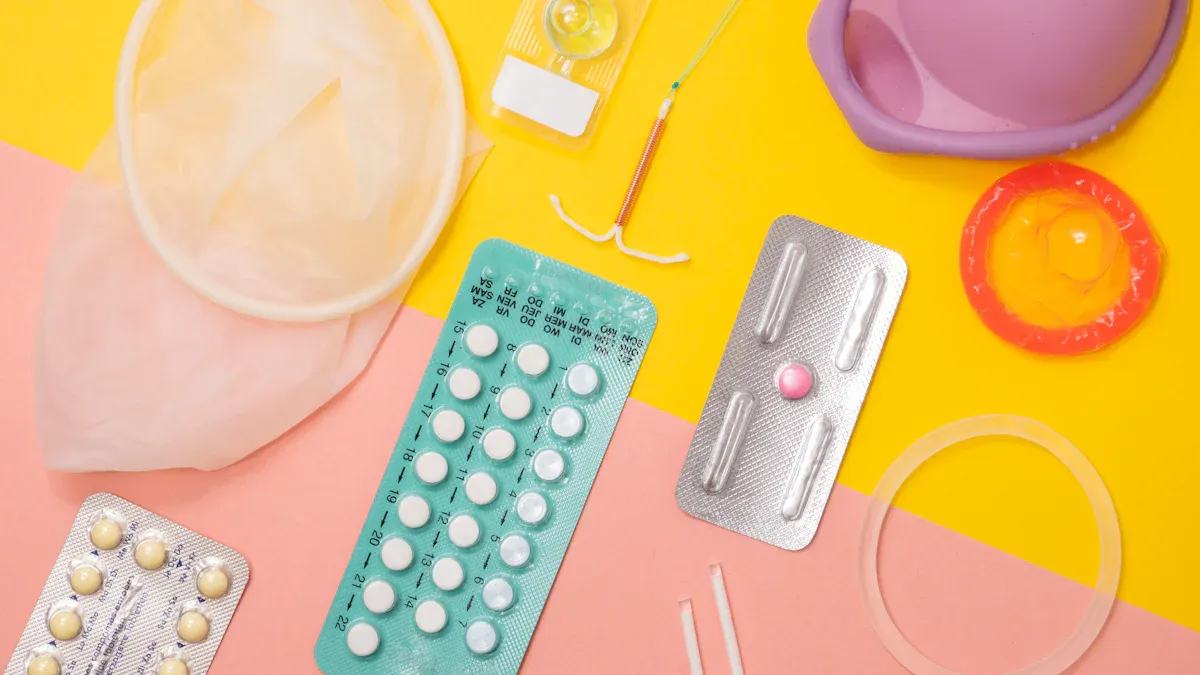
You should always use a new condom when switching from anal sex to vaginal sex. This practice prevents the transfer of bacteria from the rectum to the vagina. If you use the same condom for both activities, you risk introducing harmful bacteria that can cause infections.
Case Example: After engaging in anal sex, a couple decided to switch to vaginal sex without changing the condom. The woman developed symptoms of bacterial vaginosis within days. Her healthcare provider explained that bacteria from the rectum likely caused the infection.
Changing condoms is a simple but effective way to protect both you and your partner. Keep extra condoms within reach before you start. Dispose of used condoms properly and wash your hands before opening a new one.
| Best Practice | Why It Matters |
|---|---|
| Change condoms between acts | Reduces bacterial transfer and infection risk |
| Use a new condom for each activity | Maintains hygiene and safety |
For more information on condom use and sexual health, visit Planned Parenthood.
Washing Hands and Genitals
Proper hand and genital hygiene plays a crucial role in preventing infections during sexual activity. You should wash your hands thoroughly after any sexual contact, especially when switching between anal and vaginal sex. This step removes bacteria that may linger on your skin.
- Wash your hands with soap and water before and after sexual activity.
- Rinse your genitals with warm water to remove bacteria.
- Urinate after sex to help flush out bacteria from the urinary tract.
- Avoid scented soaps or wipes, as these can irritate sensitive skin.
Tip: Keep unscented wipes or a clean washcloth nearby for quick cleaning if you do not have immediate access to a shower.
Case Example: A man noticed irritation after switching from anal to vaginal sex without washing his hands. His partner later developed a urinary tract infection. Their doctor recommended washing hands and genitals between activities to prevent future infections.
For more guidance, check the CDC’s Sexual Health page.
Cleaning Sex Toys
Sex toys can harbor bacteria if not cleaned properly. You should always clean toys thoroughly before using them in a different area of the body. Infections often result from poor hygiene rather than how often you use the toys.
- Wash sex toys with warm water and mild, unscented soap after each use.
- Use a condom on toys if sharing between partners or switching from anal to vaginal use.
- Allow toys to dry completely before storing them.
- Always clean anal toys before using them vaginally to prevent bacterial infections.
Case Example: A couple used the same toy for anal and vaginal sex without cleaning it. The woman developed a yeast infection soon after. Their healthcare provider stressed the importance of cleaning toys between uses.
| Cleaning Step | Purpose |
|---|---|
| Wash with soap & water | Removes bacteria and reduces infection risk |
| Use condoms on toys | Adds a layer of protection |
| Dry before storing | Prevents bacterial growth |
You can find more information about cleaning sex toys and sexual health at Scarleteen and follow CDC STD Twitter for updates.
By following these hygiene practices, you lower your risk of infection and create a safer experience during anal sex and other sexual activities.
Using Lubrication
You should always prioritize lubrication when engaging in Anal Sex or switching between sexual activities. The rectal lining does not produce natural lubrication, which makes the tissue more vulnerable to tears and irritation. Insufficient lubrication increases friction, leading to discomfort and a higher risk of microscopic injuries. These small tears can serve as entry points for bacteria and viruses, raising your chances of infection.
Proper lubrication not only enhances comfort but also plays a critical role in protecting your health. You have several lubricant options, each with unique benefits and limitations. The following table summarizes the main types of lubricants and their best uses:
| Lubricant Type | Advantages | Limitations | Best For |
|---|---|---|---|
| Water-Based | Safe with all condoms and toys, easy to clean, hypoallergenic | Requires frequent reapplication, may cause yeast infections in some women | Beginners, condom use, shorter sessions |
| Silicone-Based | Long-lasting, silky smooth, ideal for water play | Not compatible with silicone toys, harder to wash off | Prolonged play, water-based activities |
| Oil-Based | Very slippery, moisturizing properties | Not safe with latex condoms, can disrupt vaginal pH | Condom-free play, external use |
| Gel | High viscosity, soothing effects | May feel sticky if over-applied, not suitable for very long sessions | Sensitive skin, healing tissues |
| Hybrid | Longer-lasting, compatible with most materials | Higher price point, may degrade some silicone toys | Extended play with toy compatibility |
You should select a lubricant based on your needs and the materials you use. Water-based lubricants work well with all condoms and sex toys. They clean up easily and suit most people, especially if you have sensitive skin. However, you may need to reapply them during longer sessions. Silicone-based lubricants last longer and provide a silky feel. They resist water, making them ideal for shower or bath play. Avoid using silicone-based lubricants with silicone toys, as this can damage the material.
Oil-based lubricants offer a slippery texture and moisturizing effect. You should not use them with latex condoms because they can cause the condom to break. Oil-based products may also disrupt the natural pH of the vagina, increasing the risk of infection. Gel lubricants provide a thicker consistency, which can soothe sensitive or healing tissues. Hybrid lubricants combine the benefits of water and silicone bases, offering longer-lasting moisture and compatibility with most toys.
Tip: Always check the label to ensure the lubricant matches your condoms and toys. If you notice irritation or discomfort, stop and try a different type.
You should apply lubricant generously before and during sexual activity. Reapply as needed to maintain comfort and reduce friction. If you switch between anal and vaginal sex, use a fresh supply of lubricant to prevent cross-contamination. Proper lubrication supports safer, more enjoyable experiences and helps protect your sexual health.
Safe Sex Tips for Switching Activities
Communication and Consent
You set the foundation for safe sexual experiences by discussing boundaries and preferences before switching activities. Open communication helps you and your partner feel respected and secure. You can use these strategies to foster trust and clarity:
- Openness: Share your desires, boundaries, and any discomforts. This creates a safe space for honest conversation.
- Active listening: Pay attention to your partner’s words and non-verbal cues. Respond thoughtfully to show you care.
- Vulnerability: Express your feelings and experiences, even if they feel difficult. This builds emotional closeness.
Tip: Before switching from Anal Sex to vaginal sex, ask your partner how they feel about the change. You might say, “Are you comfortable if we switch activities now?” This simple question can prevent misunderstandings and ensure mutual consent.
A case example: You and your partner discuss switching activities. One partner expresses concern about discomfort. You both agree to pause and check in after each step. This approach reduces anxiety and increases satisfaction.
For more guidance on sexual communication, visit Planned Parenthood’s sexual communication page.
Recognizing Discomfort or Infection
You protect your health by recognizing early signs of discomfort or infection after switching sexual activities. Symptoms may appear within hours or days. Monitoring your body helps you respond quickly and seek help if needed.
| Symptom | Description |
|---|---|
| Burning when you urinate | A common sign of urinary tract infection. |
| Discharge from genitals | May indicate an infection in the reproductive area. |
| Fever, chills, vomiting | General signs of infection, particularly in females. |
| Unusual menstrual bleeding | Can be a sign of infection or other issues. |
| Pain with sex | Indicates potential infection or irritation. |
Alert: If you notice any of these symptoms, pause sexual activity and monitor your health. Early recognition can prevent complications.
A case example: After switching activities, you experience burning during urination and unusual discharge. You decide to contact a healthcare provider for evaluation. This proactive step helps you receive timely treatment.
For more information on symptoms and sexual health, visit the Centers for Disease Control and Prevention’s sexual health page or follow CDC STD Twitter.
When to Seek Medical Advice
You should seek medical advice if symptoms persist, worsen, or cause significant discomfort. Healthcare professionals can diagnose infections and recommend treatment. You also benefit from regular sexual health checkups, especially if you switch between Anal Sex and vaginal sex.
Consider these situations when you should contact a provider:
- You experience persistent pain, fever, or abnormal discharge.
- You notice unusual menstrual bleeding or vomiting.
- You feel anxious about possible infection or exposure.
Note: Timely medical attention reduces the risk of complications and promotes long-term sexual health.
A case example: You develop pain with sex and fever after switching activities. You schedule a visit with your healthcare provider. The provider performs tests and prescribes medication. You recover quickly and learn new strategies for safer sex.
For ongoing support, connect with sexual health communities on social media or visit World Health Organization’s STI resource.
By practicing open communication, monitoring for symptoms, and seeking medical advice when needed, you create a safer and more comfortable sexual experience.
Myths and Misconceptions
Common Myths About Anal Sex
You may encounter many myths about anal sex, especially when it comes to switching between anal and vaginal activities. These misconceptions can create confusion and lead to unsafe practices. You should know the facts to make informed decisions about your sexual health.
- Many people believe that larger toys or partners always provide a better experience. This idea often comes from unrealistic portrayals in adult media. In reality, pushing your limits based on these expectations can cause discomfort or injury. You should focus on comfort, communication, and gradual exploration rather than size.
- Some think that switching from anal to vaginal sex is always safe if you use a condom. While condoms reduce risk, you must change them between activities to prevent bacterial transfer.
- Another myth suggests that anal sex does not require lubrication. The rectal lining does not produce natural moisture, so you need to use plenty of lubricant to avoid irritation and injury.
- You might hear that only certain people enjoy or practice anal sex. In truth, sexual preferences vary widely, and there is no single “right” way to experience pleasure.
Remember: Your comfort and safety matter more than any myth or stereotype. Listen to your body and communicate openly with your partner.
Hygiene and Safety Misunderstandings
Misunderstandings about hygiene and safety can put you at risk for infections or discomfort. You should separate fact from fiction to protect your health.
- Some people believe that having pubic hair is “dirty.” This is not true. Pubic hair serves important biological functions, such as protecting your skin from friction during sex. Cleanliness depends on daily hygiene, not on whether you have pubic hair.
- You may think that washing with scented soaps or douches improves hygiene. In fact, these products can disrupt your natural balance and cause irritation. Use mild, unscented soap and water for cleaning.
- Another common misunderstanding is that cleaning sex toys with just water is enough. You should always use soap and water, and allow toys to dry completely before storing them.
- Some assume that visible cleanliness means safety. Bacteria and viruses are invisible, so you must follow proper cleaning routines even if everything looks clean.
| Myth or Misunderstanding | The Reality |
|---|---|
| Pubic hair is dirty | Pubic hair protects against friction; hygiene matters more |
| Scented products improve hygiene | They can cause irritation; use unscented options |
| Water alone cleans toys | Soap and water are necessary for safety |
| Clean appearance means safe | Invisible bacteria require thorough cleaning |
Tip: Focus on consistent, gentle hygiene practices. Prioritize your health over appearance or myths.
By understanding and challenging these myths, you empower yourself to make safer choices and enjoy a healthier sexual experience.
Talking to Your Healthcare Provider
Discussing Sexual Practices
You benefit from honest conversations with your healthcare provider about your sexual practices. These discussions help you protect your health and address any concerns you may have. Many people feel nervous about bringing up topics like anal or vaginal sex, but medical professionals approach these subjects with sensitivity and respect. Their goal is to support your well-being, not to judge your choices.
When you talk with your provider, consider sharing details about your sexual activities. This information allows your provider to recommend the best screening tests and prevention strategies for you. You should discuss:
- The importance of regular testing for sexually transmitted infections (STIs). Many STIs do not cause symptoms, so routine screening helps you catch problems early.
- Any misconceptions you may have about sexual health risks. For example, you may think that older adults face lower risks, but STI risk remains significant at any age.
- Prevention methods, including vaccines for hepatitis A and B. Your provider may also discuss the mpox vaccine if you have specific risk factors.
- Any questions or worries you have about safety, comfort, or infection.
Tip: Write down your questions before your appointment. This helps you remember important topics and makes the conversation easier.
What to Expect in a Consultation
You can expect a supportive and confidential environment during your consultation. Your provider will ask about your sexual history, current practices, and any symptoms you have noticed. These questions help them tailor advice and care to your needs.
During the visit, your provider may:
- Review your sexual health history and discuss your partners and practices.
- Recommend appropriate STI tests based on your activities.
- Offer guidance on safer sex, including the use of condoms and hygiene practices.
- Discuss available vaccines that can reduce your risk of certain infections.
- Address any discomfort, pain, or unusual symptoms you report.
You should feel comfortable asking questions and expressing concerns. Your provider’s role is to help you make informed decisions about your sexual health. If you feel embarrassed or unsure, remember that these conversations are routine for healthcare professionals.
Note: Open communication with your provider leads to better health outcomes. You deserve care that respects your privacy and supports your choices.
By preparing for your appointment and speaking honestly, you take an active role in your sexual health and safety.
Best Practices Summary
Key Takeaways for Safety
You can protect your sexual health by following a few essential practices every time you switch between anal and vaginal sex. Always change condoms before moving from one activity to the other. This step prevents the transfer of bacteria and reduces your risk of infection. Wash your hands and genitals thoroughly before switching. Clean sex toys with soap and water, and use a new condom on toys if you plan to use them in different areas. Apply plenty of lubricant to minimize friction and lower the chance of tissue damage.
You should communicate openly with your partner about boundaries, comfort, and any symptoms you notice. Early recognition of discomfort or infection helps you seek medical care quickly. Schedule regular sexual health checkups, especially if you have multiple partners or engage in higher-risk activities. These habits create a safer and more enjoyable experience for both you and your partner.
Tip: Prepare everything you need—condoms, lubricant, and cleaning supplies—before you start. This preparation helps you stay focused on safety and pleasure.
Ongoing Sexual Health Education
You benefit from staying informed about sexual health resources and prevention strategies. Education does not end with one conversation or article. You should seek out reliable sources for up-to-date information on safe practices, infection risks, and new prevention tools.
One important resource for individuals at higher risk of HIV is pre-exposure prophylaxis (PrEP). PrEP is a daily pill that can reduce your risk of HIV infection by up to 92% when taken as prescribed. It is recommended for people who are HIV negative and have an HIV-positive partner, do not consistently use condoms, or engage in high-risk behaviors. While PrEP offers significant protection against HIV, it does not prevent pregnancy or other sexually transmitted infections.
| Resource | Description |
|---|---|
| PrEP | A daily pill that can reduce the risk of HIV infection by 92% when taken as prescribed. It is specifically for individuals who are HIV negative and at high risk for HIV. |
| Effectiveness | Reduces the risk of HIV infection significantly but does not protect against pregnancy or other STIs. |
| Eligibility | Recommended for those with an HIV+ partner, who do not consistently use condoms, or who engage in high-risk behaviors. |
You should also consider vaccines, regular STI screenings, and ongoing conversations with healthcare providers. Reliable organizations and sexual health clinics offer workshops, online resources, and confidential support. By staying proactive and informed, you empower yourself to make choices that support your long-term well-being.
Note: Sexual health is an ongoing journey. Continue learning, ask questions, and prioritize your safety every step of the way.
You can enjoy anal sex followed by vaginal sex safely when you follow essential precautions. Change condoms, wash thoroughly, and use plenty of lubrication.
- Stay alert for signs of infection.
- Communicate openly with your partner.
- Seek medical advice if you have concerns.
Your sexual health matters. Make informed choices and prioritize safety every time you explore new activities.
FAQ
Can you get an infection from switching between anal and vaginal sex?
Yes, you can. Bacteria from the rectum can enter the vagina and cause infections. Always change condoms, wash hands, and clean sex toys before switching activities to reduce your risk.
Is it necessary to use a new condom when switching from anal to vaginal sex?
You must use a new condom. This step prevents bacteria transfer and lowers your risk of urinary tract infections, bacterial vaginosis, and other complications.
What symptoms should you watch for after switching activities?
Watch for burning during urination, unusual discharge, itching, pain, or fever. These signs may indicate an infection. Seek medical advice if you notice any of these symptoms.
How can you clean sex toys properly between uses?
Wash sex toys with warm water and mild, unscented soap. Dry them completely before storing. Use a new condom on toys if you switch between anal and vaginal use.
Does using lubrication reduce the risk of injury?
Yes. Lubrication reduces friction and helps prevent tears or irritation. Apply a generous amount before and during sexual activity for comfort and safety.
Should you urinate after sex to prevent infections?
Yes. Urinating after sex helps flush out bacteria from your urinary tract. This simple habit can lower your risk of urinary tract infections.
How often should you get tested for STIs if you switch between anal and vaginal sex?
You should get tested regularly, especially if you have multiple partners or engage in higher-risk activities. Discuss your testing schedule with your healthcare provider for personalized advice.
Can you have safe anal and vaginal sex if you follow all precautions?
Yes. You can enjoy both activities safely if you change condoms, practice good hygiene, use lubrication, and communicate openly with your partner.