Key Takeaways
Master these essential techniques to achieve effective G-spot stimulation with your tongue vibrator:
• Angle matters most: Insert with the curved tip facing upward toward your belly button, not straight back, to properly target the G-spot located 2-3 inches inside on the front vaginal wall.
• Use shallow penetration: Insert only 1-3 inches deep and focus on come-hither rocking motions against the front wall rather than aggressive in-and-out thrusting.
• Start gentle, build gradually: Begin with the lowest vibration setting and increase intensity as arousal builds, since internal tissues respond differently than external areas.
• Preparation is crucial: Always use generous water-based lubricant, ensure your device is fully charged and clean, and empty your bladder beforehand to avoid discomfort.
• Combine stimulation methods: Use your free hand for clitoral stimulation while maintaining G-spot pressure to potentially achieve more intense blended orgasms.
Remember that G-spot sensitivity varies between individuals, so be patient with yourself and focus on what feels good rather than pressuring yourself to achieve specific outcomes. Consistent practice and experimentation with different positions and techniques will help you discover your body’s unique preferences.

Getting the most from your tongue vibrator isn’t just about the device itself. It’s about positioning it correctly for targeted G-spot stimulation.
We’ve found that many people struggle with angle and depth, essentially missing out on the intense pleasure these devices can deliver. Whether you’re using a licking tongue vibrator, exploring options like the double trouble tongue vibrator, or searching for the best tongue vibrator with realistic tongue vibrator features, technique matters significantly.
In this guide, we’ll walk you through anatomy basics, preparation steps, and precise positioning techniques that actually work. By the end, you’ll know exactly how to find your G-spot and use tongue motion to maximize stimulation every single time.
Understanding Your Anatomy and the G-Spot
Where to Locate Your G-Spot
Your G-spot sits 5-8 cm (2-3 inches) inside the vagina on the anterior wall, the side facing your belly button rather than your spine. When searching for it, insert one or two fingers with your palm facing upward and feel along the front vaginal wall. The texture differs from surrounding tissue. You’ll notice a spongy, bumpy, or walnut-like patch.
The G-spot isn’t actually a separate button or distinct anatomical structure. Research shows it’s part of your larger clitoral network. The clitoris extends much deeper than the external portion you can see, with internal structures wrapping around the vagina and urethra. When you stimulate the G-spot area, you’re actually stimulating the ducts, glands, and tissue surrounding the urethral sponge.
Not everyone experiences the same sensitivity in this region. Studies found that 62.9% of women reported having a G-spot, and clinical identification occurred in 55.4% of women examined. Your anatomy may vary slightly from these averages, which explains why location can differ person to person.
How Tongue Vibrators Target the G-Spot
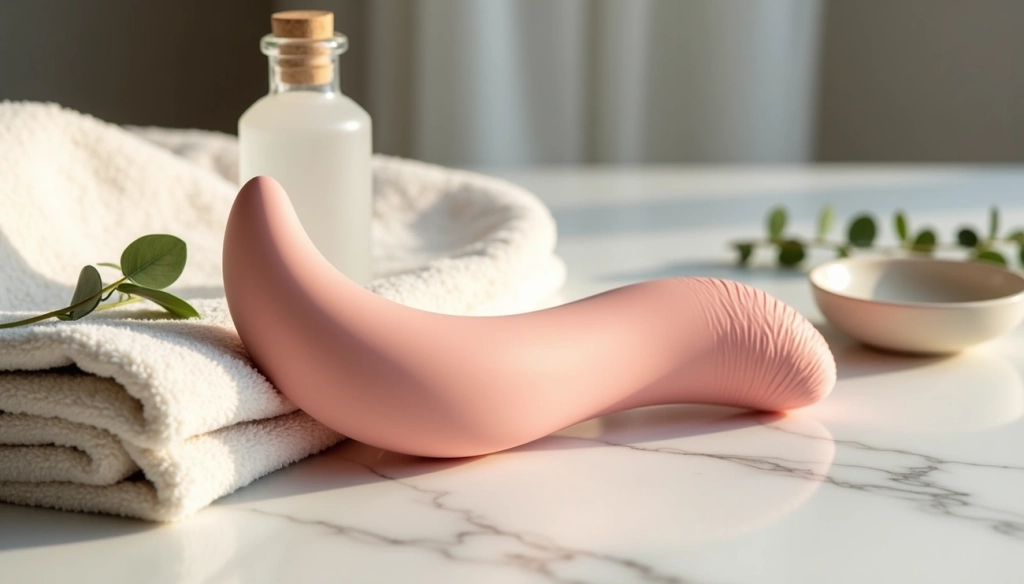
A tongue vibrator designed for G-spot stimulation features a curved or angled tip that reaches the anterior wall when inserted. Straight devices won’t hit the spot effectively because of the angle required. The best tongue vibrator for this purpose includes either a pronounced curve or thrusting attachments that mimic the come-hither finger motion.
Some realistic tongue vibrator models offer dual-ended designs. One end provides external stimulation while the curved end targets internal pleasure points. Thrusting features on certain licking tongue vibrator models deliver the rhythmic pressure your G-spot responds to.
Why Tongue Motion Works for G-Spot Stimulation
The G-spot responds to rhythmic pressure rather than in-and-out thrusting. Tongue motion replicates the come-hither finger movement that medical professionals use to locate and stimulate this area[11]. The licking, pulsating action creates consistent contact against the front vaginal wall.
This motion stimulates the pudendal nerve, which travels through the clitoris, anus, and perineum. Accordingly, the pressure from tongue-like movements activates nerve endings throughout your entire genital region, not just the localized spot. The combination of vibration and rhythmic motion makes tongue vibrators particularly effective for G-spot stimulation.
Preparing Your Tongue Vibrator for Use
Preparation steps determine whether you’ll achieve effective G-spot stimulation or waste time fumbling with poor positioning. The right device combined with proper hygiene and lubrication makes all the difference.
Choosing the Best Tongue Vibrator for Your Needs
Not all tongue vibrators work for G-spot stimulation. Some designs target only clitoral pleasure, while others offer versatility for internal use. When selecting your device, examine these factors:
- Material: Body-safe silicone remains the top choice for its hypoallergenic properties and ease of cleaning. ABS plastic and stainless steel work too, but avoid jelly rubber or PVC as these materials are porous and harbor bacteria.
- Design: Look for curved or angled tips that reach the anterior vaginal wall. Dual-ended models with both insertable shafts and tongue-like clitoral teasers provide blended stimulation. Thrusting options mimic come-hither finger motions.
- Size: Compact models fit comfortably in your hand for controlled movement. Longer tongues cover broader areas, which some find more stimulating. Consider what you can maneuver easily.
- Settings: Multiple speed and intensity options let you customize sensation. Pulsation and pattern modes add variety during sessions.
- Waterproof features: Full waterproofing allows shower use and simplifies cleaning, not just splashproof ratings.
- Noise level: Whisper-quiet models operate around 35 decibels, similar to soft conversation.
Cleaning and Charging Your Device
Prior to first use, wash your tongue vibrator thoroughly with warm water and mild antibacterial soap. Charge it fully using the USB cable. Most devices require complete charging to deliver consistent power during use. Clean before and after every session to prevent bacterial growth that could cause infections.
Using Lubricant for Comfortable Positioning
Water-based lubricant is non-negotiable for G-spot positioning. Apply a generous amount to both the device and your vaginal opening. Water-based formulas work with all toy materials, particularly silicone devices. Silicone lubricants damage silicone toys over time, creating porous surfaces that trap bacteria. During extended sessions, reapply as needed when you notice increased friction.
Step-by-Step Positioning Techniques
Positioning your tongue vibrator correctly requires precision rather than guesswork. Once you’ve prepared your device and applied lubricant, the techniques below will help you achieve consistent G-spot contact.
Starting Position: Inserting at the Right Angle
Hold your tongue vibrator at the vaginal entrance with the curved tip or tongue portion facing upward toward your stomach. Insert slowly without turning on vibration yet, allowing your body to adjust to the sensation. The curved design should point toward your belly button rather than straight back. Think of the angle as a ladle scooping toward your navel—shaft low, tip angled up.
Adjusting Depth for G-Spot Contact
Insert the device one to three inches inside. Your G-spot sits in this range, so you won’t need full insertion. Shallow penetration of 1-1.5 inches creates a diffuse, warm sensation, while moderate depth of 1.5-2 inches provides classic G-spot pressure. If you prefer a feeling of fullness, try 2-3 inches while rotating your wrist to keep the head tipped forward.
Finding the Sweet Spot with Tongue Motion
Move the device in a come-hither motion against the front vaginal wall. Rock it back and forth, apply gentle upward pressure, or make small circular movements. Avoid aggressive thrusting. Instead, press inward for 2-3 seconds, ease off, then repeat. Tiny arcs or one-inch strokes often work better than large movements.
Using Different Vibration Modes
After finding the right position, activate vibration at the lowest setting. Your internal tissues respond differently than external areas, so start gently. Gradually increase intensity as arousal builds. Experiment with steady vibration, pulsing patterns, or escalating rhythms.
Combining External and Internal Stimulation
Use your free hand or a separate bullet vibrator on your clitoris while maintaining G-spot pressure. This dual approach can trigger blended orgasms. Some people steady the tongue vibrator’s base with one hand while the other handles external stimulation.
Maximizing Results and Avoiding Common Mistakes
What to Do When You Can’t Find the Right Position
Try varying your stimulation approach rather than repeating the same motion. Switch between steady pressure, rocking movements, and circular motions. Change the angle by adjusting your wrist position or rotating the device slightly. Solo exploration often proves more successful than partnered attempts because you control every variable and can focus entirely on your body’s responses.
Not everyone experiences the same level of G-spot sensitivity. Some bodies respond immediately, while others require conditioning over multiple sessions. Taking pressure off achieving orgasm helps you relax and discover what feels good without performance anxiety.
Preventing Discomfort During Use
Stop immediately if you experience pain. Add more lubricant and ensure you’re sufficiently aroused before continuing. Pain signals that your body needs more preparation time or a different angle.
Empty your bladder before using your tongue vibrator. The G-spot sits near your urethra, so pressure in this area triggers sensations similar to needing to urinate. This feeling is completely normal and often subsides as pleasure builds.
How to Tell If You’re Hitting the G-Spot
The tissue swells and firms as blood flow increases to the area. You’ll feel the textural difference under the device’s tip. Pleasure sensations intensify when you maintain contact with the correct spot.
Experimenting with Body Positions
Body position changes penetration angles significantly. Lie on your back with a pillow elevating your hips, get on all fours for deeper angles, stand with one leg raised, or squat for maximum control over depth and pressure.
Conclusion
You now have everything you need to position your tongue vibrator for effective G-spot stimulation. As a matter of fact, the key is finding the right angle, maintaining shallow depth, and using come-hither motions rather than aggressive thrusting.
Experiment with different positions, vibration settings, and pressure levels. Your body might need several sessions to discover what works best. Keep exploring with patience, and the intense pleasure you’re looking for will follow naturally.
FAQs
Q1. Where exactly is the G-spot located and how can I find it?
The G-spot is located 5-8 cm (2-3 inches) inside the vagina on the front wall, the side facing your belly button. To find it, insert one or two fingers with your palm facing upward and feel along the front vaginal wall for a spongy, bumpy, or walnut-like textured area that feels different from the surrounding tissue.
Q2. What makes tongue vibrators effective for G-spot stimulation?
Tongue vibrators work well for G-spot stimulation because their licking, pulsating motion replicates the come-hither finger movement that effectively stimulates this area. The rhythmic pressure from tongue-like movements creates consistent contact against the front vaginal wall, which is what the G-spot responds to best, rather than in-and-out thrusting.
Q3. How deep should I insert a tongue vibrator for G-spot stimulation?
You should insert the device only one to three inches inside. The G-spot sits in this shallow range, so full insertion isn’t necessary. Shallow penetration of 1-1.5 inches creates a warm sensation, while moderate depth of 1.5-2 inches provides classic G-spot pressure.
Q4. Is it normal to feel like I need to urinate when using a G-spot vibrator?
Yes, this is completely normal. The G-spot sits near your urethra, so pressure in this area triggers sensations similar to needing to urinate. This feeling often subsides as pleasure builds. Emptying your bladder before use can help reduce this sensation.
Q5. What should I do if I can’t find the right position or feel discomfort?
If you’re having trouble finding the right position, try varying your approach by switching between steady pressure, rocking movements, and circular motions, or change the angle by adjusting your wrist position. If you experience pain, stop immediately, add more lubricant, and ensure you’re sufficiently aroused before continuing. Solo exploration often works better because you have complete control over the variables.