Curiosity about anal play is common and valid. Surveys show that most adults express interest or have tried it, reflecting broad acceptance. You may feel anxious due to concerns about pain, preparation, or psychological roles. A Complete Guide starts with open communication, clear consent, and thoughtful preparation. Approach this experience with patience and honesty, focusing on comfort and mutual respect. Remember, your feelings and boundaries matter.
Key Takeaways
- Curiosity about anal play is normal. Open communication with your partner is essential for a positive experience.
- Start with external stimulation to get comfortable. Use clean hands and plenty of lubricant to enhance pleasure.
- Always prioritize consent. Discuss boundaries and safe words with your partner before engaging in anal play.
- Hygiene is crucial. Clean the anal area thoroughly before and after play to prevent infections.
- Use plenty of lubricant. The anus does not self-lubricate, so apply a generous amount to ensure comfort.
- Take your time and start slow. Gradually progress to penetration, listening to your body’s signals.
- Choose comfortable positions that allow for easy communication and control during anal play.
- Aftercare is important. Check in with your partner emotionally and physically after the experience to reinforce trust.
What Is Anal Play?
Anal play refers to any sexual activity involving stimulation of the anus. You might explore this area for pleasure, curiosity, or intimacy. Sexual health professionals define anal play as a broad category that includes both external and internal stimulation. Understanding the range of activities helps you make informed choices and communicate your interests or boundaries.
Types of Anal Play
External Stimulation
You can start with external stimulation, which involves touching or massaging the area around the anus. Many people find this gentle approach relaxing and pleasurable. You might use your fingers, a partner’s hand, or even your tongue. This method allows you to get comfortable with new sensations before considering penetration.
Tip: Begin with clean hands and trimmed nails. Use a generous amount of water-based lubricant to reduce friction and increase comfort.
Penetration
Penetration involves inserting an object, finger, or penis into the anus. If you choose this route, start small and go slow. Many beginners use a lubricated finger or a small, body-safe toy. Communication with your partner remains essential at every step. You can refer to the table below for a clear overview of activities included under anal play, as defined by sexual health professionals:
| Activity Description |
|---|
| Inserting fingers around/inside the anus |
| Rimming (using the tongue around/inside the anus) |
| Inserting a penis into the anus |
| Using a dildo or other sex toy inside the anus |
| Fisting (putting a hand inside the anus) |
Myths vs. Facts
You may encounter myths about anal play that create unnecessary fear or stigma. Scientific research and sexology studies provide clarity:
- Anal sex is not always painful; proper communication, relaxation, and lubrication can enhance the experience.
- The anus is elastic and can return to its original shape, debunking the myth that anal sex leads to a ‘loose’ anus.
- Anal play is not limited to specific genders or sexual orientations, as it can be enjoyed by anyone.
Medical studies show that pain often decreases with experience. You can transform initial discomfort into pleasure by using the right techniques and communicating openly. Anal play is generally safe for most people without health issues or anorectal pain. A significant percentage of men can achieve orgasm from anal stimulation alone, showing the potential for pleasure.
| Evidence | Description |
|---|---|
| Pain Decreases with Experience | Initial discomfort can be transformed into pleasure through proper technique, communication, and relaxation. |
| Safe for Most Individuals | Anal sex is generally safe for individuals without existing health issues or anorectal pain. |
| Pleasure from Stimulation | A study found that a significant percentage of men can achieve orgasm from anal stimulation alone. |
Note: Education and open discussion about anal play help reduce stigma and increase safety. If you want a Complete Guide to safe and enjoyable anal play, focus on learning, preparation, and communication.
You can find more information and community support on reputable sexual health platforms and forums, such as Planned Parenthood or Scarleteen.
Communication & Consent

Exploring anal play begins with clear communication and mutual consent. You set the foundation for a positive experience by talking openly with your partner, establishing boundaries, and agreeing on safe words. These steps help you build trust, reduce anxiety, and ensure that both of you feel respected and comfortable.
Talking with Your Partner
Start by having an honest conversation about your interests and concerns. You might feel nervous, but open dialogue helps you and your partner understand each other’s desires and boundaries. Sex therapists recommend several strategies to make these discussions easier:
- Share your curiosity and listen to your partner’s feelings without judgment.
- Discuss anal hygiene to ensure both of you feel safe and prepared.
- Set clear boundaries before any activity begins.
- Use gentle touches and plenty of lubricant to enhance comfort.
- Check in with each other regularly during play to maintain consent and enjoyment.
- Plan for aftercare to reinforce your emotional connection once the experience ends.
Tip: Choose a relaxed, private setting for these conversations. You can use resources from reputable organizations like Planned Parenthood to guide your discussion.
Setting Boundaries
Defining boundaries is essential for a consensual and enjoyable experience. Relationship experts suggest that you:
- Openly discuss what you are comfortable with and what you want to avoid.
- Ensure your conversations remain free from judgment to foster understanding.
- Clarify which activities you are willing to try and which are off-limits.
- Reflect on your own limits and non-negotiables before talking with your partner.
- Choose a calm environment to make sure both of you feel emotionally prepared.
For example, you might agree to start with external stimulation only, or you may decide to use toys but not engage in penetration. By setting these boundaries, you prevent misunderstandings and create a safe space for exploration.
Safe Words
Safe words give you and your partner a clear way to pause or stop at any time. When you choose a safe word, keep these guidelines in mind:
- Pick a word or phrase that is easy to remember and say.
- Use something unrelated to the activity, like “pineapple” or “red.”
- Avoid words that could be misinterpreted in the heat of the moment.
- Make sure you both feel comfortable using the chosen word.
- Discuss your safe word before you begin any activity.
You might use a traffic light system—green for “keep going,” yellow for “slow down,” and red for “stop.” This method works well for beginners and helps you maintain control over your experience.
Note: Safe words are not just for stopping play. You can use them to communicate discomfort, ask for a break, or check in with your partner.
By prioritizing communication and consent, you create a supportive environment where both you and your partner can explore safely and confidently.
Prep & Safety
Exploring anal play safely starts with preparation. You protect yourself and your partner by following hygiene basics, using the right supplies, and understanding health risks. This section of the Complete Guide gives you practical steps for a safe and comfortable experience.
Hygiene Basics
Cleaning Methods
You should always clean the anal area thoroughly before any play. Medical professionals recommend these steps:
- Wash the area with warm water and mild, unscented soap.
- Use gloves to maintain hygiene and prevent the spread of bacteria.
- Trim your nails to avoid scratches or tears.
- Consider using an enema if you want extra cleanliness, but do not overuse it.
Tip: Never move from anal to vaginal play without cleaning first. This prevents infections and keeps both partners safe. For more hygiene tips, visit Planned Parenthood’s guide.
Aftercare Hygiene
After anal play, you should clean the area again. Use gentle soap and water. Remove gloves and dispose of them properly. Wash your hands thoroughly. If you used toys, clean them with warm water and a toy-safe cleanser. This routine reduces the risk of infection and keeps you healthy.
Supplies Checklist
Lubricants
Lubrication is essential. The anus does not self-lubricate, so you need a generous amount of water-based or silicone-based lube. This reduces friction and lowers the risk of tears or discomfort. Always check that your lube is body-safe. For more on lube safety, see Scarleteen’s lube guide.
Barriers & Gloves
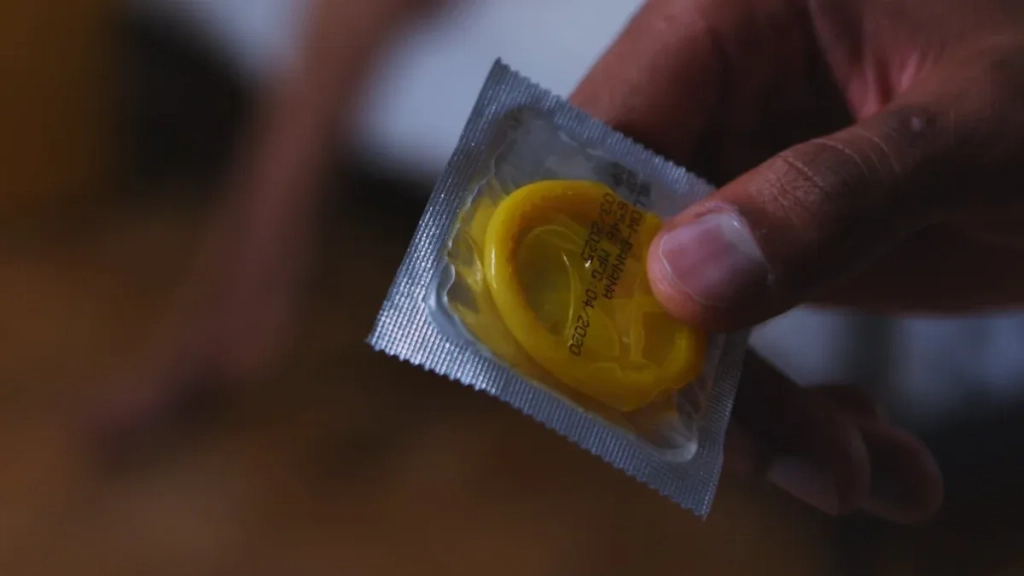
Barriers like condoms and gloves protect against infections and make cleanup easier. Use a new condom for each session or toy. Gloves add another layer of safety, especially if you have cuts or long nails.
Beginner Toys
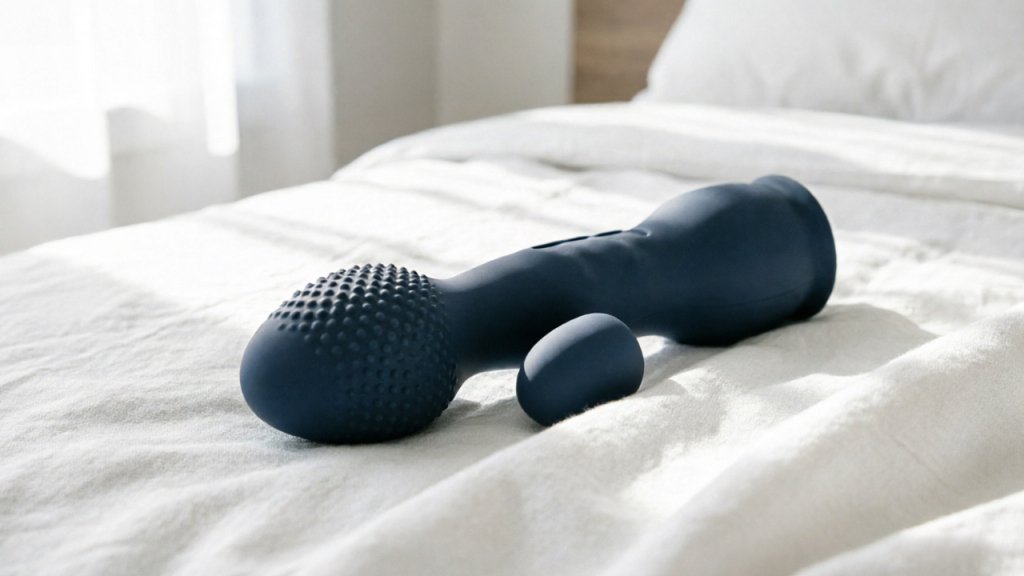
Start with small, body-safe toys designed for anal use. Look for toys with a flared base to prevent accidents. Avoid using objects not made for anal play. Clean all toys before and after use.
| Supplies Checklist | Purpose |
|---|---|
| Water-based lubricant | Reduces friction, prevents tears |
| Condoms | Lowers STI risk, keeps toys clean |
| Gloves | Maintains hygiene, protects skin |
| Anal-safe toys | Ensures safety, prevents accidents |
Health & Risks
Anal play carries some health risks, but you can minimize them with good habits. Common risks include STIs, anal fissures, and bacterial infections. You also risk damage to the anal sphincter if you do not use enough lube or go too fast.
- Use plenty of lubricant to prevent tears.
- Always use condoms to reduce the risk of STIs.
- Maintain good hygiene before and after play.
- Trim your nails and use gloves to avoid injury.
Medical studies show that about 9.9% of women and 11.6% of men who have received anal sex report higher rates of fecal incontinence, compared to 7.4% of women and 5.3% of men who have never engaged in anal sex. These numbers highlight the importance of preparation and caution.
Note: If you experience pain, bleeding, or ongoing discomfort, stop and consult a healthcare provider. For more information on risks and safety, check Scarleteen’s anal play safety page.
By following these steps, you create a safer, more enjoyable experience. Preparation and safety are key parts of any Complete Guide to anal play.
Anal Play: Complete Guide
Foreplay & Relaxation
You set the stage for a positive experience by focusing on foreplay and relaxation. Many sex educators recommend that you start with open communication about your needs and desires. This conversation helps you and your partner feel safe and connected. You can then move into physical forms of foreplay, which help your body relax and prepare for new sensations.
- Talk with your partner about what you want to try and what feels off-limits.
- Use gentle activities like kissing, cuddling, or a slow massage to build trust and comfort.
- Explore erogenous zones beyond the anus, such as the inner thighs or lower back, to increase arousal and relaxation.
A practical example: Imagine you and your partner decide to try anal play for the first time. You begin by discussing boundaries and safe words. You then spend time kissing and massaging each other, focusing on relaxation rather than rushing. This approach helps your body release tension and makes the experience more enjoyable. For more ideas on foreplay and relaxation, you can check out Scarleteen’s beginner guide or browse discussions on Reddit’s r/sex for real-life tips from others.
Tip: Take your time. The more relaxed you feel, the more comfortable and pleasurable anal play becomes.
Lubrication Tips
Lubrication is essential for safe and comfortable anal play. Health professionals suggest that you choose products with skin-friendly ingredients, such as aloe or plant-based moisturizers. Avoid lubricants that contain alcohol or glycerin, as these can cause irritation or dryness. You should also look for a lube that maintains a natural pH balance and has a thick consistency for better comfort.
- Select a water-based or silicone-based lubricant with gentle, body-safe ingredients.
- Stay away from sticky or drying substances to prevent discomfort.
- Apply a generous amount of lube to both the anus and any toys or fingers you plan to use.
- Reapply as needed during play, since friction can increase over time.
Case study: Jamie and Alex want to try anal play for the first time. They research lubricants and choose one with natural, soothing ingredients. Before starting, they apply a generous amount to the area and their toy. They notice that the thicker consistency helps reduce friction and makes the experience smoother. For more information on choosing the right lubricant, visit Planned Parenthood’s lube guide.
Note: Never skip lube. The anus does not self-lubricate, so using enough is a key part of any Complete Guide to anal play.
Starting Slow
Starting slow is the foundation of a safe and enjoyable experience. Experts recommend a step-by-step process that allows your body to adjust and your mind to stay relaxed.
- Begin with a conversation about comfort levels, safe words, and what each of you wants to avoid. This agreement helps you relax and trust the process.
- Prepare your supplies calmly. Set out your lube, gloves, and any toys you plan to use. Make sure you both feel ready before you begin.
- Find a comfortable position. Many people prefer lying on their side or bending over a soft surface. Take deep breaths to help your muscles relax.
- Start with gentle, external touch. Use your fingers or a soft toy to explore the area around the anus. Focus on how your body feels and communicate with your partner.
- If you feel ready, try inserting a well-lubricated finger or a small toy. Move slowly and stop if you feel pain or discomfort.
A real-life example: Taylor and Morgan agree to use a traffic light system for communication. They start with external stimulation, using plenty of lube and checking in often. When Taylor feels comfortable, Morgan gently inserts a finger, pausing whenever Taylor says “yellow” to slow down. This gradual approach helps them both feel safe and in control. For more step-by-step beginner advice, you can read Scarleteen’s anal play basics or join conversations on Twitter’s #SexEd.
Reminder: Listen to your body. If you feel discomfort, stop and communicate. A Complete Guide always emphasizes patience and self-awareness.
Gradual Progression
Gradual progression forms the backbone of safe and enjoyable anal play. You should approach each step with patience and mindfulness, allowing your body to adapt at its own pace. Rushing can lead to discomfort or injury, so you must listen closely to your body’s signals.
Start by using the smallest toy or just a well-lubricated finger. If you feel resistance, pause and consider switching to a smaller size or spending more time on external stimulation. Never force insertion. Your comfort and safety come first.
| Best Practice | Description |
|---|---|
| Avoid Forceful Insertion | If you feel resistance, pause. Try a smaller toy or more foreplay to relax. |
| Regular Practice | Gradual, consistent practice increases flexibility and confidence. |
You can follow these best practices for a smoother experience:
- Use plenty of lubrication and reapply as needed to maintain comfort.
- Stay aware of your body. If anything feels uncomfortable, stop and resume only when you feel ready.
- Take your time and progress at your own pace.
Proper pain management is crucial. Anal play should never be painful if you follow the right steps. Begin slowly, use ample lubricant, and choose a position that helps you relax. If you experience pain, stop immediately. Assess the situation. You may need more lubricant or a different angle. Open communication with your partner ensures you both feel safe and supported.
A practical example: Imagine you and your partner have tried external stimulation and feel ready to move forward. You start with a small, body-safe toy and plenty of lube. You insert it slowly, checking in with each other after every movement. If you feel any discomfort, you pause and add more lubricant or return to external touch. Over several sessions, you notice your comfort and confidence grow. This gradual approach helps you build trust in your body and your partner.
Regular practice can help your body adjust. You might find that with each session, your muscles relax more easily and your enjoyment increases. Remember, there is no universal timeline. Some people need several sessions before feeling comfortable with deeper penetration. Others may progress more quickly. The Complete Guide to anal play always emphasizes that your journey is unique.
You can find more detailed advice and community discussions on gradual progression at Scarleteen or explore expert Q&As on Reddit’s r/sex. These resources offer real-life stories and tips from people with a range of experiences.
Tip: Celebrate small milestones. Each step forward, no matter how minor, marks progress in your comfort and confidence.
By following these gradual progression strategies, you set yourself up for a safer, more pleasurable experience. Always prioritize your well-being and move forward only when you feel ready.
Comfort & Positions
Exploring anal play becomes much more enjoyable when you find positions that support comfort and control. The right position helps you relax, communicate, and adjust as needed. You can experiment with several beginner-friendly options to discover what works best for your body and preferences.
Best Positions
You benefit most from positions that allow easy communication and access. These positions help you control depth and speed, making it easier to pause or adjust if needed.
- Side-lying (Spooning): Lie on your side with your partner behind you. This position offers comfort and allows you to relax your muscles.
- On your back with knees up: Lie on your back and pull your knees toward your chest. This opens the pelvic area and gives you or your partner clear access.
- Doggy style (all fours): Get on your hands and knees. This position gives your partner control but also lets you adjust your hips for comfort.
- Standing, bent over a surface: Stand and lean forward onto a sturdy surface. This position works well if you want to control the angle and depth.
Tip: Choose a position that lets you communicate easily and adjust your body as needed. You can always switch positions if you feel discomfort.
Reducing Discomfort
You can take several steps to minimize discomfort and make the experience more pleasurable. Experts recommend the following techniques:
- Communicate openly about your desires, boundaries, and any concerns.
- Prepare by relaxing your body. Take a warm bath or shower to ease muscle tension.
- Use a high-quality lubricant. The anus does not self-lubricate, so generous application is essential.
- Start slow. Begin with gentle external stimulation and progress gradually, listening to your body.
You can also try these practical tips:
- Begin with smaller toys or just external touch to warm up.
- Avoid unsafe objects—stick to body-safe, clean toys.
- Set the mood with music or soft lighting to help your body relax.
- Practice diaphragmatic breathing and pelvic floor drops to release tension.
- Always use a safe word and check in with your partner.
A real-life example: Imagine you want to try anal play for the first time. You take a warm shower, set up soft lighting, and talk with your partner about boundaries. You start with gentle touch and use plenty of lube. If you feel any discomfort, you pause and breathe deeply, then continue only when you feel ready.
Breathing & Relaxation
Controlled breathing techniques play a key role in relaxation and comfort. Physiological studies show that deep, rhythmic breathing helps your body shift into a relaxed state, making anal play more comfortable.
| Breathing Technique | Description | Effects on Relaxation and Comfort |
|---|---|---|
| Diaphragmatic Breathing | Deep, slow breaths using your diaphragm. | Promotes oxygen exchange, stimulates the vagus nerve, calms nerves. |
| RAVANS | Combines ear stimulation with controlled breathing. | Enhances relaxation by increasing vagal activity. |
| General Deep Breathing | Focus on slow, steady inhales and exhales. | Increases heart rate variability, shifts your body to relaxation. |
You can practice diaphragmatic breathing by placing a hand on your belly and inhaling deeply, letting your abdomen rise. Exhale slowly, feeling your body relax. This technique helps your pelvic floor muscles release tension, making penetration easier and more comfortable.
Note: If you feel anxious or tense, pause and focus on your breath. Controlled breathing not only calms your mind but also prepares your body for a more enjoyable experience.
For more practical tips and real-life stories, you can explore resources from Scarleteen or join discussions on Reddit’s r/sex.
Safety & Aftercare
Managing Pain
You may experience mild discomfort or pain during or after anal play, especially if you are new to it. Managing pain effectively helps you stay safe and enjoy the experience. Medical professionals recommend several strategies:
- Learn about pelvic floor anatomy and function. This knowledge helps you understand how your muscles respond and how to relax them.
- Use plenty of lubrication to reduce friction and discomfort.
- Practice healthy bowel and bladder habits. Avoid straining during bowel movements to prevent irritation.
- Try manual therapy techniques or gentle massage to decrease muscle tension.
- Use dilatators to help relax the anal sphincter if you feel persistent tightness.
You can also use the following methods for relief:
| Method | Purpose/Effectiveness |
|---|---|
| Cold compresses | Reduces swelling and numbs pain |
| Over-the-counter pain meds | Provides temporary relief from pain |
| Stool softeners | Eases bowel movements, reducing strain |
| Dietary changes | Improves bowel health, preventing constipation |
| Sitz baths | Soothes the anal area and promotes healing |
| Hydrocortisone creams | Reduces inflammation and discomfort |
| Nitroglycerin ointment | Relaxes anal sphincter, reducing pain |
| Lidocaine | Numbs the area, providing immediate pain relief |
Tip: If you experience ongoing pain, bleeding, or severe discomfort, consult a healthcare provider. You can find more information on pain management from reputable sources like Planned Parenthood.
Cleaning Up
Proper cleanup after anal play prevents infection and irritation. You should always prioritize hygiene to protect yourself and your partner.
- Wear gloves during anal play to maintain cleanliness.
- Clean the anal area thoroughly with warm water and mild soap after play.
- Avoid transferring bacteria from the anus to the vagina. Always clean up before switching activities.
- Go to the bathroom 30–60 minutes before anal play to ensure cleanliness.
- Remove and wash any sheets or blankets that may have come into contact with bodily fluids.
- Clean all toys with a toy-safe cleanser and warm water before and after use.
A practical example: After a session, you remove gloves, wash your hands, and clean the area gently. You also wash any toys and change the bedding. This routine keeps you healthy and reduces the risk of irritation.
Note: For more detailed hygiene tips, visit Scarleteen’s guide.
Emotional Care
Anal play can bring up a range of emotions. You might feel vulnerable, relieved, or even anxious afterward. These responses are normal and deserve attention.
- Recognize that engaging in anal play often requires trust and vulnerability. This can lead to emotional release or stress relief.
- Understand that some people experience post-coital dysphoria (PCD), which may cause sadness or anxiety after sex.
- If you have a history of trauma, certain sensations may trigger emotional responses. Allow yourself space to process these feelings.
- Communicate openly with your partner before, during, and after play. Honest conversations help you both feel supported and understood.
You can care for your emotional well-being by checking in with yourself and your partner. If you feel overwhelmed, take time to rest or talk about your experience. Support groups and online forums, such as Scarleteen or Reddit’s r/sex, offer community and advice.
Callout: Emotional care is just as important as physical care. Prioritize your feelings and communicate your needs for a positive experience.
Troubleshooting
If It Hurts
You may experience discomfort or pain during anal play, especially as a beginner. Pain can result from insufficient lubrication, lack of relaxation, or moving too quickly. Always listen to your body and respond promptly to any discomfort.
- Stop immediately if you feel sharp or intense pain. This could signal irritation or injury.
- Monitor for unusual symptoms. Mild soreness may resolve on its own, but deep or persistent pain requires attention.
- Seek medical help if you notice bleeding, severe pain, or symptoms like fever or fatigue. These could indicate infection or injury.
- Consult a healthcare provider or pelvic floor physical therapist if pain or discomfort continues.
Common Causes of Discomfort
| Cause | Frequency (Beginner Reports) | Prevention Tip |
|---|---|---|
| Insufficient lubrication | High | Use generous, body-safe lube |
| Rushing penetration | Moderate | Start slow, communicate |
| Lack of relaxation | High | Practice deep breathing |
| Using large toys too soon | Moderate | Begin with fingers or small toys |
Tip: If you experience blood or severe pain, stop all activity and consult a medical professional. For more guidance, visit Planned Parenthood’s anal sex safety page.
Case Study:
Jordan tried anal play for the first time and felt a sharp pain after inserting a toy too quickly. Jordan stopped immediately, checked for bleeding, and rested. The pain faded after a day, but Jordan scheduled a check-up to ensure safety.
Handling Anxiety
Feeling anxious before or during anal play is common. Anxiety can stem from fear of pain, embarrassment, or uncertainty. You can manage these feelings with preparation and communication.
- Focus on physical preparation to boost comfort and readiness.
- Use plenty of lubrication to reduce friction.
- Start with gradual training, such as fingers or small dilators, to help your body adjust.
- Practice mindfulness techniques like slow, deep breathing to activate relaxation.
- Communicate openly with your partner about your needs and boundaries.
- Shift your mindset from performance to pleasure.
Case Study:
Sam felt nervous about trying anal play with a partner. Sam discussed boundaries and safe words, then practiced deep breathing and started with gentle external touch. This approach reduced anxiety and made the experience more enjoyable.
Note: Support communities like Scarleteen and Reddit’s r/sex offer advice and real-life stories from others who have faced similar concerns.
When to Stop
Knowing when to stop is crucial for safety and comfort. You should always respect your own and your partner’s boundaries.
- Stop immediately if anyone expresses the need to stop, verbally or nonverbally.
- End the session if you feel pain, discomfort, or emotional distress.
- Pause if you notice bleeding, severe pain, or signs of infection.
- Use your agreed-upon safe word or signal at any time.
Quick Reference Table: Signs to Stop
| Sign to Stop | What to Do Next |
|---|---|
| Verbal/nonverbal stop signal | Cease all activity immediately |
| Severe pain or bleeding | Seek medical advice |
| Emotional distress | Offer support, debrief |
Case Study:
Taylor and Morgan agreed on a safe word before starting. During play, Taylor felt overwhelmed and used the safe word. Morgan stopped immediately, checked in, and provided comfort. This reinforced trust and safety for future experiences.
Callout: Your comfort and safety always come first. Never hesitate to stop if something feels wrong. For more expert advice, consult Planned Parenthood or join discussions on Reddit’s r/sex.
You can ensure safe and enjoyable anal play by following these essential steps:
- Educate yourself about anatomy and communicate openly with your partner.
- Address stigma and recognize your desires as normal and natural.
- Use warm-up techniques, adequate lubrication, and gentle hygiene after play.
- Practice patience and prioritize self-care to support your well-being.
| Key Findings | Description |
|---|---|
| Experiences vary | Reasons for trying, comfort levels, and emotional responses differ for everyone. |
Remember, your journey is unique. You deserve to explore at your own pace. Feeling good is not frivolous—it is freedom. 🌟
FAQ
What should you do if you feel nervous before trying anal play?
You can ease anxiety by discussing your concerns with your partner. Practice deep breathing and start with gentle touch. Reading real experiences on Scarleteen or Reddit’s r/sex can help you feel more prepared.
How do you know if you are ready to try anal play?
You feel ready when you have researched safety, discussed boundaries, and feel physically and emotionally comfortable. Trust your instincts. If you feel uncertain, wait and revisit the idea later.
What kind of lubricant works best for beginners?
Choose a thick, water-based or silicone-based lubricant labeled as body-safe. Avoid products with fragrances or harsh chemicals. Reapply as needed to maintain comfort. For more guidance, see Planned Parenthood’s lube guide.
Can you get infections from anal play?
Yes, you can. Always use condoms and gloves to reduce risk. Clean toys and hands before and after use. Never move from anal to vaginal play without washing. For more on safety, visit Scarleteen’s anal play safety page.
What should you do if you experience pain during anal play?
Stop immediately. Add more lubricant and try relaxing with deep breaths. If pain continues, wait and try again another day. Persistent pain or bleeding requires medical attention. You can find more advice at Planned Parenthood.
How do you talk to your partner about wanting to try anal play?
Choose a private, relaxed setting. Share your curiosity and listen to your partner’s feelings. Use resources like Scarleteen to guide your conversation. Set boundaries and agree on safe words before starting.
Is anal play safe for everyone?
Anal play is generally safe for healthy individuals. If you have hemorrhoids, anal fissures, or other health concerns, consult a healthcare provider first. Always prioritize hygiene and communication for the safest experience.
How do you clean toys after anal play?
Wash toys with warm water and a toy-safe cleanser. Dry them thoroughly before storing. If your toy is not waterproof, follow the manufacturer’s cleaning instructions. For more cleaning tips, check Scarleteen’s guide.