Self‑pleasure is common, healthy, and—when handled with care—deeply supportive of mental and physical well‑being. In relationships, understanding the self‑pleasure health benefits can reduce shame, improve communication, and help couples co‑create a more satisfying intimate life. This ultimate guide takes an educator’s lens: what the science suggests, how to apply it respectfully, and how to stay safe.
Disclosure on first brand mention: KissSelf is our product. Mentions below are neutral examples for educational purposes only.
Key takeaways
- The most cited self‑pleasure health benefits include stress relief, improved mood, perceived sleep support, and sexual function insights.
- Objective sleep data are mixed; many adults report better sleep after orgasm, so treat it as a personal tool rather than a cure.
- Physical benefits may include headache/cramp relief for some, pelvic floor engagement, and an observational association between ejaculation frequency and prostate health.
- In relationships, respectful self‑pleasure can increase body awareness, reduce performance pressure, and enhance partnered intimacy.
- Safety matters: choose body‑safe materials, use compatible lubricants, and clean and sanitize your sex toys.
- Vibrators and other tools can be integrated with consent and clear communication; think of them as team tools, not replacements.
A quick look at the evidence behind self‑pleasure health benefits
| Claimed benefit | Evidence type/strength | Notes & caveats | Primary source(s) |
|---|---|---|---|
| Stress/mood improvement | Clinical explainers + neurobiology reviews (moderate) | Dopamine/oxytocin release; relaxation common | Cleveland Clinic masturbation facts & benefits; PMC neurobiology reviews |
| Sleep support | Survey perceptions (limited–moderate); objective data mixed | Many report better sleep post‑orgasm; studies are inconsistent | 2019 survey via PMC; Cleveland Clinic; Healthline overview |
| Pain relief | Clinical explainer; limited studies | Some report headache/cramp relief | Cleveland Clinic orgasm overview |
| Pelvic/sexual function | Mixed evidence; vibrator use linked to sexual function improvements | Emerging data for pelvic floor benefits | PMC vibrators and pelvic health review |
| Prostate health | Observational cohorts/reviews (moderate) | Association, not causation | PMC ejaculation frequency overview; Cleveland Clinic explainer |
| Relationship quality | Expert guidance + best practices | Self‑knowledge reduces pressure; consent‑based integration helps | SMSNA safer toy use; educator synthesis |
| Safety with toys | NHS/SMSNA/CDC guidance (strong) | Clean after use; condoms on toys when sharing; lube compatibility | SH:24 cleaning guidance; NHS safer sex; SMSNA overview |
What happens in the body: the science behind self‑pleasure health benefits
During arousal and orgasm, the brain and body coordinate a cascade of signals. Dopamine rises with pleasure and motivation; oxytocin surges can foster bonding and relaxation; prolactin increases post‑orgasm, often linked with a sense of satiation. These neurochemical shifts help explain why self‑pleasure can feel grounding and restorative for many people, supporting several self‑pleasure health benefits.
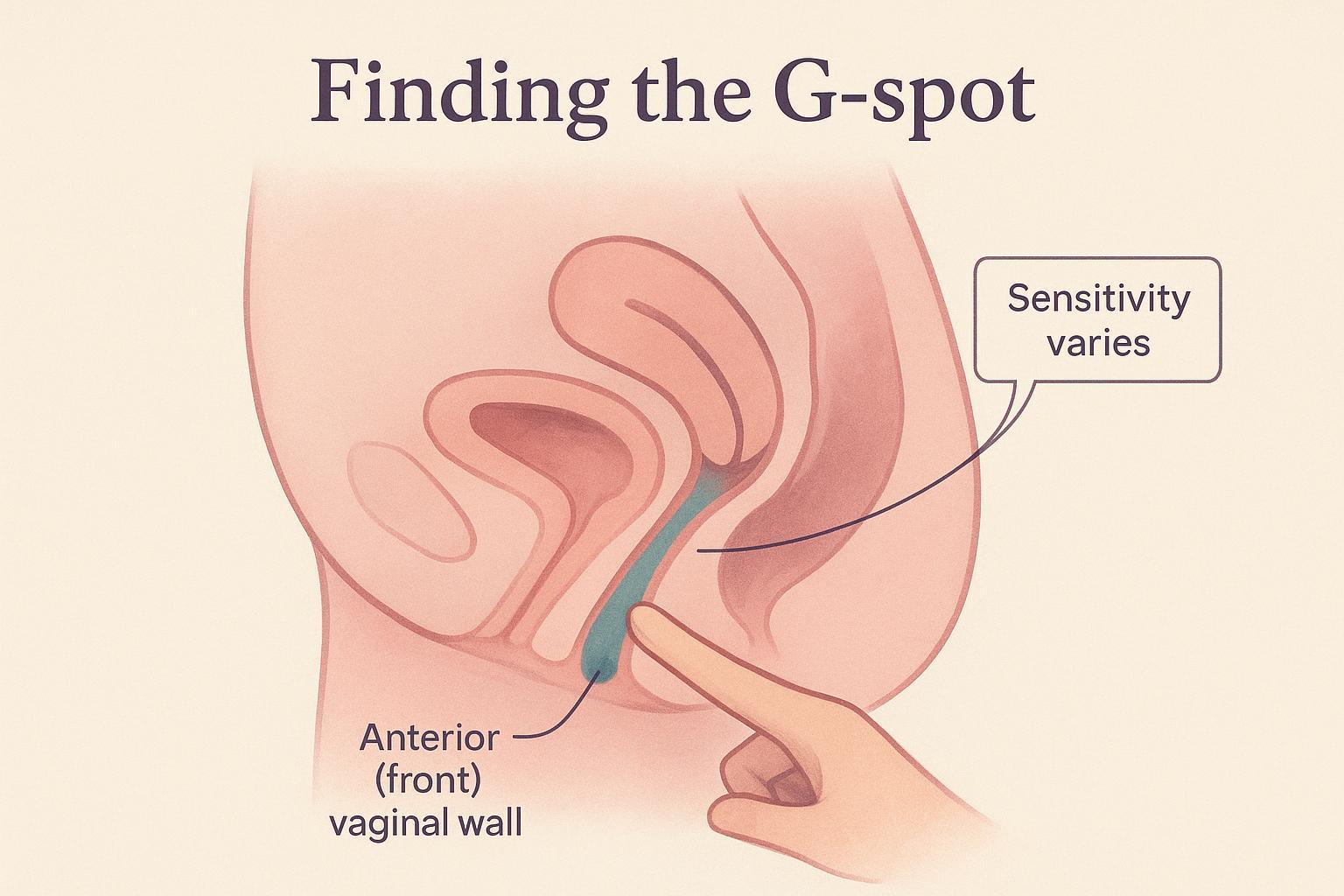
Clinicians also note a pelvic floor component. Gentle contraction and release across the pelvic muscles can improve awareness and sometimes function, though evidence is still emerging. In practical terms, self‑pleasure may offer a low‑pressure way to learn your arousal patterns, preferences, and sensitivity—insights that often reduce anxiety in partnered intimacy.
For more accessible summaries of brain effects, see Healthline’s overview of masturbation and the brain (2024). For clinical framing of orgasm physiology, the Cleveland Clinic’s orgasm explainer provides a helpful foundation.
Mental well‑being: self‑pleasure health benefits for mood, stress, and sleep
Self‑pleasure health benefits for mental health show up in everyday life. Many men report feeling calmer and more positive after self‑pleasure, and neurobiology offers context (dopamine and oxytocin). Treat this as a tool you can use proactively—before a tense conversation or after a stressful day.
Sleep is nuanced. Surveys find many adults perceive better sleep after orgasm, while objective studies are mixed. The takeaway: if post‑orgasm drowsiness helps you fall asleep, use it as a personal aid; don’t rely on it as a universal fix. These self‑pleasure health benefits should be framed as supportive, not prescriptive.
Case vignette A (composite): Marcus, 36, felt wired after late‑night work. He started a simple bedtime routine: warm shower, five minutes of slow, mindful self‑stimulation with water‑based lubricant, and deep breathing after orgasm. He noticed his mind stopped racing, and sleep onset improved. He framed this as self‑care—not a secret or a substitute for intimacy—and talked with his partner about it. The conversation reduced tension and normalized the practice.
Physical self‑pleasure health benefits: pain relief, pelvic function, and prostate context
Some individuals report headache or menstrual cramp relief after orgasm—likely due to endorphins and muscle relaxation. While large randomized trials are sparse, reputable clinical explainers recognize pain relief as a possible self‑pleasure health benefit for some.
Pelvic and sexual function: Vibrator use and self‑exploration can increase blood flow, awareness, and arousal confidence. A 2024 review notes associations between vibrator use and aspects of sexual function in some populations; evidence is promising but still developing. Keep expectations realistic and keep the focus on sustainable self‑pleasure health benefits rather than quick fixes.
Prostate health: Observational cohort data suggest that higher ejaculation frequency is associated with lower prostate cancer risk. Importantly, association does not prove causation, and no medical body recommends a specific “dose.” The pragmatic message: if self‑pleasure is comfortable and fits your life, regular ejaculation is a reasonable part of sexual wellness for many men. For context, see the PMC overview of ejaculation frequency and health and the Cleveland Clinic’s ejaculation & prostate health explainer.
Safety caveats: If you experience persistent pain, bleeding, or distress related to self‑pleasure, consult a clinician. Prioritize hygiene and compatible lubricants to reduce irritation and infection risk.
Self‑pleasure in relationships: respect, consent, and communication
Here’s the deal: in a relationship, self‑pleasure can be a bridge, not a barrier. The key is transparency and consent.
Communication checklist (Ask–Agree–Adjust): Use this simple flow as a paragraph, not a rigid list. First, ask with an “I” statement—share your intention and how self‑pleasure health benefits support your stress and mood (e.g., “I’d like to talk about how self‑pleasure helps my stress and how we can make space for it together”). Then agree on boundaries, privacy, and whether to include devices; confirm a stop‑word for any activity (“red means pause”). Finally, adjust by starting small, checking in afterward, and iterating based on comfort. This conversational approach keeps respect central.
Case vignette B (composite): Theo, 40, noticed desire mismatch with his partner after the birth of their child. He reframed self‑pleasure as pressure relief rather than a rejection. Together they set a weekly check‑in, added mutual masturbation to their repertoire, and agreed on privacy windows. Their satisfaction improved, and resentment faded.
For foundational advice on first devices, see vibrators for beginners and choose your first vibrator.
Using vibrators in relationships: self‑pleasure health benefits in practice
Integrating devices can make arousal experimentation easier and lower performance pressure. Keep safety and consent front and center.
Body‑safe materials and lubrication: Prefer non‑porous materials (e.g., medical‑grade silicone) and verify labels. Use water‑based lubricants with silicone toys; avoid oil‑based lubes with latex condoms. Silicone lubes may degrade silicone toys—check manufacturer guidance.
Hygiene essentials: Wash toys after every use with warm, mildly soapy water; dry thoroughly; store clean and dust‑free. If sharing toys, place a fresh condom over the toy and change it between partners and body sites. See NHS‑aligned guidance from SH:24’s how to clean sex toys and KissSelf’s clean and sanitize your sex toys.
Practical examples (neutral, illustrative):
- External stimulation tool: A clitoral suction vibrator with flapping vibration can be used to provide focused external stimulation during partnered play (e.g., during intercourse or mutual masturbation). Start on low settings; agree on signals.
- Heated blended‑stimulation option: A heated realistic dildo rabbit vibrator offers warmth and dual stimulation. Introduce it during extended foreplay; use ample water‑based lube; keep communication open.
Case vignette C (composite): Jamal, 33, noticed mild irritation after shared toy use. He realized they’d switched from anal to vaginal play without changing the condom on the toy. After reviewing cleaning guidance and adding the condom‑swap step, the irritation resolved, and confidence returned.
For step‑by‑step techniques that support self‑pleasure health benefits, see using vibrators for enhanced orgasms.
Step‑by‑step practice: solo, shared, and troubleshooting
Solo practice (self‑knowledge framework):
- Set an intention (relaxation, learning sensitivity, edging practice).
- Prepare the environment (privacy, music, shower, lubricant).
- Explore pressure, speed, and rhythm; try edging (build, pause, resume).
- Aftercare: clean devices, hydrate, brief notes on what felt good.
Partner practice (consent‑forward): Talk outside the bedroom to agree on goals and boundaries; begin with outercourse like mutual masturbation and external stimulation; add devices slowly, starting with low intensity while maintaining a stop‑word; debrief afterward and adjust for comfort and safety. This flow keeps consent and self‑pleasure health benefits aligned.
Troubleshooting common issues:
- Sensitivity/numbness: Avoid prolonged high pressure or intense settings; take breaks.
- Dryness or friction: Use more lubricant; consider a different lube type compatible with toys/condoms.
- Anxiety or performance worries: Reframe toys as team tools; slow down and focus on sensation.
- Irritation/infection concerns: Review cleaning steps; use condoms on shared toys; seek medical advice for persistent symptoms.
For solo ideas tailored to men, explore male masturbation techniques.
Myths and facts about self‑pleasure health benefits
- Myth: Masturbation causes low testosterone. Fact: There’s no evidence of long‑term harm to testosterone from normal self‑pleasure; levels fluctuate naturally day‑to‑day.
- Myth: Self‑pleasure ruins relationships. Fact: With consent and open conversation, it often improves satisfaction by reducing pressure and increasing self‑knowledge.
- Myth: You can’t get STIs from toys. Fact: Sharing unclean toys can spread infections; use condoms on shared toys and clean between uses (NHS/SH:24 guidance).
- Myth: More ejaculation always equals better prostate health. Fact: Studies show an association, not a guaranteed protective effect; choose what’s comfortable and sustainable.
Visual aids and media
Watch a clinician’s overview of self‑pleasure health benefits and misconceptions:
Urologist’s talk on masturbation and health (Dr. Rena Malik, MD)
FAQs: self‑pleasure health benefits and respectful practice
- What are the main self‑pleasure health benefits men should know? Stress relief, improved mood, perceived sleep support, sexual function insights, and observational links to prostate health. See Cleveland Clinic’s masturbation facts & benefits and the PMC ejaculation frequency overview.
- Does masturbation lower prostate cancer risk? Cohort studies show an association between higher ejaculation frequency and lower risk, but causation isn’t proven. No prescribed “dose.” Consider regular ejaculation if it’s comfortable and aligns with your life.
- Can self‑pleasure harm testosterone or fertility? There’s no evidence of long‑term harm from typical self‑pleasure. If you notice persistent pain or fertility concerns, consult a clinician.
- Is it okay to masturbate in a relationship? Yes—many couples find it helpful. Make space for boundaries and shared practices (mutual masturbation, external stimulation), and keep communication open.
- How can I introduce a vibrator to my partner respectfully? Use the Ask–Agree–Adjust framework, start with external devices, and set a stop‑word. See vibrators for beginners.
- What’s the safest way to clean toys and avoid STIs? Wash toys after use, use condoms on shared toys, and change condoms between body sites/partners. Follow SH:24’s how to clean sex toys and KissSelf’s clean and sanitize your sex toys.
- Which lubricants are safe with condoms and silicone toys? Use water‑based or silicone‑based lubes with latex condoms; avoid oils with latex. Prefer water‑based lubes on silicone toys. Check manufacturer guidance.
- When should I see a clinician? Seek help for persistent pain, bleeding, distress, or signs of infection. A sexual‑health clinic or urologist can offer tailored guidance.
Self‑pleasure, practiced respectfully, can support mental and physical health while strengthening relationships. Use evidence‑informed habits, communicate openly, and keep safety front and center. If you’re ready to explore, start small, learn together, and apply the frameworks above to make self‑pleasure health benefits part of your shared wellness.