Dildos come in an overwhelming array of sizes, shapes, and materials, which can make choosing your first one feel confusing. From realistic dildos that mimic natural anatomy to fantasy-shaped options like dragon dildos, the variety available today serves different preferences and experience levels. Due to this wide selection, many beginners struggle to know where to start.
We created this guide to walk you through everything you need to know about dildos in 2026. We’ll cover the best dildos for beginners, including silicone dildos, glass dildos, vibrating dildos, and anal dildos. What is more, we’ll help you understand how to choose the right size (including thick dildos), use them safely and comfortably, and maintain them properly. Whether you’re exploring solo or with a partner, this guide provides practical information to help you make confident decisions.
What Are Dildos and Different Types Available
A dildo is a phallic-shaped object designed for sexual pleasure through penetration, though modern designs extend far beyond traditional penis shapes. The earliest discoveries date back 28,000 years, making them among the oldest sex toys. Dildos typically have no mechanical function and can be used vaginally, anally, or orally, whether solo or with partners.

Realistic Dildos
Realistic dildos mimic the appearance and feel of an actual penis, featuring details like veins, ridges, defined heads, and sometimes testicles. Many are made from Thermoplastic Elastomer (TPE) or Polyvinyl Chloride (PVC), which create a soft, lifelike texture. Some manufacturers use dual-density materials with a softer outer layer over a firmer core to simulate real skin and muscle. Higher-end models are molded from real-life models or hand-painted to enhance anatomical accuracy.
Silicone Dildos
Silicone dildos represent the gold standard in body-safe materials. Medical-grade or platinum-cure silicone is non-porous, hypoallergenic, and free from phthalates and BPA. This material warms to body temperature and comes in five hardness levels ranging from Shore 00-30 (super soft) to Shore A30 (extra firm). Silicone’s flexibility allows it to bend and adapt to your body while maintaining durability.
Glass Dildos
Glass dildos are crafted from borosilicate glass, the same material used in laboratory equipment. This tempered glass is non-porous, hypoallergenic, and shatter-resistant when properly manufactured. Glass excels at temperature play since you can warm it in water or cool it in the refrigerator. The firm, smooth surface provides friction-free gliding and intense, focused stimulation.
Vibrating Dildos
Vibrating dildos combine penetration with motorized stimulation, averaging four to six inches in length. They operate on batteries or rechargeable power and come with multiple speed settings and vibration patterns. These dildos can be used internally for G-spot or P-spot stimulation, or externally on the clitoris.
Dragon Dildos and Fantasy Shapes
Dragon dildos and fantasy-shaped toys feature imaginative designs inspired by mythical creatures, complete with scales, ridges, and unique textures. These toys often include distinctive features like knots near the base that create intense stretching sensations. Fantasy dildos are engineered for pleasure rather than realism, with exaggerated curves and textures designed to target specific internal pleasure points.
Anal Dildos
Anal dildos are specifically designed with safety features for anal penetration. The defining characteristic is a flared base that prevents the toy from being fully inserted into the body. These dildos typically have slimmer, tapered tips for easier entry and come in smooth or textured designs. Materials include body-safe silicone, glass, and stainless steel.
How to Choose Your First Dildo
Selecting your first dildo requires balancing personal comfort with practical features. We’ll break down the four most important factors to guide your decision.
Consider the Size (Including Thick Dildos)
Start with smaller dimensions if you’re new to penetration. A comfortable beginner range includes 4 to 6 inches of insertable length and 1 to 1.3 inches in diameter. Girth affects sensation more than length. Measure these dimensions on a ruler to visualize what feels manageable.
If you’ve comfortably used fingers during solo play, match your dildo width to that experience. One or two fingers equals roughly 1 inch diameter. Three fingers suggests you can handle 1.5 inches. Thick dildos beyond 1.5 inches work better after you’ve built up experience.
Pick the Right Material
Silicone stands as the safest choice. Medical-grade silicone is non-porous, hypoallergenic, and bacteria-resistant. Glass and stainless steel also qualify as body-safe, offering firm pressure and temperature play options.
Avoid jelly, rubber, PVC, and TPE materials. These are porous, trap bacteria, and often contain phthalates linked to health risks. Even with thorough washing, porous materials cannot be fully sanitized.
Decide on Shape and Texture
Straight dildos provide versatility for general penetration. Curved designs target the G-spot or prostate specifically. Smooth surfaces suit beginners, while textured options with ridges create additional stimulation once you know your preferences.
Realistic shapes mimic penises with veins and defined heads. Abstract designs focus purely on sensation without anatomical detail.
Set Your Budget
Budget-friendly dildos cost USD 10 to USD 50 but often use lower-quality materials. Mid-range options between USD 50 and USD 150 feature body-safe silicone, rechargeable power, and durable construction. Luxury dildos exceed USD 150 and deliver premium materials like medical-grade silicone or gold-plated metal.
Accordingly, investing USD 50 or more ensures body-safe materials and longevity.
How to Use a Dildo Safely and Comfortably
Proper preparation and technique make the difference between frustrating and pleasurable experiences with dildos.
Preparing Your Dildo Before First Use
Wash your dildo with warm water and mild, fragrance-free soap before initial use. This removes manufacturing residue, dust, and bacteria that accumulate during storage and shipping. Rinse thoroughly to eliminate soap residue, then air-dry or pat with a lint-free towel. Dildos made from silicone, glass, and stainless steel can be washed this way safely.
Choosing and Applying Lubricant
Water-based lubricants work with all toy materials and clean easily. For silicone dildos, avoid silicone-based lubes since they degrade the material over time. Apply a generous amount (roughly the size of a ten pence coin) to both the dildo and your body. Warm the lube between your hands before application to avoid temperature shock.
Solo Play Techniques
Spend time on arousal before penetration through erotica, fantasies, or clitoral stimulation. Once aroused, place the dildo tip at the entrance and apply gentle pressure. Insert slowly, pausing to add more lube as needed. Experiment with different angles by rotating the dildo or adjusting your hips.
Using Dildos with a Partner
Allow your partner to control the dildo while you guide them verbally. Suction cup dildos can be mounted on surfaces for hands-free play during partnered activities. Communicate continuously about depth, speed, and comfort.
Cleaning, Storage, and Safety Precautions
Hygiene practices extend the lifespan of your dildos and prevent infections. Wash your dildo before and after every use to remove bodily fluids, lubricant, and bacteria.
How to Clean Your Dildo After Each Use
Wash with warm water and mild, fragrance-free soap for all materials. Scrub gently, rinse thoroughly, then air-dry completely before storage. Non-motorized silicone, glass, and stainless steel dildos can be boiled in water for 3 to 5 minutes for deeper sanitization. For battery-operated toys, remove batteries first and wipe with a damp soapy cloth without submerging. UV sterilizers offer an alternative cleaning method that sanitizes in three minutes.
Proper Storage Methods
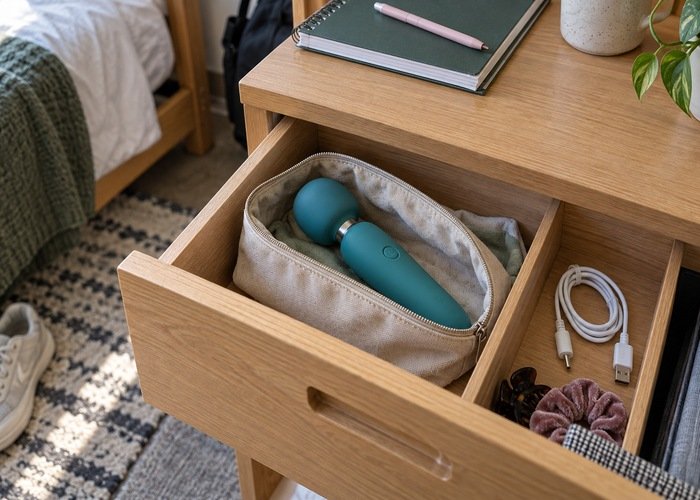
Store dildos in a cool, dry location away from direct sunlight. Use breathable fabric bags made of silk, satin, or microfiber rather than plastic bags, which trap moisture and promote bacterial growth. Separate toys by material since different materials can react chemically and damage each other’s surfaces. Remove batteries from motorized toys between uses to prevent corrosion.
Important Safety Tips
Never switch between anal and vaginal use without thorough cleaning, as this transfers harmful bacteria. Avoid porous materials like jelly rubber and PVC, which harbor bacteria even after washing.

When to Replace Your Dildo
Replace your dildo immediately if you notice cracks, tears, discoloration, persistent odors, or sticky surfaces after cleaning. These signs indicate material breakdown that creates bacterial reservoirs. Porous materials should be replaced every 3 to 6 months. When motors weaken, vibrations change, or batteries fail to hold charge, replacement becomes necessary.
Conclusion
Choosing your first dildo doesn’t have to feel overwhelming. As a matter of fact, the key factors are straightforward: start small, prioritize body-safe materials like silicone or glass, and use plenty of lubricant. We’ve covered everything from realistic dildos to fantasy shapes, along with proper cleaning and storage methods.
Whether you’re exploring solo or with a partner, these guidelines give you the foundation to make confident choices. Take your time experimenting with different sizes and textures to discover what works best for your body.
FAQs
Q1. What size dildo should a beginner start with?
Beginners should start with a dildo that has 4 to 6 inches of insertable length and 1 to 1.3 inches in diameter. If you’ve comfortably used one or two fingers during solo play, look for a dildo around 1 inch in diameter. It’s better to start smaller and work your way up, as girth affects sensation more than length.
Q2. What is the safest material for a dildo?
Medical-grade silicone is the safest material for dildos because it’s non-porous, hypoallergenic, and bacteria-resistant. Glass and stainless steel are also body-safe options. Avoid porous materials like jelly rubber, PVC, and TPE, as they trap bacteria and often contain harmful phthalates that cannot be fully sanitized even with thorough washing.
Q3. Do I need to use lubricant with a dildo?
Yes, using lubricant is essential for comfortable and safe dildo use. Apply a generous amount (roughly the size of a coin) to both the dildo and your body. Water-based lubricants work with all toy materials, but avoid silicone-based lubes with silicone dildos as they can degrade the material over time.
Q4. How do I clean my dildo properly?
Wash your dildo before and after every use with warm water and mild, fragrance-free soap. Rinse thoroughly and air-dry completely before storage. Non-motorized silicone, glass, and stainless steel dildos can be boiled for 3 to 5 minutes for deeper sanitization. For battery-operated toys, wipe with a damp soapy cloth without submerging them in water.
Q5. When should I replace my dildo?
Replace your dildo immediately if you notice cracks, tears, discoloration, persistent odors after cleaning, or sticky surfaces. These signs indicate material breakdown that can harbor bacteria.