Sexual experiences are special and different for every person, and exploring various sex positions can enhance these experiences. People may have unique needs or likes, and that’s totally fine. It’s important to include everyone so they feel happy and connected. For people with disabilities, intimacy might seem tricky, but it doesn’t have to be. Research shows many women with disabilities are sexually active but face challenges sharing their feelings. This can impact their relationships and happiness. Learning and using tools for sexual health, including different sex positions, can help remove these challenges. It can also boost mental health and physical well-being. Trying new, adaptable sex positions can bring partners closer and make intimacy more fun.
Key Takeaways
- Trying different positions can bring partners closer and improve connection.
- Talking openly about wants and boundaries builds trust and strengthens relationships.
- Using items like pillows or wedges can make things more comfy and fun.
- Changing positions to fit mobility issues or pain helps avoid discomfort.
- Trying new tools or ideas can make intimate moments more enjoyable and satisfying.
Understanding Challenges and Misconceptions
Common Physical Challenges
Mobility Limitations
Mobility problems can make some sex positions hard or impossible. For instance, women with disabilities often struggle with traditional positions due to limited movement or balance. Studies show these issues can cause frustration and feelings of failure, which may hurt intimacy. Pain during sex is another common problem, especially for those with joint or muscle conditions. These challenges can make you feel distant from your partner, but learning to adapt can help.
Chronic Pain or Fatigue
Living with constant pain or tiredness can make intimacy feel tough. Physical discomfort or being too tired might stop you from enjoying sexual activities. Research shows these struggles often prevent people from exploring their desires, which can harm relationships. But by picking positions that ease strain and pressure, you can make the experience more comfortable and fun.
Misconceptions About Sex and Disabilities
Addressing Stigma and Stereotypes
Many people wrongly think those with disabilities are not sexual. This false belief can make you feel unseen or unworthy of intimacy. A study by Shah (2017) found that society often assumes people with disabilities don’t have sexual lives. These wrong ideas block meaningful relationships and can cause loneliness. It’s important to challenge these views and see sexuality as a natural, joyful part of life.
| Evidence Type | Description |
|---|---|
| Misconception | People with disabilities are often seen as non-sexual. |
| Study Reference | Shah, 2017 shows how society spreads these false beliefs. |
| Barriers | Carew, 2017 explains how these ideas harm sexual relationships. |
| Healthcare Issues | Holdsworth, 2018 says healthcare often ignores sexual needs. |
| Health Benefits | Okoro, 2016 highlights how sex improves health and relationships. |
Emphasizing the Importance of Communication
Talking openly is key to breaking misconceptions and building closeness. Sharing your needs and limits with your partner can help you both feel closer. Many people with disabilities find it hard to express their desires because of societal judgment. But honest talks can remove these barriers and build trust. Remember, your feelings matter, and sharing them can make your relationship stronger.
Tip: Start small. Share your thoughts in a safe, calm space to feel more confident talking about intimacy.
Accessible Sex Positions for Different Needs
Positions for Limited Mobility
Modified Missionary
This position is great for those with limited movement. Lie on your back while your partner kneels or sits between your legs. Use pillows or wedges under your hips for extra comfort. This helps reduce back strain and makes moving easier. It’s a simple way to enjoy closeness without too much effort.
Sit & Stroke
This works well if standing or lying down is hard. One partner sits on a sturdy chair or bed edge, and the other straddles their lap. This allows for close contact with little movement. It’s helpful for couples where one partner has trouble moving their legs or hips.
Tip: Choose a chair with armrests for better support and stability.
Positions for Managing Fatigue
Spooning
Spooning is when both partners lie on their sides facing the same way. It’s great for tiredness because it needs very little energy. You can enjoy gentle movements and feel close to your partner. This position also lets you explore other sensitive areas, making it versatile.
Reclined or Supported Positions
In these positions, one partner lies back on a couch or bed. The other partner engages from a relaxed angle. Adding pillows or wedges helps keep a comfortable posture. These are perfect for saving energy and reducing physical effort.
Positions for Chronic Pain
Adaptive Missionary
This is a comfy version of the classic missionary position. Place a pillow or wedge under your hips to ease pressure on your back and joints. This makes penetration less painful and more enjoyable for those with chronic pain.
Positions That Reduce Pressure on Joints
For joint pain, try positions that spread weight evenly. For example, the sideways 69 position lets both partners lie on their sides, easing strain on hips and knees. Another option is a wheelchair-friendly position where one partner sits at the bed’s edge while the other kneels or stands.
| Position Name | Instructions | Who Benefits |
|---|---|---|
| Control Position | Partner with limited mobility sits on the bed; other straddles their waist. | Couples with one partner having limited mobility. |
| Spooning or Side-lying | Both partners lie on their sides; one wraps a leg over the other. | Pregnant women, individuals with obesity, lower back pain, arthritis, and chronic pain. |
| Modified Doggy-Style Position #1 | Partner in wheelchair moves to bed edge; other partner lowers on top. | Wheelchair-bound partners and those with hip pain. |
| Sideways 69 | One partner lies on their side; the other faces them. | People with weak or stiff hips, arthritis, or fragile joints. |
Note: Always talk with your partner to find what feels best. Trying new positions can help you connect and enjoy intimacy in fresh ways.

Positions for Sensory Sensitivities
Gentle, Slow-Paced Positions
If you’re sensitive to touch, gentle positions can help. These moves focus on comfort and connection without stress. For example, lying side by side while facing each other feels relaxing. You can control how fast or slow things go. This helps you stay comfortable and aware of your body. Another option is the lotus position. One partner sits cross-legged, and the other sits on their lap. This position encourages eye contact and slow movements, making you feel closer.
Tip: Use dim lights or soft music for a calm setting. A peaceful space can make intimacy more enjoyable.
Positions That Allow for Sensory Control
Some positions let you manage how much sensation you feel. For example, the seated straddle position gives you control over speed and depth. One partner sits on a sturdy chair while the other straddles them. This makes it easy to adjust and avoid feeling overwhelmed. Another option is spooning, where you can decide how much contact feels right.
| Evidence Point | Description |
|---|---|
| Customized Programs | Special sex education programs help autistic people understand better. |
| Concrete Examples | Clear examples make learning easier for those with autism. |
| Sensory-Friendly Environment | Quiet spaces with soft lighting improve learning and comfort. |
Oral Sex Adaptations
Techniques for Wheelchair Users
Oral sex can be enjoyable with small changes. If you use a wheelchair, positioning is important. Try sitting at the bed’s edge while your partner kneels or sits on a cushion. This setup keeps both partners comfortable. You can also use a reclining wheelchair to find the best angle. Talk with your partner about what feels good for you.
Adjustments for Comfort and Pleasure
Comfort is key for enjoying oral sex. Pillows or wedges can help you stay relaxed. If you have neck or back pain, lying on your side might work better. This reduces strain and makes the experience more pleasant. The goal is to find what feels best for both of you.
Note: Try different setups to see what works. Small changes can make a big difference in comfort and enjoyment.
Tools and Techniques to Enhance Intimacy
Using Supportive Devices
Pillows and Wedges for Support
Using pillows or wedges can make intimacy more comfortable. A pillow under your hips or back helps you find the right position. Wedges are firmer than regular pillows and give better support. They reduce strain and help if you have trouble moving or feel discomfort.
- Benefits of Supportive Devices:
- Make you feel more stable and at ease.
- Reduce pressure on sensitive spots.
- Help with positioning, especially if you lack strength.
Trying these tools can help you and your partner feel better. Cushioned options lower friction and pressure, so test different setups to see what works.
Adjustable Furniture or Harnesses
Furniture like reclining chairs or adjustable beds can help a lot. These let you change positions easily, making intimacy more fun and accessible. Harnesses can also give extra support, helping you stay steady. They’re great for trying positions that might feel hard otherwise.
Tip: Choose furniture or tools made for comfort and flexibility. They can improve your experience greatly.
Incorporating Sex Toys
Vibrators and Other Assistive Devices
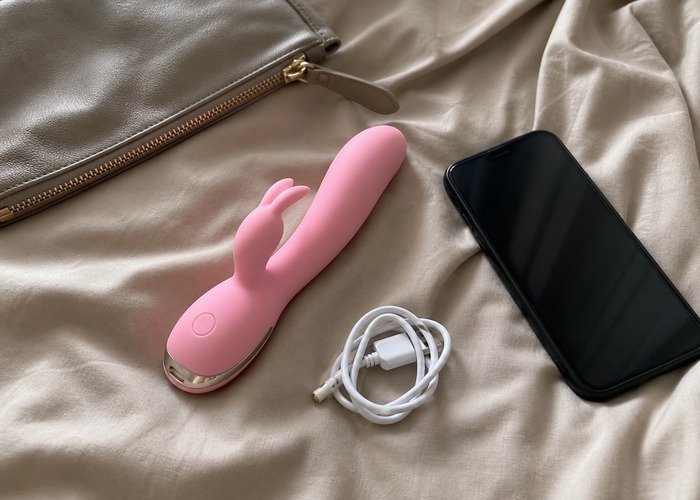
Sex toys are not just for fun—they can be very helpful. Vibrators are popular, with over half of U.S. women having tried one. Studies show they improve arousal, orgasms, and satisfaction. For people with disabilities, these tools can help overcome physical challenges.
Assistive sex toys often have features like big buttons or remotes. These make them easier to use so everyone can enjoy them. Whether you’re exploring new things or enhancing your experience, these devices can be life-changing.
Remote-Controlled Toys for Ease of Use
Remote-controlled toys are easy and exciting to use. You or your partner can adjust the settings without moving much. This is helpful if you have trouble with movement or grip. Plus, they’re a fun way to try new sensations together.
Fun Fact: By 2022, 80% of women said they used vibrators during intimacy, showing how common and helpful they are.
The Role of Foreplay
Building Connection and Trust
Foreplay is more than just a warm-up—it builds trust and closeness. Spending time kissing, touching, or laughing together can make your bond stronger.
Callout: Did you know? Foreplay releases oxytocin, a hormone that boosts emotional connection.
Exploring Non-Penetrative Intimacy
Intimacy doesn’t always need penetration. Activities like massages, cuddling, or using toys can feel just as good. These moments let you focus on each other’s needs in a relaxed way. They’re also a chance to discover what feels best without pressure.
Tip: Talk openly. Share what you like and listen to your partner to make foreplay more special.
Specialized Tools for Accessibility
IntimateRider for Smooth Movements
Do you want a tool to make intimacy easier? The IntimateRider could be the answer. This special chair helps you move naturally during sexual activities. Its gentle swinging motion lowers the effort needed, which is great if you have limited mobility or pain.
The best thing? You stay in charge. You can change the speed and rhythm to suit your comfort. This lets you focus on bonding with your partner without feeling strained. Also, its small size makes it simple to store when not in use.
Tip: Use the IntimateRider with cushions or wedges for added comfort and flexibility.
Other Helpful Tools
There are many tools made to make intimacy easier and more enjoyable. These aids are designed for different needs, so you can find what works best for you.
- Vibrators and Dilators: These tools boost pleasure and improve sexual health. They’re useful for people with arthritis or nerve issues. Postmenopausal women also benefit as they help with vaginal health and orgasms.
- Positioning Aids: Things like harnesses, wedges, and pillows give support. They ease strain and help you try new positions comfortably.
- Furniture Adjustments: Reclining chairs or adjustable beds let you find angles and positions that feel good.
| Tool Type | Benefits |
|---|---|
| Vibrators & Dilators | Boost pleasure, improve orgasms, and support vaginal health. |
| Positioning Aids | Provide support, ease strain, and allow comfy positions. |
| Adjustable Furniture | Adds flexibility and helps find the best angles. |
These tools aren’t just about making things simpler—they make experiences better. They help you overcome challenges and focus on connecting with your partner.
Callout: Try different tools to see what works best. You deserve comfort and joy, no matter your situation.

Tips for Communication and Experimentation
Open Communication with Partners
Talking About Needs and Limits
Talking openly helps build trust and closeness with your partner. Share what you need and what feels uncomfortable. For example, if a position causes pain, let them know. Together, you can find what works best for both of you.
- Open talks improve intimacy for people with disabilities.
- Honest sharing avoids confusion and strengthens your bond.
- Solving issues early makes relationships feel safer and closer.
Tip: Use simple phrases like, “I feel better when…” or “Can we try this?” Small steps can make a big change.
Giving Feedback and Sharing Likes
Telling your partner what you like makes things better. Share what feels good and what could improve. This isn’t about blaming—it’s about learning together. Saying, “I loved when you did that,” encourages more of what you enjoy.
- Studies show open talks fight stigma and improve intimacy.
- Media and society can help make these talks feel normal.
Callout: Your likes matter. Sharing them helps your partner understand you better.
Adapting and Experimenting
Exploring New Positions and Tools
Trying new positions or tools can make intimacy fun and comfy. Tools like wedges or harnesses help you try positions that fit your needs. Many guides show how these tools make intimacy easier and better.
- Adaptive tools bring comfort and ease for people with disabilities.
- Good positioning makes experiences more enjoyable and fulfilling.
Fun Fact: Many people with disabilities look for adaptive tools, showing their importance for trying new things.
Being Patient and Open
Patience is important when trying something new. Not everything will work perfectly at first. Being flexible helps you adjust and find what feels right. Celebrate small wins and focus on enjoying time together.
Note: It’s okay if something doesn’t work right away. Keep trying and have fun exploring together.
Your path to closeness is personal, and that’s what makes it amazing. By trying and adjusting positions, you can find what suits you and your partner best. Don’t hesitate to be imaginative or explore new ideas. Each effort strengthens your bond.
Reminder: Talking openly is your greatest tool. Share your feelings, listen carefully, and grow together.
Happiness and connection are for everyone, no matter your abilities. With patience and some experimenting, you can create moments that feel perfect for you. So, take a step—explore the options and enjoy the experience! 😊
FAQ
What if I feel nervous about trying new positions?
Feeling nervous is okay! Start by changing small things in positions you know. Talk with your partner about how you feel. Take it slow and enjoy the moment. Remember, intimacy is about being close, not being perfect.
How can I make intimacy more comfortable with chronic pain?
Use pillows or wedges to ease pressure on sore spots. Try positions like spooning that spread weight evenly. Tell your partner what feels good or hurts. Even small changes can make things much more comfortable.
Are sex toys helpful for people with disabilities?
Yes, they are! Some sex toys are made for mobility or sensory needs. Vibrators, remote-controlled toys, and aids can make intimacy easier and more fun. Look at options together to find what works best for you.
How do I talk to my partner about my needs?
Pick a quiet, private time to share your thoughts. Use simple words like, “I feel better when…” or “Can we try this?” Be honest and kind. Talking openly helps build trust and brings you closer.
Can I still enjoy intimacy if I have limited mobility?
Yes, you can! Positions like Sit & Stroke or Modified Missionary are great for limited movement. Tools like wedges or adjustable furniture can help too. Focus on what feels good for both of you.