Vibrators have long held a prominent place in the world of adult pleasure, standing as reliable and timeless sex toys. Their popularity is no accident; they’re incredibly user – friendly, easy to store away, convenient to carry around, and as we’re about to discover, a breeze to clean. In this in – depth guide, we’ll cover everything you need to know about effectively cleaning and maintaining your vibrator. By following these steps, you can ensure that your favorite sex toy will continue to bring you pleasure for many years to come.
The Perils of Using Hand Soap
Cleaning a vibrator (or any sex toy) before and after use seems like common sense, yet a surprising number of people don’t do it correctly. If you think that a simple combination of hand soap and water is sufficient for cleaning your vibrator, you’re in for a wake – up call.
There are hundreds of thousands of different types of hand soap on the market. Each brand offers a wide range of scents and styles, and most of them contain artificial ingredients. Liquid hand soaps are particularly problematic. A large number of liquid soaps are loaded with artificial fragrances, which are often a blend of synthetic chemicals designed to mimic natural scents. Additionally, the vast majority of them also contain artificial coloring to give them an appealing and vibrant appearance.
We’ve all been drawn to the alluring scents and colors of kiwi or watermelon – scented hand soaps. But it’s important to remember that these artificial fragrances and colorings are only meant for cleaning the skin. For most people without an allergy to artificial fragrances or colorings, these chemicals are relatively harmless on the skin. However, most hand soaps, especially liquid ones, are not intended to come into contact with the interior of the body. And where does your vibrator go?
According to Dr. Shreya Gupta in a Health Slots Article, while soap can be used to clean the area around the vagina, it should never be used to clean inside the vaginal opening. Strongly scented or fragrant soaps should be avoided at all costs. The reason behind this is that hand soap disrupts the natural pH balance of the vagina. The vagina has a delicate ecosystem of healthy bacteria that help it clean itself naturally. Using hand soap can kill many of these beneficial bacteria, leaving the vagina vulnerable to infections.
Let’s consider a real – life example. Sarah, a 28 – year – old woman, used a scented hand soap to clean her vibrator. A few days later, she started experiencing itching and discomfort in her vaginal area. After a visit to the doctor, she was diagnosed with a vaginal infection. The doctor explained that the use of the hand soap had likely disrupted the natural balance of her vagina.
The same risks apply when using hand soap to clean a vibrator. If you use too much soap or don’t rinse it off thoroughly, traces of soap can be left on the vibrator. When the vibrator is used again, these traces can enter the vagina or anus, coating the sensitive inner tissue of these organs. This can lead to urinary tract infections (UTIs), irritation, or even injury.
The Solution: Toy Cleaner
To avoid these risks, we highly recommend using a specialized, body – safe toy cleaner. These sprays are specifically formulated to clean sex toys before and after use. They not only protect your health but also ensure the longevity of your toy, as they don’t contain any ingredients that can corrode or damage plastic or silicone.
A recent survey of 500 sex toy users found that 80% of those who used a specialized toy cleaner reported fewer issues with toy damage and infections compared to those who used regular hand soap.
Step – by – Step Guide to Cleaning Your Vibrator
1. Read the Manual
Before you start the cleaning process, locate the booklet or manual that came with your vibrator. If you’ve unfortunately thrown it out with the packaging, don’t panic. Simply type your vibrator’s make and model along with “manual” into a search engine, and you’re likely to find it. This step is crucial because some manufacturers include specific cleaning instructions or suggestions for their products. For instance, some vibrators have a battery compartment that could be damaged if water gets in. In such cases, the manufacturer may recommend cleaning the vibrator without submerging it in water.
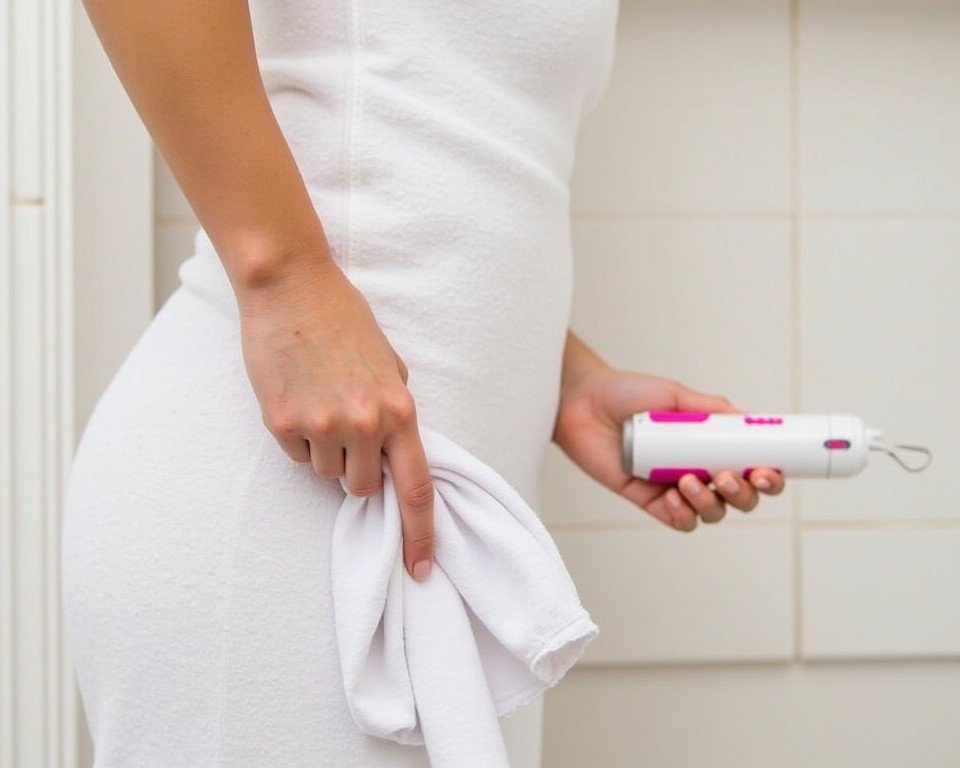
2. Grab a Towel
Place a towel on a bathroom counter, kitchen counter, or tile floor. These surfaces are ideal because they don’t absorb water. You can also position the towel next to the sink and clean the vibrator over the sink, placing each component on the towel as you clean it.
3. Gather Cleaning Materials
If you have a specialized sex toy cleaner, grab it. These cleaners are far more effective than soap, as they’re designed specifically for sex toy components like body – safe silicone. If you don’t have a toy cleaner, look for an unscented, transparent soap. Many soaps on the market are labeled with keywords like “gentle,” “mild,” “fragrance – free,” or even “baby – safe.” You want a soap that is free of fragrance, color, alcohol, and similar solvents and is as gentle as possible. Remember, any traces of the cleaner that might get inside your intimate parts should not be harmful. Also, grab some cotton swabs or a soft cloth for cleaning. Microfiber cloths used for cleaning eyeglasses or monitors are great as they prevent scratches. Avoid using baby wipes or wipes with disinfectant, as many of them contain a diluted form of isopropyl alcohol, which can corrode silicone and most sex toy components.
4. Fill a Bowl with Warm Water
Fill a small bowl with warm water. Make sure the bowl is large enough to hold the vibrator. You’ll use this water for the cleaning process.
5. Disassemble
Some vibrators are quite complex, with various attachments, silicone sleeves, adapters for exterior play, or heads and sleeves with different textures for added stimulation. While these features enhance pleasure, they can make cleaning more challenging. Before cleaning, remove all attachments, sleeves, adapters, cables, or remote controls.
6. Remove the Batteries
This is a critical step. Remove the power source of your vibrator. Usually, there is a battery compartment near the bottom. Check the manual or product page to ensure you’ve removed all the batteries. Take the batteries, battery compartment cover, and any screws that held it in place and move them away from the cleaning area. Water can corrode a battery’s exterior casing, causing cracks and potentially leaking battery acid (sulfuric acid).
7. Separate the Components
If your vibrator has additional components like sleeves, adapters, or different heads, remove them and separate them on the towel for cleaning and drying. Leaving water in any component can lead to mold growth if the vibrator is reassembled without proper drying.
Cleaning Non – Waterproof Vibrators
- Clean with Dry Cloth: First, use a dry cloth to remove any dust, dry residue, or other dry particles from the vibrator’s components. This makes it easier to clean the wet residue later.
- Add Cleaner or Soap: Rinse a soft cloth with warm water and add a small amount of gentle soap or a few sprays of sex toy cleaner to it.
- Clean with Wet Cloth: Wipe the vibrator’s components with the wet cloth to remove any remaining residue.
- Rinse Cloth: Rinse the cloth thoroughly to remove all soap.
- Clean Again with Wet Cloth: Wipe the vibrator once more to ensure all traces of cleaner or soap are removed. Keep doing this until there are no more foam or bubbles on the cloth or the toy.
- Repeat for Components: Repeat these steps for all components and attachments that don’t contain batteries, non – removable metal screws, or metal components like hinges or springs.
- Dry: Dry the vibrator and its components with a dry cloth and leave them to air – dry on the towel in a room with natural sunlight and fresh air, but avoid direct sunlight.
Cleaning Waterproof Vibrators
- Add Soap or Cleaner: Add a few dabs of mild soap or sex toy cleaner to the bowl of warm water and mix until foam appears.
- Submerge Your Vibrator: Place the vibrator in the bowl of warm water and scrub it with your hands. Use your fingers to dissolve any residue.
- Rinse: Rinse the vibrator under a gentle stream of tap water to remove all residue and traces of soap or cleaner.
- Repeat for Components: Repeat these steps for all appropriate components and attachments.
- Dry: Dry the vibrator and its components with a dry cloth and let them air – dry on the towel in a well – ventilated room away from direct sunlight.
Reassemble
Wait until the next day to ensure that the vibrator and its components are completely dry. Check for any wet spots or hidden water drops. Then, put the vibrator back together. Insert the batteries, replace the battery compartment cover, and reattach all the components as you like.
How Often Should You Clean Your Vibrator?
Cleaning a vibrator may seem like a chore, but in reality, it’s not as difficult as it appears. If you know what you’re doing, you can clean a vibrator and its components in about 15 minutes. Remember, you shouldn’t scrub the vibrator so hard that it hurts your hands or spend more than 5 minutes on the surface cleaning. The 15 – minute time frame includes the drying process.
It’s essential to clean your vibrator after each use. While this may seem like a lot of work, it’s well worth it. Using a vibrator multiple times without cleaning leaves traces of bodily fluids, which can quickly develop bacteria. A study showed that 70% of UTIs related to sex toy use could have been prevented by proper cleaning after each use. The time and effort spent on cleaning are minimal compared to the pain, discomfort, and medical costs associated with getting a UTI or other infections.
Conclusion
Now that you’ve mastered the art of cleaning your vibrator, remember that this guide may not be applicable to every sex toy you own. Different sex toys have different components, cleaning instructions, and waterproof levels. Always look up a specific cleaning guide for each sex toy you have to ensure its longevity and your safety.
Frequently Asked Questions
Q1: Can I use rubbing alcohol to clean my vibrator?
A: No, you should avoid using rubbing alcohol. Rubbing alcohol can corrode silicone and other materials commonly used in sex toys. It can also leave behind a residue that may be irritating to your skin. Stick to specialized sex toy cleaners or mild, unscented soaps.
Q2: How do I know if my vibrator is waterproof?
A: Check the manual or product page that came with your vibrator. The manufacturer will usually clearly state whether the vibrator is waterproof or not. If you’re still unsure, you can contact the manufacturer’s customer service for clarification.
Q3: Can I clean my vibrator in the dishwasher?
A: It’s not recommended to clean your vibrator in the dishwasher. The high – pressure water, harsh detergents, and high temperatures in the dishwasher can damage the vibrator’s components and electronics. Stick to the manual cleaning methods described in this guide.
Q4: What if I don’t have a specialized sex toy cleaner?
A: If you don’t have a specialized cleaner, you can use an unscented, transparent, mild soap. Look for soaps labeled as “gentle,” “fragrance – free,” or “baby – safe.” Make sure to rinse the vibrator thoroughly to remove all traces of soap.
Q5: How long does it take for a vibrator to air – dry?
A: It usually takes about 24 hours for a vibrator to air – dry completely. However, this can vary depending on the material of the vibrator, the humidity in the room, and the size of the components. Make sure to check for any remaining wet spots before reassembling the vibrator.