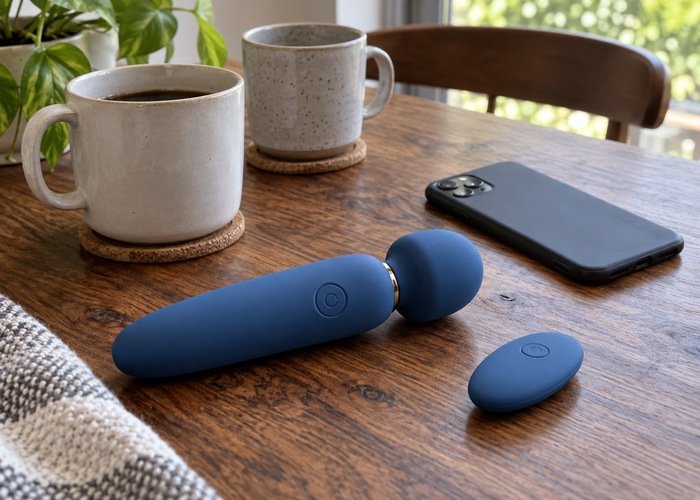
One of you is ready to talk over breakfast. The other needs an hour to feel awake. A better plan starts with the day you actually have.
Imagine this: by the time the house becomes quiet in the evening, one partner is ready for bed. The other has finally finished work and wants time together. On Saturday morning, their preferences seem to reverse. Nobody has changed their mind about the relationship; the available time simply does not feel the same to both people.
Morning or evening intimacy is a shared scheduling question. Choose a window when you both have enough energy, privacy, and freedom to say yes or no. There is no need to turn a preferred time into a rule, or to trade needed sleep for a plan that sounded appealing earlier.
Start with your routine rather than a perfect hour
A clock can tell you when work starts. It cannot tell you whether your partner feels relaxed, interested, or ready for company. Ask about ordinary patterns first: when does the day feel rushed, when is the home private, and when do you usually want to be left to rest?
Your body also has daily rhythms. The National Institute of General Medical Sciences explains circadian rhythms as changes across a roughly 24-hour cycle that influence functions including sleep patterns. Light and dark are important influences. This explains part of the background to daily routines; it does not identify a universally best hour for intimacy.
Ask about each other’s experience instead of assigning a preference based on gender, age, or whether someone calls themselves a morning person. Their answer today matters more than a label.

Compare the opportunities and the tradeoffs
Try describing the practical difference between your options. An unhurried morning on a day off is different from squeezing something in before an early commute. Evening time after dinner is different from waiting until one person is already falling asleep.
| Possible window | Check before making plans |
|---|---|
| Before work | Are you both fully awake, and is there enough time without rushing? |
| Earlier in the evening | Have work and household tasks ended, and do you actually have privacy? |
| Late evening | Would either person be giving up sleep or agreeing mainly to avoid disappointment? |
| A day off | Can you leave room for changing plans instead of filling the whole day? |
Keep the comparison personal. A window that works for another household may be unrealistic for yours. For questions about the physical setting itself, our guide to comfort, support, and communication covers a different part of the decision.
Keep sleep in the plan
It can be tempting to solve a timing mismatch by waking earlier or staying up later. First ask whether that leaves enough room for rest. The National Heart, Lung, and Blood Institute’s sleep guidance lists seven to nine hours for adults and recommends consistent sleep and wake times.
That guidance is about sleep health, not a promise that sleeping a certain number of hours will produce desire. If a proposed arrangement repeatedly leaves someone exhausted, choose a different window. There is no reason to treat lost sleep as evidence of commitment.
Shift work and caring responsibilities may mean your shared window falls outside the usual morning-or-evening choice. Discuss the practical availability you have, including a suitable time to talk when neither person needs to decide anything immediately.
Try a small plan that you can revise
Choose one possible window for the coming week and describe what it means. You might agree to spend time together without phones, then decide what you both want when that time arrives. Booking time together is not booking a particular activity.
Make the invitation easy to decline: Would some time together after breakfast suit you, or would another day feel better?
If you want help finding your own words, read our guide to talking about intimacy with a partner.
Afterward, ask one practical question: Was that a good time of day for you?
You may learn that more notice helped, that privacy was the real concern, or that the plan was simply too close to bedtime. Change one thing next time rather than creating a detailed performance scorecard.

If a toy is part of the plan allow time for the details
A new item can add preparation that is easy to overlook: reading instructions, understanding controls, charging, cleaning, and finding a suitable place to store it afterward. Consider those tasks before deciding that a short window is enough.
Our explanation of startup behavior and setting controls can help you compare the operating details. A remote is a control method, not permission for a partner to use it; agree on boundaries separately.
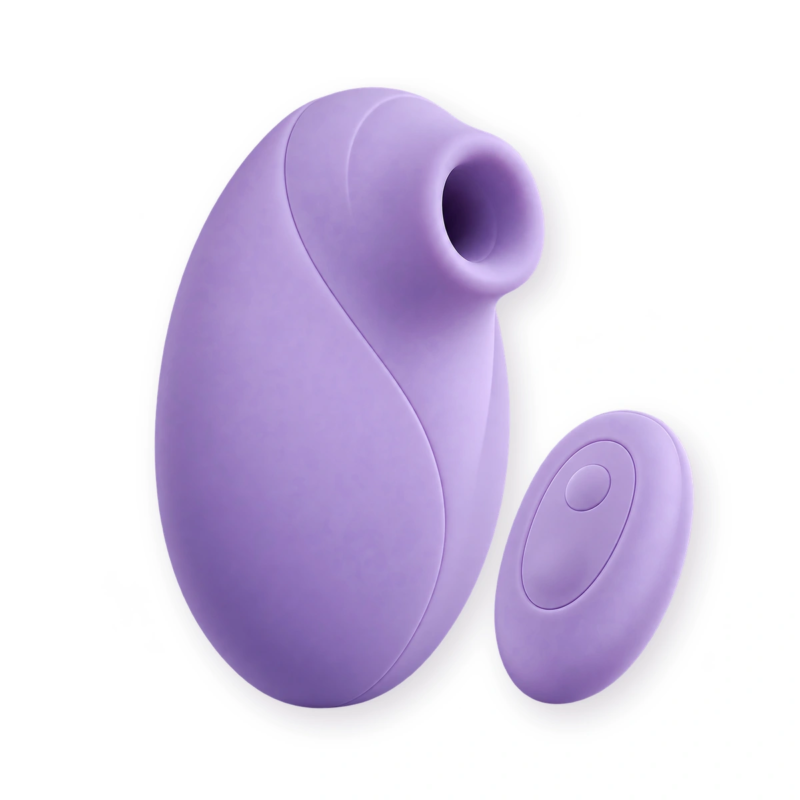
Compare alternatives in the KissSelf product comparison tool. Check model-specific instructions rather than assuming a listed feature will save time. Our guide to private storage and cleanup can help you think about ownership after the moment has passed.
Leave room for a no and for health questions
A time preference is not an obligation. Sexual Health Wirral explains that consent can be changed or withdrawn at any time. That remains true when you made plans yesterday or bought something together.
If you are concerned about a persistent change in desire, avoid assuming that the schedule explains everything. The NHS guidance on low sex drive describes several possible factors, including stress, relationship difficulties, medicines, and health conditions, and advises seeking help when you are worried. A timing experiment cannot diagnose the cause.
Questions about finding a shared time
A few answers before putting anything in the calendar.
Is morning intimacy better than evening intimacy?
There is no universal best time. Compare energy, privacy, responsibilities, and sleep needs, then ask what you both prefer. General body-clock information cannot decide what works for your relationship.
Does planning time together mean agreeing to sex?
No. An invitation creates an opportunity to spend time together, not an obligation. Either person can change their mind before or during an experience.
What if our work schedules rarely overlap?
Begin with the overlap you genuinely have, without sacrificing needed rest. A short conversation on a day off may be a useful starting point. Avoid treating every available window as something you must use.
Will a toy solve a difference in desire?
A product cannot guarantee interest or resolve a relationship concern. Include one only when you both want to consider it, with time to check the instructions, controls, and care requirements.
Choose a window and keep the conversation open
Choose around your actual day, protect time for rest, and make every plan revisable. For related questions about preferences and practical choices, browse Positions & Exploration at your own pace.
For adults 18+. General information, not individual medical advice. Original editorial illustrations show everyday relationship situations; product photographs show the listed item.