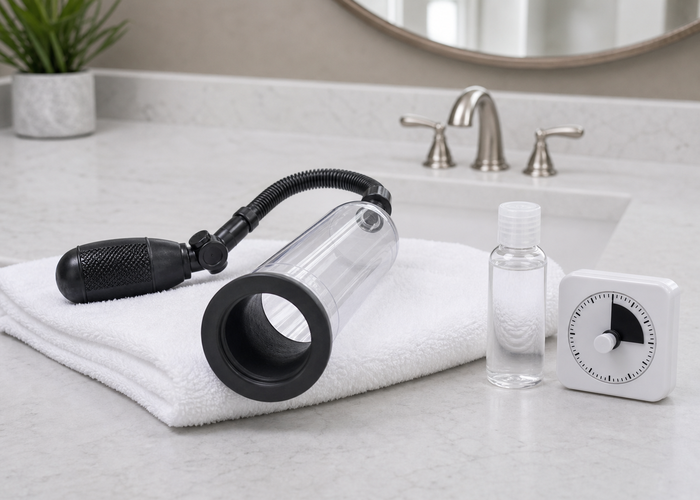
A penis pump can look simple: a cylinder, a pump, and sometimes a constriction ring. In practice, safe use depends on small details that buyers often skip when they compare listings. The difference between a useful device and a stressful one is rarely the headline claim. It is the presence of a vacuum limiter, how the base seals against the body, how easy it is to control pressure gradually, whether the ring fits without panic, and whether the user knows which warning signs mean stop immediately.
This penis pump safety checklist is written for readers who want a calm, realistic decision process before first use. Mayo Clinic’s overview of the penis pump as an erectile dysfunction device and MedlinePlus guidance on vacuum erectile devices both frame the device as something to use carefully, not as a force tool. That distinction matters. A pump works by drawing blood into the penis; it should never feel like something you have to overpower or “push through.”
If you already own one, use this article as a pre-session reset. If you are still shopping the KissSelf shop, use it to filter past dramatic marketing language and focus on control, cleanup, and fit. The goal is not to make a device sound dangerous. The goal is to make the user safer because they understand what normal setup feels like, what warning signs matter, and which features are worth paying for.
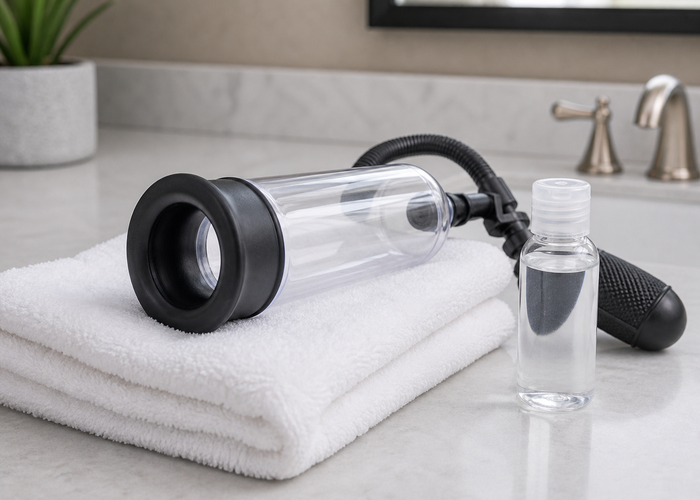
Why a checklist matters before the first session
Many beginners assume the main risk is “using too much pressure.” That is true, but it is too vague to help someone in the moment. What matters in real use is whether the device gives you ways to avoid that mistake in the first place. A vacuum limiter, a stable base opening, a simple release path, and a ring you can remove without panic all reduce the chance that a session turns into guesswork.
The FDA’s guidance for external penile rigidity devices treats these products as medical-style devices with safety expectations, not novelty items. That is a useful frame even when someone buys from a lifestyle store. You should expect a device to help limit excessive vacuum, to be made for body contact, and to be used with instructions that make gradual pressure possible. If the listing hides the safety feature list, that is already a reason to slow down.
Planned Parenthood’s safer sex guidance is also helpful because it reminds readers that the situation around the toy matters too: lube choice, barriers when sharing, and stopping when the body does not feel right. A pump should fit into a broader routine of body awareness, not override it.
Checkpoint 1: Verify the device type and the vacuum limiter
A vacuum limiter is one of the first features to verify because it helps keep negative pressure from escalating beyond a safer range. Medical News Today notes in its discussion of penis pump selection and use that a vacuum limiter is an important feature to look for when comparing devices. A limiter does not make a session automatically safe, but it gives the user a mechanical boundary that pure manual enthusiasm does not.
If a product page does not clearly mention a vacuum limiter, pressure control, or an easy release path, treat that omission seriously. A good listing should explain whether the device is manual or battery-powered, how pressure is reduced, and whether a user can release suction quickly with one hand. Buyers who already read our guide on fixing a penis pump that loses suction know that setup issues are common. The solution is not more force. It is a device that responds predictably.
UrologyHealth’s overview of erectile dysfunction treatment options describes a vacuum device as a controlled way to create an erection, usually followed by a constriction band when appropriate. Control is the key word. If a pump behaves like an all-or-nothing tool, the hardware is working against the user.
Checkpoint 2: Check the cylinder opening, base softness, and body seal
The cylinder has to seal against the body before pressure inside the tube can stay stable. If the opening is too hard, too narrow, too wide, or poorly finished, the user may instinctively press harder or reposition too aggressively. That can create discomfort before the session has even started. A soft gasket or body-friendly rim matters because it reduces the temptation to force the base down to “make it work.”
Seal quality also depends on body hair, skin dryness, and lubricant placement. A thin film of compatible lube around the rim may help the gasket sit more evenly, but flooding the base can make the whole device slide. For most pump routines, a moderate amount of water-based lube is the simplest place to start unless the device instructions say otherwise.
If you browse the KissSelf lube category or the existing troubleshooting guide for seal loss and cylinder fit, focus on how the base behaves, not on whether the device can generate stronger suction. A clean seal created with modest pressure is safer than a poor seal “rescued” by repeated pumping.
Checkpoint 3: Treat timing and constriction rings as safety issues, not performance upgrades
A constriction ring changes the session from “drawing blood into the penis” to “trying to maintain it for a period of time.” That shift deserves its own check. The ring should be simple to place, simple to remove, and appropriate for the device design. A ring that is too tight can create discomfort faster than a user expects, especially if the person is also new to vacuum pressure.
Cleveland Clinic’s explanation of vacuum constriction devices is useful here because it separates the creation of the erection from the use of the ring. That mental separation helps people make better decisions. First ask whether the pump pressure feels controlled. Only then ask whether a ring is even necessary for the session you have in mind. Beginners often benefit from learning the device first before turning every practice session into a full performance experiment.
If a ring is part of the plan, keep the removal path obvious. Do not hide scissors in another room. Do not tell yourself you will “figure it out.” Do not add alcohol, numbing products, or partner pressure to a first test. A calm session with a visible timer is more useful than a dramatic one.
Checkpoint 4: Know the stop signs before you start
Stop signs are easier to respect when you decide on them before the device touches the body. Pain, sharp pinching, spreading discoloration, numbness, bruising that seems to intensify, or a feeling that the ring cannot be removed calmly are all reasons to stop. The point is not to frighten the reader. The point is to keep the user from bargaining with symptoms in the moment.
MedlinePlus and Cleveland Clinic both emphasize that a vacuum device should be used as a controlled aid, not as a way to overpower discomfort. If something feels wrong, release pressure first and then assess. Do not add more suction in the hope that the feeling will “even out.” The body usually gets clearer, not quieter, when a setup is wrong.
This is also where partner communication matters. If a partner is present, tell them in advance what “stop now” looks like. That means where the pressure release is, where the ring removal aid is, and who pauses the session if the user goes quiet. A pump should never create a situation where embarrassment keeps someone from stopping.
Checkpoint 5: Match the pump to your actual use environment
A device that feels fine in a showroom photo may behave differently in a shared bathroom, a rushed evening, or a room without easy cleanup space. Think about where you will use it, where the cylinder will dry afterward, and whether you can inspect the gasket under good light. A product that technically works but is awkward to clean or store often gets used carelessly later.
If you already use the KissSelf guide archive to compare products, add environment questions to your checklist: Can I release pressure with wet hands? Can I rinse the device thoroughly? Can I leave it to dry without hiding it while still damp? Healthline’s article on cleaning sex toys correctly is not pump-specific, but it is useful because it keeps the focus on hygiene, drying, and material care instead of just the fun part.
Storage matters too. Residual moisture inside a cylinder, around a gasket, or near a release valve can turn a decent device into a frustrating one the next time you use it. Dryness is not an afterthought. It is part of the safety routine.
A practical pre-buy and pre-use table
| Checklist item | What to confirm | Why it matters |
|---|---|---|
| Vacuum limiter | Clearly described and easy to understand | Reduces the chance of excessive suction |
| Release path | Pressure can be released quickly with one hand | Matters when discomfort appears suddenly |
| Base seal | Soft rim or gasket, stable opening size | Prevents users from pressing or pumping harder to compensate |
| Ring handling | Ring fits the plan and can be removed calmly | Fit and timing become safety issues fast |
| Cleanup routine | Easy to rinse, dry, and inspect | Hygiene problems often begin after an otherwise normal session |
| Stop signs | Pain, numbness, bruising, color change, panic | Pre-deciding stop rules makes it easier to act on them |
When it makes sense to ask a clinician first
Readers sometimes assume that asking a clinician is only for “serious problems.” In reality, it can also be the fastest way to avoid buying the wrong device. Mayo Clinic and UrologyHealth both present vacuum devices in the broader context of erectile dysfunction care. That matters if the user has a circulation issue, takes blood-thinning medication, bruises easily, has sickle cell disease, has Peyronie’s disease concerns, or simply wants a medically guided starting point instead of a guess.
The article does not replace medical advice. It is a buying and use checklist. If the body has already shown you that pressure-based devices feel unpredictable, get specific guidance instead of treating a new pump like a reset button.
A calm first-session routine
Many safety problems come from stacking too many variables into the first session. A calmer routine is better. Inspect the cylinder and gasket in good light, wash and dry the parts first, set the device within easy reach, keep lubricant nearby, and decide before starting where the pressure release is. If a constriction ring is involved, place it where you can pick it up without searching and remove it without fumbling.
Begin with the smallest practical goal. That might mean testing only the seal and the release valve instead of chasing a full erection on the first try. It might mean learning how the base sits against the body before adding a ring. It might mean stopping after a short, calm practice session simply because the device already taught you something useful. A first session does not need to prove anything.
This slower routine also makes it easier to separate problems. If the device loses suction immediately, you can check the seal. If pressure feels uneven, you can stop and inspect the opening. If the ring feels wrong, you can remove it before the whole situation becomes more stressful. Small goals create better information than dramatic ones.
Questions to ask before buying online
Online listings can make very different products sound interchangeable. Ask whether the product description explains the safety features in plain language, whether replacement parts such as sleeves or rings are available, and whether the release method is visible. If the photos only show glamour angles and never show the base opening, the control mechanism, or the ring setup, the listing may be prioritizing aesthetics over useful information.
Also ask whether the materials and cleanup routine are described. If you cannot tell what touches the body, what can be washed, and what has to stay dry, the ownership experience will likely be worse than the listing suggests. Readers who want clarification can use the KissSelf contact page to ask practical product questions before buying instead of assuming that all cylinders behave the same way.
The more specific the listing is about safety, seal, release, and care, the less you have to guess later. A trustworthy product page usually sounds a little more boring and a lot more useful.
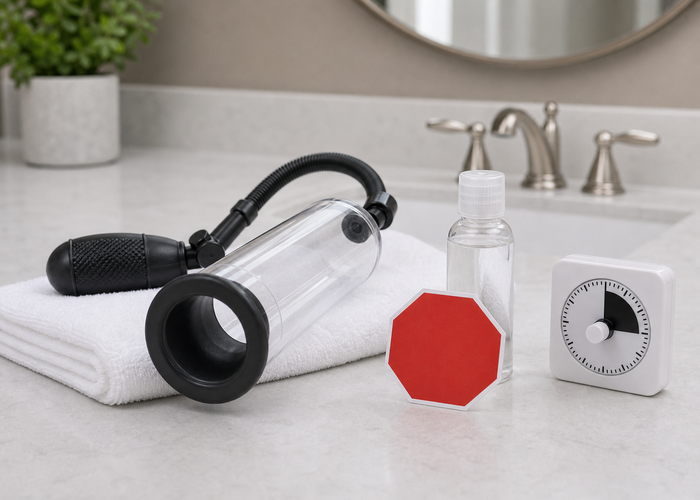
How to separate normal adjustment from a bad setup
A little adjustment is normal. You may need to reposition the base, add a thin amount of lube to the gasket, or release and restart when the angle is off. A bad setup feels different. The device keeps demanding harder pumping to compensate for a weak seal, the cylinder pinches instead of sitting evenly, or the pressure climbs faster than your confidence does. Those are signs that the setup is fighting you.
Normal adjustment should make the session calmer with each correction. A bad setup usually makes it more frantic. If every change leads to more uncertainty, stop and reset instead of trying to win an argument with the hardware. That mindset alone prevents many avoidable mistakes.
FAQ
Is a vacuum limiter really necessary?
It is one of the most useful safety features because it helps keep suction from escalating too far. It does not replace judgment, but it adds a mechanical backstop.
Should beginners use a constriction ring on the first session?
Not always. Many people learn the feel of the device first and only add a ring after they know the pressure and seal feel controlled.
Can more lube fix a poor seal?
Sometimes a thin film helps the gasket sit better, but too much can make the base slide. Recheck hair, placement, and gasket fit before assuming the answer is more lubricant.
What matters more: stronger suction or better control?
Better control. A safe, repeatable setup is more useful than a device that can pull harder but is difficult to release or regulate.
A smart penis pump safety checklist is really a control checklist. Look for a vacuum limiter, a dependable seal, a simple release path, realistic timing habits, and clear stop signs. If the device or the session makes those basics harder instead of easier, keep shopping. The safer tool is usually the one that lets you move slower.