Choosing lube for sensitive skin should feel boring in the best possible way. The right product disappears into the experience: no burning, no sticky surprise, no fragrance that lingers, and no mystery about whether it works with condoms or toys. The challenge is that lubricant labels can look gentle while still containing ingredients that do not suit every body.
This checklist is designed for ordinary shoppers who want a practical way to read a label before buying. It does not promise that one formula will work for everyone. Skin sensitivity can come from allergies, irritation, friction, hormone changes, medications, recent shaving, infections, or simply a formula that is too perfumed or too sticky for the moment. If irritation is persistent, painful, or recurring, a clinician is the right next step.
Start with the use case. Are you pairing lube with condoms, a silicone vibrator, a stroker, anal play, or everyday dryness? Different needs change the best formula. A simple water-based product is often the safest starting point because it is easy to clean and broadly compatible, but label details still matter.
Begin with the base: water, silicone, oil, or hybrid
Water-based lubricant is the usual first choice for sensitive-skin shoppers because it washes off easily and is compatible with many condoms and toys. The tradeoff is that it may dry out sooner and need reapplication. That is not a flaw; it is a texture behavior. If it gets sticky, adding a few drops of water can often revive the glide.
Silicone-based lubricant lasts longer and can be excellent for some people, but it may not suit every silicone toy. Some toy makers advise against silicone lubricant on silicone toys because it can affect the surface. If a toy’s manual says water-based only, follow that instruction. Oil-based products can feel cushiony, but public health guidance from the City of Long Beach Health Department warns that oil-based lubricants can weaken latex condoms.
Hybrid lubricants mix water with silicone or other ingredients. They can be comfortable, but sensitive-skin users should read them carefully rather than assuming “hybrid” means mild. The more complex the formula, the more ingredients there are to consider.
Ingredients to check first
Fragrance is the first line to inspect. If your skin reacts easily, fragrance-free is usually wiser than scented. “Natural fragrance” can still irritate. Essential oils can also be too intense for intimate skin, especially when friction is involved. A product does not need a scent to perform well.
Next, check warming, cooling, tingling, desensitizing, or flavoring claims. These products are designed to create sensation, and that can be enjoyable for some users, but they are not the calmest place to start for sensitive skin. If you already know you react to menthol-like cooling, capsaicin-like warming, or sweet flavored products, choose a plain formula first.
Glycerin and similar humectants are more personal. Some people use glycerin-containing lubes without trouble; others find them sticky or irritating. If you are prone to yeast infections or irritation, ask a healthcare professional what is appropriate for you rather than relying on a trend claim.
Think about pH and osmolality without getting lost
Lubricants interact with delicate tissue, so pH and osmolality can matter. The World Health Organization’s advisory note on lubricant safety discusses how product characteristics such as osmolality can affect mucosal tissues, especially for rectal and vaginal use. You do not need to become a chemist, but you should be skeptical of products that provide no ingredient transparency at all.
If a brand shares pH, osmolality, and ingredient details, that is useful. If it does not, keep the rest of your checklist conservative: fragrance-free, simple base, condom-compatible when needed, and compatible with your toy material. For everyday shopping, clarity is a feature.
Condom and toy compatibility
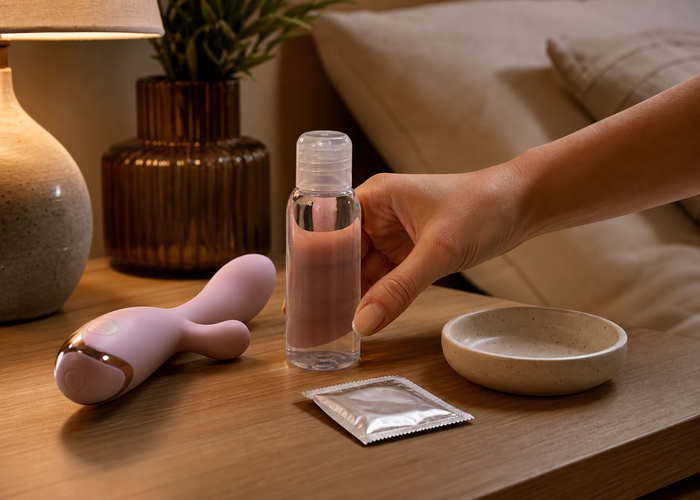
Compatibility is not a footnote. If condoms are involved, avoid oil-based products with latex condoms. If toys are involved, check the toy material and care instructions. Planned Parenthood’s sex toys guide encourages safer toy use and cleaning, and that includes thinking about barriers and hygiene rather than only sensation.
For the KissSelf shop, many buyers pair lubricant with vibrators, strokers, penis sleeves, or anal toys. A simple rule helps: when you are unsure, use a plain water-based lubricant and verify the product manual before trying a longer-lasting silicone formula. If you switch toys, do not assume the same lubricant remains ideal.
A sensitive-skin label checklist
| Label item | Why it matters | Safer starting point |
|---|---|---|
| Base | Determines cleanup and compatibility | Water-based for first testing |
| Fragrance | Common irritation trigger | Fragrance-free |
| Sensation additives | Can burn, tingle, or numb | Skip warming/cooling/desensitizing at first |
| Condom statement | Latex can be weakened by oils | Use condom-compatible formulas |
| Toy statement | Some lubes affect some toy surfaces | Match the toy manual |
Patch checks and first use
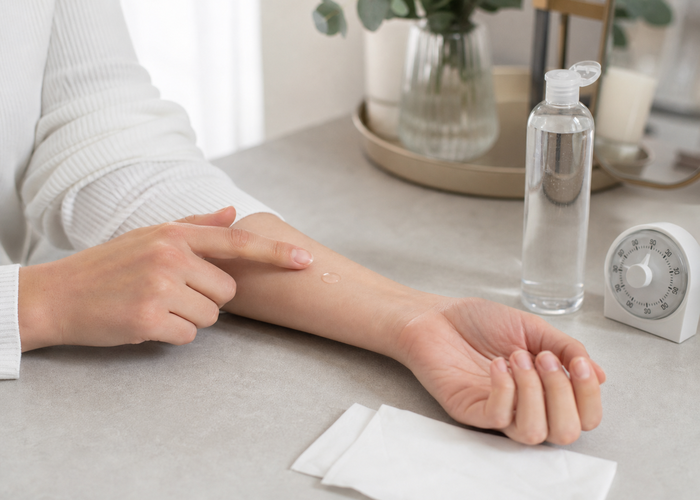
A patch check is not perfect, but it is better than trying a new product during the highest-friction moment. Place a small amount on the inner forearm or another less sensitive area and wait. If redness, itching, or burning appears, do not use it intimately. If the patch is fine, still use a small amount the first time and stop if discomfort appears.
During first use, do not mix several new products. A new toy, new condom, new soap, and new lube all at once make it hard to identify the cause if irritation happens. Keep the test simple. Change one variable at a time.
If you experience burning, rinse with water, stop using the product, and avoid reapplying to “push through.” If symptoms are severe, include swelling, unusual discharge, sores, or ongoing pain, seek medical advice. Lubricant is a comfort tool, not something that should be tolerated through discomfort.
Cleanup and storage
Cleanup affects sensitive skin too. Wash hands and toys according to the toy material. Healthline’s sex toy cleaning guide explains that cleaning needs vary by material and whether a toy is porous. Let toys dry fully before storage, especially soft sleeves and textured products.
Store lubricant closed, away from heat, and replace it if the smell, texture, or color changes. Do not top off an old bottle, and do not share pumps between incompatible products. If a bottle has touched skin directly, wipe the pump or cap before putting it away.
How to compare two sensitive-skin lubes
If you are choosing between two products, compare them in a calm, practical order. First, eliminate anything with obvious triggers for you: fragrance, strong sensation claims, oil base when latex condoms are involved, or a toy-incompatible base. Second, choose the formula with clearer ingredient information. Third, choose the texture that matches the activity. A thin water-based lube may be ideal for toys and quick cleanup, while a thicker water-based gel may feel more cushioned for longer sessions.
Do not assume a higher price means a gentler formula. Some expensive products include botanical extracts, flavoring, or warming ingredients that are exactly what sensitive skin may dislike. Likewise, do not assume a simple formula is cheap or low quality. For sensitive skin, restraint can be a strength.
When testing two lubes, do not compare them on the same day during intimate use. Try one, observe how your skin feels afterward, clean up, and give your body time. If you react, stop there. If you use multiple products at once, you will not know which ingredient caused the problem.
Special situations that deserve extra caution
After shaving or waxing, skin may react more strongly than usual. After antibiotics, hormonal changes, childbirth, menopause, or a recent infection, intimate tissue may also behave differently. That does not mean lubricant is the problem every time, but it does mean you should choose a plainer formula and avoid sensation additives until comfort returns.
For anal use, cushion and reapplication matter because the body does not self-lubricate there. Use enough product, reapply before friction increases, and choose toys with a safe flared base. If condoms are used on toys or with partners, keep the condom compatibility rule in mind. If discomfort appears, add lube or stop; do not treat friction as something to endure.
For partnered use, discuss sensitivities before opening the bottle. One person may love a scented or tingling formula while the other reacts to it. The safest shared product is usually the one that suits the most sensitive person, not the one with the most exciting label.
A small shopping routine
Before buying, take a photo or note of the products your skin already tolerates. Compare new labels against that reference. If a tolerated product is water-based, fragrance-free, and simple, do not suddenly switch to a warming flavored hybrid before an important night. Experiment when there is no pressure to make the product work.
Keep one dependable bottle at home and treat new formulas as tests. This habit prevents the common problem of discovering irritation when you have no comfortable backup. Sensitive-skin shopping is not about fear; it is about giving yourself options.
Texture matters as much as ingredients
Sensitive skin is not only about avoiding irritants. Texture can change friction, and friction can create irritation even when the ingredient list is simple. A very thin lube may disappear quickly during longer play. A very thick gel may feel cushiony at first but become tacky if too much is applied. The best texture is the one that lets you use less pressure and reapply before dryness begins.
For toys with moving parts, texture also affects performance. A thrusting or rotating toy may feel smoother with an evenly spread water-based lubricant than with a small amount placed only at the opening. A sleeve or stroker may need lubricant distributed inside the canal rather than only outside. A vibrator used externally may need much less product than an insertable toy.
If a lube gets sticky, pause and add a few drops of water or reapply a small amount. Do not keep increasing speed or pressure against tackiness. That is how a minor texture problem becomes a skin problem. Comfort improves when you treat lubricant as something you can adjust during use.
How packaging can affect sensitive-skin use
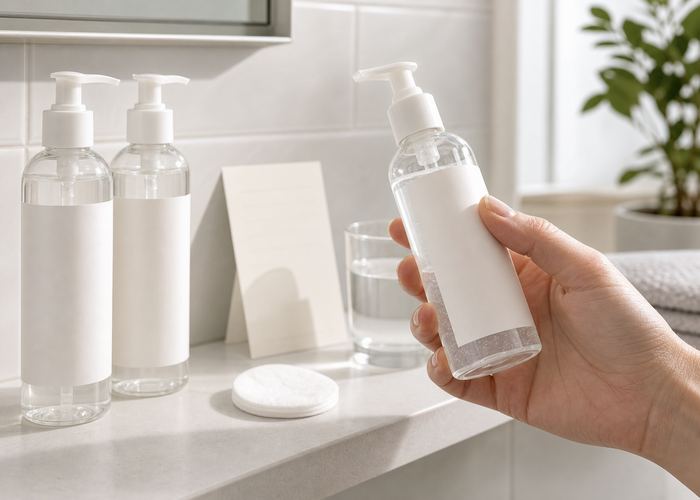
Packaging looks like a convenience detail, but it matters. A pump bottle is useful because it reduces spills and helps you use a consistent amount. A flip cap can be easier during travel but may collect residue. A jar or open-mouth container is less ideal for intimate products because fingers can introduce contamination. Whatever packaging you choose, close it promptly and keep the dispensing area clean.
Expiration dates also matter. Lubricant can change texture over time, especially if stored in heat. If a product smells different, separates, turns cloudy when it was clear, or feels grainy, replace it. Sensitive-skin routines work best when the product is predictable.
Reading marketing claims calmly
Words like “natural,” “clean,” “doctor recommended,” and “body safe” can be useful only when the label explains what they mean. Natural ingredients can irritate. A doctor recommendation may not apply to your body. Body-safe should be supported by material and ingredient transparency, not just attractive packaging.
Look for concrete information instead: base type, condom compatibility, toy compatibility, fragrance status, ingredients, expiration, and usage directions. If a product makes big promises but hides basic details, it is not the best first choice for sensitive skin.
Aftercare after using a new lube
After using a new lubricant, clean gently with water or a mild cleanser suitable for your body. Avoid harsh scrubbing, scented wipes, and strong soaps immediately afterward. If you used toys, clean and dry them before storage. If you used condoms, dispose of them normally and do not reuse barriers.
Pay attention the next day. Mild temporary awareness can happen after friction, but burning, itching, swelling, rash, unusual odor, or discharge deserves caution. Do not keep retrying the same product if your body has already objected. A good lube should make intimacy easier, not create a recovery project.
Build a simple home lube shelf
If you use lubricant regularly, keep the shelf simple. One plain water-based lubricant can serve as the dependable default. A second, thicker water-based option can be useful for longer sessions or toys that need more cushion. If you like silicone-based lubricant, keep it clearly separate and mark which toys it should not be used with. This prevents sleepy or rushed mistakes.
Do not store lubricant in the shower unless the product is designed for that environment. Heat and moisture can affect packaging, and slippery bottles can fall into places where they collect soap residue. A cool drawer or bedside organizer is usually better. Keep products away from children and pets, and avoid sharing bottles between households.
How to talk about sensitivity with a partner
A sensitive-skin conversation does not need to be awkward or clinical. Try a simple sentence: “My skin reacts easily, so I use fragrance-free water-based lube.” That gives your partner useful information without turning the moment into a lecture. If someone dismisses that boundary, the problem is not the lubricant.
For couples, agree that adding more lube is normal, not a sign that anyone is doing something wrong. Reapplication is part of comfort. When both people treat lubricant as ordinary care, it becomes easier to pause, adjust, and stay relaxed.
Red flags on a product page
Be careful with product pages that focus only on intensity and never mention compatibility, ingredients, or cleanup. Be cautious with products that promise to numb discomfort, because numbness can hide friction or pressure that your body needs you to notice. Avoid any formula that suggests pain is part of the experience. Comfort should be the baseline.
Better product pages tell you what the base is, how to use it, how to clean it away, and what not to pair it with. That information may not be glamorous, but it is exactly what sensitive-skin buyers need before putting a product on intimate tissue.
FAQ
What is the best lube for sensitive skin?
There is no universal best. A fragrance-free, plain water-based lubricant is often the most cautious starting point, especially when toys or condoms are involved.
Should I avoid glycerin?
Some people tolerate glycerin well, while others find it irritating or sticky. If you are prone to irritation or infections, ask a healthcare professional for guidance.
Can I use silicone lube with silicone toys?
Only if the toy maker says it is compatible. When uncertain, use water-based lubricant.
Why does water-based lube get sticky?
Water evaporates during use. Add a few drops of water or reapply a small amount instead of adding a large layer at once.
The best lube for sensitive skin is the one that gives you comfort, compatibility, and control. Read the label slowly, start plain, test gently, and let your body’s response matter more than marketing language.