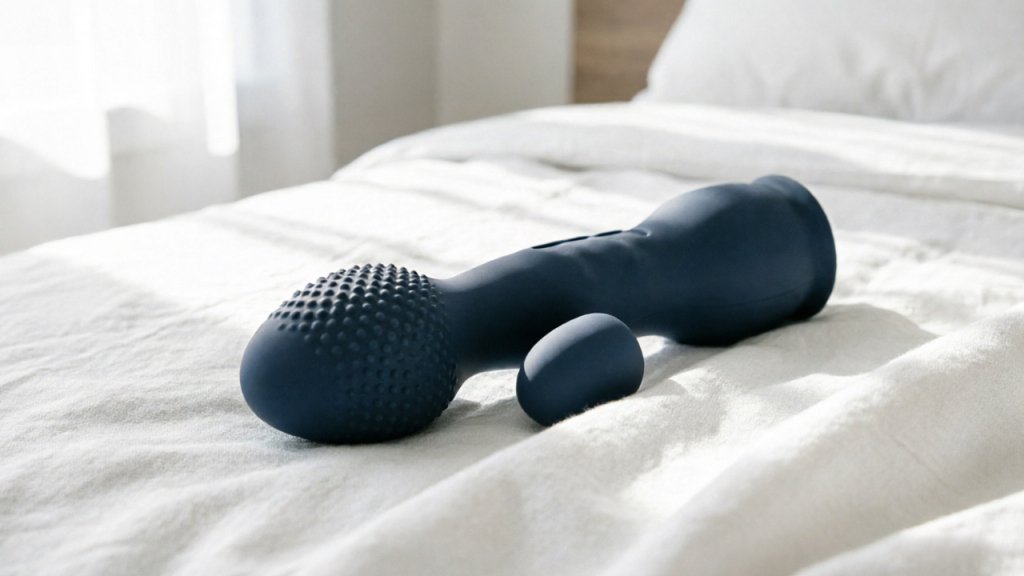
Men’s sex toys have quietly crossed from the margins of culture into the mainstream — and the data makes it impossible to ignore. According to research from Indiana University’s Center for Sexual Health Promotion, a significant percentage of men have used a sex toy, dismantling the outdated stereotype that this is niche, fringe, or somehow shameful behavior. The “lonely guy” narrative is not just outdated — it was never accurate.
The shift from novelty shop embarrassment to wellness technology is happening in real time. A decade ago, the category was defined by cheap, anonymous packaging designed to be hidden. Today, it looks closer to consumer tech: precision-engineered devices with app connectivity, adjustable sensation modes, and ergonomic design that signals quality rather than concealment. Products like fully automatic multi-function strokers frame themselves — and are marketed — as tools for enhancement, not substitutes for connection. That reframing changes everything about how men approach the category.
Sexual wellness has also found its footing as a legitimate pillar of self-care, sitting alongside sleep optimization, fitness, and mental health. The health benefits linked to regular sexual activity — reduced stress, better sleep, improved mood — apply whether a partner is involved or not. When men begin treating pleasure as part of a broader wellness practice, the conversation shifts from “Should I?” to “Why haven’t I?”
High-tech features have been especially instrumental here. Automated patterns, heating functions, and app-controlled intensity don’t just improve the experience — they signal that this is a product category worth taking seriously. That credibility gap is closing fast. Still, even as adoption climbs, a stubborn layer of stigma remains — and understanding where that stigma comes from is the first step to dismantling it.
Why the Stigma Persists: Unpacking the ‘Performance’ Myth
The shame men feel around sex toys isn’t accidental — it’s a direct product of how society has long defined masculinity through sexual self-sufficiency.
As Dr. Justin Lehmiller of the Kinsey Institute puts it:
“The stigma surrounding men’s sex toys is a byproduct of ‘sexual performance’ pressure, where men feel they must be ‘enough’ without external help.”
This pressure is uniquely gendered. A woman using a vibrator is framed as liberated. A man using a stroker is framed as lonely. Same category of product, entirely opposite cultural reception. That double standard doesn’t reflect reality — it reflects a distorted script about what male desire is supposed to look like.
Cultural narratives have deep roots. Research on the history of sexual commerce shows that male pleasure devices were deliberately marginalized, coded as deviant or compensatory, while female-oriented products were quietly rebranded as “wellness” items. The result is a persistent perception gap that still shapes purchasing decisions today — even as sales of male sexual wellness devices are quietly surging.
The fix isn’t just awareness — it’s a reframe. A well-chosen stroker or stimulation device is no different in principle from a standing desk, a fitness tracker, or a set of resistance bands. It’s a tool designed to help you perform better, feel more, and understand your own body more clearly. Nobody questions a guy who spends $200 on wireless headphones for a better listening experience — yet a comparable investment in sexual wellness still raises eyebrows.
That logic is starting to collapse. Younger generations, in particular, are applying the same consumer mindset to intimacy that they apply to fitness and mental health — asking not “is this acceptable?” but “does this work?” The answer, increasingly, is yes. And that shift opens the door to something even more compelling: the actual physiological case for these devices, which goes well beyond pleasure.
The Health Argument: Why Devices are Preventative Care
Male sexual wellness deserves the same evidence-based conversation we give cardiovascular health — and the medical data is finally making that case.
The language shift from “sex toy” to “wellness device” isn’t just marketing spin — it reflects a genuine change in how clinicians are framing male sexual health.
Prostate health sits at the center of this conversation. Harvard Medical School recognizes prostate stimulation as a legitimate medical and wellness practice, specifically for reducing the risk of erectile dysfunction. Regular drainage of the prostate gland through targeted stimulation helps prevent the buildup of stagnant fluid, which has been linked to chronic prostatitis and discomfort. For men who want to explore this proactively, understanding the mechanics of prostate stimulation is a practical starting point.
Pelvic floor function is the less-discussed but equally important factor. Weak pelvic floor muscles contribute to premature ejaculation, reduced orgasm intensity, and long-term incontinence. Targeted stimulation devices — including an automatic male masturbator with heating and rotation — can engage these muscles more consistently than manual stimulation alone, creating a low-resistance path toward regular pelvic floor activation.
Medical Insight: Research published via PMC confirms that consistent sexual activity is associated with improved vascular health, hormonal regulation, and lower rates of sexual dysfunction in aging men. Devices that support regular practice aren’t indulgent — they’re functional.
The medical community’s gradual endorsement of these practices is shifting how men relate to their own bodies. When a urologist can recommend prostate massage or regular stimulation techniques in the same breath as Kegel exercises, the cultural conversation has clearly moved.
What drives that shift even further is the technology behind these devices — and that’s where the real story begins.
The Tech Revolution: Heating, Rotation, and Multi-Sensory Play
Modern male pleasure devices aren’t just upgraded versions of older products — they’re purpose-built sensory systems that replicate physical sensations basic vibration simply cannot achieve.
The gap between a standard vibrator and a multi-axis mechanical device is roughly equivalent to the gap between a flip phone and a smartphone. The engineering behind today’s automatic multi-sensory male masturbators combines independent motor systems, precision-controlled heating elements, and programmable stroke patterns into a single device. Each component is calibrated to work in concert, not in isolation.
The sensory difference matters because the body responds to layered input differently than single-stimulus contact. Rotation and thrusting mechanics activate pressure receptors along the full shaft in a dynamic pattern that static vibration never reaches. Add synchronized heating — typically calibrated to body temperature around 98–100°F — and the neurological response shifts noticeably toward something that feels organic rather than mechanical.
The industry has coalesced around three core features that define this new standard:
- Heating — Warms the sleeve to body temperature, reducing sensory friction and increasing immersion
- Rotation — Multi-axis motor systems create spiraling pressure patterns that manual stroking can’t replicate
- Suction — Pneumatic chambers generate variable negative pressure, closely mimicking oral sensation
This convergence of features is driving real market momentum. The global male sex toy market is projected to reach $12.5 billion by 2026, with wellness-focused purchases cited as the primary growth engine, according to Allied Market Research. Destigmatizing male solo play is no longer a fringe conversation — it’s a market signal.
The technology also closes a meaningful experiential gap. When stimulation feels partner-like in warmth, rhythm, and pressure variation, solo sessions become less about substitution and more about genuine sensory exploration — which raises a compelling question about how that exploration translates when another person enters the picture.
Solo vs. Partner Play: Enhancing the Connection
Male pleasure devices aren’t just a solo pursuit — they’re increasingly recognized as tools that can deepen intimacy, improve performance, and bring couples closer together.
The ‘replacement’ fear is the most persistent myth holding men back. The concern that introducing a device signals dissatisfaction with a partner is understandable, but it fundamentally misreads how these tools work. A device doesn’t compete with a partner — it expands what’s possible between two people. Think of it less like a substitute and more like a kitchen gadget: it doesn’t replace cooking together, it makes the experience richer.
Stamina and self-knowledge are two areas where solo use directly benefits partnered sex. Men who regularly use textured strokers and masturbators to explore sensation thresholds report greater control and awareness of their own responses — which translates directly into more confident, attentive partner sex. Understanding your own body isn’t selfish; it’s preparation.
This shift in perspective is backed by a cultural change in how devices are marketed and discussed. Relative Insight research shows modern marketing has moved decisively away from the ‘lonely bachelor’ trope, repositioning toys as tools for couples exploring pleasure together. Framing a device as a shared high-tech hobby — something to investigate and experiment with as a team — removes the awkwardness entirely. Part of why there is a stigma around male sex toys is simply that the cultural narrative lagged behind the reality of how couples actually use them.
Pro Tip: When introducing a device to a partner, lead with curiosity rather than need. Try: “I read something interesting about couples using these — want to try it together?” Framing it as exploration, not a complaint, changes the entire conversation.
For men curious about expanding that shared exploration, understanding prostate stimulation and its benefits can open conversations about new dimensions of intimacy that many couples haven’t considered.
Of course, getting the most from any device — whether solo or partnered — starts with choosing the right one. And that conversation begins with materials and engineering.

Choosing Quality: Why Material and Engineering Matter
Not all male pleasure devices are created equal — and the gap between a cheap novelty item and a purpose-built wellness device can mean the difference between a genuinely beneficial experience and a harmful one.
Material safety is the first filter. Many low-cost devices are made from PVC, jelly rubber, or mystery plastics that contain phthalates — chemical plasticizers linked to hormonal disruption and skin irritation. Body-safe silicone, by contrast, is non-porous, hypoallergenic, and easy to clean. This isn’t a minor distinction. It’s the foundational reason why premium devices command a higher price point and why that price is justified.
The economics of quality shift when you think long-term. A $15 disposable might seem like a low-risk entry point, but its lifespan is measured in weeks, its material safety is often unverified, and its sensation delivery is rudimentary at best. A $100+ device built with medical-grade silicone, a rechargeable motor, and a sealed waterproof body will outlast dozens of cheap alternatives — and deliver a measurably better experience each time. According to Allied Market Research, market growth is increasingly driven by men gravitating toward high-tech, multi-functional devices rather than cheap novelty items, signaling a broader shift in how male wellness spending is prioritized.
Discreet shipping and durable construction also matter more than most buyers initially realize. Plain, unmarked packaging removes a major psychological barrier — particularly for first-time buyers — while robust engineering ensures the device handles consistent use without motor degradation or material breakdown.
| Feature | Novelty Device | Wellness Tech Device |
|---|---|---|
| Material | PVC / jelly rubber | Body-safe silicone |
| Motor life | Short / unreliable | Long-lasting, rechargeable |
| Feature depth | Single function | Multi-sensory (suction, flapping, heat) |
| Value over time | Low | High |
Feature density is where premium devices truly separate themselves. Devices that combine flapping stimulation with suction — like those engineered with dual-action mechanics — represent the current peak of what the category can deliver. Understanding why those mechanics work so effectively is worth a closer look, which brings us to the engineering behind the sensation itself.
Visual Guide: Understanding Modern Device Mechanics
Modern male wellness devices are precision-engineered systems — and understanding the mechanics behind them helps explain why they’ve become such a serious investment for men focused on sexual health.
Rotation and telescopic movement are the foundation of lifelike sensation. When a sleeve rotates around the shaft while simultaneously moving up and down, it replicates the complex, multi-directional stimulation that natural intimacy involves. Telescopic mechanisms — where the device physically extends and retracts — create pressure variation that static toys simply can’t achieve. Devices built with both thrusting and rotating functions are consistently rated higher for realism precisely because they engage multiple nerve pathways at once, rather than delivering a single, repetitive stroke.
Internal heating elements take realism from mechanical to physiological. A sleeve that warms to body temperature — typically around 98–100°F — triggers an immediate neurological shift in how stimulation is perceived. The skin reads warmth as intimacy, which lowers psychological resistance and increases blood flow to the area. This isn’t a luxury feature; it’s a functional one with genuine wellness implications.
The most requested feature in the modern male device market is suction. A vacuum-style pressure mechanism mimics the natural draw of intercourse in a way that vibration alone never fully replicates. According to Kissself Product Engineering, high-feature-density devices that combine mechanical flapping with suction are specifically designed to maximize pelvic blood flow — a measurable physiological benefit that goes beyond pleasure.
[Embed: Non-explicit YouTube demonstration of automatic device mechanics — telescopic movement, rotation patterns, and heating activation]
Together, these three technologies — movement, heat, and suction — represent a genuine engineering leap. As the stigma fades and the science becomes more visible, understanding what these devices actually do makes the case for them far stronger than marketing ever could.

The Bottom Line: What You Need to Know
Male sexual wellness is a legitimate, evidence-backed component of a man’s overall health routine — and the data increasingly supports that position.
Sexual wellness tools are enhancements, not replacements — for partners, intimacy, or masculinity itself. As the Kinsey Institute frames it, breaking the stigma requires men to view these devices as enhancements rather than substitutes — a reframe that shifts the entire conversation from shame to self-care.
- Adoption is already mainstream. Research shows that 44% of men have used a sexual wellness device at some point, meaning these tools are far from fringe. The perception that “real men don’t use toys” is contradicted by the actual behavior of nearly half the male population.
- The physiological case is real. Advanced features like heating elements, rotation, and variable pressure aren’t just novelty — they deliver measurable benefits including improved pelvic floor function, better circulation, and stress relief. Devices engineered with these capabilities, such as options with multi-axis stimulation, reflect how far the category has matured beyond simple novelty products.
- The stigma is structural, not biological. Men aren’t inherently less interested in sexual wellness tools — they’ve simply been conditioned to feel that way. As high-tech, body-safe devices become the cultural norm for self-care, that conditioning is losing its grip on younger generations especially.
- Quality and safety define the new standard. Body-safe materials, precision engineering, and clinically informed design have repositioned these devices alongside other wellness tools men already accept without hesitation — foam rollers, sleep trackers, ergonomic supports.
The shift happening in male sexual wellness mirrors broader changes in how men approach health: with less stigma, more information, and a willingness to invest in what works. If questions remain about how these devices fit into relationships, daily routines, or ongoing health goals, those answers are worth exploring — and that’s exactly where the conversation goes next.
Common Questions About Male Sexual Wellness Devices
Male sexual wellness devices raise practical questions — and straightforward answers make the difference between confident use and unnecessary hesitation.
Is it normal for men in relationships to use sex toys?
Absolutely. Research published via Columbia University’s academic commons confirms that coupled individuals use devices at comparable rates to single people — often with their partner’s knowledge and encouragement. Device use in relationships is less about filling a gap and more about expanding a shared wellness toolkit. Many couples incorporate toys to reduce performance pressure and sustain intimacy over time.
What are the health benefits of using a prostate massager?
The prostate is central to male pelvic floor function, and targeted stimulation supports circulation, muscle tone, and drainage of prostatic fluid. According to Harvard Medical School, pelvic floor health is essential for long-term sexual function — and it responds directly to consistent, targeted exercise. Regular prostate massage is increasingly recommended as a complement to general men’s health routines, not a fringe practice.
How do I clean an automatic masturbator with electronic parts?
The key rule: water and electronics don’t mix without care. Remove any detachable sleeve first and wash it with warm water and toy-safe cleaner. For the motorized body, wipe down with a damp antibacterial cloth and allow it to air-dry fully before storage. If you’re using a fully enclosed stroker with motor components, always check the manufacturer’s IPX water-resistance rating before rinsing under a tap.
Will high-tech devices make partnered sex feel less intense?
In practice, the opposite is more common. Devices that build body awareness, endurance, and sensitivity tend to translate into richer partnered experiences. Understanding your own responses is a skill — and devices accelerate that learning. The concern about desensitization, while understandable, isn’t supported by current evidence when devices are used moderately and alongside an active sex life.