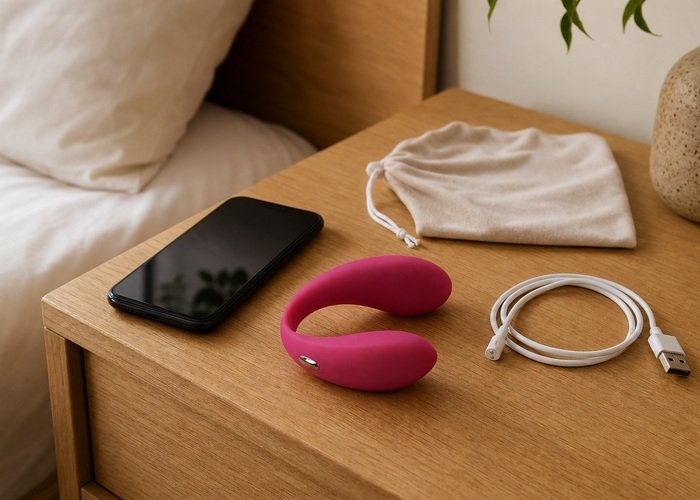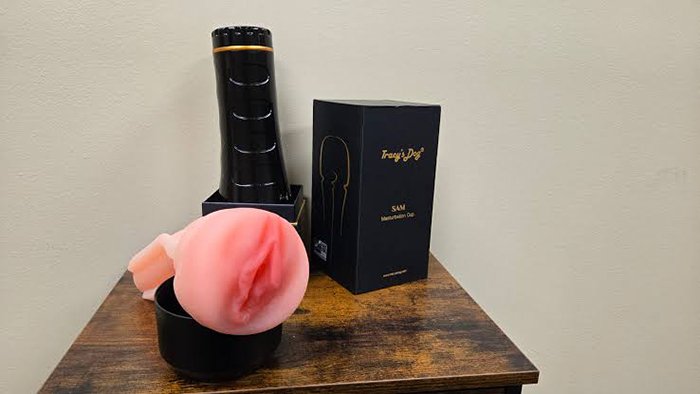
Choosing between a wand massager for women and a rabbit vibrator isn’t really about internal versus external stimulation — it’s about the fundamental physics of how vibration travels through tissue.
These two toys are the undisputed titans of the pleasure industry, and yet most conversations about them stop at anatomy. “The rabbit does dual stimulation. The wand is powerful.” True — but incomplete. The real differentiator is motor mechanics, not shape. And once you understand that, the question of which toy leads to easier orgasms becomes far less mysterious.
Consider the sensation vocabulary first. In the sex toy world, vibrations are generally described as either “rumbly” or “buzzy.” Rumbly vibrations are low-frequency, deep oscillations — they penetrate below the skin’s surface and stimulate nerve clusters at a structural level. Buzzy vibrations are high-frequency and surface-level; they create intense localized sensation but fade quickly and can cause the skin to go numb, which is counterproductive during extended use. Wands typically produce rumbly vibrations. Many standard rabbit-style toys default to buzzy ones.
This matters enormously given that research cited by Psychology Today shows approximately 70% to 80% of women require direct clitoral stimulation to reach orgasm. If the vibration quality isn’t deep enough to engage the full internal structure of the clitoris — which extends several inches internally — the toy simply won’t deliver. This is a core reason why so many people struggle with standard toys, even ones marketed as “powerful.” Frequency and depth of vibration are what drive results, not speed settings alone. Understanding this gap helps explain why penetration alone often falls short for the majority of users.
With that mechanical foundation in place, it’s worth examining exactly how wands engineer that deep-tissue stimulation — and why their motor design sets them apart.
The Wand Massager: Engineering Deep-Tissue Arousal
Wand massagers deliver a fundamentally different category of stimulation — one rooted in physics, not just shape. The core advantage comes down to motor size and head weight working in tandem to produce something smaller toys simply can’t replicate.
The bigger the motor, the deeper the vibration travels into tissue — and that’s not marketing copy, it’s mechanics. Standard wands house motors significantly larger than those found in most compact vibrators. That mass generates oscillations at a lower frequency, meaning the vibration doesn’t just buzz the surface nerve endings; it penetrates into the deeper clitoral network. Paired with the weighted, rounded head that maintains broad contact across the skin, the sensation reaches tissues that high-frequency toys can’t access.
The wand massager benefits become especially clear for people who’ve hit a wall with other toys. As Healthline notes, wands are the “powerhouses of the toy world — best for those who have a high tolerance for sensation or who find smaller vibrators too ‘buzzy’ or numbing.” That “buzzy” feeling is a real phenomenon: high-frequency motors can desensitize surface receptors quickly, making orgasm harder to reach, not easier.
What makes wands particularly practical is their versatility. Yes, they excel at focused clitoral stimulation — but the large head also makes them effective for:
- Broad-area coverage, reducing the need for precise repositioning
- Full-body muscle relief, including neck, shoulders, and back
- Indirect stimulation through fabric or light pressure for those who prefer a buffered sensation
The result is a tool that adapts to both high-threshold users and those who simply want reliable, consistent intensity without chasing the right angle. That deep, rumbly sensation profile is exactly what makes wands so effective — and it stands in interesting contrast to the more targeted, dual-action approach of rabbit vibrators, which pursue a very different kind of pleasure altogether.
The Rabbit Vibrator: The Quest for the Blended Orgasm
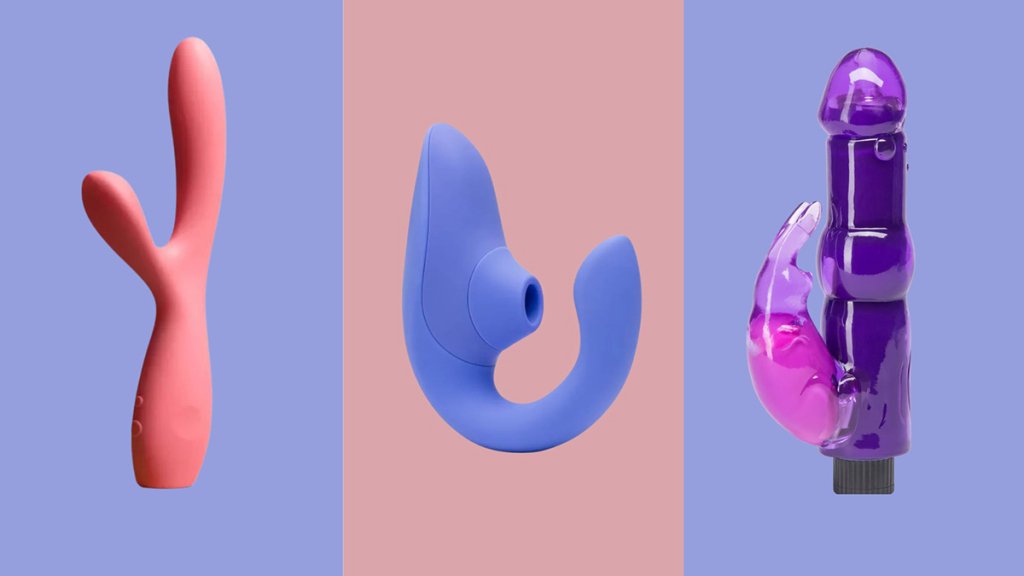
Rabbit vibrators take a fundamentally different approach to pleasure — one built around simultaneous stimulation rather than singular intensity. Where a wand concentrates power into one point of contact, the rabbit’s defining feature is its two-pronged architecture: an internal shaft designed to reach the G-spot and a smaller external arm — typically shaped like ears — that presses against the clitoris at the same time.
The goal of this design is the blended orgasm: a climax that combines G-spot stimulation with direct clitoral contact, which the Sexual Health Alliance identifies as one of the most intense orgasm types possible. Learning how dual stimulation actually works reveals that it’s less about hitting two separate buttons and more about triggering overlapping neural pathways simultaneously — which is why the experience feels categorically different from either sensation alone.
Mechanical trade-offs matter here, though. Rabbit vibrators must divide motor power across two stimulation points. In practice, this often means smaller individual motors, which tend to produce higher-frequency, buzzier vibrations rather than the deep, rumbly resonance that wands are known for. For some users, that surface-level buzz is exactly what works. For others — particularly those who find shallow vibrations overstimulating or difficult to climax from — it can be less effective.
Anatomical fit adds another layer of complexity. The distance between the vaginal opening and the clitoris varies significantly from person to person, and the rabbit’s fixed arm spacing can’t accommodate everyone equally. According to Cosmopolitan, this alignment challenge is one of the most common frustrations rabbit users report. The internal shaft may hit the right spot, but the clitoral arm misses — or vice versa.
Understanding this tension between the rabbit’s ambitious dual design and its real-world anatomical constraints sets up the central question in the wand vs. rabbit vibrator conversation: which one actually delivers a more reliable path to orgasm?
Wand vs. Rabbit: Which Path Leads to an Easier Orgasm?
When asking what’s better — a rabbit vibrator or wand for easy orgasm — the honest answer depends entirely on how your body responds to stimulation.
The rabbit’s strength is precision; the wand’s strength is depth. Rabbit vibrators deliver targeted, layered stimulation across two specific anatomical points simultaneously. That dual-contact design works beautifully for users whose bodies map predictably onto the toy’s geometry. The external arm hits the clitoris while the internal shaft applies pressure to the G-spot — a calculated approach to blended pleasure that you can explore further when comparing rabbit designs side by side.
Wand massagers, on the other hand, use large motors to deliver deep, rumbly vibrations that penetrate muscle tissue and reach deep-seated nerve endings, as noted by Cosmopolitan. That penetrating quality is precisely why wands tend to be more reliable for people who struggle to climax. The broad stimulation surface removes the pressure of perfect positioning — there’s no tight fit required, no internal anatomy to align.
The rabbit’s dual-stimulation can also backfire. For some users, managing simultaneous internal and external sensation creates cognitive overload rather than compounding pleasure. The brain splits its focus, and arousal plateaus instead of building. In practice, simpler stimulation pathways often produce faster, more consistent results for people who find themselves “almost there” but never quite arriving.
Modern wands have also evolved well beyond a single vibration setting. Multi-mode technology — including suction patterns and tapping functions — means today’s wands can adapt their stimulation style to match individual response. That flexibility closes a significant gap between the two toy categories.
Whether you lean toward targeted dual-action or broad percussive power, one practical variable still shapes the experience significantly: whether your wand is corded or runs on battery.
Choosing Your Power: Corded vs. Cordless Wand Considerations
Choosing the perfect wand vibrator comes down to one surprisingly decisive factor: whether you prioritize raw, uninterrupted power or the freedom to move without a cord in the way.
The wand’s origin story is well-documented. The original Hitachi Magic Wand launched as a corded back massager, and its plug-in design wasn’t a flaw — it was the feature. That direct wall current delivered a consistently high motor speed that battery technology simply couldn’t match for decades. For users chasing deep, rumbling vibration without interruption, corded models set the benchmark that everything else got measured against.
Modern lithium-ion batteries have fundamentally closed that power gap. Premium cordless wands now sustain motor speeds comparable to their corded predecessors, meaning you’re no longer trading performance for portability. The difference in real-world use has become negligible for most sessions — and for many users, the tradeoffs now tilt clearly in cordless’s favor.
The practical case for cordless goes beyond convenience. Without a cord dictating your range of motion, positioning becomes significantly more flexible — whether you’re using a wand solo, with a partner, or incorporating it alongside other toys. Many cordless models also carry waterproof ratings, opening up use in the shower or bath that a corded design simply can’t accommodate safely. For anyone exploring how dual stimulation works with a wand alongside internal toys, that freedom of movement matters more than it might seem.
That said, corded models still hold a legitimate edge in one specific scenario: extended sessions. If you’re someone who requires longer build-up time to reach orgasm, a corded wand eliminates any anxiety about battery drain mid-session — a surprisingly common disruption that can break focus at the worst moment.
The choice, then, isn’t about which type is objectively better. It’s about matching the tool to how your body actually responds. And as you’ll see in the next section, today’s most advanced designs are pushing beyond this either/or decision entirely.
Advanced Features: Why Multi-Mode Tech is the New Standard
Multi-mode vibrators have redefined what’s possible, combining suction, tapping, and rotation into a single device that outperforms either a traditional wand or a standard rabbit vibrator on its own.
The most significant leap in modern toy design isn’t stronger motors — it’s smarter stimulation delivery.
Hybrid technology bridges what was previously a forced choice. Devices built around a dual-action philosophy target both internal G-spot zones and the clitoris simultaneously, creating the conditions for blended orgasm experiences that neither a corded or cordless wand nor a conventional rabbit can reliably produce alone. Research published in the Journal of Sex & Marital Therapy confirms that modern high-tech devices combining suction and vibration target the 8,000+ nerve endings in the clitoris more effectively than vibration alone — a meaningful distinction when ease of orgasm is the goal.
Clitoral suction deserves particular attention here. Rather than pressing against the clitoris with direct contact vibration, suction-based stimulation uses air pressure pulses to envelop the clitoral head, creating an indirect but intense sensation that mimics oral stimulation. This approach reaches nerve endings that surface contact alone misses entirely.
Flapping or tapping modes solve a problem that standard vibration creates over time: desensitization. Continuous vibration can numb the area, making orgasm paradoxically harder to reach the longer a session continues. Tapping sensations interrupt that pattern, keeping nerve responses active and responsive throughout.
Next-gen features worth prioritizing include:
- Pressure wave suction for contactless clitoral stimulation
- Rhythmic tapping or flapping that alternates with vibration cycles
- Multi-axis rotation for internal G-spot targeting alongside external stimulation
Bold material quality matters just as much as the technology inside. Medical-grade silicone, as highlighted in Good Housekeeping’s vibrator buying guide, is non-porous, body-safe, and easy to sanitize — critical factors for long-term health and hygiene that cheaper materials simply can’t match. You can explore how these design choices compare across styles before committing to a purchase.
Understanding these features on paper is one thing — seeing how they actually move and perform in real time tells a different story entirely.
Visual Guide: Seeing the Stimulation in Action
Watching a vibrator demo before buying is one of the most underrated steps in making a confident purchase decision — what you see on screen can tell you as much as any spec sheet.
The visual test reveals what numbers can’t: how a motor actually delivers sensation to your body.
Motor rumble vs. buzz. The first thing to watch for in any product video is how the head or tip moves. A low-frequency, high-amplitude motor produces a visible, slow “throw” — the head wobbles with wide, heavy movement. According to Phallophile Reviews, visualizing this “throw” helps users understand vibration depth before purchasing. High-frequency motors, by contrast, produce rapid, tight oscillations that almost blur on camera. For wand users who need deep, rumbly stimulation, that slow, deliberate movement is exactly what you want to spot.
Rabbit ear behavior. When evaluating a rabbit vibrator demo, pay close attention to how the clitoral ears move — and whether they move independently of the shaft. Ears that flex with clear, consistent motion will make contact reliably. Stiff or barely-moving ears are a red flag for poor clitoral fit in real use. For more on what makes dual-stimulation designs worth it, the mechanics of ear placement matter as much as motor strength.
Controls and interface clarity. A device can have ten vibration modes, but if navigating them mid-session requires a manual, it undermines the experience. In any demo, watch how easily the presenter cycles through settings — intuitive controls mean fewer interruptions at the wrong moment.
Here’s a quick checklist of what to watch for in any comparison video:
- Visible motor throw: Slow, wide movement signals deep, rumbly vibration; rapid blur signals surface-level buzz
- Ear flexibility and range: Ears should visibly flex and return — rigid movement predicts poor clitoral contact
- One-button navigation: Controls should cycle modes without fumbling or a steep learning curve
[Insert authoritative wand vs. rabbit comparison video here]
Watching these three elements in action sets you up to make a well-informed choice — which leads naturally to the final question: given everything covered so far, which type is actually right for you?
The Bottom Line: Which One Should You Buy?
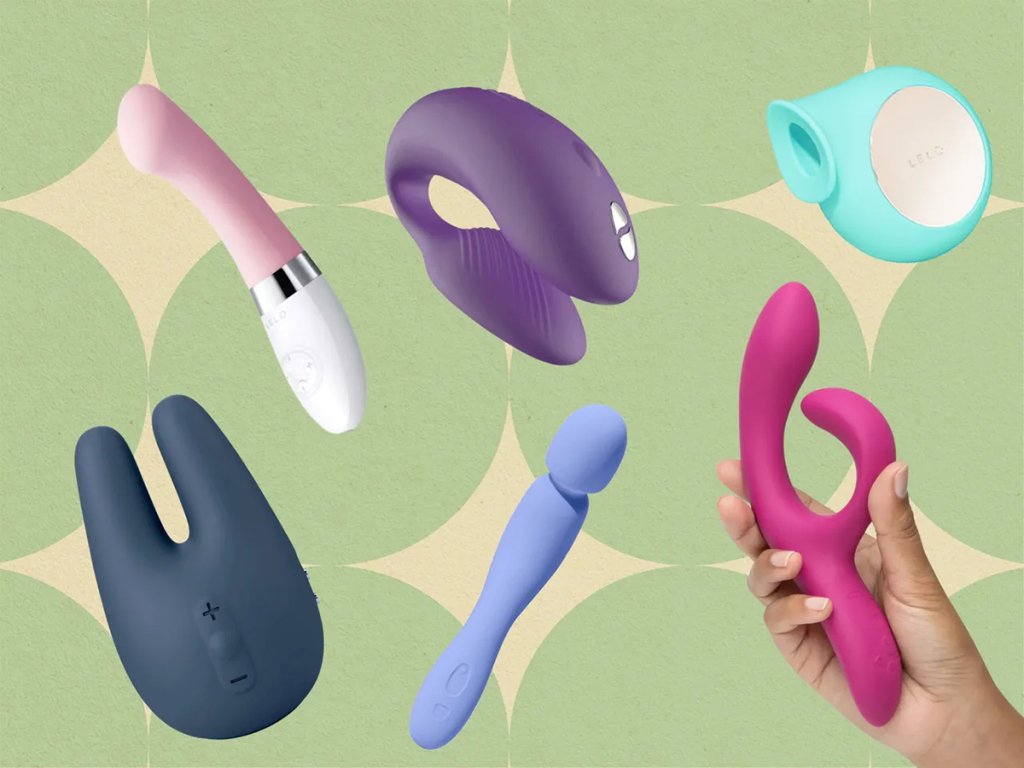
Choosing between a wand and a rabbit vibrator comes down to one question: what kind of stimulation actually gets you there?
The type of orgasm you’re chasing is the single best predictor of which device will work for you. Here’s how to match your needs to the right tool:
- Choose a wand if you want deep, rumbly, high-amplitude vibration, prefer external-only stimulation, or have a higher sensation threshold that requires more intensity to climax. Wands also win on versatility — they adapt well to partnered use and body massage.
- Choose a rabbit if simultaneous internal fullness and clitoral stimulation is the goal. The dual-motor design targets the G-spot and clitoris at the same time, which is exactly why rabbits are associated with blended orgasms. If that’s what you’re after, exploring dual-stimulation designs compared side by side can help you zero in on the right configuration.
The hybrid solution is worth serious consideration. Devices that pair suction-based clitoral stimulation with internal vibration or thrusting deliver the most consistent results across a wider range of users — and they remove much of the guesswork involved in positioning.
Quality matters more than most buyers expect. According to the Sexual Health Alliance, medical-grade silicone is non-porous and does not harbor bacteria — unlike cheaper jelly or PVC materials. Always prioritize body-safe materials and multi-mode motors over budget “buzzy” toys that deliver surface-level sensation without meaningful depth. A higher price point for the right materials is a health decision, not just a comfort one.
If you still have specific questions — like whether internal wand use is safe, or why vibration can feel numbing after extended sessions — the next section tackles the most common buyer questions directly.
Frequently Asked Questions About Wands and Rabbits
Choosing the right vibrator gets easier once you understand how each design actually works — and what its limitations are.
Can I use a wand massager internally?
Technically, most wands can be used internally, but they’re not designed for it. The large, rounded head was engineered for broad external stimulation, not targeted internal pressure. In practice, using a wand internally often delivers underwhelming results compared to a toy purpose-built for that purpose — the shape simply doesn’t reach or angle toward the G-spot effectively.
Why does my rabbit vibrator feel “numbing” after 10 minutes?
Vibration desensitization is real, and it’s one of the most common complaints about rabbit vibrators. When intense, sustained vibration is applied to a small area like the clitoris, nerve endings temporarily fatigue — reducing sensation. A practical fix: cycle through lower intensity settings instead of running at maximum, and take short breaks between sessions. If you’re exploring multi-stimulation toys that combine suction with vibration, the varied sensation types can reduce this effect significantly.
Are cordless wands as powerful as the original plug-in models?
Battery technology has improved dramatically, but most cordless wands still fall slightly short of their plug-in counterparts in raw motor power. That said, research into wand performance suggests that for most users, cordless models deliver more than sufficient intensity — especially for those who don’t require maximum settings to orgasm. The convenience trade-off is worth it for many people.
Do I need to use lubricant with both types of toys?
Yes — lubricant genuinely improves comfort and effectiveness with both wand and rabbit vibrators. For silicone toys, Healthline recommends water-based lubricants specifically, since silicone-based formulas can degrade the toy’s surface over time, shortening its lifespan and potentially irritating skin. A small amount of water-based lube applied before use makes a measurable difference in sensation quality. You might also consider pairing either toy with techniques like positional adjustments during partnered play to layer even more stimulation into the experience.