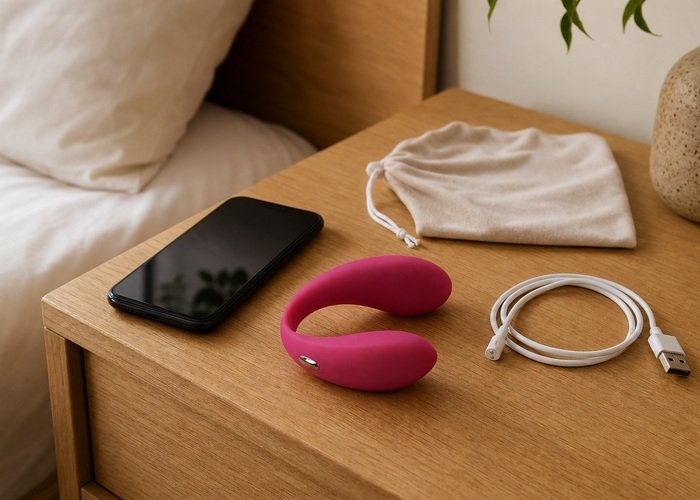
When evaluating first-time sex toy guide for beginners, it’s important to understand the key differences. Buying your first sex toy is one of the most quietly courageous acts of self-care you can make — and it deserves to be treated that way.
If you’ve ever hovered over an “add to cart” button, second-guessing yourself, you’re in excellent company. Anxiety around purchasing sexual wellness products is common, and it typically clusters around two fears: judgment from others and dependency on a device. Both are understandable, and both deserve a direct, honest response.
“The best way to approach your first toy is to view it as a tool for self-discovery rather than a replacement for a partner or a ‘fix’ for a problem.” — Dr. Emily Nagoski, Ph.D., author of Come As You Are
Sex toys are wellness tools, full stop. The emotional and psychological benefits of sexual self-exploration — reduced stress, improved body awareness, better sleep — are well-documented. No credible research supports the idea that vibrators create dependency; in fact, the opposite is more often true. Regular self-exploration tends to deepen self-knowledge, which benefits partnered intimacy rather than undermining it.
The sex toy industry has transformed. What was once a shelf of novelty items sold in dimly lit stores has evolved into a sophisticated market of body-safe, clinically informed health technology. Modern devices — designed with body-safe materials and ergonomic precision — are engineered around anatomy, not afterthought. This shift mirrors how sex toys have become icons of modern wellness, sitting alongside meditation apps and fitness trackers as legitimate self-care investments.
That reframe matters, especially when you consider the pleasure gap — the well-documented disparity in sexual satisfaction that disproportionately affects women. Sexual wellness technology bridges that gap not by replacing human connection, but by helping individuals understand what they actually want. This first-time sex toy guide for beginners starts here: with the recognition that curiosity is healthy, and knowing your own body is the foundation of every meaningful experience that follows. Which raises an important question — how that technology works is more nuanced than raw power alone.

The Science of Sensation: Why Multi-Mode Stimulation Matters
Understanding your body’s actual needs is the most practical starting point when figuring out how to choose your first vibrator — and the science here is genuinely clarifying.
According to the Journal of Sex & Marital Therapy, approximately 80% of women require clitoral stimulation to reach orgasm. That single statistic reframes the entire conversation. It means that for most people, a toy’s stimulation type matters far more than its size, aesthetics, or price point. Starting with that knowledge removes a lot of the guesswork.
Standard vibration compared to advanced stimulation technology is where beginner decisions often go sideways. Traditional vibrating toys deliver a single repeated motion — effective for many, but limited in its ability to replicate the nuanced pressure and rhythm of human touch. More recent designs incorporate suction, tapping, and rotation in combination, which Healthline Wellness Reviews notes mimics human touch more closely than simple vibration alone. That distinction isn’t marketing language; it has a real physiological basis.
Tapping technology, in particular, addresses a common frustration beginners don’t anticipate: desensitization. Prolonged, intense vibration can temporarily overwhelm nerve endings, making it harder — not easier — to reach climax. Tapping-style stimulation pulses against the tissue rather than buzzing continuously, which keeps sensitivity engaged rather than dulling it over time. For beginners whose bodies are still calibrating to new sensations, this is a meaningful advantage.
More power isn’t always better for someone just starting out. High-intensity settings can feel jarring rather than pleasurable on sensitive tissue, and starting too strong often creates a negative association with the experience. A layered approach — beginning at lower intensities and building gradually — tends to produce far better results. This is also why choosing a body-safe toy with multiple distinct modes matters: it gives you real control rather than just a dial that goes louder.
That control becomes even more important once you understand what your toy is actually made of — because material quality shapes the entire experience in ways that go well beyond comfort.
Material Safety: The Non-Negotiable Standard of Medical-Grade Silicone
When asking “what should I look for in my first sex toy?”, material quality isn’t a bonus feature — it’s the foundation everything else is built on.
Now that you understand how your body processes stimulation, the next critical step is understanding what that stimulation comes from. The material touching your most sensitive tissue matters more than vibration patterns, price points, or aesthetic design.
The material of your toy is the most important safety factor.
Porous materials pose a hidden risk that many beginners overlook. Toys labeled as “jelly,” PVC, or rubber feel soft and approachable, but they carry a serious downside: they are porous. That microscopic surface structure traps bacteria, mold, and chemical residues that no amount of surface cleaning can fully eliminate. Many of these materials also contain phthalates — plasticizing chemicals linked to hormonal disruption — which can leach directly into sensitive mucosal tissue during use. According to the International Society for Sexual Medicine, non-porous materials prevent this bacterial buildup entirely, which is why material standards matter so deeply for intimate wellness.
Medical-grade silicone eliminates these risks by design. It is non-porous, hypoallergenic, and completely free of phthalates and latex — making it the gold standard for anyone with sensitive skin or prone to irritation. Cleaning is straightforward: soap and water works for basic maintenance, and because silicone is heat-stable, many solid silicone toys can be boiled or run through a dishwasher for full sterilization. For first-time users, that simplicity is genuinely reassuring. You can also learn more about proper cleaning routines to extend both safety and product life.
Before purchasing, watch for these material red flags:
- “Jelly” or “rubber” in the product description — almost always porous and potentially phthalate-containing
- Strong chemical or “new car” smell — a reliable sign of off-gassing from unsafe plasticizers
- PVC or TPE without hypoallergenic certification — not automatically safe for sensitive skin
- No material disclosure at all — reputable manufacturers always specify what their products are made from
As you move into comparing specific toy types in the next section, keeping material certification front of mind will help you filter options quickly and confidently.
Choosing Your Path: Vibrators vs. Suction vs. Automatic Masturbators
Picking the right category of toy is the single most important decision a beginner makes — and understanding what each technology actually does to the body changes everything.
Air-pulse suction is consistently the gentlest entry point for external stimulation. Rather than vibrating against tissue, these devices create contactless pressure waves that pulse around the clitoris or glans, mimicking oral sensation without direct friction. According to Healthline Wellness Reviews, advanced technology that integrates rhythmic tapping or air-pulse suction provides a more organic sensation for new users — which is exactly why this category has surged in popularity among people who find traditional vibration too intense at first. The learning curve is minimal, and sensitivity isn’t overwhelmed.
Internal vibrators reward attention to shape. Ergonomic curves — designed to follow the natural angle of the vaginal canal and reach the anterior wall — make a measurable difference in effectiveness. Straight, slim designs work best for beginners prioritizing comfort; curved profiles suit those who want targeted internal pressure. For anyone exploring both options, a multi-functional device that combines external rumble with internal reach offers the best return on investment. A guide to picking the right shape and fit for penetrative toys is worth reviewing before committing to a specific profile.
Automatic male masturbators have moved far beyond basic sleeves. Modern rotation and flapping mechanisms deliver a hands-free, rhythm-variable experience that passive suction simply can’t replicate. These devices are also among the most effective beginner friendly sex toys for couples because a partner can control settings remotely, turning solo technology into shared exploration.
Versatility ultimately delivers the strongest value. A device that handles multiple stimulation modes, body types, and use cases grows with you — which is a practical bridge into the next conversation: the specific features that separate a well-designed toy from one that ends up in a drawer. Comprehensive beginner guides recommend treating your first purchase as a long-term investment, not a trial-and-error gamble.
The Beginner’s Checklist: What to Look for Before You Click Buy
Knowing exactly which technical specs matter transforms an overwhelming product page into a clear, confident decision — and helps answer the quiet question of how to overcome anxiety when buying sex toys.
Noise level is the spec most beginners forget to check until it’s too late. A toy rated above 50 decibels in a thin-walled apartment is a liability. In practice, product listings increasingly include decibel ratings or “whisper-quiet” labels — prioritize these if you share walls, floors, and or a house with others. A common pattern is that motors housed in denser silicone bodies dampen vibration transfer significantly, so body construction and noise are linked specs worth reading together. Charging method signals how well a product is designed overall. Battery-powered toys require constant restocking and often deliver inconsistent power as batteries drain. USB-rechargeable models, now standard across most quality brands, deliver steady output, cost less over time, and produce less waste — a genuinely eco-friendlier choice that guides for beginners consistently recommend for first purchases.
Waterproofing isn’t a luxury — it’s a cleaning requirement. An IPX7 rating means a device can be submerged up to one meter for 30 minutes, which matters both for versatile use and for thorough hygiene. Toys that aren’t fully waterproof trap moisture around seams, creating exactly the bacterial environment that medical-grade silicone is designed to prevent. This connection between material safety and hygiene is worth keeping in mind across every category.
Interface complexity is a real usability factor, not a minor preference. A single multi-function button cycles through patterns intuitively and requires no setup. App-integrated toys offer broader customization but introduce Bluetooth pairing, software updates, and a steeper learning curve — none of which a first session needs. Start simple. Once you understand your own response, added technology becomes meaningful rather than distracting — which is exactly where the next step begins.
Overcoming the Learning Curve: Your First Session
Your first session sets the emotional tone for every experience that follows — get the environment and approach right, and confidence builds naturally from there.
Environment is your first priority. Before you even charge the device, create a space where interruption is genuinely impossible. Lock the door, silence your phone, and give yourself a realistic block of time — at least 30 minutes. Rushing a first session almost guarantees underwhelming results, because physical arousal responds directly to psychological safety. Comfort isn’t indulgence here; it’s a functional requirement.
Lubrication is non-negotiable. A high-quality water-based lubricant reduces friction, protects both your body and the toy’s surface, and dramatically improves sensation — particularly with silicone toys, where a thin layer of lubricant creates a noticeably smoother glide. Water-based formulas are compatible with every toy material and are safe for all body parts, making them the universally recommended starting point. This beginner-oriented guide reinforces that adequate lubrication is among the most overlooked factors in a positive first experience.
Start at the lowest intensity, always. Most beginners instinctively jump toward mid-range settings, wanting to “feel something.” In practice, the lowest setting is where you learn what your body actually responds to — pressure, rhythm, or direct versus indirect stimulation. Mapping that response at low intensity prevents overstimulation and helps you build toward stronger settings intentionally rather than accidentally.
Cleaning and storage protect your investment from day one. Rinse silicone, ABS plastic, and glass toys with warm water and a dedicated toy cleaner immediately after use — not hours later. Store each toy separately in its original pouch or a clean fabric bag to prevent material degradation from contact. For a full breakdown of safe cleaning protocols, proper toy care is worth reviewing before your first session, not after.
Once solo exploration feels comfortable and intuitive, many people naturally begin to consider how these tools might enhance shared experiences — which is exactly where the conversation with a partner becomes both exciting and worth approaching thoughtfully.

Beginner Friendly Tech for Couples: Shared Exploration
Introducing a sex toy into a shared relationship can deepen intimacy rather than complicate it — when the conversation starts with curiosity instead of comparison.
Starting the conversation is where most couples hesitate. The key is framing it as an invitation, not a critique. Rather than suggesting something is missing, approach the topic from a place of wanting to explore something new together. Timing matters: a relaxed, low-pressure moment outside the bedroom tends to land far better than a mid-intimacy suggestion. Acknowledge that the idea might feel unfamiliar, and give your partner space to process without urgency.
Bold callout: The most productive conversation about toys focuses on “what could we discover together?” — not “what are we currently lacking.”
Remote-control features open up genuinely playful dynamics for couples. Whether you’re navigating a long-distance relationship or experimenting with lighthearted power-exchange scenarios, app-connected devices let one partner hold the controls while the other experiences sensation — building anticipation and a sense of shared presence across any distance. Some remote-controlled options are designed specifically with this kind of collaborative play in mind.
Wearable technology takes shared intimacy further by integrating stimulation during intercourse rather than separately from it. Wearable vibrators that sit comfortably between partners during sex provide clitoral stimulation without interrupting natural movement — addressing the reality that the majority of people with vulvas require external stimulation to reach orgasm. This isn’t a workaround; it’s simply smart design meeting genuine anatomy.
Shifting the framing from “my pleasure” to “our pleasure” is perhaps the most important mindset adjustment. As research on the emotional benefits of shared exploration consistently highlights, couples who approach intimacy tools collaboratively report stronger emotional connection and greater mutual satisfaction. The device becomes a shared language, not a solo statement.
With that foundation in place, a few core principles can help distill everything into a confident, practical purchase decision — which is exactly where the next section picks up.
The Bottom Line: What You Need to Know
Choosing your first intimate device comes down to four core decisions — and getting them right means years of safe, satisfying self-discovery rather than a drawer full of regret.
Material is your non-negotiable starting point. Medical-grade silicone consistently outperforms cheaper alternatives because it’s non-porous, hypoallergenic, and won’t harbor bacteria between uses. As detailed in guides on body-safe toy materials, silicone resists degradation over time — meaning your investment holds up both hygienically and structurally. Porous materials like rubber or jelly may cost less upfront, but they can’t be fully sterilized, and often contain chemical irritants. Don’t compromise here. Stimulation variety protects long-term sensitivity. One practical approach is to prioritize devices that offer multi-mode stimulation — suction, tapping, and or pressure-wave technology — rather than relying solely on intense vibration. Rotating through different sensation types keeps your body responsive and prevents the desensitization that can develop with single-mode, high-intensity use. Think of it less as a feature upgrade and more as a wellness strategy. Reframe the purchase entirely. As noted by LELO’s research on emotional benefits, intimate devices contribute meaningfully to stress relief, body awareness, and psychological wellbeing — outcomes that go well beyond physical pleasure. A quality device is a tool for self-knowledge, not just a gadget. Approaching it with that mindset shifts the entire experience.
Rechargeable and waterproof technology delivers the best long-term value. Battery-operated devices cost more to maintain and often deliver inconsistent power. Rechargeable models with IPX7 waterproofing give you flexibility, reliability, and durability — all factors that matter when you’re making a considered investment in your own wellness.
As you move forward, a few practical questions tend to come up — and the next section addresses the most common ones directly.
Frequently Asked Questions for First-Time Buyers
First-time buyers deserve straight answers — not vague reassurances — so here are four of the most common questions, addressed directly.
Will using a toy make me less sensitive to a partner?
This concern comes up often, but the evidence doesn’t support it. Regular self-exploration actually builds body awareness, which typically improves partnered intimacy rather than diminishing it. As LELO’s research on emotional benefits notes, toys help people understand their own responses more clearly — knowledge that translates directly to better communication with a partner.
How do I hide the package if I live with others?
Most reputable retailers ship in plain, unmarked boxes with neutral return addresses — no product branding visible anywhere on the outside. The billing description on your card statement is usually a generic company name rather than anything identifying. If you’re still concerned, consider shipping to a secure locker pickup point or a trusted friend’s address for complete peace of mind.
Is it normal to feel nervous before using it?
Completely normal. Feeling anxious before a new intimate experience is common, and it doesn’t signal that something is wrong with you or your choice. Taking your time, starting in a relaxed environment, and using a device on its lowest setting first are all practical ways to ease into the experience without pressure.
How often should I clean my device?
Clean your toy both before and after every single use — no exceptions. Non-porous materials like medical-grade silicone are the easiest to sanitize thoroughly and resist bacteria buildup between uses. Mild soap and warm water work for most devices; always check the manufacturer’s care guide since water-resistant ratings vary by model.