Residual bacteria left on intimate devices don’t just linger — they actively disrupt your body’s delicate microbiome and can trigger serious infections. Understanding how to clean sex toys properly isn’t a matter of preference; it’s a matter of biological safety.
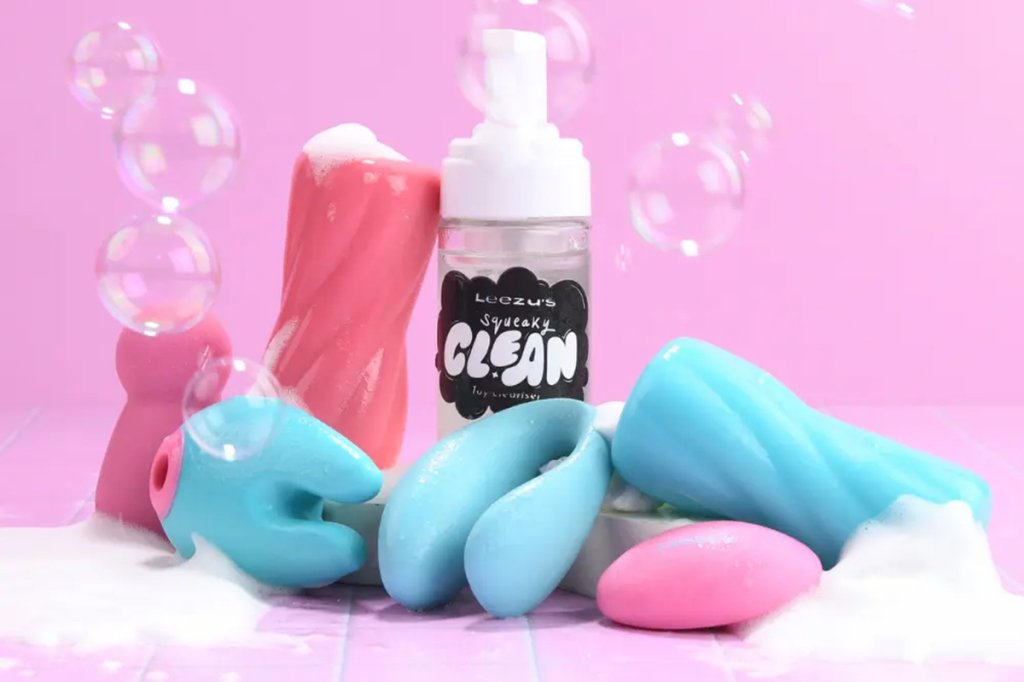
The health stakes are higher than most people realize. According to the Mayo Clinic, improper cleaning of intimate devices is a leading driver of bacterial vaginosis (BV) and yeast infections — conditions that affect approximately 75% of women at least once in their lifetime. Even a thin layer of residual bacteria can shift vaginal pH away from its healthy range of 3.8–4.5, creating the exact environment where pathogens thrive.
Residual bacteria and pH disruption are directly connected. When harmful microorganisms survive on a device’s surface between uses, they transfer back during the next session. That transfer introduces foreign bacteria to the vaginal canal, overwhelming the naturally protective Lactobacillus population and tipping pH balance toward infection risk.
High-tech devices compound this challenge significantly. Modern intimate devices — particularly those with articulating heads, flapping mechanisms, or precision suction nozzles — feature intricate geometries that a quick wipe simply cannot address. Crevices around motor joints, silicone folds, and suction chambers create sheltered microenvironments where moisture and organic material accumulate. Standard surface wiping misses these zones entirely.
Biofilm is the hidden threat most users never consider. Research on enhanced cleaning protocols confirms that biofilm—a structured community of bacteria encased in a protective matrix — forms rapidly on inadequately cleaned surfaces. Inside suction nozzles and around flapping heads, biofilm can establish itself quickly after use. Once formed, it resists simple wiping and even many spray-based cleaners.
The sophistication of today’s devices demands a cleaning approach that matches their engineering. And that conversation starts at a level even deeper than technique — it starts with the material your device is made from.
Material Matters: Identifying Porous vs. Nonporous Surfaces
Not all intimate device materials are created equal — and the difference between porous and nonporous surfaces can determine whether cleaning actually protects you or simply creates a false sense of security.
The material your device is made from is a crucial factor in whether it can ever be truly sanitized.
Porous materials — including jelly, PVC, and vinyl — contain microscopic pits and channels within their structure. According to the International Society for Sexual Medicine, these tiny cavities trap bacteria, bodily fluids, and lubricant residue in ways that no surface wipe or rinse can reach. Even aggressive scrubbing only addresses what’s visible; contamination embedded deeper in the material stays put. This is especially relevant for textured devices like sleeves — understanding how to clean a fleshlight, for example, starts with recognizing that its TPE construction is inherently porous, meaning thorough flushing and complete drying are non-negotiable steps, not optional ones.
Nonporous materials — medical-grade silicone, borosilicate glass, stainless steel, and ABS plastic — have smooth, sealed surfaces at the molecular level. Pathogens have nowhere to hide, making proper disinfection genuinely achievable with the right technique.
| Material Type | Porosity | Cleaning Difficulty |
|---|---|---|
| Jelly / PVC / Vinyl | High | Cannot be fully sanitized |
| TPE / TPR | Moderate–High | Difficult; requires thorough flushing |
| ABS Hard Plastic | Nonporous | Moderate; surface-clean effectively |
| Borosilicate Glass | Nonporous | Easy; fully sterilizable |
| Stainless Steel | Nonporous | Easy; fully sterilizable |
| Medical-Grade Silicone | Nonporous | Easy; boilable if non-motorized |
Investing in body-safe, nonporous devices isn’t just a quality upgrade — it’s a hygiene decision. High-tech stimulators built from medical-grade silicone give cleaning routines a fighting chance, a point worth keeping in mind as we move into the specific care demands of today’s most sophisticated multi-function devices.
The High-Tech Deep Clean: Caring for Triple-Action Stimulators
Knowing how to clean sex toys effectively becomes genuinely complex when your device features multiple moving parts, cavities, and sensitive electronics working together.
The golden rule: clean in accordance with the device’s design.
As the Sexual Health Alliance notes, devices with Triple Stimulation technology demand specific attention to the nooks and crannies where biofilm quietly accumulates — areas that a simple wipe-down will never reach.
Suction Ports
Suction cavities create a sealed air channel that can trap moisture, lubricant residue, and bacteria after every use. Forcing water directly into the port risks damaging the internal motor.
- Hold the port opening downward under lukewarm running water, letting gravity assist drainage rather than pressure
- Use a soft silicone cleaning brush or folded pipe cleaner to gently dislodge residue from the rim
- After rinsing, activate the suction function briefly to expel any trapped water before air-drying
Flapping Heads
Oscillating or flapping mechanisms contain tight pivot points and micro-grooves where organic matter builds up fast. Even nonporous materials harbor risks when crevices go unaddressed.
- Manually flex the flapping head several times while rinsing to open the pivot joint and flush residue out
- Apply a drop of mild, unscented soap directly into the joint and work it through with a soft-bristle toothbrush
- Rinse thoroughly until water runs clear from every fold
Vibration Nodes
Vibration motors sit close to seams and charging ports — the two most vulnerable points for water ingress.
- Check the IPX rating before submerging; IPX6 or lower means surface cleaning only
- Wipe vibration nodes with a damp cloth rather than running them under full water flow
- Dry the charging port completely before storing to prevent corrosion and seal degradation
Understanding what to avoid during this process matters just as much as technique — and the cleaning agents you choose can silently compromise the very materials you’re trying to protect.
The Danger of Harsh Chemicals on Medical-Grade Silicone
The wrong cleaning product can destroy a premium device faster than regular use — and knowing how to clean sex toys safely starts with understanding what not to reach for.
Using bleach and alcohol-based cleaners is a common mistake people make with high-end devices. At first glance, they seem like logical disinfectants. In practice, they’re quietly destructive. Silicone — particularly the soft, skin-like formulations used in premium stimulators — has a molecular structure that reacts poorly to harsh oxidizing agents. The result? Micro-tears at the surface level that are invisible to the naked eye but create thousands of tiny harbors for bacteria, fungi, and residue buildup.
“Using harsh chemicals like bleach or alcohol-based cleaners can degrade medical-grade silicone and cause micro-tears in the material.” — Dr. Evan Goldstein, Bespoke Surgical.
A less obvious but equally damaging mistake involves silicone-based lubricants.. When silicone lube contacts a silicone toy, a chemical bonding reaction occurs that breaks down the toy’s surface integrity. The lube essentially fuses with the outer layer, causing swelling, tackiness, and permanent texture degradation. If your device is made from body-safe silicone, always pair it with water-based lubricants exclusively.
⚠️ Warning: Material Degradation Risk Bleach, rubbing alcohol, acetone, and silicone-based cleaners will compromise medical-grade silicone over time — even with single-use exposure. Surface degradation is often irreversible and can introduce health risks through compromised material integrity.
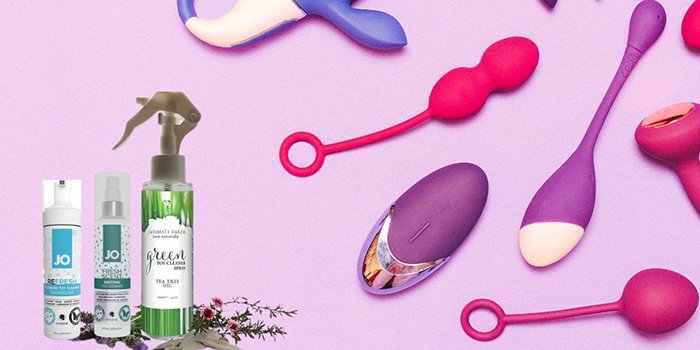
Safe alternatives don’t need to be complicated. A fragrance-free, gentle soap with warm water handles most routine cleaning effectively. For more thorough sanitization — particularly after sharing or longer intervals between use — specialized toy cleaners formulated specifically for silicone are worth the investment. These pH-balanced, surfactant-based solutions clean without stripping the surface. When choosing body-safe devices, the cleaning regimen should be part of that decision from day one.
Speaking of material-specific cleaning needs, sleeve-style toys present their own unique challenges — ones that require an entirely different approach.
Step-by-Step: How to Clean a Fleshlight and Sleeve-Style Toys
A complete toy cleaning guide for sleeve-style devices requires more than a quick rinse — the tubular interior creates the perfect conditions for bacterial growth if not fully addressed.
Standard wiping is never enough for enclosed sleeves. As the Sexual Health Alliance notes, water or cleaner must actively circulate through cavities to eliminate residue — not just contact the surface. Follow these steps every single time:
- Remove the sleeve from its hard casing. Never clean sleeve-style toys as one assembled unit. Separating the components exposes every surface that collects residue.
- Rinse the sleeve immediately after use. Run warm (never hot) water through both ends of the tunnel, flushing out any fluid. Heat degrades the material’s texture over time.
- Apply a toy-safe, fragrance-free cleanser. Work it through the interior by hand, gently massaging the textured walls. Avoid antibacterial soaps — their chemical compounds compromise the porous material. (For more on choosing body-safe materials that withstand regular cleaning, the principle applies here too.)
- Rinse thoroughly until no suds remain. Soap residue trapped in the texture causes irritation on next use.
- Pat the exterior dry, then air-dry the interior completely. This step is non-negotiable. Dark, moist interiors are prime environments for mold — placing the sleeve upright or propped open accelerates airflow and prevents it.
- Apply renewal powder once fully dry. Cornstarch-based renewal powder restores the soft, realistic texture that degrades with washing. Avoid talc-based products entirely.
- Reinsert into the casing only when bone-dry. Sealing moisture inside the casing undoes every step above.
Pro Tip — Drying Technique: Stand the sleeve vertically against something stable, open end facing down, in a clean, well-ventilated area. A small fan directed nearby significantly reduces drying time without introducing lint or debris.
Once the sleeve is dry, how you store it matters just as much as how you cleaned it — and that’s where most owners make their next mistake.
Drying and Storage: Preventing Environmental Contamination
Knowing how to correctly clean and store your sex toys is only complete when you treat drying and storage as non-negotiable final steps — not afterthoughts.
The way you store a toy can undo everything a thorough cleaning accomplished.
Drying with lint-free cloths matters more than most people realize. Standard cotton towels shed microscopic fibers that cling to silicone surfaces, creating a breeding ground for bacteria between uses. A dedicated lint-free microfiber cloth removes moisture without leaving residue — and for premium medical-grade silicone devices, that distinction protects the material’s integrity over time.
Chemical migration is a lesser-known but serious storage risk. According to the International Society for Sexual Medicine, porous materials absorb body fluids and bacteria, which means storing toys made from different material types together compounds contamination risks. Plasticizers from cheaper PVC or TPE items can leach onto adjacent silicone surfaces, subtly degrading them. What looks like clean storage can actively compromise your safest devices.
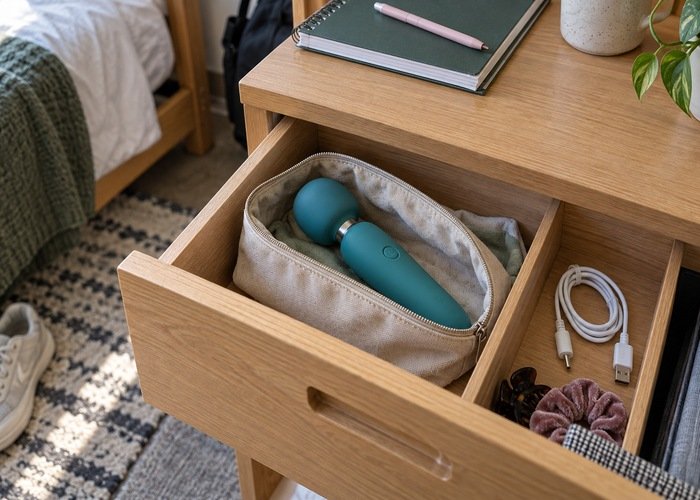
Breathable pouches versus airtight containers is a real debate with a clear answer. Sealed plastic bags trap residual moisture, which accelerates microbial growth. On the other hand, breathable cotton or silk pouches allow airflow while protecting surfaces from dust, lint, and contact with other materials. Dedicated fabric pouches — often included with quality vibrators — exist for exactly this reason.
Storage Dos and Don’ts:
- ✅ Do dry thoroughly with a lint-free cloth before storing
- ✅ Do store each toy in its own individual breathable pouch
- ✅ Do keep storage in a cool, dry drawer away from direct sunlight
- ❌ Don’t store multiple toys loose together in one bag or box
- ❌ Don’t use airtight plastic bags as a long-term storage solution
- ❌ Don’t store toys with batteries fully inserted for extended periods
Proper environmental hygiene between uses protects your investment — and as you’ll see next, the electronics inside your devices demand their own layer of care.
Advanced Maintenance for Battery and Motor Longevity
Protecting your toy’s electronics is just as critical as cleaning its surfaces — neglect here shortens lifespan and creates hidden hygiene risks.
Charging port hygiene is the most overlooked maintenance step most people skip entirely.
Charging Port Care. Moisture and lint are silent enemies of USB-C and magnetic pin connectors. After cleaning, always ensure the charging port is completely dry before plugging in — even a small amount of residual water can corrode contacts over time. In practice, a quick pass with a dry cotton swab around the port opening before charging removes debris that accumulates during storage. For toys with magnetic pins, check that the contact points are free of lubricant residue, which can interfere with the connection and create bacterial buildup in the crevices.
Battery Health Between Uses. Storing a toy on a fully depleted battery is one of the fastest ways to permanently damage its lithium-ion cell. A common pattern is that devices left discharged for weeks lose charge capacity incrementally — and eventually stop holding a charge altogether. The better approach: charge your toy to around 50–80% before storing it for extended periods, and top it off every few months during long stretches of non-use. Premium materials used in triple-action stimulators require gentle, specialized care to maintain mechanical components, and the motor is no exception — consistent power delivery keeps vibration patterns performing as designed. If you’re investing in a quality motorized device, protecting the battery is protecting that investment.
Knowing When to Replace. No toy lasts forever, and recognizing end-of-life signs matters for both safety and hygiene. Watch for these indicators:
- Degraded surfaces — stickiness, cracking, or discoloration in the material
- Weakened motor output — vibration intensity drops noticeably even on a full charge
- Persistent odors — smells that cleaning no longer resolves suggest microbial penetration
- Charging failure — a port or battery that no longer holds charge reliably
When any of these appear, continued use carries real risk. Replacing the toy is the safest choice.
With the mechanical side covered, a simple hygiene checklist can pull all of these care principles together into one reliable routine.
The Bottom Line: Your Hygiene Checklist
Good toy hygiene comes down to a handful of consistent habits — master these, and you dramatically reduce your risk of irritation, infection, and premature wear.
As Mayo Clinic notes, residual bacteria on intimate surfaces can disrupt vaginal pH balance, making thorough cleaning after every use a genuine health priority, not optional housekeeping. A clean toy isn’t just about aesthetics — it’s about protecting your body’s natural equilibrium.
Here are the five non-negotiable steps to carry forward from everything covered in this article:
- Identify your material first. Non-porous materials like medical-grade silicone tolerate more thorough cleaning methods. If you’re unsure whether your toy is truly body-safe, non-porous material basics are worth reviewing before you reach for any cleaner. Porous materials require extra caution and more frequent replacement.
- Use warm water and the right soap. Mild, unscented soap or a purpose-formulated toy cleaner is the safest choice for virtually every material. Fragranced products introduce unnecessary irritants to sensitive tissue.
- Give complex features dedicated attention. Suction nozzles, flapping heads, and articulated moving parts trap residue in ways flat surfaces don’t. Use a soft brush or cotton swab to work cleaner into every fold and channel.
- Air dry completely before storage. Even a small amount of trapped moisture accelerates bacterial and mold growth. Store in a breathable pouch — never sealed plastic — once the surface is fully dry.
- Avoid harsh agents. Alcohol, bleach, and silicone-based lubricants. all compromise silicone toy surfaces over time. In practice, the damage isn’t always visible immediately, which is exactly what makes it dangerous.
One important caveat: even a meticulous routine doesn’t fully compensate for a compromised material. If a toy shows discoloration, surface tackiness, or an unusual odor that persists after cleaning, replacement is the right call.
Still have questions about specific scenarios — like whether your dishwasher counts as a cleaning method or how often to clean based on frequency of use? The next section tackles the most common hygiene questions directly.
Frequently Asked Questions About Toy Hygiene
Toy hygiene questions are common, and getting clear answers protects both your health and your investment in premium devices.
Can I put my sex toys in the dishwasher?
Only non-motorized, non-porous toys — such as solid silicone, borosilicate glass, or stainless steel — can safely go on the top rack without detergent. Never place battery-powered or rechargeable devices in the dishwasher, as water intrusion destroys electronand voids warranties. When in doubt, hand-wash instead.
How often should I clean my stimulator?
Clean every toy before and after every single use — no exceptions. Bacteria multiply rapidly on toy surfaces, and research on enhanced cleaning protocols confirms that consistent cleaning cycles dramatically reduce pathogen load compared to irregular maintenance. Storage in a breathable pouch between uses adds an extra layer of protection.
What happens if I use a toy without cleaning it first?
In practice, skipping pre-use cleaning transfers bacteria, dust, and residual lubricant from storage directly into intimate contact. This can trigger bacterial vaginosis, yeast infections, urinary tract infections, or skin irritation. As Vinmec’s intimate hygiene guidance notes, proper hygiene after sexual activity — including toy use — is essential to preventing these outcomes.
Is boiling water safe for all silicone toys?
No — and this is a critical caveat. Boiling is only appropriate for 100% non-motorized medical-grade silicone. If a toy contains a motor, battery, or charging component, boiling will cause irreversible damage. Dr. Evan Goldstein emphasizes that premium materials require gentle care to preserve their skin-like texture, so always confirm your toy’s full material composition before applying heat. Realistic-feel devices, including body-safe options designed for realism, typically include care instructions that specify safer cleaning alternatives.
The bottom line on toy hygiene is straightforward: consistent habits, material-appropriate methods, and a little routine diligence keep you safe and extend the life of every device you own. Start with one habit today — because your health is always worth the extra two minutes.