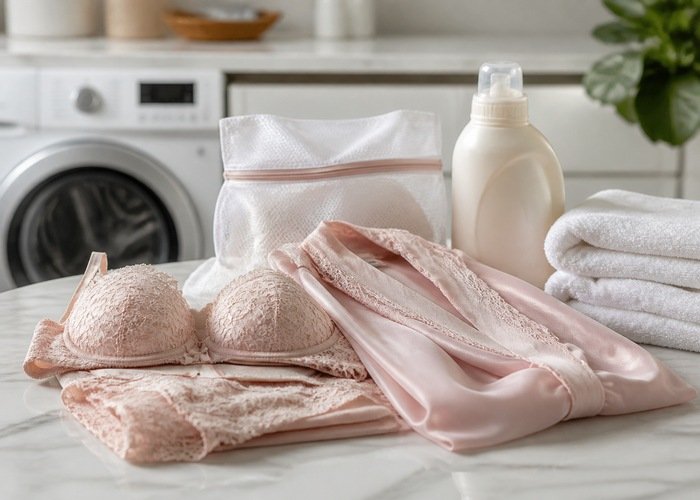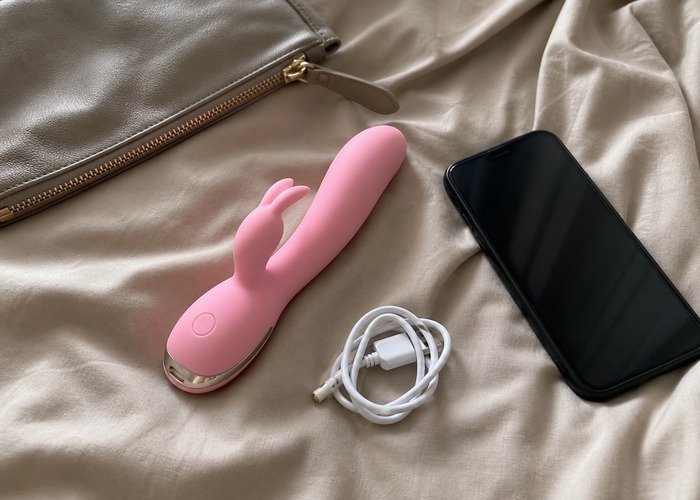
Lingerie has always been personal — but for most of its modern history, it was personal in a way that served someone else’s fantasy. That’s changing fast. Today, intimate wear is being redesigned from the inside out, placing the wearer’s pleasure, autonomy, and wellbeing at the center of every design decision.

“Lingerie is no longer just an undergarment; it is a form of wearable therapy that bridges the gap between fashion and sexual wellness.” — Forbes, Lingerie Industry Analysis
This shift isn’t just cultural — it’s commercial. The global lingerie market is projected to reach $94 billion by 2032, driven by a consumer pivot toward self-love and personal empowerment rather than performance for an outside audience. Wearable therapy — garments and devices engineered to deliver measurable physiological benefit — sits squarely at the intersection of that momentum.
What’s powering this transformation is multi-sensory stimulation technology in adult wellness. Modern intimate devices, including layered-sensation options that combine multiple stimulation modes, are no longer accessories to intimacy — they are the experience. Fashion has met functional biology.
Understanding why this technology works so powerfully on the body, however, requires a closer look at the neurochemistry happening beneath the skin.
The Science of Sensation: How Multi-Sensory Tech Triggers Oxytocin
The previous section established that intimate wear is evolving beyond the decorative. But what’s actually happening inside the body when technology replicates human touch? The answer is deeply biochemical — and it’s changing the way designers think about pleasure.
Human skin is extraordinarily sensitive to context. Warmth, pressure, and rhythmic contact aren’t just pleasant — they’re signals the nervous system recognizes as safe, intimate touch. When intimate devices combine gentle heat with rhythmic tapping, the body doesn’t fully distinguish the source. It responds the same way it would to a partner’s hand. According to research published in the Frontiers in Psychology, incorporating multi-sensory elements like heating and rhythmic tapping into intimate wear mimics human touch, which triggers the release of oxytocin — the neurochemical most closely associated with bonding, trust, and deep physical pleasure.
Oxytocin isn’t just about connection — it actively amplifies sensory pleasure, creating a feedback loop that makes multi-sensory stimulation measurably more satisfying than single-mode alternatives.
This is precisely why automated haptic feedback intimate devices represent such a significant leap forward. Rather than relying on a single stimulus, triple stimulation — combining vibration, localized heat, and percussive tapping — engages multiple nerve pathway types simultaneously. Broad-coverage vibration activates surface nerve endings, heat deepens tissue response, and rhythmic tapping reaches deeper pressure receptors. Together, they saturate the sensory system in a way no single-mode device can replicate. For those exploring layered forms of stimulation, this multi-channel approach consistently produces fuller physical responses.
💡 How It Works: The Oxytocin Loop
Trigger: Warmth + rhythmic touch activates skin receptors Signal: Nerve pathways relay “safe touch” signals to the brain Release: Hypothalamus releases oxytocin into the bloodstream Effect: Oxytocin heightens sensitivity, reduces cortisol, and deepens physical response Loop: Intensified sensation prompts further oxytocin release — amplifying pleasure over time
Understanding why these sensations work differently at a mechanical level matters too — and that’s exactly where the distinction between tapping and vibration becomes critical.
Tapping vs. Vibration: Understanding Automated Haptic Feedback
Now that we understand why the body responds so powerfully to multi-sensory input, it’s worth getting specific about how today’s devices deliver that input — because not all sensation technology is created equal.
Automated haptic feedback refers to a device’s ability to deliver precisely programmed patterns of physical sensation — pulses, rhythms, and percussive bursts — without manual adjustment. In the context of intimate wear, this means the device responds to preset sequences or real-time signals rather than simply running at a fixed buzz.
Here’s where the real distinction lies:
| Technology | Mechanism | Sensory Result |
|---|---|---|
| Standard vibration | Oscillating motor spinning off-center | Surface-level buzzing, often numbing over time |
| Haptic tapping | Rhythmic percussion actuators | Deeper, pulsed impact reaching underlying nerve clusters |
Standard vibration works through an oscillating motor — a small weighted component spins rapidly, creating a continuous tremor. It’s effective, but the sensation stays largely at the skin’s surface. Over extended use, the nervous system adapts, reducing perceived intensity.
Rhythmic percussion, by contrast, delivers distinct, spaced strikes — more like a drumbeat than a hum. According to research published in the Frontiers in Psychology, rhythmic tapping engages deeper nerve endings, providing a more holistic sensory experience than simple vibration alone. For clitoral and internal stimulation, this translates to sensation that resonates rather than simply buzzes.
Haptic precision is the difference between a sensation that fades into the background and one that commands the body’s full attention.
This technology becomes especially compelling in remote controlled multi-mode sexual wellness devices, where partners can toggle between haptic patterns dynamically. Which brings up a natural question: what happens when that control extends across miles rather than inches?
Bridging the Distance: Syncing Remote-Controlled Devices for Couples
Understanding haptic feedback mechanics is only half the story. The other half is who controls it — and from where. As long-distance relationships become increasingly common, knowing how to sync remote controlled devices for couples has shifted from a novelty skill to a genuinely meaningful relationship practice.
Search interest for “functional lingerie” and remote-controlled wellness has surged 125% year-over-year, signaling that couples aren’t just curious — they’re actively investing in tech-assisted intimacy. Long-distance apps now allow one partner to trigger sensations in real time, collapsing physical distance into something that genuinely feels shared.
A practical sync sequence typically looks like this:
- Download the device’s companion app on both partners’ smartphones
- Pair the wearable via Bluetooth within the app settings
- Enable remote access so one partner can grant control permissions
- Set a baseline intensity together before handing over control
- Use in-app chat or a video call running simultaneously for emotional connection
“Remote play isn’t just physical — it’s a trust exercise. Handing someone control of your sensations across a thousand miles creates a psychological intimacy that face-to-face touch sometimes can’t replicate.”
That emotional dimension is real. Research on immersive interactive technologies is truncated confirms that shared virtual experiences significantly strengthen relational bonds. For couples new to app-connected devices, getting comfortable with the basics first makes the shared-control experience far more intuitive.
As these devices grow more sophisticated, they’re also growing more wearable — setting the stage for an exciting convergence with fashion itself.
Trendy Talk: The Future of Fashion-Forward Wellness
The conversation around intimate tech is shifting — and it’s moving squarely onto the runway. The ‘Fashion 潮’ (Fashion Tide) movement, which champions the intersection of trend-setting aesthetics and functional utility, is now embracing wearable wellness devices as legitimate style objects. This isn’t a niche crossover. It’s a cultural signal that discreet tech is the ultimate fashion statement.
Today’s most forward-thinking designers are asking the same question couture houses once reserved for jewelry: can this be beautiful and powerful at once? The answer, increasingly, is yes.
Devices that look indistinguishable from luxury lingerie are redefining what ‘wearable technology’ actually means.
Medical-Grade Materials, Luxury Aesthetics
The shift toward medical-grade silicone finished in textures that mimic silk or lace is one of the most significant developments in this space. Sextech’s evolving market highlights how material innovation is closing the gap between clinical functionality and high-end sensory appeal. Soft, body-safe, and visually refined — these devices now belong in the same aesthetic conversation as luxury wellness accessories.
Understanding the sensory dimension matters here too. Just as designers differentiate texture, engineers differentiate stimulus — and knowing how does tapping stimulation differ from vibration informs how these experiences are embedded into wearable form factors. Tapping delivers percussive, rhythmic pulses; vibration delivers continuous wave frequency. Each requires a different internal architecture, which now influences the device’s silhouette itself.
Invisible by Design
Discreet wearability is driving innovation in miniaturization and ergonomic shaping. Whether you’re exploring app-controlled options for hands-free moments or seeking something worn seamlessly beneath everyday clothing, the design ethos is unified: invisible by default, extraordinary by experience.
As this aesthetic evolution accelerates, practical questions naturally follow — and the next section addresses the most common ones head-on.
Frequently Asked Questions About Intimate Tech
Is multi-sensory intimate tech safe for sensitive skin?
Most premium devices are crafted from body-safe, non-porous silicone, which is hypoallergenic and resistant to bacterial buildup. However, not all products meet the same manufacturing standards — always verify that a device is labeled medical-grade or body-safe silicone before purchasing. As Sextech’s Billion-Dollar Blind Spots highlights, regulatory gaps in this industry mean consumer due diligence matters more than ever.
How long do remote-controlled device batteries typically last?
Battery life varies widely depending on intensity settings and connectivity features, but most rechargeable intimate devices deliver between one and three hours of continuous use per charge. Bluetooth and app-based remote control can draw additional power, so expect shorter sessions when paired features are active. Charging cycles of two to three hours are standard across most mid-to-premium range products.
Can these devices be used without an app?
Many multi-sensory devices include manual controls — buttons or touch panels — that operate independently of any smartphone app. The app typically unlocks advanced features like custom vibration patterns or partner connectivity, but core functionality remains accessible offline. The best intimate tech works intuitively with or without a digital interface, ensuring accessibility for every user.
What is the best way to clean high-tech silicone?
Warm water and a fragrance-free, antibacterial toy cleaner are the gold standard for silicone care. Avoid submerging any device with electronic components unless it’s explicitly rated waterproof, and always air-dry fully before storage. Understanding how your body responds to different materials — explored further in this guide to unlocking female pleasure — reinforces why hygiene and material quality go hand in hand.
The future of intimate wear is sensory, connected, and deeply personal — and asking the right questions is exactly where that journey begins.
Key Takeaways
- Download the device’s companion app on both partners’ smartphones
- Pair the wearable via Bluetooth within the app settings
- Enable remote access so one partner can grant control permissions
- Set a baseline intensity together before handing over control
- Use in-app chat or a video call running simultaneously for emotional connection