If you’re wondering how to dispose of sex toys discreetly, safely, and in line with real regulations, you’re in the right place. As a tester who handles devices every day, I’ll show you how to dispose of sex toys without guesswork—covering batteries, materials like silicone and TPE, privacy for app‑connected toys, and where to take e‑waste. The guidance takes a global view with the United States as the main example and quick notes for EU and UK readers.
Key takeaways
- How to dispose of sex toys depends on two things—electronics and material. Batteries and circuits go to e‑waste or HHW programs, not the trash.
- For rechargeable and button‑cell vibrators, isolate battery terminals and use certified or municipal collection. The U.S. Environmental Protection Agency explains why this prevents fires and where to find proper channels; see the EPA overview of used lithium‑ion batteries and battery collection best practices.
- Most non‑electronic silicone toys are not curbside recyclable; if no specialty option exists, dispose as a last resort after thorough cleaning. See Earth911’s summary on silicone recycling limitations.
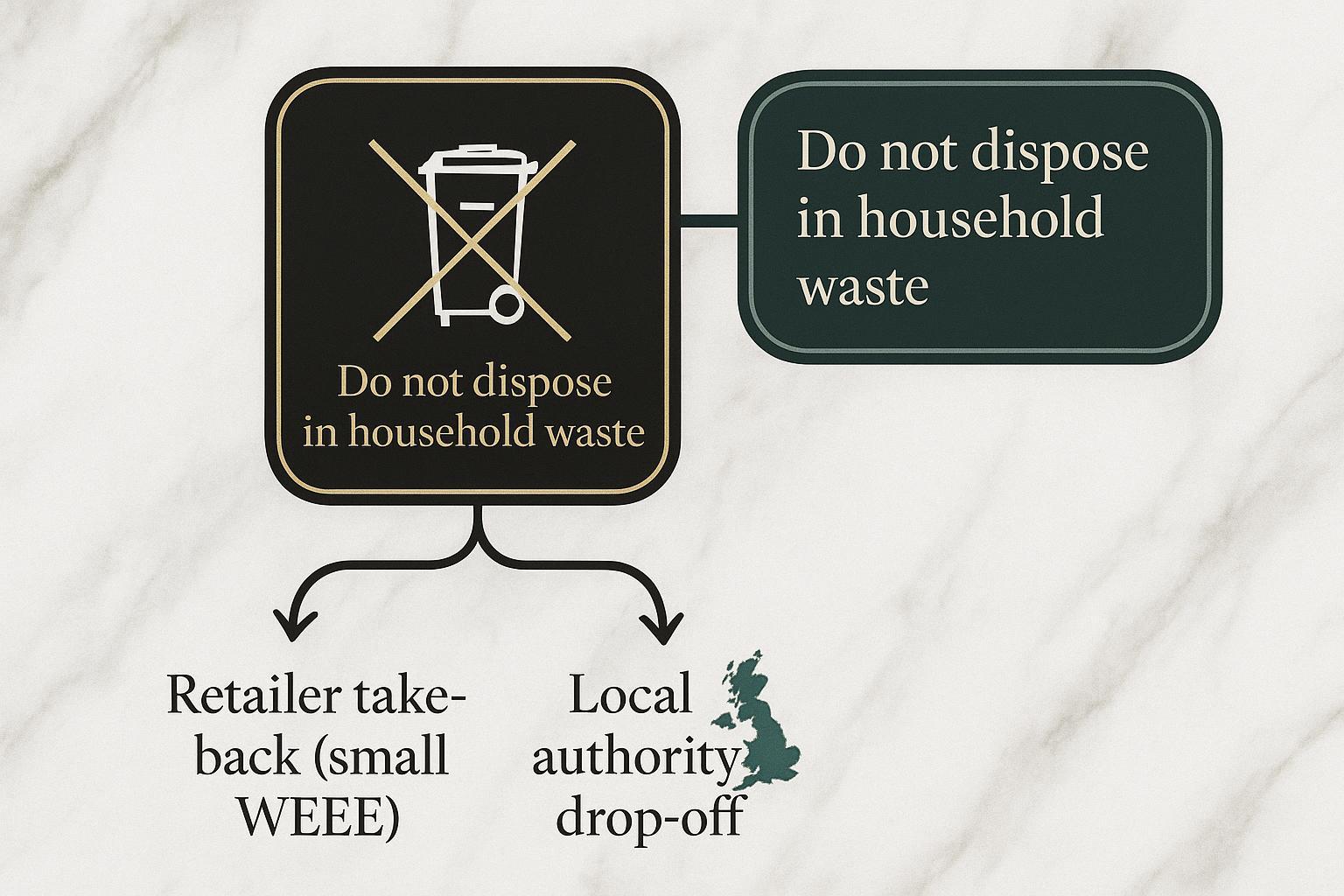
- In the EU and UK, the crossed‑out wheeled bin symbol means separate collection is required. See UK GOV guidance on WEEE and the EU Commission’s WEEE overview.
Which route should you use for sex toy disposal
A 60‑second triage helps you decide how to dispose of sex toys safely:
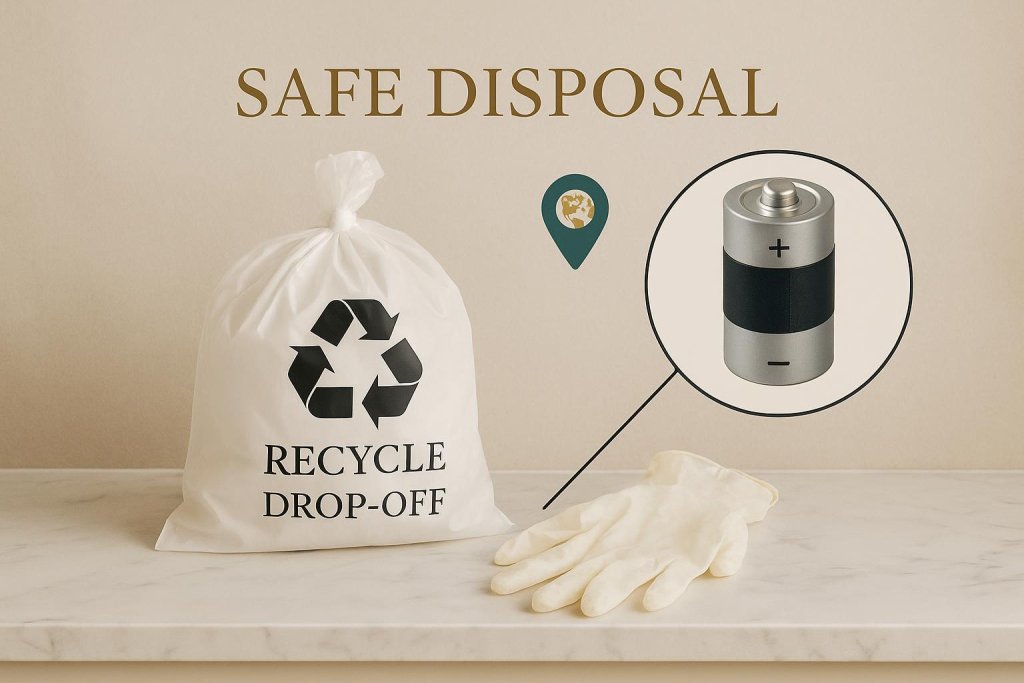
- Does it contain a battery or circuit board? Treat it as e‑waste. Do not place in trash or curbside recycling. Use certified recyclers, municipal HHW, or public drop‑offs.
- Is it non‑electronic silicone, TPE, glassware, or metal? Clean thoroughly. Follow local rules. Silicone and TPE rarely have curbside options; glassware and clean metals vary by locality.
- Is it app‑connected? Wipe personal data first, then proceed with the correct material or e‑waste route.
How to dispose of sex toys made of silicone
Silicone without electronics is usually not accepted in curbside programs. Here’s how to dispose of sex toys made of silicone without contaminating recycling streams:
- Clean and dry the toy. Remove any non‑silicone parts like plastic caps or internal weights.
- Check for specialty mail‑in programs in your area. Availability is limited and many brand mail‑backs exclude adult products. Earth911 notes that consumer silicone often requires specialty handling and is not a standard curbside material; see Earth911’s silicone guidance.
- If no specialty option exists, landfill is the last resort. Package discreetly. Do not place silicone in curbside recycling, as it can contaminate accepted streams.
This approach keeps you compliant while staying realistic about how to dispose of sex toys made of silicone across most municipalities.
How to dispose of sex toys that are rechargeable vibrators
Rechargeable vibrators typically contain lithium‑ion cells. Here’s how to dispose of sex toys with sealed rechargeable batteries safely and without legal risk:
- Do not put rechargeable devices in trash or curbside bins. Lithium‑ion cells can spark and ignite during collection and processing. The EPA’s consumer pages on used lithium‑ion batteries and best practices toolkit explain proper handling and why terminal isolation matters.
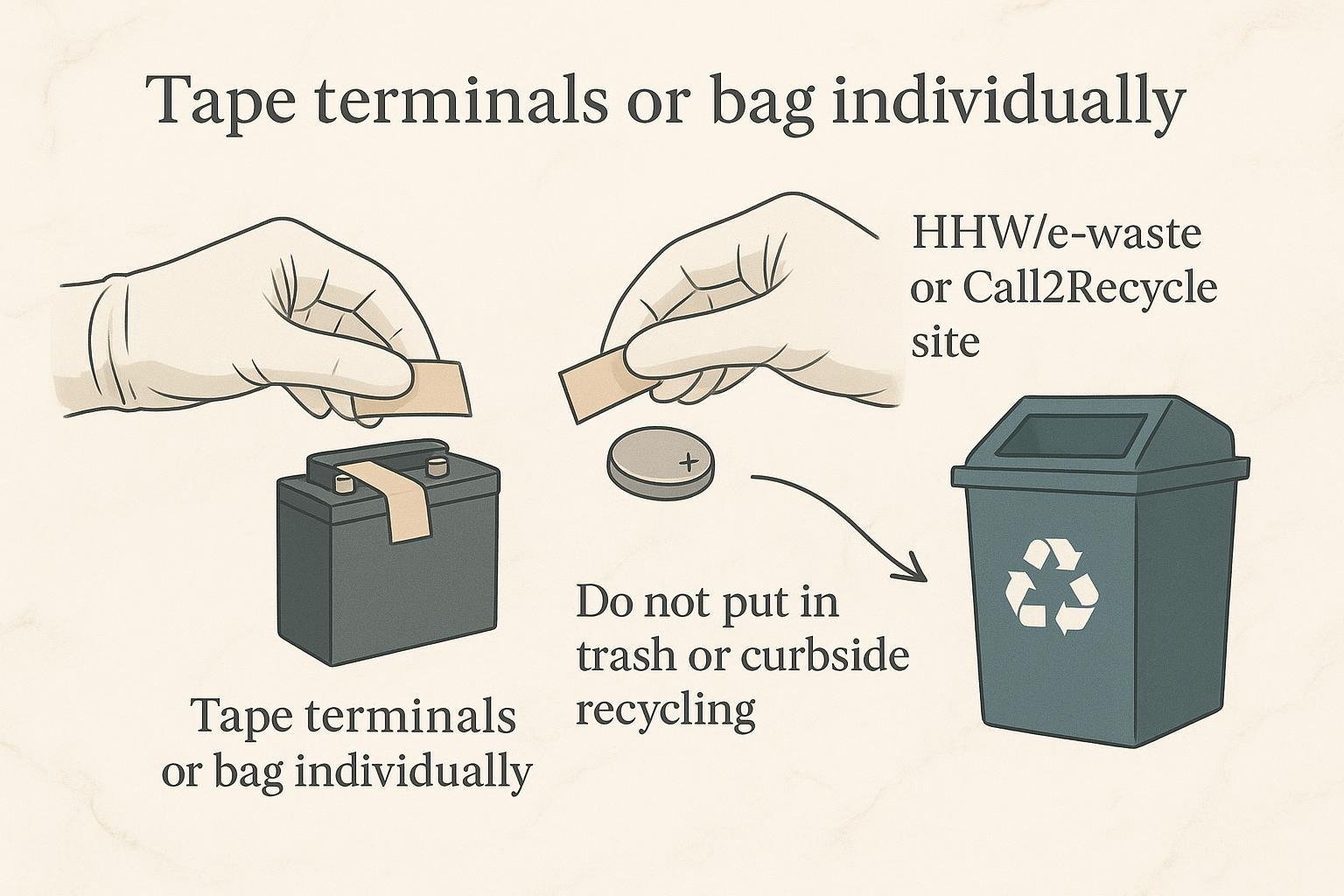
- If a device is designed for user battery removal, cover exposed terminals with non‑conductive tape or place each cell in an individual plastic bag before drop‑off. If the battery is sealed and not user‑removable, treat the entire device as e‑waste and hand it off intact.
- Prefer certified e‑waste recyclers. You can verify R2 or e‑Stewards certification via the EPA’s certified electronics recyclers page, which points to recognized directories.
- Public drop‑offs for household batteries are also common in North America. Use the official Call2Recycle locator to find a nearby site.
This is the most reliable path for how to dispose of vibrators that are rechargeable without causing fires or contaminating material streams.
How to dispose of sex toys powered by button‑cell bullets
Button‑cell bullets use small primary or rechargeable cells. For safe sex toy disposal in this category:
- Remove the button‑cells. Either tape both sides of each battery or place each one in its own plastic bag to prevent short‑circuiting during transport.
- Take batteries to a public drop‑off or HHW site using the Call2Recycle official locator. The EPA’s consumer pages on used household batteries explain why these cells should never go in curbside bins; see EPA guidance for used household batteries.
- If the shell has an internal circuit board, treat the shell as e‑waste. If the shell is inert with no electronics, follow local guidance for hard plastics.
How to recycle sex toys made with ABS, glassware, or metal
Different materials call for different routes when you plan how to dispose of sex toys without electronics:
- ABS in small devices: While ABS is recyclable in principle, small mixed‑material electronics do not belong in curbside bins. Remove batteries and send the intact device to e‑waste or a certified recycler; see the EPA’s certified electronics recyclers overview.
- Glassware: Many municipalities do not accept non‑container glass curbside. Follow local guidance and avoid contaminating glass streams.
- Clean metal components without electronics: Use local scrap metal options. Policies vary, so confirm drop‑off requirements in your area.
These routes reduce contamination and keep you aligned with local rules while you decide how to recycle sex toys that are non‑electronic.
App‑connected sex toy disposal and privacy
If your device pairs with an app or stores data, protect your privacy before any sex toy disposal step:
- Back up anything you want to keep, then perform a full factory reset or data erase. Unpair Bluetooth and remove device authorizations in the companion app and your account settings. These steps mirror consumer device hygiene explained by the U.S. Federal Trade Commission; see the FTC’s guide to removing personal information before you get rid of a device.
- If a recycler cannot accept the device intact and there is no way to wipe embedded storage, physically destroying memory on the circuit board is a last resort. Do not damage or puncture any batteries. Remove and isolate batteries first, using the EPA’s handling tips linked above, and then deliver boards to appropriate e‑waste channels.
This privacy‑first workflow ensures your data is gone before you finalize how to dispose of sex toys that are connected.
Practical micro‑examples you can copy today
Disclosure: KissSelf is our product.
- How to dispose of sex toys when retiring a rechargeable silicone vibrator in the U.S.: Clean and dry the device. If it’s app‑connected, sign out, unpair, and factory‑reset. If the battery is not designed to be removed by the user, hand off the whole device as e‑waste. If removable, tape both terminals or bag the cell individually. Verify a certified facility using the EPA’s certified recyclers page or find a public battery drop‑off through the Call2Recycle locator. For context, a rechargeable format similar to a suction‑style device such as a neutral example like a Clitoral Sucking Vibrator would follow the same safety and e‑waste path if the battery is sealed.
- How to dispose of sex toys like a button‑cell bullet: Remove the button‑cells, tape both sides or bag individually, and take them to a public drop‑off identified via Call2Recycle’s official locator. If the shell contains a circuit board, deliver it to e‑waste. If it is inert plastic, follow local hard‑plastics rules.
- How to dispose of sex toys that are non‑electronic silicone: Clean thoroughly. Look for any specialty silicone mail‑in programs in your region. If none exist or adult products are excluded, dispose as a last resort according to local trash guidelines. Do not place silicone in curbside recycling; see Earth911’s explanation of silicone acceptance for why this is the norm.
These examples model how to dispose of sex toys without confusion, keeping safety, hygiene, and compliance in view.
Recyclability at a glance
| Material or type | Curbside eligible | Best route | One quick step |
|---|---|---|---|
| Silicone, non‑electronic | No | Specialty mail‑in if available; otherwise trash as last resort | Clean thoroughly and remove non‑silicone parts. Source: Earth911 |
| TPE, non‑electronic | No | Trash as last resort | Clean; do not place in curbside bins. Local rules commonly exclude it |
| ABS in small devices | No for mixed devices | E‑waste or certified recycler | Remove batteries; hand off intact device. Source: EPA certified recyclers |
| Glassware, non‑container | Rarely | Follow local guidance | Avoid curbside contamination; many programs exclude non‑container glass |
| Clean metals without electronics | Not typical curbside | Scrap metal stream | Confirm local drop‑off rules for small items |
This matrix helps you plan how to dispose of sex toys by material without fouling up local recycling.
Visual aids you can save
Short video on safe battery handling for drop‑off
For a concise primer on why taping or bagging matters and how collection works, see this segment from Call2Recycle: Battery Collection Safety Training for Solid Waste Facilities. While designed for collection staff, the safety principles apply to consumers preparing batteries for drop‑off.
EU and UK note for sex toy disposal
Look for the crossed‑out wheeled bin symbol on electrical items. It means do not place in household waste and use separate collection. UK readers can review take‑back and local options in UK GOV’s WEEE guidance for consumers and retailers. EU readers can consult the European Commission’s WEEE topic page for how separate collection works in Member States. These pages outline how to dispose of sex toys that contain electronics under regional rules.
Next steps if you are replacing an old device
If you retired a device and want to compare modern options, you can browse current formats in our Vibrators category. This is optional and only after you handle disposal correctly. If you need a refresher on deep cleaning before a hand‑off, revisit the steps above and the EPA links for safe battery handling.
FAQ about how to dispose of sex toys
Are silicone sex toys recyclable
Generally no through curbside programs. If there’s no specialty mail‑in option in your region, clean the item and dispose as a last resort. See Earth911’s silicone overview for why specialty handling is typically required.
What do I do with a dead rechargeable vibrator
Treat it as e‑waste. If the battery is user‑removable, tape terminals or bag the cell individually. If sealed, hand off the intact device. The EPA’s used lithium‑ion battery pages explain why these do not belong in trash or curbside bins.
How do I dispose of button‑cell bullets
Remove the button‑cells, isolate each one by taping or bagging, and take them to a public drop‑off using the Call2Recycle locator. Route any electronic shell to e‑waste.
How do I wipe data from app‑connected toys before disposal
Unpair the device, sign out of accounts, and perform a factory reset or data erase. These steps mirror the FTC’s advice for removing personal information from a device before you get rid of it. After wiping, proceed with the correct e‑waste or materials route.
Where can I take batteries today
To verify a collection site or a certified recycler, start with the Call2Recycle official locator and the EPA’s certified recyclers overview.
This guide focuses on practical, safe methods for how to dispose of sex toys without legal advice. Always follow your local rules, and when in doubt, hand off batteries and electronics to certified programs for everyone’s safety.