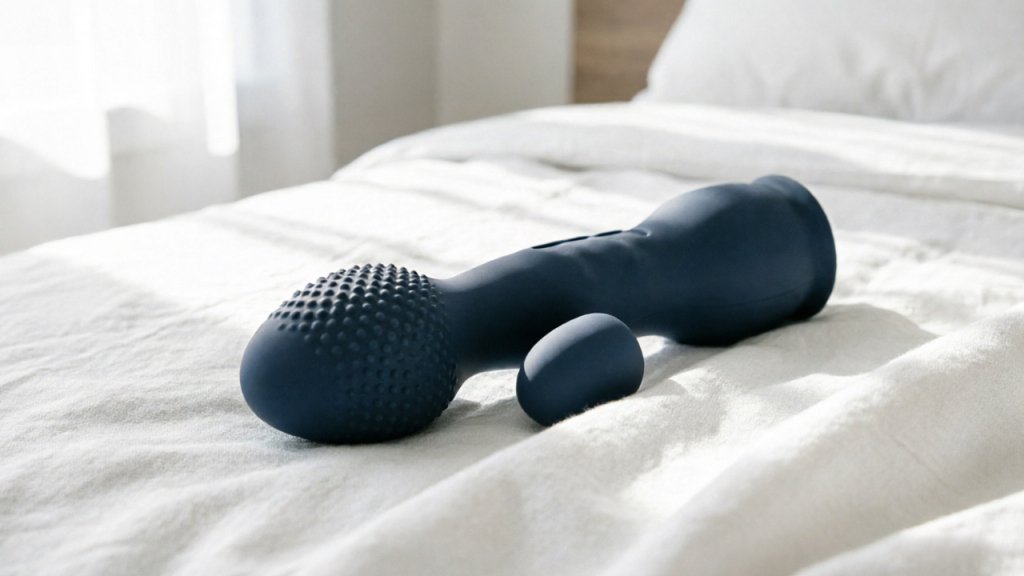
Mutual Masturbation offers you a powerful yet often overlooked path to deeper intimacy. When you and your partner talk openly about your desires, you build trust and strengthen communication. Studies show that sharing these private experiences can create a safe space for vulnerability, which helps foster emotional connection. Exploring this aspect of your relationship is both healthy and safe. Adopting a non-judgmental attitude will support comfort and authenticity as you grow together.
Key Takeaways
- Mutual masturbation fosters trust and communication between partners, creating a safe space for vulnerability.
- This practice allows couples to explore each other’s preferences, enhancing sexual satisfaction and emotional connection.
- Engaging in mutual masturbation can relieve stress, improve mood, and promote better sleep.
- Open dialogue about desires and boundaries is essential for a positive experience and deeper intimacy.
- Using toys and lubricants can add variety and comfort, making the experience more enjoyable for both partners.
- Starting the conversation about mutual masturbation can ease anxiety and set clear expectations for both partners.
- Respecting comfort levels and establishing boundaries ensures a safe and enjoyable experience for everyone involved.
- Mutual masturbation can complement other forms of intimacy, enhancing overall relationship satisfaction.
What Is Mutual Masturbation
Definition and Basics
You may wonder what mutual masturbation means in a clinical sense. Sexual health experts define it as a sexual activity where you and your partner use your hands or toys to stimulate each other’s genitals. This practice can involve both partners stimulating each other at the same time, or one partner watching while the other masturbates. You can choose to engage in this activity together or simply share the experience in each other’s presence. This flexibility allows you to explore pleasure in a way that feels comfortable and safe for both of you.
Mutual masturbation offers a unique opportunity for you to learn about your partner’s preferences. You can observe their reactions, ask questions, and communicate openly about what feels good. This process helps you build a foundation of trust and understanding in your relationship.
How It Differs from Other Intimacy
You might notice that mutual masturbation stands apart from other forms of intimacy. Unlike penetrative sex, this activity does not require full-body contact or intercourse. You and your partner can maintain control over your own bodies while still sharing a deeply personal experience. This distinction makes mutual masturbation an accessible option for couples who want to connect physically without the risks associated with intercourse.
You also gain the benefit of direct communication. By focusing on each other’s pleasure, you can express your desires and boundaries more clearly. This practice encourages you to become more comfortable with your own sexuality and your partner’s needs. You may find that mutual masturbation serves as a bridge between solo exploration and partnered sex, enhancing your overall sexual satisfaction.
Tip: If you or your partner feel nervous about trying something new, start by discussing your comfort levels and expectations. Open dialogue can ease anxiety and set the stage for a positive experience.
Common Myths
Many people hold misconceptions about mutual masturbation. These myths can create unnecessary shame or confusion. You deserve accurate information so you can make informed choices.
- Masturbating a certain number of times is bad for you. In reality, there is no specific number that causes harm. Moderation and personal comfort matter most.
- Some believe there are no benefits to masturbating. However, masturbation can help relieve stress, menstrual cramps, and muscle tension.
- A persistent myth claims that masturbating causes blindness. This idea has no scientific basis.
- You do not have to masturbate alone. Mutual masturbation is a valid and enjoyable option for couples who want to share intimacy in a safe and consensual way.
By understanding the facts, you can approach mutual masturbation with confidence and curiosity. You have the power to decide what works best for your relationship.
Emotional Connection

Building Trust
You build trust with your partner when you share vulnerable moments. Mutual Masturbation creates a space where you both can express your desires and boundaries without fear of judgment. This activity encourages you to communicate openly about what feels good and what does not. You learn to read each other’s visual cues, which helps you understand what excites your partner. Therapists recommend this practice because it allows you to see each other in a raw and honest state. When you both feel safe to explore together, trust grows naturally.
- You discuss preferences and comfort levels.
- You observe each other’s reactions and adjust accordingly.
- You foster conversations about sexual needs.
These steps help you and your partner build a foundation of trust that extends beyond the bedroom.
Reducing Shame
Many people grow up feeling shame about their bodies or sexual desires. You can challenge these feelings by normalizing open conversations about sexuality. When you and your partner practice mutual masturbation, you acknowledge that pleasure is a healthy part of your relationship.
Acknowledging masturbation as a normal part of the human experience helps to reduce shame and stigma that have persisted for centuries. By bringing the topic into the light, without shame, one can challenge these negative narratives and foster a more positive and accepting view of one’s own sexuality.
You support each other in letting go of old beliefs that may have caused embarrassment or discomfort. This acceptance leads to greater confidence and emotional safety.
Enhancing Communication
Clear communication forms the backbone of any strong relationship. You improve your connection when you talk openly about your needs and boundaries. Mutual Masturbation requires you to express what you enjoy and listen to your partner’s feedback. This process helps you both understand each other’s desires and limits.
- You engage in open dialogue about preferences and boundaries.
- You use visual cues to learn what arouses your partner.
- You encourage ongoing discussions about sexual needs.
These habits not only enhance your sexual experiences but also strengthen your overall relationship. When you communicate well, you create a partnership built on respect and understanding.
Physical and Sexual Benefits
Exploring Desires
You can use mutual masturbation as a safe space to explore your desires with your partner. This practice allows you to observe each other’s responses and learn what brings pleasure. You gain insight into your partner’s preferences, which can lead to more satisfying sexual experiences. Many couples find that this activity encourages open communication about fantasies and boundaries.
You may notice several physical benefits when you engage in this practice:
- Relieves stress and promotes better sleep.
- Boosts mood and helps prevent anxiety and depression.
- Enhances sexual satisfaction and intimacy.
- Helps women achieve orgasms more frequently, narrowing the orgasm gap.
- Encourages honest conversations about sexual needs.
You can use these benefits to strengthen your relationship and create a more fulfilling sex life.
Boosting Self-Esteem
You may feel more confident in your body and your sexuality when you share intimate moments with your partner. Mutual masturbation gives you the opportunity to express your needs and receive positive feedback. This process can help you feel valued and understood.
Recent studies show that this practice is positively associated with sexual satisfaction. However, it does not significantly impact sexual self-esteem. You can review the findings in the table below:
| Finding | Description |
|---|---|
| Sexual Satisfaction | Mutual masturbation is positively associated with sexual satisfaction among individuals. |
| Sexual Self-Esteem | There is no significant contribution of mutual masturbation to sexual self-esteem. |
You can use this information to focus on the aspects of your relationship that bring you joy and satisfaction.
Safe Sexual Exploration
You can prioritize safety while exploring your sexuality. Mutual masturbation offers a lower-risk alternative to penetrative sex, especially when you want to reduce the risk of sexually transmitted infections (STIs). You can follow these simple steps to protect yourself and your partner:
- Wash your hands thoroughly before and after touching your partner’s genitals.
- Avoid touching your partner after self-masturbation to minimize the risk of spreading infections.
- Use latex or polyurethane gloves for an extra layer of protection.
You also benefit from additional health advantages. In men, this practice may reduce the risk of prostate cancer and help delay orgasm. In women, it can improve chances of conception and protect against infections. Both partners can strengthen their pelvic floor muscles.
Tip: You can make your experience more enjoyable by discussing boundaries and preferences before you begin. This approach helps you feel safe and respected.
You can use mutual masturbation to deepen your connection, explore your desires, and maintain your sexual health.
Communication and Consent

Starting the Conversation
You may feel nervous about bringing up new experiences with your partner. Open communication sets the foundation for trust and comfort. Sex therapists recommend using clear, honest language when you introduce the idea of mutual masturbation. You can use phrases that express your desires, discuss comfort, and establish safety. The table below offers practical examples:
| Strategy | Example Phrase |
|---|---|
| Expressing desires | I want to try mutual masturbation because I think it will bring us closer. |
| Discussing comfort | I would feel better about trying mutual masturbation if we talk about it first. |
| Establishing safe words | If I’m feeling uncomfortable or would like to stop, I would like to say “pause.” |
You might start by sharing a personal reason for your interest. For example, you could say, “I read about couples who feel more connected after exploring new things together. Would you be open to talking about this?” This approach invites your partner into the conversation without pressure.
Setting Boundaries
Clear boundaries help both you and your partner feel safe. Before you try anything new, talk about what you are comfortable with. Caitlin Cantor, a certified sex therapist, advises,
“Talk to your partner about doing mutual masturbation before trying it. Make boundaries clear, and respect theirs.”
You should revisit these boundaries every time, as comfort levels can change. Another expert notes,
“This is an opportunity to create a safe and trusting space, so it’s important to honor agreements made around mutual masturbation.”
You can agree on what activities feel right for both of you. For example, you might decide to keep the lights dim or set a time limit for the first experience. These agreements help you both feel respected and secure.
Respecting Comfort Levels
Respect forms the core of any intimate experience. You ensure both partners feel comfortable and valued by focusing on mutual consent and open communication. Experts suggest several ways to support comfort and respect:
- Mutual consent is essential for both partners to feel comfortable and respected.
- Open communication about expectations and boundaries enhances the experience.
- Creating a cozy and comfortable space can significantly improve the experience.
- Engaging in relaxing activities beforehand can help calm initial anxieties.
- Start the experience slowly to allow both partners to settle in without pressure.
- Choose comfortable positions that promote relaxation and closeness.
Consider a case where one partner feels anxious. You might suggest watching a romantic movie together first or sharing a quiet conversation. These small steps can ease tension and help both of you feel ready. If either of you feels uncomfortable at any point, use your agreed-upon safe word or signal to pause or stop. This practice builds trust and ensures that both partners feel heard and respected.
Mutual Masturbation Tips
Creating Comfort
You set the foundation for a positive experience by prioritizing comfort. Relationship counselors recommend a series of practical steps to help you and your partner feel at ease:
- Set the Scene: Choose a private, relaxed environment. Dim the lights, play soft music, and ensure you will not be interrupted.
- Communicate: Discuss your desires, boundaries, and any concerns before you begin. This conversation ensures both of you feel safe and respected.
- Start Slowly: Begin by touching yourselves separately. This gradual approach helps reduce anxiety and allows arousal to build naturally.
- Share Your Pleasure: As you grow more comfortable, watch each other. Share what feels good and encourage your partner to do the same.
- Use Toys and Lubricants: Introduce sex toys or lubricants to add variety and comfort.
- Take Turns: Alternate roles. One partner can masturbate while the other observes, then switch.
- Experiment with Positions: Try different positions to find what feels most comfortable and visually stimulating.
- Stay Connected: Maintain eye contact, share gentle touches, or kiss to keep the experience intimate.
- Communicate Throughout: Continue to check in with each other. Express your feelings and adjust as needed.
- Finish Together or Separately: There is no right or wrong way to end the session. Choose what feels most satisfying for both of you.
Tip: If you feel nervous, start with a conversation in a non-sexual setting. This can help reduce pressure and foster openness.
Setting the Mood
You enhance intimacy by creating an inviting atmosphere. A well-prepared environment can help both partners relax and focus on each other. Consider these strategies:
- Choose a cozy, private space and a time when you will not feel rushed.
- Dim the lights or use candles to create a soothing ambiance.
- Play soft music that you both enjoy.
- Use scented candles or essential oils to engage your sense of smell.
- Keep toys, lubricants, and towels within easy reach.
- Observe your breath and maintain eye contact to deepen your connection.
A comfortable setting signals to your partner that you value their experience. You can also use soft blankets or pillows to support your bodies and increase relaxation.
Note: Setting the mood is not just about the physical space. Your emotional state matters. Take a few moments to breathe deeply and focus on being present with your partner.
Techniques and Positions
You can explore a variety of techniques and positions to discover what feels best for you and your partner. Sexual health professionals recommend several options:
- Mutual Mish: One partner lies on their back while the other straddles or kneels between their legs. This position allows for mutual pleasure and easy access.
- Full-Frontal Face-Off: Sit facing each other with legs spread. This enhances connection and visibility.
- Lean on Me: One partner sits on the bed leaning back, while the other sits on their lap. This position supports shared pleasure and closeness.
- Bend Over x 2: Stand or kneel side by side, bending over a sturdy surface. This provides support and a new perspective.
- Ride Em’ Cowfolk: One partner lies on their back while the other straddles them. This allows for genital-to-genital contact and mutual stimulation.
- Side-By-Side Harmony: Lie on your sides facing each other, supported by pillows. This position encourages gentle touches and eye contact.
- Seated Togetherness: Sit cross-legged or across from each other. Take turns pleasuring yourselves while your partner watches.
- Reclined Openness: One partner lies back while the other sits beside them. This position allows for nurturing touches and relaxation.
The table below summarizes these positions for easy reference:
| Position Name | Description | Connection Level |
|---|---|---|
| Mutual Mish | One partner lies back, other straddles/kneels between legs | High |
| Full-Frontal Face-Off | Sit facing each other, legs spread | High |
| Lean on Me | One sits back, other sits on lap | Medium |
| Bend Over x 2 | Stand/kneel side by side, bend over surface | Medium |
| Ride Em’ Cowfolk | One lies back, other straddles | High |
| Side-By-Side Harmony | Lie on sides facing each other | High |
| Seated Togetherness | Sit cross-legged/across, take turns | Medium |
| Reclined Openness | One lies back, other sits beside | Medium |
Callout: You do not need to try every position in one session. Explore at your own pace and focus on what feels natural.
You can find additional guidance and community discussions on reputable sexual health platforms and social media forums. These resources offer support and new ideas for enhancing your experience.
By following these tips, you create a safe, enjoyable, and pressure-free environment for Mutual Masturbation. You empower yourself and your partner to explore intimacy in a way that strengthens your connection.
Using Toys or Lubricants
You can elevate your mutual masturbation experience by introducing toys or lubricants. Many sex educators recommend these tools because they add variety, increase comfort, and help you discover new sensations together. When you use toys or lubricants, you create opportunities for exploration and shared pleasure.
Why Consider Toys or Lubricants?
Toys and lubricants can break the routine and make each session unique. Vibrators, dildos, and sensory toys can stimulate areas that hands alone may not reach. Lubricants reduce friction, making touch smoother and more enjoyable. You can experiment with different textures and sensations, which helps you and your partner learn more about each other’s preferences.
How to Introduce Toys or Lubricants
Start by having an open conversation with your partner. Share your curiosity and ask about their interests. You might say, “Would you like to try using a vibrator together?” or “How do you feel about adding some lube to make things more comfortable?” This approach keeps the mood light and encourages honest feedback.
Sex Educator Suggestions for Incorporating Toys
| Suggestion | Description |
|---|---|
| Use toys | Incorporate your favorite vibrators, dildos, or sensory toys to enhance pleasure. |
| Guide each other | Use your hands or guide each other’s hands to explore each other’s bodies, adding an element of mutual foreplay. |
| Add sensory toys | Introduce items like butt plugs or prostate stimulators for new sensations and a richer experience. |
Practical Steps for Couples
- Incorporate sex toys to enhance pleasure for both you and your partner.
- Use your hands to guide each other, adding excitement and building trust.
- Try sensory toys such as butt plugs or prostate stimulators for additional sensations.
- Apply lubricant generously to reduce friction and increase comfort.
- Experiment with different types of lubricants, such as water-based or silicone-based, to find what feels best for both of you.
- Clean all toys before and after use to maintain hygiene and safety.
Tip: Using your favorite vibrator during mutual masturbation can help your partner learn how to use it on you more effectively. This not only enhances the experience but also fosters better communication about pleasure.
Making the Experience Enjoyable and Pressure-Free
You do not need to use toys or lubricants every time. The goal is to explore together and find what brings you both joy. If you feel unsure, start with something simple, like a small vibrator or a basic water-based lubricant. Focus on the sensations and the connection you share. Check in with your partner throughout the experience to ensure both of you feel comfortable and respected.
You can revisit your choices as your comfort grows. Over time, you may discover new favorites or techniques that deepen your intimacy. Remember, the most important part is enjoying the journey together.
Overcoming Concerns
Handling Awkwardness
You may feel awkward when you first try something new with your partner. This reaction is normal, especially if you have not discussed sexual preferences openly before. You can reduce awkwardness by setting clear expectations and creating a relaxed environment. Start with humor or light conversation to break the ice. If you feel uncomfortable, acknowledge it. Your partner likely feels the same way. When you both admit to feeling a bit nervous, you create a sense of teamwork. This shared vulnerability can actually strengthen your bond.
Tip: Take small steps. Begin with gentle touches or simply being present together. You do not need to rush the experience.
Managing Anxiety
Anxiety often arises when you explore new forms of intimacy. You might worry about performance, judgment, or whether your partner will enjoy the experience. Psychological research shows that guilt related to masturbation can influence your emotional state and sexual satisfaction. The table below summarizes key findings:
| Key Findings | Description |
|---|---|
| Mild Guilt and Partnered Sex | A mild sense of guilt associated with masturbation is weakly positively related to a greater frequency of partnered sex. |
| Excessive Guilt Impact | High levels of masturbation guilt are negatively associated with the frequency of partnered sex. |
| Anxiety and Depression | Increased masturbation guilt correlates with higher anxiety and depression scores, which can affect sexual desire. |
You can manage anxiety by talking openly with your partner about your feelings. Practice deep breathing or mindfulness before starting. If guilt or anxiety persists, consider seeking support from a qualified therapist. Remember, your emotional well-being matters as much as your physical comfort.
Addressing Taboos
Society and culture shape your beliefs about sexuality. Some cultures view masturbation as taboo, while others accept it as normal. These attitudes can lead to feelings of shame or guilt, even within committed relationships. You may notice that your own background influences how you approach mutual masturbation. Consider these common influences:
- Cultural backgrounds shape perceptions of sexual behavior, including mutual masturbation.
- Attitudes toward sexual practices vary widely across cultures, affecting individual beliefs.
- Societal standards within a cultural context determine what is considered ‘normal’ sexual behavior.
- Factors such as age, gender identity, and socio-cultural environment interact to influence perceptions of sexual normality.
- Stigmas associated with masturbation can lead to feelings of guilt or shame among couples.
- Open communication is essential for couples to address these taboos and develop a positive understanding of mutual masturbation.
You can challenge taboos by having honest conversations with your partner. Share your thoughts and listen to theirs. When you both express your feelings, you create a safe space for growth. Over time, you may find that your comfort and confidence increase as you redefine what intimacy means for your relationship.
Integrating Into Your Relationship
Deepening Intimacy
You can deepen intimacy in your relationship by making space for vulnerability and honest communication. When you and your partner engage in mutual masturbation, you both explore each other’s desires and boundaries. This practice creates a safe environment where you can express your needs without fear of judgment. Over time, you break down emotional barriers and celebrate each other’s openness. You do not just share physical pleasure; you also build a foundation of trust and acceptance. This form of intimate communication helps you feel seen and valued, which strengthens your emotional connection.
When you allow yourself to be vulnerable with your partner, you invite deeper intimacy and understanding into your relationship.
Ongoing Exploration
You keep intimacy fresh by continuing to explore together. Mutual masturbation offers many ways to maintain excitement and connection. Consider these approaches:
- Share personal pleasure experiences to enhance intimacy.
- Communicate openly about preferences, asking questions like, “Do you like when I do this?”
- Introduce new elements, such as sex toys, to add variety.
- Treat the experience as a bonding activity, focusing on exploring each other’s bodies.
- Use mutual masturbation as foreplay or as a standalone activity, prioritizing connection over orgasm.
- Try different positions, such as side-by-side for synchronized movement or facing each other to build anticipation.
- Experiment with techniques like teasing erogenous zones or matching each other’s rhythm.
- Add toys like vibrators or strokers for new sensations.
You can revisit these ideas regularly to keep your intimate life evolving. By staying curious and open, you ensure that your connection continues to grow.
Relationship Satisfaction
You may encounter misconceptions about mutual masturbation in long-term relationships. Many people believe that masturbation is only for individuals who are single or that it signals dissatisfaction. In reality, you can use this practice to enhance your relationship, not replace other forms of intimacy. Some common misunderstandings include:
- Thinking masturbation is strictly a solo activity.
- Believing that sexual pleasure should only come from a partner.
- Assuming that masturbation is unnecessary once you are in a committed relationship.
- Viewing self-pleasure as a sign of lack in your sex life.
You and your partner can challenge these beliefs by recognizing that self-pleasure and shared pleasure both have a place in a healthy relationship. Masturbation can relieve stress, provide personal enjoyment, and introduce new techniques or toys into your shared experiences. When you embrace mutual masturbation as a couple, you build trust, improve communication, and increase overall satisfaction in your relationship.
Note: Relationship satisfaction grows when you both feel free to express your desires and explore new experiences together.
Mutual Masturbation can strengthen your emotional and physical intimacy. You create a deeper connection when you approach this practice with curiosity and compassion. Every couple’s journey remains unique, so focus on what feels right for you both. Relationship counselors recommend:
- Engage in open conversations about your habits and desires.
- Set clear expectations and boundaries before you begin.
- Prioritize comfort and mutual enjoyment over performance.
Open communication and a willingness to explore together often lead to greater satisfaction and a stronger bond.
FAQ
What if my partner feels uncomfortable with mutual masturbation?
You should respect your partner’s feelings. Open a conversation about their concerns. Listen without judgment. Suggest starting slowly or exploring other forms of intimacy. Comfort and consent always come first.
Can mutual masturbation replace intercourse in a relationship?
Mutual masturbation can complement intercourse, not replace it. You can use it as an alternative during times when intercourse is not possible or desired. It helps maintain intimacy and connection.
How do I bring up mutual masturbation with my partner?
Choose a relaxed moment. Express your curiosity and interest. Use “I” statements, such as “I would like to try something new together.” Encourage your partner to share their thoughts and feelings.
Is mutual masturbation safe?
Yes, mutual masturbation is one of the safest sexual activities. You avoid risks of pregnancy and reduce the chance of sexually transmitted infections. Wash your hands and any toys before and after use.
What if we feel awkward during mutual masturbation?
Feeling awkward is normal at first. You can laugh together or acknowledge the newness. Start slowly, maintain eye contact, and check in with each other. Over time, comfort and confidence will grow.
Can mutual masturbation help improve communication?
Absolutely. You learn to express your desires and boundaries. This practice encourages honest conversations about pleasure and comfort. Strong communication in the bedroom often leads to better understanding outside of it.
Are there any recommended positions or techniques for beginners?
You can start by sitting side by side or facing each other. Use your hands or introduce a simple toy. Focus on what feels good for both of you. Experiment with positions until you find what works best.