
Yes, sexual activity can increase your risk of UTIs. During sex, bacteria from the genital area or anus may enter your urinary tract. You might notice symptoms soon after intercourse, especially if you are a woman in your reproductive years, since women experience these infections more often than men. You do not need to feel alarmed. Most UTIs respond well to treatment and you can take steps to prevent them.
Key Takeaways
- Sexual activity can introduce bacteria into the urinary tract, increasing the risk of UTIs, especially for women.
- Urinate before and after sex to help flush out bacteria and reduce the chance of infection.
- Maintain good hygiene by washing the genital area with warm water before and after intercourse.
- Use condoms during sex to create a barrier that helps prevent the transfer of bacteria.
- Avoid spermicides and certain lubricants that can irritate the vaginal lining and increase UTI risk.
- Stay hydrated by drinking plenty of water, which helps flush bacteria from the urinary tract.
- Recognize early UTI symptoms like burning during urination and frequent urges to go, and seek medical help if they persist.
- Discuss any recurrent UTI issues with your healthcare provider to explore tailored prevention strategies.
How Sex Causes UTIs
Bacteria Transfer During Sex
During sexual activity, you can introduce bacteria into your urinary tract. The physical motion of sex often pushes bacteria from the genital or anal area toward the urethra. This process increases your risk of developing UTIs, especially if you do not take preventive steps.
How Bacteria Enter the Urethra
- Sexual activity can move bacteria from your partner’s skin, your own skin, or the anus into the urethra.
- The most common bacteria involved is Escherichia coli (E. coli), which lives in the digestive tract and around the anus.
- Vaginal bacteria such as Gardnerella vaginalis may also enter the urinary tract during sex.
Researchers have found that vaginal bacteria like G. vaginalis can be transferred into the urinary tract during intercourse. This can explain why some women experience recurrent UTIs after sex. Both UTIs and bacterial vaginosis require different antibiotics, so accurate diagnosis is important.
You may not notice the transfer of bacteria, but symptoms can develop quickly after exposure.
Why Women Are More Susceptible
Women face a higher risk of UTIs after sex due to anatomical factors:
- The female urethra is shorter and closer to the anus, making it easier for bacteria to reach the bladder.
- The opening of the urethra sits near the vaginal and anal areas, increasing exposure during sexual activity.
- Hormonal changes, such as those after menopause, can make the tissues around the urethra more fragile and prone to infection.
Types of Sex and UTI Risk
Different sexual activities carry different levels of risk for UTIs. The table below summarizes the associations:
| Type of Sexual Activity | UTI Risk Association |
|---|---|
| Vaginal Intercourse | Significantly increases risk |
| Anal Intercourse | Contributes to risk due to uropathogen transfer |
| Oral Sex | Lesser direct association with UTI risk |
Vaginal Sex
Vaginal intercourse most commonly leads to UTIs. The thrusting motion can push bacteria into the urethra. If you notice symptoms like burning or frequent urination after vaginal sex, you may have developed a UTI.
Anal Sex
Anal sex increases your risk because bacteria from the rectum, such as E. coli, can easily move to the urethra. If you switch from anal to vaginal sex without changing condoms or cleaning, you raise the chance of infection. Medical literature documents cases where women developed severe UTIs after engaging in vaginal intercourse immediately following anal sex.
Oral Sex
Oral sex carries a lower risk, but it can still introduce bacteria into the urinary tract. Saliva contains bacteria that may disrupt the natural balance of your genital area. Studies show that receptive oral sex can increase UTI risk, though less than vaginal or anal sex.
Other Contributing Factors
Several other factors can increase your risk of UTIs during sexual activity.
Spermicides and Lubricants
- Spermicides, especially those containing Nonoxynol-9, can irritate the vaginal lining. This irritation makes it easier for bacteria to enter the urinary tract.
- Some lubricants change the vaginal pH and disrupt the natural microbiome. This disruption reduces the number of beneficial bacteria that protect you from infections.
- Ingredients like glycerin in lubricants may promote yeast growth, which can further increase your risk.
Frequency of Intercourse
The more often you have sex, the higher your risk for UTIs. Frequent intercourse gives bacteria more opportunities to enter the urinary tract. Having a new sexual partner can also increase your risk, as your body may not be used to your partner’s natural bacteria.
Tip: You can reduce your risk by urinating before and after sex, cleaning the genital area, and using protection. For more information on sexual health and UTI prevention, visit CDC Sexual Health or follow updates from the American Urological Association on Twitter.
UTIs: Symptoms After Sex
Sexual activity can trigger urinary tract infection symptoms within hours or days. You may notice discomfort that starts mildly and intensifies quickly. Recognizing early signs helps you seek care before complications develop.
Early Signs
Burning When Urinating
You might feel a sharp, burning sensation each time you urinate. This symptom often appears first and can worsen with each bathroom visit. Many women report this pain in diaries before laboratory confirmation of infection. The burning results from inflammation in your urethra and bladder lining.
Frequent Urge to Go
You may experience an urgent need to urinate, even when your bladder feels empty. This urge can disrupt your daily routine and sleep. Clinical studies show that urinary frequency is the most common symptom after sex, often paired with urgency and painful urination.
| Symptom | Description |
|---|---|
| Painful urination | Burning sensation during urination, noted as a significant symptom in the context of UTIs. |
| Urgency | A strong, often uncontrollable urge to urinate, frequently reported alongside urinary frequency. |
| Urinary frequency | Needing to urinate more often than usual, sometimes every hour or less. |
Tip: If you notice these symptoms after sex, increase your water intake and monitor your condition. Early hydration can help flush bacteria from your urinary tract. For more details on symptom management, visit Mayo Clinic: UTI Symptoms.
When to Seek Help
Blood in Urine
If you see pink, red, or brown urine, you may have blood in your urine. This symptom signals irritation or damage in your urinary tract. Blood in urine requires prompt medical attention. Do not wait for symptoms to resolve on their own.
Fever or Back Pain
A fever above 100.4 °F (38 °C) or pain in your lower back may indicate that the infection has reached your kidneys. You should seek medical care immediately if you develop these symptoms. Children under three months with a fever need urgent evaluation.
| Condition | Recommendation |
|---|---|
| Symptoms of a UTI | Consult a healthcare provider immediately |
| Severe or concerning symptoms | Seek medical attention right away |
| Child under 3 months with fever | Talk to your healthcare provider immediately |
🚩 Note: Do not ignore severe symptoms. Early intervention prevents complications such as kidney infections. For guidance on when to seek help, review CDC: UTI Information or follow updates from American Urological Association on Twitter.
You may notice symptoms progressing from mild discomfort to severe pain within a short period. For example, one patient described burning urination after sex, followed by frequent urges and blood in urine within 24 hours. Immediate medical attention led to a quick recovery.
If you experience any of these warning signs, contact your healthcare provider. Timely treatment ensures a better outcome and reduces the risk of complications.
Who’s Most at Risk?
Understanding your risk for urinary tract infections helps you take proactive steps for prevention. Several factors—gender, age, hormones, and personal history—play a role in determining your likelihood of developing these infections.
Gender Differences
Women’s Higher Risk
You face a higher risk of UTIs if you are a woman. Anatomical differences make it easier for bacteria to reach your bladder. The female urethra is shorter and sits closer to the anus, which allows bacteria to travel a shorter distance. Research shows that women experience UTIs four times more often than men, especially between ages 30 and 49. This increased risk links directly to the structure of the female urinary tract and hormonal changes during reproductive years. For more on women’s health and infection prevention, you can visit Office on Women’s Health.
Men and UTIs
Men experience UTIs less frequently, but you may face more severe complications if you develop one. Underlying conditions, such as prostate enlargement or kidney stones, often contribute to infections in men. Studies also show that men with UTIs have a higher chance of encountering multidrug-resistant bacteria, especially if you have received previous antibiotic treatments. The risk for men increases with age, particularly after 80, when prostate issues become more common.
Age and Hormones
Young Adults
If you are a young adult, your risk for UTIs rises after puberty. Increased estrogen levels during these years affect the vaginal and urinary tract tissues, making them more susceptible to bacterial invasion. Sexual activity also becomes a significant risk factor in this age group.
Postmenopausal Women
After menopause, your body produces less estrogen. This hormonal change leads to thinner, drier tissues in the vagina and urethra, which increases your vulnerability to infections. The natural balance of protective bacteria in your vaginal area also shifts, making it easier for harmful bacteria to cause problems.
| Factor | Description |
|---|---|
| Age | Susceptibility increases after puberty and again after menopause due to hormonal changes. |
| Hormonal Changes | Lower estrogen post-menopause leads to thinner tissues and higher infection risk. |
| Biological Differences | Men’s risk rises with age, especially after andropause and with prostate-related conditions. |
Tip: If you notice symptoms after menopause, discuss hormone-related changes with your healthcare provider. You can find more information on National Institute on Aging’s UTI page.
Other Risk Factors
Birth Control Methods
Certain birth control methods, such as spermicides and diaphragms, can increase your risk. These products may irritate the vaginal lining or disrupt the natural bacterial balance, making it easier for bacteria to enter your urinary tract.
UTI History
If you have had UTIs before, you are more likely to experience them again. A history of infections suggests that your urinary tract may be more susceptible to bacterial invasion. Keeping track of your symptoms and discussing prevention strategies with your doctor can help reduce recurrence.
🩺 Note: You can join discussions and find support from others with similar experiences on platforms like Reddit’s r/AskDocs or follow updates from the American Urological Association on Twitter.
Preventing UTIs After Sex
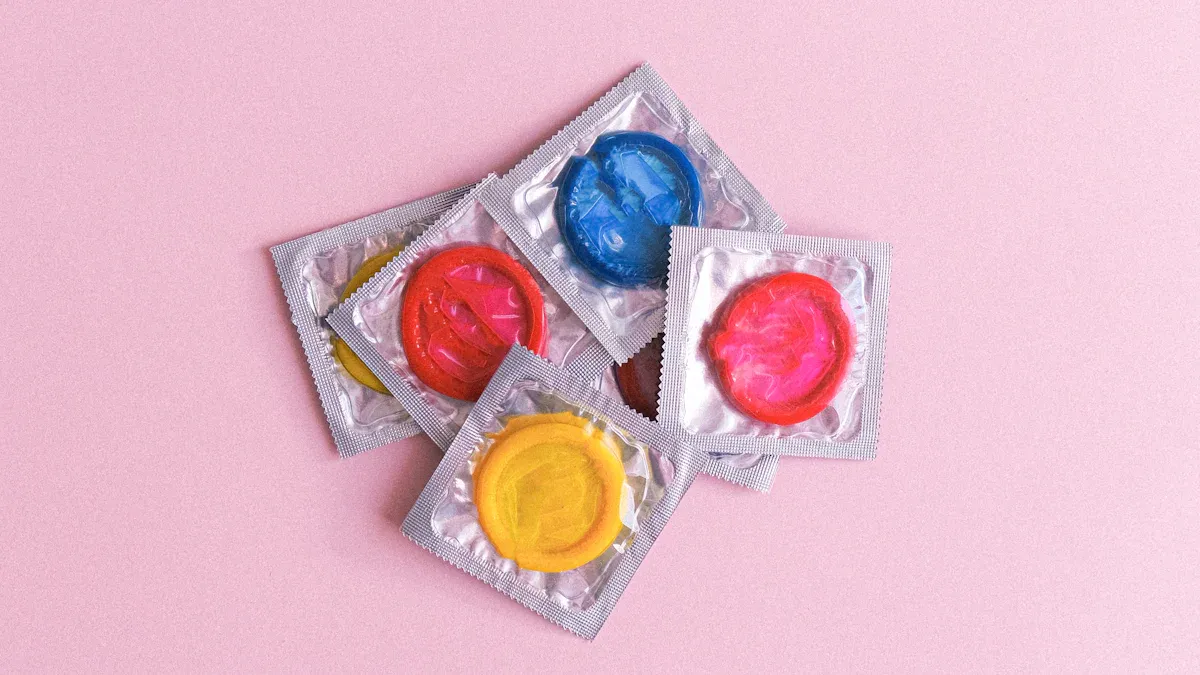
Taking proactive steps after sexual activity can help you lower your risk of urinary tract infections. You can protect your urinary health by following a few essential hygiene practices, making smart choices about contraception, and adopting healthy daily habits.
Hygiene Tips
Urinate Before and After Sex
Urinating both before and after sexual activity helps flush bacteria out of your urethra. This simple step reduces the chance that bacteria will travel to your bladder and cause infection. Studies show that women who consistently urinate after intercourse have a lower incidence of UTIs compared to those who do not. Healthcare providers recommend this practice, especially for those with a history of recurrent infections.
- Always try to empty your bladder before sex.
- Make it a habit to urinate as soon as possible after intercourse.
Tip: Consistency matters. Women who urinate only before sex have a higher risk than those who urinate both before and after.
Wash Genital Area
Cleanliness plays a key role in preventing bacteria from entering your urinary tract. You should wash your genital area with warm water before and after sex. Always wipe from front to back to avoid transferring bacteria from the anus to the urethra.
- Avoid using douches, powders, or sprays on your genitals. These products can disrupt the natural balance of protective bacteria.
- Clean thoroughly after a bowel movement.
For more hygiene guidance, visit the Office on Women’s Health UTI page.
Safe Sex Practices
Use Condoms
Condoms provide a barrier that helps prevent the transfer of bacteria during sex. They also reduce the risk of other infections. Always use a new condom for each sexual act, especially if switching between different types of intercourse.
Avoid Spermicides
Spermicides and certain contraceptive devices can irritate the vaginal lining and disrupt healthy bacteria. This irritation increases your risk of infection. Consider alternative birth control methods if you experience frequent UTIs.
- Diaphragms and spermicides may not be the best choice for those prone to urinary infections.
You can find more safe sex tips from the Centers for Disease Control and Prevention.
Healthy Habits
Stay Hydrated
Drinking enough water each day helps your body flush out bacteria. Dehydration can reduce urine production, giving bacteria more time to grow in your urinary tract. Aim for at least 1.5 liters of water daily.
- Increase your fluid intake after sexual activity.
- Monitor your urine color; pale yellow usually means you are well-hydrated.
Wear Breathable Underwear
Your choice of underwear can impact your risk of UTIs. Cotton and loose-fitting underwear allow for better airflow and moisture control, which limits bacterial growth. Avoid synthetic fabrics and tight clothing that trap moisture.
| Underwear Type | UTI Risk Level | Recommendation |
|---|---|---|
| Cotton | Low | Best for daily wear |
| Synthetic fabrics | High | Avoid for long periods |
| Thongs/Shapewear | High | Use sparingly or avoid |
| Loose-fitting | Low | Encouraged for airflow |
For more healthy habit ideas, follow the American Urological Association on Twitter.
Note: UTIs are not contagious. You cannot pass them to your partner during sex.
By making these practices part of your routine, you can significantly reduce your risk of urinary tract infections after sex.
What to Do If You Get a UTI
If you develop symptoms of a urinary tract infection after sexual activity, you should act quickly to manage your health and prevent complications. Early intervention can help you recover faster and reduce discomfort.
When to See a Doctor
Persistent Symptoms
You should contact a healthcare provider if your symptoms do not improve within 24 to 48 hours, or if they worsen. Persistent burning, urgency, or pain may indicate a more serious infection that requires prescription medication. Do not wait for symptoms to resolve on their own.
Recurrent Infections
If you experience frequent UTIs—such as two or more in six months or three or more in a year—schedule an appointment with your doctor. Recurrent infections may need further evaluation and a tailored prevention plan.
| Symptoms that Warrant Immediate Attention |
|---|
| Fever |
| Back pain |
| Vomiting |
If you notice any of these symptoms, seek medical care right away. These signs may indicate a kidney infection, which requires urgent treatment.
Home Care
Drink Water
Increase your water intake as soon as you notice symptoms. Drinking plenty of fluids helps flush bacteria from your urinary tract. Studies show that women who drink an extra 1.5 liters of water daily experience fewer infections.
OTC Pain Relief
You may use over-the-counter pain relievers, such as acetaminophen or ibuprofen, to manage discomfort while you wait for medical advice. These medications can reduce fever and ease pain, but they do not treat the infection itself.
Tip: Avoid sexual activity until your infection is fully treated. This reduces irritation and prevents spreading bacteria.
Treatment
Antibiotics
Your healthcare provider will likely prescribe antibiotics for a confirmed UTI. Most uncomplicated infections respond to a short course of antibiotics, often three to five days. You should notice improvement within 24 to 48 hours. Complete the entire course, even if you feel better, to ensure the infection is fully cleared.
| Treatment Option | Duration | Effectiveness | Notes |
|---|---|---|---|
| Trimethoprim | 3 days | >90% eradication | Lower side effects |
| Trimethoprim-sulfamethoxazole | 3 days | >90% eradication | Well tolerated |
| Fluoroquinolones | 3 days | >90% eradication | Effective for uncomplicated cystitis |
| Postcoital prophylaxis | Within 2 hours after sex | Reduces recurrence | For infections linked to sexual activity |
Follow-Up
If your symptoms persist after completing antibiotics, or if you develop new symptoms such as fever or back pain, return to your healthcare provider. You may need further testing or a different treatment approach.
For more information on UTI management, visit CDC UTI Information or follow updates from the American Urological Association on Twitter.
Sex and UTIs: Common Concerns
Is Sex Safe With a UTI?
Risks of Sex During a UTI
You may wonder if it is safe to have sex while experiencing a urinary tract infection. Medical guidelines advise against sexual activity during a UTI, especially if you feel pain or discomfort. Engaging in intercourse can worsen your symptoms due to irritation and friction. You risk introducing more bacteria into your urethra, which can make the infection harder to treat and prolong your recovery.
- Sexual activity during a UTI can intensify pain and discomfort.
- Friction may irritate your urinary tract and delay healing.
- You increase the chance of pushing bacteria further into your urinary system.
- Doctors recommend waiting until your infection has cleared before resuming sex.
If you feel pressure or pain during intercourse, you should stop and focus on recovery. For more information on sexual health and infection management, you can visit Planned Parenthood’s UTI resource.
When to Resume Sex
You should wait until all symptoms have resolved and your healthcare provider confirms that your infection is gone. Resuming sexual activity too soon can irritate your urinary tract and lead to a second infection. Penetration puts pressure on sensitive tissues, which may worsen inflammation. If you experience recurrent infections, discuss post-treatment guidelines with your doctor.
Tip: Listen to your body. If you still feel discomfort or notice lingering symptoms, give yourself more time to heal. You can find additional advice on recovery and sexual health from the American Sexual Health Association.
Talking to Your Partner
Reducing Stigma
Discussing UTIs with your partner may feel awkward, but open communication helps reduce embarrassment and stigma. Many people experience these infections, and they do not reflect poor hygiene or personal failure. You can set a supportive tone by sharing accurate information and emphasizing that UTIs are common.
“Talking with my partner helped me realize that a UTI affects both of us. We felt closer after discussing our concerns and supporting each other through recovery.”
Supporting Each Other
You can strengthen your relationship by working together to prevent future infections. Use these strategies to foster understanding and teamwork:
- Learn about UTIs before starting the conversation.
- Choose a calm, private setting for your discussion.
- Explain what a UTI is and how it affects you.
- Avoid blaming either partner for the infection.
- Share ways your partner can support you, such as reminding you to drink water or practice good hygiene.
If you need more guidance on talking about sexual health, you can explore resources from the National Institutes of Health.
By addressing common concerns and supporting each other, you can maintain intimacy and protect your urinary health.
When to Get Medical Advice
You should know when to seek medical advice if you suspect a urinary tract infection. Early recognition and prompt action can prevent serious complications and support your recovery.
Complications
Untreated infections can lead to severe health issues. You must watch for signs that your condition is worsening or not improving.
Kidney Infection Signs
A urinary tract infection can spread to your kidneys if left untreated. You should look for these warning signs:
- Fever and chills
- Pain in your back or side
- Nausea or vomiting
- Frequent or painful urination
- Feeling extremely unwell
If you notice these symptoms, contact your healthcare provider immediately. Kidney infections can become life-threatening without prompt treatment. For more information, visit CDC: Urinary Tract Infections or follow updates from American Urological Association on Twitter.
Symptoms That Don’t Improve
You should not ignore symptoms that persist or worsen after starting treatment. Common signs include:
- Pain or burning when you urinate
- Feeling the need to urinate right after going
- Urinating more often than usual
- Cloudy or foul-smelling urine
- Pain in your lower back, side, or groin
- Blood or pus in your urine
If you experience nausea, vomiting, or high fever, seek urgent care. These symptoms may indicate a more serious infection.
The table below outlines possible complications from untreated infections:
| Complication | Description |
|---|---|
| Sepsis | Life-threatening condition due to bloodstream infections from untreated UTIs. |
| Chronic Kidney Disease | Gradual loss of kidney function due to recurrent or untreated kidney infections. |
| Pregnancy Complications | Increased risk of preterm birth and low birth weight in pregnant individuals with UTIs. |
| Urethral Stricture or Bladder Dysfunction | Potential narrowing of the urethra or bladder issues affecting urinary flow. |
🚩 Tip: If you have a history of recurrent infections or underlying health conditions, discuss your risks with your provider.
Questions for Your Doctor
You can take an active role in your care by asking your healthcare provider the right questions. This helps you understand your risks and prevention strategies.
Preventing Future UTIs
Consider asking:
- Should I abstain from sexual activity until my symptoms resolve?
- How can I reduce my risk after sex?
- Is post-coital antibiotic prophylaxis appropriate for me?
- Would topical estrogen therapy help if I am postmenopausal?
- How much water should I drink daily?
Your provider may recommend urinating before and after intercourse, maintaining hydration, and considering preventive medications if you have frequent infections. For more guidance, visit National Institute of Diabetes and Digestive and Kidney Diseases or join discussions on Reddit’s r/AskDocs.
Safe Sex Tips
Discuss these safe sex practices with your provider:
- Maintain good hygiene before and after sexual activity.
- Urinate before and after sex.
- Stay hydrated to encourage frequent urination.
- Avoid harsh feminine products.
- Use adequate lubrication to prevent irritation.
- Practice safe sex by using condoms.
You can find more tips from the Office on Women’s Health and follow updates from American Urological Association on Twitter.
💡 Note: Open communication with your provider ensures you receive personalized advice and effective prevention strategies.
Sexual activity can increase your risk of UTIs, but you have many ways to protect your health. You do not need to worry about passing the infection to your partner. The table below shows that UTIs are not contagious:
| Evidence | Description |
|---|---|
| Source 1 | The bacteria that cause urinary tract infections (UTIs) are almost never transmitted during sexual intercourse, making it unlikely to be contagious to a sexual partner. |
| Source 2 | UTIs are caused by non-contagious bacteria, so you can’t pass the infection to your partner through sex. |
| Source 3 | UTIs are not contagious nor sexually transmitted, meaning you cannot catch them from another person. |
| Source 4 | Urinary tract infections are not contagious. |
You can maintain sexual and urinary health by following these steps:
- Drink plenty of water and empty your bladder often.
- Urinate before and after sex.
- Wipe front to back after using the toilet.
- Choose breathable underwear and loose clothing.
- Avoid irritants like caffeine, alcohol, and scented soaps.
- Consider probiotics or cranberry supplements.
Good hygiene, open communication, and prompt medical advice help you stay healthy and confident. You have the power to protect your body and enjoy your relationships.
FAQ
Can you get a UTI from oral sex?
You can develop a UTI after oral sex. Saliva introduces new bacteria to your genital area, which may enter your urethra. Practicing good hygiene before and after sexual activity lowers your risk. Learn more at CDC Sexual Health.
How soon after sex can UTI symptoms appear?
Symptoms often appear within 24 to 48 hours after sex. You may notice burning, urgency, or frequent urination. Early detection helps you seek treatment quickly and avoid complications.
Are UTIs considered sexually transmitted infections (STIs)?
UTIs are not STIs. You cannot transmit a UTI to your partner during sex. The bacteria that cause UTIs come from your own body, not from your partner.
Does drinking cranberry juice help prevent UTIs?
Cranberry juice may help some people by preventing bacteria from sticking to the bladder wall. Evidence remains mixed. You should not rely on juice alone for prevention. For more, visit National Center for Complementary and Integrative Health.
Can men get UTIs from sex?
Men can develop UTIs after sex, though less often than women. Risk increases with age or underlying conditions. Practicing good hygiene and urinating after sex helps reduce your risk.
Should you avoid sex if you have a UTI?
You should avoid sex until your symptoms resolve and your treatment finishes. Sex during a UTI can worsen discomfort and delay healing. Wait until your healthcare provider confirms recovery.
What if you keep getting UTIs after sex?
If you experience frequent UTIs after sex, consult your healthcare provider. You may need additional testing or preventive strategies, such as post-coital antibiotics. For more advice, visit American Urological Association.
Can condoms help prevent UTIs?
Condoms provide a barrier that reduces the transfer of bacteria during sex. Using condoms consistently and correctly lowers your risk of UTIs and other infections.