You may wonder if being asexual means you cannot have sex or if your choices affect your identity. Every decision—whether you want sex, do not want sex, or feel uncertain—deserves respect. The Asexual Guide supports all genders and orientations, encouraging you to prioritize self-education, clear communication, and personal comfort. Approach your journey with openness and self-compassion, knowing that your feelings are valid.
Key Takeaways
- Asexuality is a valid sexual orientation characterized by a lack of sexual attraction. It is not a choice or a result of abstinence.
- Asexuality exists on a spectrum. Individuals may identify as asexual, gray-asexual, or demisexual, reflecting diverse experiences.
- Misconceptions about asexuality are common. Asexuality is not a disorder, and many asexual individuals can and do engage in sexual activity if they choose.
- Your identity as asexual remains valid regardless of your sexual activity. You do not need to justify your choices to anyone.
- Self-education is crucial. Understanding your body, desires, and boundaries empowers you to navigate intimacy confidently.
- Clear consent and open communication are essential in relationships. Discuss your needs and boundaries with partners to foster understanding.
- Emotional and physical safety are important. Use protection and engage in honest conversations about your comfort levels.
- Finding community support can enhance your journey. Connect with others who share similar experiences to feel validated and understood.
Asexual Guide: Understanding Sex
What Is Asexuality?
You may encounter the term “asexuality” in discussions about sexual orientation. Experts define asexuality as a sexual orientation characterized by a lack of sexual attraction or desire. This orientation is not a choice or a result of abstinence. Instead, it is an inherent aspect of your identity. You might experience little or no interest in sexual activity, or you may feel neutral about it. The Asexual Guide recognizes that your experience is valid, whether you identify as asexual or are exploring your feelings.
Note: Asexuality differs from celibacy or abstinence. Celibacy is a voluntary decision to avoid sex, while asexuality is about your natural level of sexual attraction.
Asexual Spectrum
Asexuality exists on a spectrum. Your experience may differ from others who use the same label. Some people feel no sexual attraction at all, while others experience it rarely or only under specific circumstances. You might identify as gray-asexual, demisexual, or another term that fits your experience.
| Term | Description | Example Scenario |
|---|---|---|
| Asexual | Experiences little or no sexual attraction | You never feel sexual attraction toward anyone |
| Gray-asexual | Experiences sexual attraction infrequently or under rare conditions | You feel sexual attraction only a few times in life |
| Demisexual | Experiences sexual attraction only after forming a strong emotional bond | You develop sexual attraction after deep friendship |
Consider the story of Alex, who identifies as demisexual. Alex does not feel sexual attraction until forming a close emotional connection. In contrast, Sam identifies as asexual and has never felt sexual attraction, but enjoys romantic relationships. These examples show the diversity within the asexual spectrum.
You may find support and information on social media platforms and educational websites dedicated to asexuality. These resources offer community stories, research updates, and advice for navigating your identity.
Common Misconceptions
Misunderstandings about asexuality remain widespread. You might encounter myths or stereotypes that do not reflect reality. Recent studies reveal several common misconceptions:
- 1 in 10 people do not believe asexuality exists.
- 33% think therapy can “cure” asexuality.
- 25% view asexuality as a mental health problem.
- 25% believe asexual individuals just have not met the right person.
Tip: If someone questions your identity, remember that asexuality is a recognized orientation. You do not need to justify your feelings or experiences.
Many people also misunderstand how asexual individuals experience love. You can form romantic, platonic, or queerplatonic relationships based on your preferences. The Asexual Guide encourages you to explore connections that feel right for you.
Research shows that asexual people can and do engage in sexual activity if they choose. You may have sex for various reasons, such as curiosity, intimacy, or partnership. Some asexual individuals enjoy arousal and orgasms, though their experiences may differ from those of allosexual (non-asexual) people. Sexual fantasies, masturbation, or pleasure from objects and situations can be part of your experience.
| Misconception | Reality |
|---|---|
| Asexuality does not exist | Asexuality is a valid sexual orientation |
| Therapy can “cure” asexuality | Asexuality is not a disorder or problem |
| Asexual people avoid sex | Many asexual individuals choose to have sex for personal reasons |
| Asexual people cannot love | Asexual individuals can experience romantic and platonic love |
You can find more information and connect with others through reputable organizations and online communities focused on asexuality education.
The Asexual Guide supports you in understanding your identity, challenging misconceptions, and making choices that honor your comfort and boundaries.
Sex and Asexual Identity
Can Asexual People Have Sex?
You may wonder if being asexual means you cannot or should not have sex. The reality is that asexuality describes your experience of sexual attraction, not your behavior. Many asexual people choose to have sex for a variety of reasons, while others do not. Your choice does not invalidate your identity.
Recent studies show that sexual activity among asexual individuals varies widely:
- About half of asexual people reported not having had sex in the past five years.
- The other half have had sexual experiences at least once in their lives.
This diversity highlights that asexuality is not about what you do, but how you feel about sexual attraction. You may decide to have sex out of curiosity, to connect with a partner, or for other personal reasons. The Asexual Guide encourages you to make choices that align with your comfort and values.
Tip: You do not need to justify your choices to anyone. Your identity remains valid whether you have sex or not.
Sex and Identity
Your relationship with sex may shape how you see yourself and how you interact with the world. Many asexual individuals define their identity in contrast to societal expectations about sex. You might feel pressure to conform to sexual norms, which can lead to confusion or isolation. Choosing the label “asexual” often reflects a conscious decision to step outside dominant sexual frameworks.
- Asexual people often describe their identity as a response to cultural ideas about sex that do not match their experiences.
- You may feel isolated when constantly reminded of sexual norms in media, school, or social circles.
- The collective identity model suggests that asexuality forms in opposition to mainstream expectations, helping you find community and self-understanding.
Note: If you feel alone or misunderstood, you can find support and information through organizations like AVEN (Asexuality Visibility and Education Network) or social media communities such as Reddit’s r/asexuality.
Case Study: Navigating Identity and Sexual Activity
Consider Jamie, who identifies as asexual but chooses to have sex with their partner to strengthen their emotional bond. Jamie sometimes feels uncertain about how this choice fits with their identity. By connecting with online communities and reading personal stories, Jamie learns that many asexual people share similar experiences. This support helps Jamie feel more confident in their identity, regardless of sexual activity.
Reasons for Having Sex
Asexual people may choose to have sex for many reasons. Your motivations are personal and valid. Understanding your reasons can help you make informed decisions and communicate with partners.
| Reason | Description | Example Scenario |
|---|---|---|
| Emotional connection | Strengthening intimacy or closeness with a partner | You want to share a special moment with someone |
| Curiosity | Exploring your own feelings or experiences | You wonder how sex might feel for you |
| Relationship agreement | Meeting a partner’s needs or maintaining a relationship | You agree to sex as part of a compromise |
| Reproductive purposes | Choosing to have children | You want to start a family |
| Social or cultural expectations | Responding to perceived pressure from peers or society | You feel expected to have sex at a certain age |
Actionable Advice:
Before making any decision, reflect on your motivations. Ask yourself:
- Do I feel comfortable with this choice?
- Am I doing this for myself or to meet someone else’s expectations?
- Have I communicated my boundaries clearly?
Case Study: Different Paths, Equal Validity
Taylor identifies as asexual and has never felt sexual attraction. Taylor chooses not to have sex, even in romantic relationships, and communicates this openly with partners. In contrast, Morgan, also asexual, sometimes has sex to maintain a close relationship with their spouse. Both Taylor and Morgan find fulfillment in their choices. Their experiences show that there is no single “right” way to be asexual.
You can find more stories and advice on platforms like Tumblr’s asexuality tag or Twitter’s #asexuality, where people share their journeys and support each other.
The Asexual Guide reminds you that your reasons for having sex—or not—are your own. You deserve respect and understanding, no matter what path you choose.
Self-Education and Preparation
Before you engage in any sexual activity, self-education empowers you to make informed choices. Understanding your own needs, boundaries, and comfort levels helps you navigate intimacy with confidence. The Asexual Guide encourages you to take time for self-reflection and learning, regardless of your gender or orientation.
Knowing Your Body
Learning about your body forms the foundation of sexual self-awareness. You might start by exploring your physical responses in a private, pressure-free environment. This could involve gentle touch, observing what feels comfortable, or simply noting your reactions to different sensations. Some people find it helpful to keep a journal of their experiences and feelings. This process allows you to identify what brings you comfort or discomfort.
Tip: You do not need to rush. Take as much time as you need to understand your body and preferences.
For further self-education, consider these resources:
- Ace Inclusivity: Offers insights into asexuality and community experiences.
- An Asexual’s Guide To … Having Sex: Provides definitions, health considerations, and practical advice tailored for asexual individuals.
You can also find supportive discussions on platforms like Reddit’s r/asexuality and Tumblr’s asexuality tag.
Exploring Desires and Boundaries
Exploring your desires and boundaries helps you communicate clearly with partners and maintain your well-being. You might ask yourself:
- What types of touch or intimacy feel good to me?
- Are there activities I want to try, or ones I want to avoid?
- How do I feel about sexual activity in different contexts?
Therapy can support you in this process. A therapist can help you:
- Navigate both romantic and non-romantic relationships.
- Communicate your needs and expectations.
- Explore different forms of intimacy without compromising your identity.
- Build resilience against misunderstanding or stigma.
You do not need to center your life around sexual attraction to feel whole. Engaging in self-examination and seeking out an encouraging community can help you find peace with your identity.
| Support Strategy | Benefit |
|---|---|
| Therapy | Safe space for self-exploration |
| Community Support | Validation and encouragement |
| Self-Reflection | Clarity on personal boundaries and desires |
Using Sexual Aids
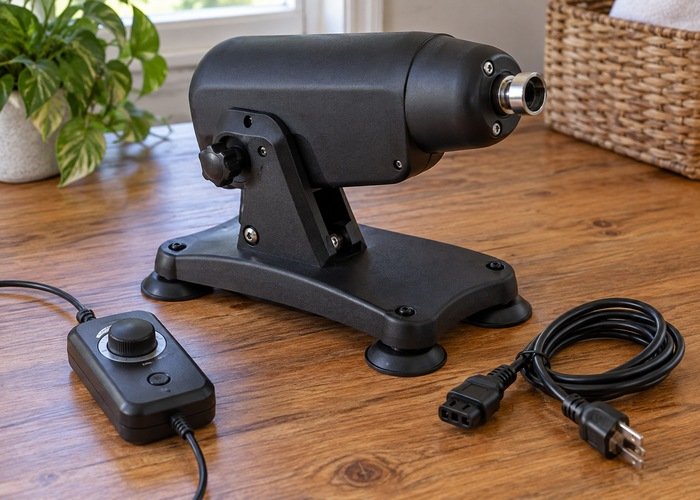
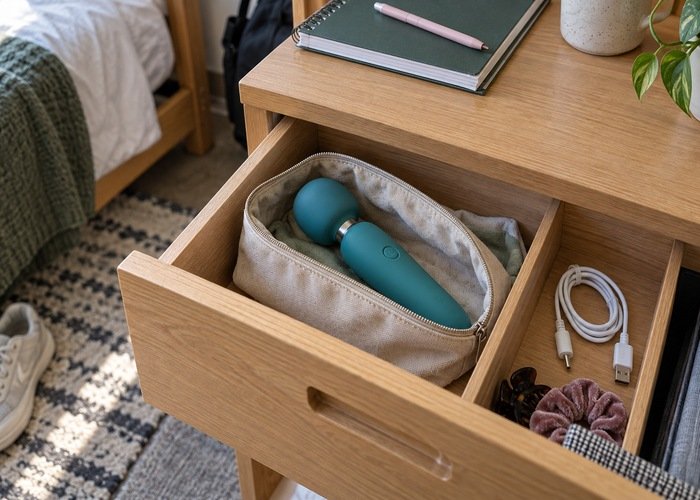
Sexual aids can help you explore your body and preferences in a safe, private way. You might use items such as vibrators, couples toys, or other aids designed for solo or partnered exploration. These tools allow you to discover what feels pleasurable or neutral, and what you might want to share with a partner.
Note: Always use sexual aids according to safety guidelines. Clean them before and after use, and choose products made from body-safe materials.
Case Study: Jordan, who identifies as asexual, decided to try a vibrator after reading about it in an online guide. Jordan found that solo exploration helped clarify personal boundaries and made it easier to communicate preferences to a partner later on.
If you feel uncertain, online communities and educational guides can offer advice and answer questions about sexual aids and safe practices.
The Asexual Guide supports you in taking these steps at your own pace. Self-education and preparation help you build confidence and ensure that your experiences align with your values and comfort.
Consent and Communication

Clear consent and open communication form the foundation of healthy relationships, especially for asexual individuals. You deserve to feel safe, respected, and understood in every interaction. This section guides you through enthusiastic consent, discussing needs, and setting boundaries.
Enthusiastic Consent
Enthusiastic consent means that all parties agree to participate in an activity freely and willingly. For asexual people, enthusiasm may look different. You might not express excitement in the same way as others, and that is valid. The expectation that consent must always appear “exciting” can feel inauthentic or even create pressure.
- Asexual individuals may show consent through calm agreement, not overt enthusiasm.
- You should never feel forced to act excited to prove your willingness.
- Consent remains mandatory, regardless of how it looks or feels.
Tip: Focus on clear, honest communication. A simple “yes” or “no” is enough. You do not need to perform excitement for your consent to count.
Case Study:
Jordan, who identifies as asexual, sometimes feels uncomfortable when partners expect enthusiastic responses. Jordan communicates honestly, saying, “I am comfortable with this, but I may not show excitement the way you expect.” This approach helps Jordan’s partner understand and respect their boundaries.
For more on consent, visit Scarleteen’s Consent Resource.
Discussing Needs
Open conversations about your needs help build trust and understanding. You can choose when and how to share your asexuality with a partner. Some people disclose early, while others wait until they feel a deeper connection. Pair your disclosure with basic education about asexuality. Explain differences between asexual and aromantic identities to help your partner understand your perspective.
- Decide the right time for disclosure based on your comfort.
- Offer information about asexuality to support your partner’s understanding.
- Stay open to questions. Answering them can reduce misunderstandings and foster empathy.
Note: You do not have to answer every question immediately. Take your time and set the pace that feels right for you.
Case Study:
Taylor, an asexual person, chooses to discuss their needs after a few dates. Taylor explains, “I do not experience sexual attraction, but I value emotional closeness.” Taylor’s partner asks questions, and together they explore ways to connect that feel good for both.
Find more communication tips at Love Is Respect’s Healthy Communication Guide.
Setting Boundaries
Setting boundaries protects your well-being and ensures mutual respect. You have the right to say “no” without guilt. Physical boundaries, such as not wanting to be touched without permission, must always be respected.
- Emphasize the importance of consent and personal boundaries.
- Recognize your right to refuse any activity.
- Ensure your partner respects your physical and emotional limits.
Healthy relationships require resetting intentions and establishing boundaries, especially when sexual expectations differ. Clear communication helps you navigate societal pressures and maintain meaningful connections.
Callout: Boundaries are not negotiable. You deserve respect for your choices at all times.
Case Study:
Morgan, who is asexual, feels pressured by societal norms to engage in sex. Morgan discusses these feelings with their partner and sets clear boundaries: “I am not comfortable with sex, but I want to find other ways to be close.” Their partner listens and agrees to respect these limits, strengthening their relationship.
For more on boundaries, explore Planned Parenthood’s Setting Boundaries Resource.
You can also connect with others and share experiences on Reddit’s r/asexuality and Tumblr’s asexuality tag.
Comfort and Safety
Emotional Safety
You deserve to feel emotionally secure when exploring intimacy. Emotional safety starts with honest conversations about your needs and feelings. Open communication helps you and your partner understand each other’s boundaries and expectations. Building a sexual relationship requires effort and understanding from both sides. You may find that affectionate touch, such as holding hands or cuddling, enhances comfort and emotional connection, even if you do not prioritize sexual intercourse.
- Talk openly about your feelings and boundaries.
- Share your needs and listen to your partner’s perspective.
- Use affectionate touch to build trust and comfort.
Therapy can offer a safe space to process your emotions and set self-care goals. Acknowledging your asexual identity supports your emotional well-being, even if you choose to engage in sexual activities.
Tip: Recognize your feelings as valid. You do not need to change yourself to fit others’ expectations.
Case Study:
Riley, who identifies as asexual, felt anxious about intimacy with a new partner. By discussing boundaries and seeking support from a therapist, Riley built confidence and found comfort in affectionate touch rather than sexual activity.
For more on emotional safety, visit The Trevor Project’s resources or join discussions on Reddit’s r/asexuality.
Physical Protection
Physical safety is essential for everyone, regardless of sexual orientation. You can protect yourself by using physical barriers and making informed choices about partners and activities.
- Use condoms to prevent pregnancy and reduce the risk of sexually transmitted infections (STIs).
- Dental dams provide protection during oral sex involving the vulva or anus.
- Gloves can help prevent disease transmission during manual stimulation.
- Birth control methods like pills or IUDs prevent pregnancy but do not protect against STIs.
- Consider hepatitis vaccinations for additional protection.
Choosing partners you trust and discussing sexual health openly can further reduce risks.
| Protection Method | Purpose | Notes |
|---|---|---|
| Condoms | Prevent pregnancy and STIs | Use for vaginal, anal, or oral sex |
| Dental Dams | Prevent STI transmission during oral sex | Use for vulva or anal contact |
| Gloves | Prevent STI transmission during manual sex | Use for hand-to-genital/anal contact |
| Birth Control | Prevent pregnancy | Does not prevent STIs |
Case Study:
Alex, an asexual person, decided to have sex with a partner. They discussed STI testing, used condoms, and agreed on boundaries. This approach helped Alex feel physically safe and respected.
For more information, check out Planned Parenthood’s sexual health resources and community advice on Tumblr’s asexuality tag.
Accessing Support
Navigating intimacy as an asexual person can bring unique challenges. You may experience higher rates of depression and anxiety compared to allosexual peers. Uncertainty, self-doubt, and imposter syndrome are common, especially when you feel out of place in the LGBTQ+ community or among peers focused on sexual relationships.
- Reach out to mental health professionals familiar with asexuality.
- Join online communities for validation and shared experiences.
- Seek support from friends or allies who respect your identity.
- Practice self-care and set boundaries to protect your mental health.
Callout: You are not alone. Many people share your experiences and want to support you.
Case Study:
Morgan struggled with anxiety about dating in a sex-focused culture. By joining an online support group and connecting with others who understood asexuality, Morgan found acceptance and practical advice.
You can find support through organizations like The Trevor Project, AVEN, and social media groups dedicated to asexuality.
Types of Sex and Intimacy
Partnered Sex
You may find that partnered sex means different things within the asexual community. Research shows that many people on the asexual spectrum engage in sexual activities they personally define as sex. These experiences can include a range of behaviors, from kissing and cuddling to intercourse or mutual touch. You might choose to participate in partnered sex for emotional connection, curiosity, or to support a partner’s needs.
Tip: Define what sex means to you and communicate this with your partner. Your comfort and boundaries matter most.
Case Example:
Jamie, who identifies as gray-asexual, sometimes chooses to have sex with their partner to strengthen their bond. Jamie and their partner discuss boundaries before each encounter, ensuring mutual respect and understanding. This approach helps Jamie feel secure and valued.
| Type of Partnered Intimacy | Description | Common Motivations |
|---|---|---|
| Kissing & Cuddling | Physical affection without sex | Emotional closeness |
| Mutual Touch | Exploring bodies together | Curiosity, connection |
| Intercourse | Penetrative or non-penetrative sex | Relationship agreement |
You can find more stories and advice on platforms like Reddit’s r/asexuality and Tumblr’s asexuality tag, where people share their experiences with partnered intimacy.
Solo Sex
Solo sex, or masturbation, offers you a private way to explore your body and preferences. Many asexual people engage in solo sexual activity for reasons unrelated to sexual attraction. Regular solo sex may help prevent chronic non-bacterial prostatitis. You might also notice that solo sex relieves stress and anxiety, improving your mood and overall happiness.
- Solo sex can support your physical health.
- Masturbation may help you manage stress and boost your mood.
- Exploring solo sex can clarify your boundaries and desires.
Case Example:
Taylor, an asexual person, uses solo sex as a way to unwind after stressful days. Taylor finds that this practice helps with relaxation and provides a sense of control over their own body.
Note: You decide if and how you want to engage in solo sex. There is no right or wrong choice.
Non-Sexual Intimacy
Non-sexual intimacy plays a vital role in many asexual relationships. You may value deep emotional connections, shared experiences, and physical affection that does not involve sex. Confiding in each other, sharing secrets, or spending quality time together can strengthen your bond.
- Shared secrets: Confiding in your partner builds trust and creates a unique connection.
- Couples’ counseling or workshops: These activities enhance emotional closeness and improve communication.
- Quality time: Activities like cuddling, talking, or enjoying hobbies together foster emotional bonds.
Case Example:
Morgan and Riley, both asexual, prioritize non-sexual intimacy in their relationship. They spend evenings talking, cuddling, and sharing personal stories. This approach helps them feel connected and fulfilled without sexual activity.
Callout: Intimacy comes in many forms. You have the right to choose what feels meaningful and comfortable for you.
For more ideas and community support, explore online forums and social media groups dedicated to asexuality and relationships.
Relationship Dynamics
Mixed Orientation Relationships
Mixed orientation relationships involve partners with different sexual orientations, such as when one person is asexual and the other is not. You may face unique challenges in these partnerships. Navigating intimacy often requires you to communicate openly about your needs and desires. Growing up in a society that expects certain norms can add pressure, especially if those expectations do not match your reality. You and your partner might experience different levels of sexual attraction, which can create tension or misunderstandings.
- You may need to discuss intimacy more frequently than other couples.
- Societal expectations can make you feel isolated or misunderstood.
- Differences in sexual needs, such as being sex-repulsed or sex-positive, can strain your relationship.
Tip: Honest conversations about your feelings and boundaries help you build trust and understanding with your partner.
Managing Expectations
Managing expectations in a relationship where one partner is asexual requires patience and flexibility. You might encounter moments when your partner feels hurt due to a lack of physical desire from you. These feelings are valid and deserve attention. Open communication, though sometimes difficult, remains essential. Over time, you and your partner can learn to accept the reality of your sexual encounters, even if they happen less often or are initiated by one person. Acceptance and understanding allow both of you to feel valued and respected.
You can set clear expectations by discussing what intimacy means to each of you. Some couples create agreements about physical affection, frequency of sexual activity, or alternative ways to connect. Regular check-ins help you adjust as your needs change.
Callout: Flexibility and empathy are key. Your relationship can thrive when both partners feel heard and supported.
Building Respectful Connections
Respect forms the foundation of any healthy relationship, especially when navigating differences in sexual orientation. You can foster a respectful connection by focusing on several core practices:
- Communicate effectively about boundaries and needs.
- Engage in open dialogue about your experiences and preferences.
- Learn about asexuality and its spectrum to better understand each other.
You may need to negotiate sexual intimacy in ways that honor both partners. Listening without judgment and validating each other’s feelings strengthens your bond. When you understand the diversity within asexuality, you create space for respect and acceptance.
Note: Every relationship looks different. You have the right to define what respect and intimacy mean for you and your partner.
By prioritizing communication, understanding, and mutual respect, you can build a relationship that supports both your needs and your partner’s. These strategies help you navigate challenges and celebrate the unique strengths of your connection.
Affirming Asexuality

Validity Regardless of Activity
You remain asexual regardless of your choices about sex or relationships. Your identity does not depend on your level of sexual activity, your relationship status, or your willingness to try new experiences. Many people in the asexual community feel pressure to justify their identity based on what they do or do not do. You do not need to prove anything to anyone.
Note: Your asexuality is valid whether you have sex, avoid it, or feel uncertain about your preferences.
Society often links sexual activity with personal worth or maturity. You may encounter messages that suggest you must act a certain way to belong. These ideas do not define you. You set your own standards for happiness and fulfillment.
Self-Acceptance
Self-acceptance can take time, especially if you face misunderstanding or stigma. You can use practical strategies to build a positive self-image and strengthen your confidence as an asexual person:
- Reframe negative thoughts. When you notice self-doubt, remind yourself that being asexual can be challenging, but it also shows your resilience and strength.
- Embrace ace positivity. Surround yourself with positive representations of asexuality. Seek out media, stories, and symbols that celebrate your identity.
- Focus on fulfillment. Set achievable goals and engage in activities that bring you joy and meaning outside of sexuality.
Tip: Celebrate your progress, no matter how small. Every step toward self-acceptance matters.
You may find that connecting with others who share your experiences helps you feel less isolated. Sharing your story or listening to others can reinforce your sense of belonging.
Finding Community
You do not have to navigate your journey alone. Many resources exist to help you connect with others, find support, and learn more about asexuality. Community spaces offer validation, friendship, and practical advice.
- TrevorSpace provides a safe online environment for LGBTQ+ youth and allies to connect and share experiences.
- Articles about understanding asexuality help you explore the diversity within the community and discover new perspectives.
- Counseling services support your mental health and offer guidance tailored to your needs.
Callout: Community support can make a significant difference in your well-being. Reaching out is a sign of strength, not weakness.
You can join online forums, attend local meetups, or participate in virtual events. These spaces allow you to ask questions, share your journey, and celebrate your identity with others who understand.
Asexuality is a valid and valuable part of who you are. By affirming your identity, practicing self-acceptance, and seeking community, you build a foundation for a fulfilling and authentic life.
Asexuality stands as a valid identity, no matter your choices about sex or relationships. You deserve to honor your boundaries and desires.
- Understanding asexuality empowers you to see your needs as strengths, not flaws.
- Negotiating your identity broadens the definition of intimacy and respect.
Open dialogue with partners and within the community fosters empathy and growth:
| Benefit | Description |
|---|---|
| Improved Understanding | Honest conversations prevent misunderstandings and support deeper connection |
Remember:
- Asexuality is not a flaw.
- You are worthy of love.
- Your boundaries matter.
- You do not owe anyone sex or disclosure.
- Many ways exist to express love beyond sex.
Choose what feels right for you. Self-acceptance begins with honoring your truth.
FAQ
Can you be asexual and still enjoy sex?
Yes, you can. Asexuality describes your experience of sexual attraction, not your behavior. You may enjoy sex for reasons like intimacy, curiosity, or pleasure. Your enjoyment does not invalidate your asexual identity.
How do you talk to a partner about being asexual?
Start with honesty. Explain what asexuality means for you. Share your boundaries and listen to your partner’s feelings. Use clear language. Encourage questions. Open communication builds trust and helps both of you understand each other’s needs.
Is it normal to feel confused about your asexuality?
Absolutely. Many people question their orientation at different times. You might feel uncertain or change how you identify as you learn more about yourself. Give yourself time and space to explore your feelings without pressure.
Do asexual people need to avoid relationships?
No, you do not need to avoid relationships. Many asexual people form romantic, platonic, or queerplatonic partnerships. You can build meaningful connections based on your comfort and preferences. Define your relationship on your own terms.
What if your partner wants sex but you do not?
Discuss your boundaries and listen to your partner’s needs. Explore compromises, such as non-sexual intimacy or alternative forms of closeness. Respect for both partners is essential. You deserve a relationship that honors your comfort and well-being.
Can asexuality change over time?
Yes, your experience of asexuality may shift. Some people notice changes in attraction or desire as they grow. This is normal. Your identity remains valid, whether it stays the same or evolves.
How do you handle pressure from friends or society to have sex?
Set clear boundaries and practice self-advocacy. Remind yourself that your choices are valid. Seek support from understanding friends or online communities. You do not owe anyone an explanation for your preferences or identity.