To enjoy the Mating Press position with comfort, you should focus on body alignment, open communication, and small adjustments. Many couples seek guidance on this position to achieve deep penetration, enhance intimacy, and adapt for flexibility or joint issues. For example, one couple found that placing a pillow under the receiver’s hips reduced lower back strain and allowed for better eye contact.
| Common Goals for Mating Press | Practical Solutions |
|---|---|
| Deep penetration | Adjust hip angle and support |
| Emotional intimacy | Maintain eye contact and closeness |
| Comfort and accessibility | Use pillows and clear communication |
Prioritize comfort and safety for both partners every time you try this position.
Key Takeaways
- Use pillows under the hips to reduce back strain and improve comfort during the Mating Press.
- Communicate openly with your partner before and during to set boundaries and check comfort.
- Stretch gently before trying the position to increase flexibility and reduce muscle tension.
- Adjust leg angles and placement to avoid pain and make the position easier to hold.
- The penetrating partner should brace on forearms and engage their core to prevent fatigue.
- Take regular breaks and use lubrication to avoid soreness and maintain pleasure.
- Watch for signs like numbness, pain, or fatigue and switch positions when needed.
- Aftercare with gentle touch and communication helps both partners feel safe and connected.
Mating Press Basics
Definition
You perform the Mating Press by having the receiving partner lie on their back and pull their knees up toward their chest. The penetrating partner kneels or squats above, pressing forward to achieve deep penetration. This position changes the angle of penetration, which can stimulate sensitive areas like the A-spot or cervix for vagina owners, or the prostate during anal play. Many couples find that this position increases both physical closeness and intensity. For example, if you want to target deeper erogenous zones, you can adjust the angle of the receiver’s hips by placing a pillow underneath. This small change can make a significant difference in comfort and sensation.
Key Features
The Mating Press stands out from the traditional missionary position in several ways. You will notice that the receiver’s legs are elevated and bent toward the chest, which allows for deeper penetration and a more intense experience. The penetrating partner takes a more dominant posture, kneeling on top and bearing most of their weight. This setup creates stronger skin-to-skin contact and allows for closer eye contact. You also gain better control over rhythm and depth, which can help you tailor the experience to your partner’s comfort.
Here’s a quick comparison:
| Feature | Missionary Position | Mating Press Position |
|---|---|---|
| Leg Placement | Legs flat or slightly bent | Legs elevated, knees to chest |
| Penetration Depth | Moderate | Deep |
| Partner Control | Shared | Top partner controls |
| Intimacy Level | High | Very High |
| Muscle Engagement | Moderate | Core and pelvic focus |
If you want to try a variation, you can experiment with the receiver’s leg position or use different supports, such as yoga blocks or firm cushions.
Emotional Intimacy
The Mating Press does more than increase physical pleasure. You create a powerful sense of connection by maintaining close body contact and steady eye contact. Many couples report that this position helps them feel more emotionally bonded. For instance, one couple shared that holding hands or wrapping arms around each other during the Mating Press made them feel safer and more cared for. You can also use this position to explore power dynamics, such as dominance and submission, in a safe and consensual way. Always check in with your partner to ensure both of you feel comfortable and respected throughout the experience.
Tip: Open communication before and during the Mating Press helps you both adjust for comfort and maximize emotional closeness.
Preparation
Communication
Open and honest communication sets the foundation for a comfortable experience with the Mating Press. You should approach the conversation with respect and curiosity. For example, you might say, “I’d like to try something new together. How do you feel about it?” This approach invites your partner to share their thoughts without pressure. Discuss comfort limits, medical concerns, and preferred pace in a neutral setting, such as during a walk or over coffee. Many couples find it helpful to agree on clear stop or slow-down cues, like a specific word or a double-hand squeeze. These signals help both partners feel safe and in control. During intimacy, check in verbally and nonverbally to confirm comfort levels. One couple shared that using a simple thumbs-up or gentle touch allowed them to adjust quickly if something felt off.
Tip: Engage in proactive communication before and during the Mating Press to ensure both partners feel heard and respected.
Effective Communication Checklist:
- Use respectful, open-ended questions
- Share comfort limits and health concerns
- Set clear stop or slow-down cues
- Check in verbally and nonverbally during intimacy
Flexibility
Flexibility plays a key role in making the Mating Press comfortable. You do not need to be a gymnast, but some gentle stretching before sex can help. Focus on your hips, thighs, and lower back. For example, you might try a few minutes of knee-to-chest stretches or gentle lunges. One receiver found that stretching their hamstrings before sex made it easier to bring their knees toward their chest without discomfort. If you or your partner have limited flexibility, adjust the angle of the legs or use supports to reduce strain. Never force your body into a position that feels painful. Listen to your body and communicate any discomfort right away.
| Stretch Type | Target Area | How to Do It |
|---|---|---|
| Knee-to-chest | Lower back, hips | Pull one knee to chest, hold 20 sec |
| Seated hamstring | Hamstrings | Sit, reach for toes, hold 20 sec |
| Gentle lunge | Hip flexors | Step forward, bend knee, hold 20 sec |
Space Setup
A comfortable environment makes a big difference in your experience. Prepare your space before you begin to avoid interruptions and discomfort.
Pillows
Pillows provide essential support during the Mating Press. Place a firm pillow or cushion under the receiver’s hips to elevate the pelvis. This adjustment reduces lower back strain and allows for deeper penetration. Some couples use a second pillow behind the head or under the knees for extra comfort. For example, one couple found that a memory foam pillow under the hips helped maintain the position longer without soreness. Test different pillow heights and firmness to find what works best for you.
Surface Choice
Choose a surface that offers both support and softness. A firm mattress or padded floor mat works well. Avoid soft, sagging beds that can cause your bodies to sink and create awkward angles. For instance, a couple who tried the Mating Press on a yoga mat with a folded blanket underneath reported better stability and less slipping. Clear the area of clutter to prevent distractions or accidental bumps.
Note: Preparing your space in advance helps you focus on pleasure and connection, not discomfort or interruptions.
Mating Press Guide
Getting Into Position
You can set yourself up for success in the Mating Press by following a clear, step-by-step process. Preparation and communication are essential for comfort and safety. Here’s how you can get into position smoothly:
- Begin with Foreplay and Warm-Up
Spend time on foreplay to help both partners relax. Gentle hip-opening stretches or light yoga can prepare your muscles and joints. For example, try a few minutes of knee-to-chest stretches or cat-cow movements together. - Apply Lubrication
Use a generous amount of water-based lubricant. This reduces friction and makes movement smoother, especially if you plan to stay in the position for a while. - Set Up Pillows or Towels
Place a firm pillow or rolled towel under the receiver’s hips or sacrum. This small adjustment lifts the pelvis, improves the angle, and minimizes lower back strain. - Communicate Boundaries and Comfort
Before you start, agree on a safe word or signal. Discuss comfort limits and check in about any joint or flexibility concerns. - Move Into Position Together
Start side-by-side. The penetrating partner swings one leg over the receiver’s hips. Roll together so the receiver ends up on their back with knees bent toward the chest. Use gravity to assist and reduce strain. - Adjust Leg Placement
The receiver should bring knees toward the chest, but avoid forcing them too far back. If flexibility is limited, keep knees below shoulder height. - Check Alignment and Comfort
The penetrating partner can kneel or squat above, bracing on forearms to distribute weight. Pause and check in with your partner before proceeding.
Tip: If you or your partner are new to the Mating Press, consider using a dildo or toy for warm-up. This can help increase flexibility and comfort before full penetration.
Case Example:
One couple found that starting with gentle stretching and using a memory foam pillow under the hips allowed them to ease into the position without discomfort. They communicated throughout, using a double-hand squeeze as a signal to pause if needed.
Adjusting for Comfort
Once you are in the Mating Press, small adjustments can make a big difference in comfort and pleasure. Focus on body alignment, support, and ongoing feedback.
- Pillow Placement
A firm pillow or folded towel under the receiver’s sacrum lifts the pelvis and reduces hip flexion. This adjustment helps minimize back strain and allows for deeper penetration. - Leg Angle and Support
Keep the receiver’s knees below shoulder height to avoid excessive spinal flexion. If needed, ease the legs outward by 10–15 degrees. The receiver can also place hands beside their shoulders to offload pressure from the hips. - Weight Distribution
The penetrating partner should brace on forearms instead of hands. This distributes body weight evenly and prevents wrist or elbow fatigue. Engaging your core and using bent elbows can support your lower back. - Communication and Check-Ins
Maintain eye contact and offer verbal check-ins every few thrusts. This helps you monitor comfort and make quick adjustments if needed. - Lubrication and Breaks
Use additional lubrication as needed to reduce friction. Take breaks regularly to prevent circulation issues or leg cramps.
| Adjustment Area | Practical Tip | Benefit |
|---|---|---|
| Pillow Placement | Firm pillow under hips/sacrum | Reduces back strain |
| Leg Angle | Knees below shoulders, legs outward 10–15° | Eases hip and spine tension |
| Weight Distribution | Brace on forearms, engage core | Prevents fatigue, supports back |
| Communication | Eye contact, verbal/nonverbal check-ins | Ensures ongoing comfort |
| Lubrication | Reapply as needed | Minimizes friction |
Case Example:
A couple with different flexibility levels found that using a wedge cushion and keeping the receiver’s knees slightly apart allowed them to enjoy the Mating Press without discomfort. They paused every few minutes to check in and adjust as needed.
Maintaining the Position
Staying comfortable in the Mating Press requires attention to body mechanics and regular feedback. You can use several techniques to avoid fatigue and maximize pleasure.
- Support with Cushions or Pillows
Keep a cushion or pillow under the hips to lift the pelvis and reduce hip flexion. This support eases strain on the lower back and allows for longer sessions. - Adjust Leg Angles
Avoid drawing the receiver’s legs too close to the chest. Easing the legs outward by 10–15 degrees can reduce tension in the hips and lower back. - Brace on Forearms
The penetrating partner should brace on forearms rather than hands. This distributes weight and prevents wrist or elbow fatigue. - Maintain Proper Alignment
Align shoulders, hips, and thighs to avoid strain. Engage your core and use bent elbows to support your lower back. - Use Slow, Controlled Movements
Move slowly and maintain steady, controlled breathing. This reduces muscle tension and helps you stay in sync with your partner. - Take Breaks and Reposition
Pause as needed to avoid overexertion. Reposition if you notice any discomfort, numbness, or loss of circulation. - Communicate Frequently
Check in with your partner often. Adjust pace or position based on feedback to ensure ongoing comfort. - Incorporate Flexibility and Strength Exercises
Regular pelvic floor exercises and daily stretching, such as hip-flexor lunges or cat-cow movements, can improve your ability to maintain the position over time.
Note: Staying hydrated can help you maintain stamina during longer sessions.
Case Example:
One couple enjoyed longer sessions in the Mating Press by using slow, rhythmic movements and taking short breaks every ten minutes. They found that bracing on forearms and keeping a rolled towel under the lower back prevented fatigue and allowed them to focus on pleasure.
Frequently Asked Questions (FAQ):
- What if I feel discomfort in my hips or back?
Pause immediately and adjust pillow placement or leg angle. Never force your body into a painful position. - How can I avoid muscle fatigue?
Brace on your forearms, engage your core, and take regular breaks. Use supportive props as needed. - Is it normal to need to reposition often?
Yes. Every body is different. Frequent adjustments help you find what works best for you and your partner. - Can plus-size partners enjoy the Mating Press?
Absolutely. Use wedge cushions or towel stacks for extra support and adjust leg angles for comfort.
Exiting Safely
Leaving the Mating Press position with care ensures you and your partner avoid muscle strain or sudden discomfort. Many couples overlook this step, but a controlled exit can make a big difference in your overall experience. You should always prioritize your partner’s comfort and communicate throughout the process.
Step-by-Step Guide to Exiting
Follow these steps to exit the Mating Press position safely:
- Lower the Receiver’s Legs
Gently guide your partner’s legs down from their chest. Avoid sudden movements that could strain the hips or lower back. - Place Feet Flat on the Bed
Help your partner rest their feet flat on the surface. This action relieves pressure from the hips and allows the lower back to relax. - Shift Your Weight Backward
Move your own weight slowly away from your partner. Use your arms to support yourself as you transition out of the position. - Transition to a Comfortable Position
Slide into a side-lying spooning position or classic missionary. This gentle shift helps both partners relax and prepares you for aftercare.
Tip: Communicate with your partner during each step. Ask if they feel any discomfort or need extra support.
Why a Controlled Exit Matters
A gradual exit prevents sudden lumbar compression and reduces the risk of muscle cramps or joint pain. Many people experience discomfort if they try to move too quickly. For example, one couple found that lowering the receiver’s legs first and pausing before moving apart helped prevent a sharp twinge in the lower back. They also discovered that transitioning into a cuddling position made aftercare feel more natural and intimate.
Table: Safe Exit Checklist
| Step | Purpose | Partner Feedback Needed? |
|---|---|---|
| Lower legs gently | Reduce hip and back strain | Yes |
| Place feet flat on surface | Relieve pelvic tension | Yes |
| Shift weight backward | Avoid sudden pressure | Yes |
| Transition to side/missionary | Prepare for aftercare | Yes |
Common Mistakes to Avoid
- Rushing to get up without warning your partner
- Forcing the receiver’s legs down too quickly
- Ignoring signs of discomfort or muscle fatigue
- Skipping aftercare or not checking in
Case Example
A couple with different flexibility levels practiced exiting the Mating Press by lowering the receiver’s legs slowly and using a code word if either felt discomfort. They found that this approach prevented muscle cramps and made the transition to cuddling seamless. Over time, they developed a routine that included a quick check-in after each session, which improved their overall comfort and trust.
Frequently Asked Questions (FAQ)
- What if my partner feels pain while exiting?
Pause immediately. Support their legs and help them move slowly. If pain persists, consider stretching or massaging the affected area. - Can I exit directly into aftercare?
Yes. Many couples find that moving into a spooning or cuddling position right after the Mating Press enhances emotional connection. - Should I use a pillow during the exit?
Keep the pillow in place until both partners have fully transitioned out of the position. This support helps prevent sudden strain. - How do I know if I exited safely?
Both partners should feel relaxed and free of sharp pain or numbness. Always check in verbally and adjust your routine as needed.
Comfort Adjustments

Pillow Placement
Proper pillow placement can transform your experience by reducing strain and increasing comfort. You should start by sliding a firm pillow or a rolled towel under your hips or lower back. This adjustment lifts your pelvis and aligns your body, which helps reduce lumbar strain. Many people find that this support makes it easier to maintain the position for longer periods.
- Placing a cushion under your sacrum decreases hip flexion and joint stress.
- Pillows help distribute weight more evenly, preventing fatigue.
- Adjusting the height or firmness of the pillow allows you to modify leg angles and body alignment.
For example, one couple experimented with different pillow types. They found that a memory foam pillow under the hips provided enough lift without feeling too bulky. The receiver reported less pressure on their lower back and could relax their legs more easily. You can try several pillow options to discover what feels best for your body.
Tip: Always check that the pillow stays in place during movement. A slipping pillow can disrupt your rhythm and cause discomfort.
Angle Modifications
Adjusting the angle of your legs and hips can make a significant difference in comfort and pleasure. You do not need extreme flexibility to enjoy this position. Instead, focus on small changes that reduce tension.
- Keep your knees below shoulder height to avoid excessive hip flexion.
- Angle your legs outward by 10–15 degrees to ease pressure on your hips and lower back.
- If you feel discomfort, lower your knees slightly or widen your stance.
A couple with different flexibility levels shared their approach. The receiver could not bring their knees very close to their chest. They placed a pillow under their hips and kept their knees at a comfortable angle, which allowed them to enjoy the position without pain. The penetrating partner adjusted their own posture to match, resulting in a more relaxed and enjoyable experience for both.
| Adjustment | Benefit | How to Try It |
|---|---|---|
| Knees below shoulders | Reduces hip and back strain | Lower knees if discomfort |
| Legs outward 10–15° | Eases tension in hips | Widen stance slightly |
| Pillow under hips | Improves pelvic alignment | Use firm pillow or towel |
Weight Distribution
Managing weight distribution is essential for preventing discomfort and fatigue. You should use your core muscles to support your body and reduce pressure on your partner. Bracing on your forearms instead of your hands spreads your weight more evenly and prevents wrist or elbow fatigue.
- Use cushions or towels under the hips and lower back to align the pelvis.
- Engage your core to support your upper body.
- Leverage your legs for stability and adjust leg angles to avoid strain.
- Vary your pace and take breaks to relieve pressure.
- Communicate openly with your partner to monitor comfort.
One couple found that when the penetrating partner braced on their forearms and slowed their movements, both partners felt less strain. They also took short breaks every few minutes to reposition and check in. This approach helped them maintain comfort and enjoy the experience longer.
Note: Open communication and regular adjustments help you avoid muscle fatigue and ensure both partners feel supported.
Frequently Asked Questions (FAQ):
- What if the pillow keeps slipping?
Try a non-slip mat or towel under the pillow to keep it in place. - How do I know if my angle is correct?
You should feel relaxed in your hips and lower back. If you notice tension or pain, adjust your leg position or pillow height. - Can I use more than one pillow?
Yes. Layering pillows can provide extra lift and support, especially for those with limited flexibility.
Hand and Arm Support
Proper hand and arm support can make a significant difference in your comfort and stamina during this position. You need to focus on how you place your hands and arms to avoid fatigue, maintain stability, and protect your joints. Many people overlook this aspect, but it can transform your experience.
Key Techniques for Hand and Arm Support:
- Bracing on Forearms:
You should brace your weight on your forearms instead of your hands. This technique distributes your body weight more evenly and reduces pressure on your wrists. For example, one couple found that when the penetrating partner used their forearms for support, they could maintain the position longer without wrist pain. - Hand Placement for the Receiving Partner:
The receiving partner can place their hands beside their head or grip the sides of the mattress. This action helps stabilize the upper body and provides leverage for small adjustments. Some people prefer to rest their hands on their partner’s arms or shoulders for added intimacy and reassurance. - Elbow Positioning:
Keep your elbows slightly bent rather than locked. This position protects your joints and allows for micro-adjustments during movement. If you notice elbow discomfort, pause and reposition. - Shoulder Engagement:
Engage your shoulder muscles to support your upper body. Avoid letting your shoulders collapse toward the bed. Good shoulder engagement helps prevent neck and upper back strain.
Case Example:
A couple with different upper body strengths experimented with hand and arm support. The penetrating partner started by bracing on their hands but quickly felt wrist fatigue. They switched to forearm support and placed a small pillow under each elbow. This adjustment allowed them to maintain the position for over fifteen minutes without discomfort. The receiving partner gripped the edge of the bed, which helped them stay stable and relaxed.
Tip: Use a folded towel or small cushion under your elbows for extra comfort, especially on firm surfaces.
Hand and Arm Support Table
| Support Technique | Who Benefits | Comfort Tip |
|---|---|---|
| Bracing on forearms | Penetrating partner | Use pillows under elbows |
| Hands beside head/mattress | Receiving partner | Grip for stability and leverage |
| Elbows slightly bent | Both partners | Prevents joint strain |
| Shoulder engagement | Both partners | Reduces neck and upper back tension |
Common Mistakes to Avoid:
- Locking elbows, which can lead to joint pain
- Placing all your weight on your wrists
- Letting shoulders collapse, causing neck strain
- Ignoring early signs of fatigue
Frequently Asked Questions (FAQ):
- What if my arms get tired quickly?
Take breaks and use pillows under your elbows for support. Switch positions if needed. - How can I prevent wrist pain?
Brace on your forearms instead of your hands. Adjust your angle to reduce pressure. - Is it normal for my shoulders to feel sore?
Some muscle engagement is normal, but sharp pain is not. Engage your core and adjust your arm position. - Can I hold onto my partner for support?
Yes. Many couples find that holding hands or arms increases intimacy and stability.
Common Issues
Discomfort
You may experience discomfort during this position, especially if you do not prepare your body or communicate clearly. Many people report pain or soreness due to the depth and angle of penetration. Vigorous thrusting without enough lubrication can increase friction and lead to genital discomfort. You might also notice soreness in your lower joints, such as your knees, hips, or shoulders, after holding the position for a while. Some people feel numbness or tingling in their legs if they stay in one position too long.
- Common sources of discomfort include:
- Deep penetration causing pain, especially without enough arousal or lubrication
- Back strain from unsupported posture
- Muscle cramps in the hips or thighs
- Soreness in knees, shoulders, or lower back
- Circulation issues like numbness or tingling
To reduce discomfort, always use plenty of water-based lubricant and check in with your partner about how each movement feels. Warm up with gentle stretching and foreplay to prepare your muscles. Adjust your angles and use pillows under your hips or knees for extra support. Move slowly and avoid sudden, jerky motions. One couple found that placing a firm pillow under the hips and keeping the knees slightly apart helped them avoid lower back pain and made the experience more enjoyable.
Tip: If you feel any pain or numbness, pause immediately and adjust your position or take a break.
Muscle Strain
Muscle strain often affects your lower back, core, hips, knees, and shoulders during this position. If you have weak core muscles or limited flexibility, you may notice fatigue or soreness more quickly. Supporting your body weight and holding your legs in place can put stress on your joints and muscles.
- To prevent muscle strain:
- Engage your core muscles to support your lower back
- Use your legs for leverage and stability
- Place cushions or pillows under your hips and knees
- Stretch before sex to improve flexibility
- Adjust your leg angles to reduce joint stress
- Take breaks and change positions if you feel tired
A couple with a history of back pain shared that using a rolled towel under the lower back and keeping the knees below shoulder height allowed them to enjoy the position without strain. They also performed pelvic-floor exercises regularly, which improved their stamina and comfort.
Note: If you have ongoing joint or muscle issues, consult a healthcare professional for personalized advice.
Communication During Sex
Clear communication helps you address discomfort and prevent injuries. You should talk about your boundaries and comfort levels before you begin. Set up a stop or slow-down cue, such as a specific word or a double-hand squeeze, so you can pause if needed. During sex, check in with your partner every few minutes, both verbally and nonverbally. Watch for signs of tension or discomfort, such as facial expressions or body language.
| Communication Technique | Description |
|---|---|
| Pre-discussion of boundaries | Talk about comfort limits and medical concerns before starting. |
| Agreed stop/slow-down cues | Use a word or gesture to pause or slow down if needed. |
| Verbal and nonverbal check-ins | Ask how your partner feels and watch for signs of discomfort. |
| Observing physical signs | Notice tension or changes in breathing and respond quickly. |
| Physical adjustments | Use pillows or change leg angles to reduce pressure. |
| Readiness to pause or switch | Stop or change positions if pain or discomfort arises. |
A couple who struggled with hip discomfort found that using a simple thumbs-up gesture helped them communicate without breaking the mood. They also agreed to pause and adjust whenever either partner felt uncomfortable.
Tip: Open communication builds trust and ensures both partners feel safe and respected.
Frequently Asked Questions (FAQ):
- What should I do if I feel sudden pain?
Stop immediately and adjust your position. If pain continues, switch to a different position. - How can I tell if my partner is uncomfortable?
Look for changes in facial expression, breathing, or body tension. Ask them directly if you are unsure. - Is it normal to need frequent breaks?
Yes. Taking breaks helps prevent strain and keeps the experience enjoyable.
When to Switch
Knowing when to switch positions can make your experience safer and more enjoyable. You should listen to your body and your partner’s feedback. If you notice discomfort, pain, or fatigue, it is time to change positions. Many people try to push through discomfort, but this often leads to muscle strain or a negative experience.
You can use several signs to decide when to switch. For example, if you or your partner feel numbness in the legs or hips, you should pause and adjust. Tingling or loss of sensation means that blood flow may be restricted. One couple shared that the receiver’s legs would sometimes go numb after ten minutes. They learned to check in every few minutes and switch to a side-lying position when needed. This habit helped them avoid cramps and kept the mood positive.
Fatigue is another common reason to switch. If you notice shaking muscles, shortness of breath, or difficulty holding the position, you should take a break. The penetrating partner may feel wrist or shoulder fatigue, while the receiver may struggle to keep their knees up. In one case, a couple used a timer to remind themselves to check in every five minutes. They found that switching to a spooning position after ten minutes allowed both partners to rest and continue enjoying intimacy.
You should also switch if you notice emotional discomfort or a drop in arousal. Sometimes, the intensity of the position can feel overwhelming. If either partner feels disconnected or distracted, changing positions can help restore intimacy. For example, one couple noticed that eye contact became difficult after a while. They decided to switch to a face-to-face position, which helped them reconnect emotionally.
Here is a quick reference table to help you recognize when to switch:
| Sign to Switch | What to Do Next | Example Adjustment |
|---|---|---|
| Numbness or tingling | Pause and change position | Move to side-lying |
| Muscle fatigue | Take a break or switch | Try spooning or missionary |
| Pain or discomfort | Stop and adjust | Use more pillows or props |
| Emotional disconnect | Communicate and reposition | Face-to-face position |
| Loss of arousal | Slow down or change activity | Focus on foreplay |
Tip: Always check in with your partner before and after switching positions. Open communication helps you both feel safe and respected.
Frequently Asked Questions (FAQ):
- How often should I switch positions?
You should switch whenever you feel discomfort, fatigue, or loss of sensation. There is no set time limit—listen to your body. - What if my partner wants to keep going but I need to switch?
Speak up right away. Your comfort and safety matter. Suggest a new position that works for both of you. - Can switching positions ruin the mood?
Not at all. Many couples find that changing positions adds variety and excitement. Use the moment to check in and reconnect. - Should I always use the same order of positions?
No. Try different sequences to discover what feels best for you and your partner.
Enhancing Pleasure
Extra Stimulation
You can elevate your experience by adding extra stimulation techniques. Many couples find that small changes in movement or the use of hands and toys can dramatically increase pleasure. Try these methods to enhance clitoral or penile stimulation:
- Adjust the angle of the receiver’s hips and thighs up to 45 degrees. This change improves pelvic movement and can help target sensitive areas.
- Place a firm pillow or a specialized cushion under the receiver’s tailbone or pelvis. This support maintains a comfortable angle and allows for deeper, more satisfying contact.
- Use slow, controlled movements. Alternate directions so one partner moves upward while the other presses downward. This technique maximizes clitoral contact and reduces fatigue.
- Incorporate manual stimulation. Use your fingers in a peace sign shape with lubricant to apply gentle pressure on the clitoral hood and bulbs. This approach can intensify sensation for many people.
- Bring in sex toys. A clit-sucking vibrator or a wand can provide consistent stimulation during penetration.
- Explore erogenous zones beyond the genitals. Light touches on the hair, ears, or inner arms can heighten arousal and anticipation.
- Try variations like the Reverse Coital Alignment Technique, where the receiver is on top but shifted lower for better clitoral stimulation.
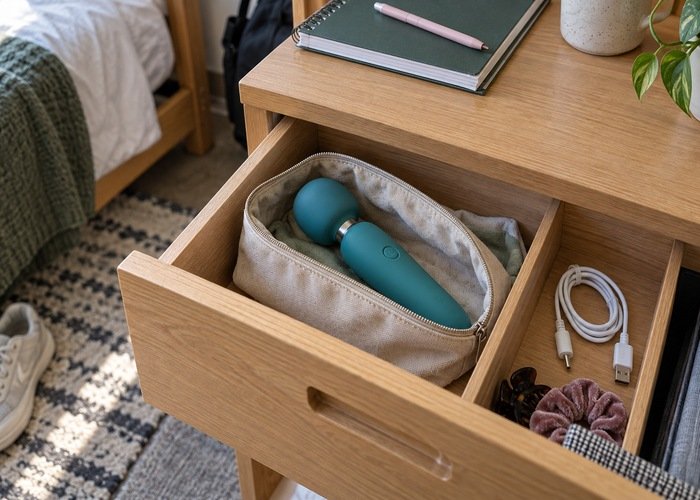
A couple shared that using a small wand vibrator during penetration helped the receiver reach orgasm more easily. They also found that alternating between manual and toy stimulation kept the experience exciting and comfortable.
Tip: Always check in with your partner before introducing new stimulation methods to ensure comfort and consent.
Eye Contact
Maintaining eye contact during intimacy can deepen your emotional connection and increase arousal. You build trust and vulnerability by looking into your partner’s eyes. This simple act can make both of you feel more involved and valued.
- Eye contact acts as a powerful social cue, signaling intimacy and positive feelings.
- Receiving direct gaze often leads to stronger emotional bonds and more pleasant experiences.
- Many couples report that holding eye contact during sex increases confidence and makes them feel closer.
For example, one couple made a habit of pausing to look into each other’s eyes during slow thrusts. They noticed that this practice made their sessions feel more meaningful and helped them communicate nonverbally about comfort and pleasure.
Note: If direct eye contact feels intense, try glancing at your partner’s face or holding hands to maintain connection.
Variations
Exploring different variations can help you find what feels best for both partners. Adjusting positions, using props, or adding new elements can boost comfort and pleasure. Here is a table of popular variations and their effects:
| Variation | Description & Effect on Comfort and Pleasure |
|---|---|
| Standard | Classic legs-up position for deep penetration and eye contact, enhancing intimacy. |
| Reverse | Receiver on top, squatting; offers more control and a cardio challenge. |
| Standing | Performed against a wall; adds novelty and intensity, requires strong legs. |
| Seated | Done on a couch or chair; increases comfort and allows for longer sessions. |
| Side-Lying | Ideal for those with mobility or back issues; top partner folds receiver’s top leg back for easier access. |
| Kneeling (Anvil) | Targets specific erogenous zones and allows for adjustable penetration depth. |
| Push-Up | Adds a physical challenge for the giving partner, increasing control and sensation. |
| One-Leg-Up | Elevates one leg of the receiver to change the angle, enhancing stimulation of the A-spot or cervix. |
A couple with back pain preferred the side-lying variation. They used a wedge pillow for support and found that this setup allowed them to enjoy intimacy without discomfort. Another pair enjoyed the seated version on a sturdy chair, which made it easier to maintain eye contact and experiment with manual stimulation.
Try different variations and props to discover what works best for your bodies and preferences.
Frequently Asked Questions (FAQ):
- What if I feel discomfort with a new variation?
Pause and adjust your position or use more pillows for support. - Can I combine manual stimulation with toys?
Yes, layering stimulation often increases pleasure for both partners. - How do I know which variation is best?
Experiment with different setups and communicate openly with your partner about what feels good.
Aftercare
Aftercare plays a crucial role in ensuring both you and your partner feel safe, respected, and cared for after an intimate session. Proper aftercare helps you transition from physical intensity to emotional comfort, reducing the risk of soreness or emotional disconnect.
Start by exiting the position smoothly. Lower your partner’s legs gently, guide their feet flat to the bed, and shift your weight back. Slide into a side-lying spooning or classic missionary position. This transition prevents sudden muscle strain and allows both of you to relax. One couple found that moving into a cuddling position right after helped them avoid lower back pain and made them feel more connected.
Open communication remains essential even after the activity. Ask your partner how they feel, both physically and emotionally. Use simple questions like, “Are you comfortable?” or “Do you need anything right now?” These check-ins help you address any discomfort early and show that you care about their well-being. For example, a couple who struggled with hip soreness discovered that talking about their experience immediately after helped them adjust their routine for next time.
Gentle physical affection can make a big difference. Hold hands, stroke your partner’s hair, or offer a back rub. Express gratitude for the shared experience. A simple “Thank you for trusting me” can strengthen your bond. Many couples find that creating a relaxing atmosphere—such as dimming the lights or playing soft music—helps both partners unwind.
Respect your partner’s boundaries during aftercare. Some people need quiet time, while others prefer to talk or cuddle. Stay present and attentive. Avoid distractions like checking your phone or rushing to get up. One couple made it a habit to spend at least five minutes in close contact after intimacy, which improved their overall satisfaction and trust.
You can use a simple aftercare checklist to ensure you cover the essentials:
| Aftercare Step | Purpose | Example Action |
|---|---|---|
| Smooth transition | Prevents muscle strain | Lower legs, shift to spooning |
| Open communication | Addresses comfort and emotional needs | Ask about feelings |
| Gentle affection | Reinforces connection and relaxation | Hold hands, cuddle |
| Express gratitude | Builds trust and appreciation | Say “Thank you” |
| Respect boundaries | Honors individual needs | Offer space if needed |
Tip: Aftercare is not just a routine—it is a way to show ongoing respect and care for your partner.
Frequently Asked Questions (FAQ):
- What if my partner feels sore after the session?
Offer a gentle massage or suggest stretching together. Encourage them to rest and hydrate. - How long should aftercare last?
There is no set time. Stay together until both of you feel relaxed and comfortable. - Is it okay to talk about what worked or didn’t work?
Yes. Honest reflection helps you improve future experiences and strengthens your relationship. - What if one of us needs space after intimacy?
Respect that need. Some people recharge best with quiet time, while others prefer closeness.
Safety Tips
Physical Limits
You should always assess your physical limits before trying any new sexual position. The Mating Press requires flexibility, core strength, and healthy joints. If you have a history of back pain or joint problems, take extra care. Many people experience lower back strain or joint stress in the knees, hips, or shoulders if they push too far. You can reduce these risks by using supportive pillows under your hips and sacrum. Warm-up stretches, such as hip-flexor lunges or cat-cow movements, help prepare your muscles and joints.
- Flexibility is helpful, but not required. You can modify the position to fit your body.
- Use cushions or towels to support your lower back and reduce hip flexion.
- Engage your core muscles to protect your spine and distribute weight.
- Adjust your knee height and leg angles to avoid spinal flexion and back pain.
- Always communicate with your partner about comfort and any medical concerns.
- Stop immediately if you feel pain, numbness, or tingling.
Tip: One couple with different flexibility levels used a wedge pillow and kept the receiver’s knees below shoulder height. This adjustment allowed them to enjoy the position without discomfort or strain.
Health Concerns
You should consider your health status before attempting positions that require strength or flexibility. People with chronic back pain, joint issues, or cardiovascular concerns should consult a healthcare professional first. The Mating Press can worsen lower back strain or joint discomfort if you have preexisting conditions. Older adults or those with limited mobility may need to adjust the pace, angle, or exertion level.
- Use pillows to support your hips and sacrum, which helps limit spinal flexion.
- Engage your core and distribute your weight on your forearms to prevent muscle fatigue.
- Take breaks and maintain a steady rhythm to avoid muscle pulls or joint stress.
- Modify the position if you notice discomfort in your knees, hips, or shoulders.
A couple with a history of back pain found that using a rolled towel under the lower back and taking frequent breaks allowed them to enjoy intimacy without aggravating their condition. They also checked in with each other every few minutes to ensure ongoing comfort.
| Health Concern | Risk Factor | How to Minimize Risk |
|---|---|---|
| Lower back strain | Weak core, overextension | Use pillows, engage core, adjust angle |
| Joint stress | Knee, hip, shoulder issues | Modify leg angles, use cushions |
| Cardiovascular issues | Intense exertion | Slow pace, take breaks, consult doctor |
Note: If you have any medical concerns, always seek advice from a healthcare provider before trying new positions.
Alternatives
If you find the Mating Press uncomfortable, you have many alternatives that offer deep penetration and intimacy with less strain. You can experiment with different positions and props to find what works best for your body.
- Cowgirl Variation: You kneel on top, using your partner’s chest for support. Your partner can hold your hips or thighs to reduce fatigue.
- Corkscrew: Lie at the edge of a bed on your hip and forearm. Your partner stands behind and enters from behind, allowing you to press your thighs together for comfort.
- Wheelbarrow: Support yourself on your hands and feet while your partner lifts your pelvis. You grip their waist with your thighs for stability.
- Mini Pretzel Dip: Lie on your side. Your partner kneels, straddling one leg while you curl the other around their side for side-entry.
- Tabletop: Sit or lie at the edge of a surface at crotch level. Your partner enters face-to-face, which increases comfort and intimacy.
- Sexy Crab: Lie on your back with knees bent and legs spread. Your partner lies perpendicular and enters from underneath, giving access to the clitoris and nipples.
Many couples find that using wedge pillows or folded towels can make these alternatives even more comfortable. Keep a sense of humor and experiment together to discover what feels best.
Frequently Asked Questions (FAQ):
- What should I do if I feel pain during a position?
Stop immediately and adjust your setup. Try a different position if discomfort continues. - Can I use props with alternative positions?
Yes. Pillows, towels, and wedges can increase comfort and support. - How do I know if a position is safe for me?
Listen to your body. If you have medical concerns, consult a healthcare professional before trying new positions. - Is it normal to need to switch positions often?
Yes. Every body is different. Frequent adjustments help you find what works best for you and your partner.
You can maximize comfort and safety in the Mating Press by focusing on clear communication, gradual movements, and proper support. Always check in with your partner and use pillows or cushions to reduce strain. Try different angles and variations to discover what feels best for both of you. Remember, every couple has unique needs. Open communication and mutual consent create a positive experience.
| Key Strategies | Why It Matters |
|---|---|
| Use pillows for support | Reduces back and hip strain |
| Communicate throughout | Ensures comfort and emotional safety |
| Adjust angles and pace | Personalizes pleasure and comfort |
| Respect boundaries | Builds trust and connection |
Tip: Experiment together and celebrate what works for you as a couple.
FAQ
What if you or your partner have limited flexibility?
You can use firm pillows or yoga blocks under the hips. One couple with tight hamstrings placed a rolled towel under the knees, which reduced strain and allowed them to enjoy the position comfortably. Adjust leg angles until you both feel relaxed.
How do you prevent soreness after trying the Mating Press?
Warm up with gentle stretches before sex. Afterward, use a heating pad or take a warm bath. A couple who experienced muscle soreness found that stretching together and massaging each other’s lower backs helped them recover faster.
Can you use the Mating Press if you have back pain?
Yes, but you must modify the position. Place a supportive pillow under your lower back. One partner with chronic back pain used a wedge cushion and kept their knees lower, which prevented discomfort and allowed for safe enjoyment.
How do you keep the pillow from slipping during sex?
Try placing a non-slip mat or towel under the pillow. A couple solved this issue by using a yoga mat beneath their bedding, which kept all supports in place and maintained stability throughout the session.
What should you do if you feel numbness or tingling?
Pause immediately and change your position. Numbness often means restricted blood flow. One couple noticed tingling in the receiver’s legs after ten minutes, so they switched to a side-lying position and used a timer to remind them to check in regularly.
How can you make the Mating Press more pleasurable?
Incorporate manual stimulation or use a small vibrator. Adjust the angle of the hips for better contact. For example, a couple added a clitoral vibrator and found that both partners experienced more intense pleasure and satisfaction.
Is it normal to need frequent breaks in this position?
Yes, frequent breaks help prevent fatigue and discomfort. One couple set a timer for every five minutes to check in and reposition. This habit improved their comfort and allowed them to enjoy longer sessions without strain.
What are some signs that you should switch positions?
Look for pain, numbness, or emotional disconnect. If you or your partner feel any of these, switch to a more comfortable position. A couple noticed the receiver’s legs shaking, so they moved to spooning, which restored comfort and intimacy.
Tip: Always communicate openly with your partner. Adjust as needed to ensure comfort and safety for both of you.