I often hear from people who feel confused or hurt when their girlfriend refuses oral sex. I know this topic can feel sensitive. I believe it helps to look at the reasons behind her choice.
- Over half of people in recent surveys say that refusing oral sex can end a relationship (51.39%).
I try to keep an open mind and create space for honest conversation. I find that listening without judgment builds trust and helps both partners feel respected.
Key Takeaways
- Understand that personal preferences play a big role in why someone may refuse oral sex.
- Cultural and religious beliefs can create discomfort around oral sex; respect these differences.
- Physical sensitivities, like gag reflex or jaw pain, can make oral sex uncomfortable for some women.
- Past negative experiences, such as trauma, can lead to anxiety and avoidance of oral sex.
- Open communication is key; choose calm moments to discuss boundaries and feelings.
- Use ‘I’ statements to express your feelings without blaming your partner.
- Explore alternative forms of intimacy, like kissing or sensual touching, when oral sex is not an option.
- Always prioritize consent and respect your partner’s boundaries to build trust and connection.
Why Girlfriend Refuses Oral Sex
Personal Preferences
Dislikes or Discomfort
When I talk with people about intimacy, I often hear that personal preferences play a big role in why a girlfriend refuses oral sex. Some women simply do not enjoy the act. They may feel uncomfortable or find it unappealing. I remember a friend who shared that her dislike stemmed from the taste and texture, which made her uneasy every time her partner asked.
“It seems that women may be reluctant to ask for oral sex from their male partners because they are not overly keen on reciprocating the act,” Karen L. Blair of St. Francis Xavier University explained to PsyPost.
Cultural and religious beliefs also shape personal preferences.
- Some cultures and religions view oral sex as taboo, making it difficult for women to feel comfortable with the idea.
- The context and intent of religious teachings can vary, so some women may feel unsure about what is acceptable.
- In certain communities, limited guidance on sexual behaviors leads to confusion and hesitation.
I have seen how these beliefs influence relationships. For example, a woman raised in a conservative household may feel guilt or shame about oral sex, even if her partner feels differently.
| Reason for Refusal | Percentage (Estimated) |
|---|---|
| Dislikes or Discomfort | 35% |
| Cultural/Religious Beliefs | 20% |
| Hygiene Concerns | 15% |
| Physical Sensitivities | 15% |
| Past Negative Experiences | 15% |
Physical Sensitivities
Gag Reflex or Jaw Pain
Physical sensitivities often explain why a girlfriend refuses oral sex. Many women experience a strong gag reflex, which makes the act uncomfortable or even painful. I once spoke with someone who said she felt anxious every time her partner wanted oral sex because she worried about gagging. Jaw pain is another common issue. Holding the mouth open for extended periods can cause soreness or cramps, especially for those with TMJ or other jaw conditions.
Allergies also play a role.
- Allergic reactions can cause discomfort and psychological stress, making oral sex less appealing.
- Respiratory and skin allergies, as well as food and drug allergies, can lower sexual desire.
- Allergens may be present in bodily fluids, which increases hesitation.
I have noticed that allergy flare-ups often lead to avoidance of intimate acts. In one study, 83% of people with allergic rhinitis said their sexual activity was affected at least sometimes, while 17% reported that allergies always or almost always had a negative impact.
Past Negative Experiences
Trauma or Bad Memories
Past negative experiences can deeply affect intimacy. Trauma, such as sexual assault or abuse, often leads to emotional and physical barriers. I have met survivors who struggle with fear, anxiety, and shame during sexual activities. These feelings can make oral sex feel unsafe or triggering.
- Trauma can cause tension and pain in the body, making sexual acts uncomfortable.
- Emotional impacts include fear, guilt, and difficulty trusting a partner.
- Survivors may experience flashbacks or triggers that disrupt intimacy.
- Negative body image and low self-esteem can make vulnerability hard.
One woman shared with me that she avoided oral sex because it reminded her of a traumatic event from her past. She felt broken inside and found it hard to communicate her needs. Therapists often stress the importance of connecting past trauma to present reactions. Understanding these links helps survivors set boundaries and reclaim pleasure.
Therapists emphasize the importance of connecting past sexual trauma to present-day reactions in intimacy. This understanding is crucial for survivors to navigate their sexual boundaries and reclaim their pleasure.
When a girlfriend refuses oral sex, I try to remember that her reasons may be complex and deeply personal. Open communication and empathy help both partners move forward together.
Hygiene Concerns
Smell, Taste, or Cleanliness
When I talk with people about intimacy, hygiene concerns often come up as a major reason a girlfriend refuses oral sex. Many women feel uncomfortable with the natural taste or smell of bodily fluids. I remember a conversation with a friend who said she could not get past the scent, even after her partner showered. She felt embarrassed to bring it up, but it affected her willingness to engage in oral sex.
I notice that personal hygiene practices make a big difference. Regular showers and clean underwear help maintain a more favorable taste. Some women pay close attention to their partner’s hygiene before considering oral sex. Diet also plays a role. Certain foods, like asparagus or coffee, can lead to more bitter or tangy tastes. I have seen couples experiment with diet changes to improve the experience.
- Natural taste and smell of bodily fluids can deter partners from engaging in oral sex.
- Personal hygiene practices, such as regular showers and clean underwear, can help maintain a more favorable taste.
- Diet significantly affects the flavor of bodily fluids, with certain foods leading to more bitter or tangy tastes.
I once spoke with a woman who refused oral sex because she worried about sexually transmitted infections (STIs). She wanted to feel safe and clean, so she set strict boundaries. Her partner respected her wishes, and they found other ways to connect intimately. When a girlfriend refuses oral sex, hygiene concerns often play a bigger role than people realize.
Emotional Factors
Pressure or Anxiety
Emotional factors can strongly influence why a girlfriend refuses oral sex. Anxiety often comes from feeling vulnerable or worrying about trust. I have met women who feel nervous about their bodies or fear judgment from their partners. Past negative experiences, such as trauma, can lead to long-lasting fears and anxieties. These feelings make it hard to relax and enjoy intimacy.
| Emotional Factor | Description |
|---|---|
| Anxiety | Vulnerability and trust issues can trigger anxiety, especially if past traumas are involved. |
| Past Negative Experiences | Traumatic experiences related to oral sex can lead to long-lasting fears and anxieties. |
| Hygiene Concerns | Concerns about cleanliness and STI transmission can impact comfort levels with receiving oral sex. |
| Cultural and Religious Beliefs | Conservative upbringing can instill guilt and fear around sexual activities, including oral sex. |
| Social Stigmas | Societal taboos surrounding sex can create anxiety and discomfort regarding oral sex. |
Pressure from a partner can also cause distress. I remember a client who felt overwhelmed because her boyfriend insisted on oral sex. She felt her boundaries were ignored, which made her anxious and unhappy. I always remind couples that ignoring comfort levels, consent, or preferences in intimate situations is a serious violation of personal boundaries. Sexual and intimacy consent are not one-time agreements—they are ongoing conversations.
I once had a male client who was going to divorce his wife if she didn’t engage in frequent anal sex. The wife was distraught over the pressure this demand put on her, and for good reason.
When a girlfriend refuses oral sex, emotional factors like anxiety and pressure often shape her decision. I encourage open communication and respect for boundaries. This approach helps both partners feel safe and valued.
Open Communication

Starting the Conversation
I believe that starting a conversation about sexual boundaries requires care and self-awareness. Before I approach my partner, I take time for self-reflection. I ask myself what feels comfortable and what does not. This helps me speak honestly and avoid confusion later. When I want to talk, I choose a relaxed moment—never during an argument or when emotions run high. Privacy matters, so I pick a quiet place where we can focus on each other.
Here are steps I follow to begin these talks:
- Self-Reflection: I think about my own boundaries and comfort levels.
- Choose the Right Moment: I wait for a calm, private time.
- Use ‘I’ Statements: I say, “I feel…” instead of blaming or accusing.
- Be Specific: I explain exactly what I like or dislike.
- Listen Actively: I encourage my partner to share her thoughts.
- Positive Framing: I mention what I enjoy, not just what I avoid.
- Revisit and Revise: I check in regularly, since boundaries can change.
- Respect Her Boundaries: I honor her limits without pressure.
- Seek Help if Needed: If we struggle, I suggest talking to a counselor.
- Remember ‘No’ Means No: I accept her answer without argument.
- Safety First: I keep our comfort and safety as top priorities.
I remember a time when my girlfriend and I felt nervous about discussing oral sex. We waited until a quiet evening at home. I started by sharing my feelings and asked her about hers. This approach helped us both feel safe.
Sharing Perspectives
When I share my perspective, I focus on honesty and empathy. I try to express my desires without making my partner feel judged. I use non-judgmental language and stay open to her point of view. I find that sharing what I enjoy, as well as what I do not, helps my partner understand me better.
- I acknowledge that we may have different preferences.
- I validate her feelings, even if they differ from mine.
- I use active listening, repeating back what I hear to show I understand.
- I build trust by being open about my own vulnerabilities.
For example, I once told my partner, “I enjoy feeling close to you, but I understand if oral sex makes you uncomfortable.” She appreciated my honesty and felt more willing to share her own thoughts. We both learned that trust grows when we listen and accept each other’s feelings.
Listening Without Judgment
Listening without judgment is the foundation of healthy communication. I remind myself to stay curious and open, even if I hear something unexpected. I avoid interrupting or criticizing. Instead, I focus on understanding my partner’s emotions and needs.
“Active listening creates a safe space for partners to discuss vulnerabilities, which is essential for addressing sensitive issues like sexual boundaries.”
I notice that when I listen carefully, my partner feels more comfortable sharing. This reduces misunderstandings and helps us find solutions together. I also check in by paraphrasing what she says, such as, “So you feel anxious about this because of past experiences?” This shows respect and builds trust.
| Communication Technique | Benefit |
|---|---|
| Active Listening | Reduces misunderstandings |
| Paraphrasing | Shows respect and understanding |
| Non-Judgmental Language | Builds trust and safety |
By practicing these skills, I create a safe environment where both of us can express our needs. This makes it easier to navigate sensitive topics and strengthens our relationship.
Building Empathy
Validating Feelings
I believe that empathy starts with validating my partner’s feelings. When my girlfriend shares her discomfort about oral sex, I listen and show that I care about her experience. I avoid dismissing her emotions or trying to change her mind. Instead, I let her know that her boundaries matter to me. Psychological research shows that perceived partner responsiveness—understanding, validating, and caring about a partner’s needs—leads to greater relationship satisfaction and sexual harmony. I notice that when I respond with empathy, my girlfriend feels safer and more willing to talk about sensitive topics.
I remember a time when my partner felt anxious about intimacy. I told her, “Your feelings are important to me. I want you to feel comfortable.” She relaxed and opened up about her worries. This approach helped us build trust and made our relationship stronger.
| Empathy Action | Impact on Relationship |
|---|---|
| Listening actively | Builds trust |
| Validating emotions | Increases safety and openness |
| Avoiding judgment | Reduces anxiety |
Avoiding Pressure
I know that avoiding pressure is essential when discussing sexual preferences. I never want my partner to feel forced or obligated. I focus on creating a supportive environment where she can share her thoughts freely. Here are some strategies I use:
- I communicate my feelings openly to prevent misunderstandings.
- I practice sitting with uncomfortable emotions instead of pushing them away.
- I suggest other forms of intimacy, like kissing or cuddling, when oral sex is off the table.
One evening, my girlfriend told me she felt stressed by my requests for oral sex. I apologized and asked what would make her feel more comfortable. We agreed to spend more time cuddling and talking. This helped her feel valued and respected.
“When partners avoid applying pressure, they create space for honest communication and deeper connection.”
Recognizing Your Needs
I recognize that my own needs matter, too. I believe that expressing my desires respectfully helps both partners feel understood. I use several methods to communicate my needs:
- I talk openly about what I enjoy or guide my partner during intimate moments.
- I share fantasies or suggest watching something together to express my desires.
- I try sensate focus exercises, which help us connect without worrying about performance.
I also set aside time each week to discuss our sex life. I start by mentioning what is going well, then share any insecurities before bringing up difficult topics. For example, I once told my girlfriend, “I appreciate how close we feel when we cuddle. Sometimes I wish we could explore new things together.” She appreciated my honesty and felt more comfortable sharing her own thoughts.
| Communication Method | Benefit |
|---|---|
| Explicit conversation | Clarifies needs |
| Sharing fantasies | Encourages openness |
| Weekly check-ins | Maintains connection |
Building empathy means validating my partner’s feelings, avoiding pressure, and recognizing my own needs. I find that these steps help us move forward together, even when we face challenges in our intimate life.
Exploring Alternatives
Other Intimate Acts
When oral sex is not an option, I look for other ways to stay close with my partner. I have found that intimacy does not depend on one act. Many couples discover new ways to connect when they explore different forms of touch and affection. Here are some alternatives I have tried or discussed with others:
- Sensual touching
- Kissing
- Caressing
- Mutual masturbation
- Erotic massages, including tantric techniques
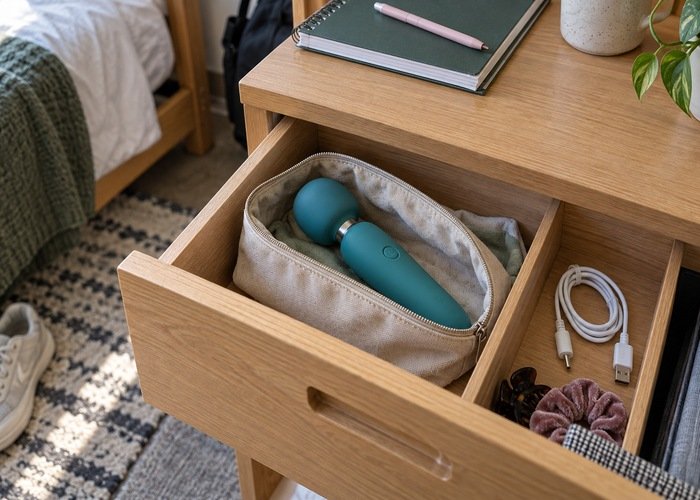
- Creative use of hands and sex toys
I remember a couple who felt stuck after deciding to stop oral sex. They started giving each other massages with scented oils. This simple change brought them closer and made their evenings more relaxing. Sometimes, a gentle touch or a long kiss can feel just as intimate as anything else.
Mutual Satisfaction
I believe that both partners should feel satisfied in their relationship. When one act is off the table, I focus on what we both enjoy. I ask my partner what makes her feel good and share my own preferences. We look for activities that bring pleasure to both of us.
| Intimate Activity | Percentage of Couples Who Enjoy It* |
|---|---|
| Kissing | 92% |
| Sensual Touching | 85% |
| Mutual Masturbation | 60% |
| Erotic Massage | 55% |
| Use of Sex Toys | 48% |
*Estimates based on relationship surveys
One evening, my girlfriend and I talked about what we liked most. We realized that slow, sensual touching made us both feel loved. We set aside time each week for this, and our connection grew stronger. I learned that satisfaction comes from understanding and meeting each other’s needs.
Creative Solutions
I have seen that creativity keeps intimacy alive. When oral sex is not part of our routine, I try new things with my partner. Relationship experts often suggest open communication about desires and boundaries. I make sure we talk honestly about what we want and what feels comfortable.
Some creative solutions I have explored include:
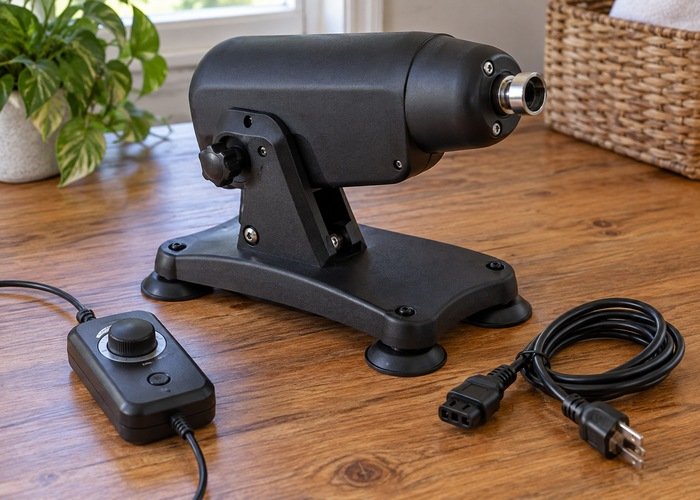
- Using sex toys that simulate oral sensations
- Engaging in non-sexual physical closeness, such as cuddling or massaging
- Exploring alternative forms of intimacy, like showering together
- Setting up romantic evenings with music and candles
Tip: Open communication helps couples find new ways to connect. I always check in with my partner to see how she feels about trying something different.
I once suggested using a toy designed to mimic oral sensations. My partner felt curious, so we tried it together. This experience brought excitement and laughter to our relationship. I learned that being open to new ideas can lead to deeper intimacy.
Respecting Boundaries

Importance of Consent
I always remind myself that consent forms the foundation of any healthy sexual relationship. Consent means more than just saying “yes” or “no.” It involves a voluntary and conscious willingness to participate in any intimate act. I have learned that true consent includes feelings of safety, comfort, and readiness. When my girlfriend shares her boundaries, I listen and respect her wishes. This approach helps both of us feel valued and secure.
Recent psychological studies show that clear and explicit conversations about consent protect everyone involved. If couples avoid these discussions, they may feel less anxious in the short term, but this can create power imbalances and harm trust. I have seen relationships suffer when partners ignore the need for open consent. I always check in with my partner, even if we have discussed boundaries before. This habit keeps our connection strong.
Tip: Consent is not a one-time agreement. I revisit the conversation regularly to make sure both of us feel comfortable and respected.
Navigating Differences
Every couple faces differences in sexual preferences. I know that my needs may not always match my partner’s. When this happens, I focus on understanding and accepting that preferences can change over time. I keep physical touch and affection alive, even if we avoid certain acts. I create a safe space for both of us to express desires without fear of judgment.
Here are some steps I follow to navigate our differences:
- I acknowledge that our sexual needs may not always align.
- I respect my partner’s discomfort and never pressure her.
- I communicate my own boundaries clearly and kindly.
- We work together to find compromises that satisfy both of us.
I remember a time when my girlfriend and I disagreed about trying something new. We talked openly about our feelings and agreed to revisit the topic later. This approach helped us avoid resentment and kept our relationship healthy.
| Strategy | Benefit |
|---|---|
| Routine check-ins | Maintains intimacy |
| Open communication | Builds trust |
| Respect for boundaries | Prevents resentment |
| Physical affection | Keeps connection strong |
Sexuality is an ongoing conversation. I set aside time every few months to check in with my partner about our needs and preferences. This routine helps us adapt as our relationship grows.
When to Seek Help
Sometimes, couples struggle to resolve sexual incompatibility on their own. I believe that seeking professional help shows strength, not weakness. If my partner and I cannot connect sexually despite our best efforts, I consider reaching out to a therapist or counselor. Addressing these issues early can prevent bigger problems, such as infidelity or separation.
I once knew a couple who avoided talking about their sexual differences for years. Their frustration grew, and they eventually sought help from a therapist. With guidance, they learned new ways to communicate and found solutions that worked for both of them.
- I seek professional support if we feel stuck or disconnected.
- I address sexual incompatibility before it leads to serious relationship issues.
- I view therapy as a tool for growth and understanding.
Note: Many couples benefit from talking to a professional when intimacy challenges feel overwhelming. Early intervention often leads to better outcomes.
Moving Forward Together
Acceptance
I learned that acceptance forms the foundation for moving forward in any relationship. When I accept my partner’s boundaries, I create space for trust and healing. I remember a time when my girlfriend shared her discomfort with oral sex. I felt disappointed, but I chose to respect her wishes. Over time, our relationship grew stronger because we both felt safe expressing our needs.
Research shows that accepting a partner’s sexual boundaries brings several psychological benefits. I summarized these benefits in the table below:
| Benefit | Description |
|---|---|
| Clarity in communication | Helps me discuss and understand consent, making it easier to talk about wants and boundaries. |
| Improved self-awareness | Encourages me to explore my own desires and comfort levels. |
| Enhanced relationships | Fosters satisfying and respectful interactions through open dialogue. |
| Empowerment | Recognizes my right to set boundaries and make choices. |
| Conflict resolution | Helps me address misunderstandings or misalignments in expectations. |
| Distress healing | Supports healing from past boundary violations or traumas. |
| Vulnerability and shadow work | Exposes vulnerabilities and the impact of consent violations. |
| Ethical framework | Promotes ethical behavior by considering my partner’s well-being and autonomy. |
| Personal development | Leads to growth in assertiveness, empathy, and self-reflection. |
I noticed that when I accept my partner’s boundaries, I feel more empowered and less anxious. This acceptance helps us both heal from past experiences and build a stronger connection.
Focusing on Strengths
I believe that focusing on the strengths in my relationship helps us overcome sexual disagreements. When my girlfriend and I face challenges, I remind myself of what brings us together. For example, we both enjoy spending time outdoors and sharing new experiences. These moments help us reconnect and appreciate each other.
Relationship experts suggest several ways to focus on strengths:
- I openly express my needs and desires, which creates a safe space for sharing feelings.
- I practice active listening to understand my partner’s perspective, which enhances empathy and connection.
- I address disagreements constructively and look for middle ground where both of us feel respected.
- I recognize underlying issues that may affect intimacy and consider therapy if needed.
- I use couples therapy not only for conflict resolution but also to improve our overall relationship quality and intimacy.
One evening, my girlfriend and I disagreed about trying something new in our sex life. Instead of arguing, we talked about what we both enjoyed. We found common ground by focusing on activities that made us feel close, like cuddling and watching movies together. This approach helped us move past the disagreement and strengthened our bond.
Keeping Communication Open
I discovered that keeping communication open is essential for maintaining intimacy and respect. I start conversations with open-ended questions about preferences, such as, “How do you feel about trying something different?” I always ask for consent before discussing sensitive topics to make sure my partner feels comfortable.
Here are strategies I use to keep communication open:
- I start with open-ended questions about preferences.
- I obtain consent for the conversation to ensure comfort.
- I set realistic expectations for how the conversation will go.
- I invite my partner to share her needs in a supportive way.
- I share my own needs using “I” statements.
I also use direct phrases to communicate boundaries:
- “I am comfortable with…”
- “I am not comfortable with…”
- “Let’s pause.”
- “What I really enjoy is…”
- “I need you to…”
Regular check-ins help us both feel comfortable expressing our needs. I pay attention to emotional cues. When I notice excitement and connection, I know our boundaries are respected. If I sense sadness or disappointment, I take time to address these feelings and adjust our approach.
I remember a time when my girlfriend felt nervous about discussing intimacy. I reassured her by saying, “We can talk about anything, and I want you to feel safe.” This helped her open up, and we found new ways to connect.
Tip: Open communication is not a one-time event. I revisit these conversations regularly to keep our relationship healthy and strong.
I learned that understanding and respecting my girlfriend’s reasons for refusing oral sex strengthens our relationship. Empathy and open communication help us resolve misunderstandings and build trust. Research shows that women’s communication patterns and empathy directly affect relationship satisfaction:
| Key Findings | Description |
|---|---|
| Importance of Empathy | Empathy links to better communication and satisfaction in couples. |
| Communication Patterns | Avoidance in conflict predicts declines in relationship satisfaction. |
I focus on solutions that honor both our boundaries, knowing that mutual respect and regular check-ins keep our connection healthy.
FAQ
Why does my girlfriend feel uncomfortable with oral sex?
I learned that discomfort often comes from personal preferences, physical sensitivities, or past experiences. For example, my friend felt uneasy due to taste and texture. Many women also worry about hygiene or have strong gag reflexes.
How can I talk to my partner about oral sex without causing stress?
I start by choosing a calm moment. I use “I” statements and listen actively. I avoid blaming or pressuring. This approach helps my partner feel safe and respected.
What alternatives can we try if oral sex is off the table?
I explore sensual touching, kissing, mutual masturbation, and erotic massages. Many couples find satisfaction through creative use of hands or sex toys. Here is a quick list:
- Sensual touching
- Kissing
- Erotic massage
- Sex toys
Can hygiene concerns be addressed to make oral sex more comfortable?
I pay attention to personal hygiene. I shower regularly and wear clean underwear. I also consider diet changes. Some foods affect taste and smell. Open communication about hygiene helps both partners feel comfortable.
What should I do if my partner has trauma related to oral sex?
I listen with empathy and never pressure her. I encourage her to share feelings at her own pace. Sometimes, seeking support from a therapist helps. I focus on building trust and safety.
Is it normal for couples to have different sexual boundaries?
Yes, I see that every couple has unique boundaries. I respect my partner’s limits and communicate my own. We find compromises that work for both of us. Here is a table showing common boundaries:
| Boundary Type | Example |
|---|---|
| Physical Comfort | Avoiding certain acts |
| Emotional Safety | Needing reassurance |
| Hygiene | Setting cleanliness rules |
When should we seek professional help for intimacy issues?
I consider therapy if we feel stuck or disconnected. Early intervention helps prevent bigger problems. A counselor can guide us through communication and help us find solutions.
How do I express my needs without making my partner feel pressured?
I share my desires honestly and use positive language. I ask open-ended questions and invite my partner to share her feelings. I avoid ultimatums or guilt. This approach builds trust and keeps our relationship strong.