Pregnancy transforms your body in remarkable ways, often impacting intimacy. Studies show that while sexual satisfaction can peak during the second trimester, nearly 50% of couples experience a decline in sexual activity throughout pregnancy. Factors like changes in body image, weight gain, and fluctuating hormones play a role. Despite these challenges, selecting the right pregnancy sex positions can enhance comfort and connection. Positions like Side-Lying, Woman on Top, and Edge of the Bed adapt to your body’s needs, ensuring safety and intimacy as you progress through each trimester.
Key Takeaways
- Try the Side-Lying position for comfort. It eases pressure on your belly and helps blood flow better.
- The Woman on Top position lets you take control. Move in ways that feel good and keep things comfortable.
- Use the Edge of the Bed position to avoid back pain. It gives you more comfort as your body changes.
- Add pillows for extra support. They help keep your body straight and make things less uncomfortable.
- Talk openly with your partner. Sharing thoughts and feelings builds a stronger bond and keeps both of you at ease.
- Pay attention to your body. If something feels wrong, stop and try another position that feels better.
- Try other safe positions like Reverse Cowgirl or Standing. These can give you more options and comfort while pregnant.
- Ask your doctor if you notice anything unusual during intimacy. Your health and safety are most important.
Side-Lying (Spooning) Position
Why Side-Lying is Ideal During Pregnancy
The side-lying position offers several benefits during pregnancy, making it one of the most recommended pregnancy sex positions. This position reduces pressure on your abdomen, allowing you to feel more comfortable as your belly grows. It also promotes better blood circulation, which is essential for both you and your baby.
- Sleeping or lying on your left side enhances blood flow from the inferior vena cava, a major vein that delivers blood to your heart and baby.
- This position alleviates pressure on your liver and kidneys, improving organ function and reducing swelling.
- After 20 weeks of pregnancy, side-lying can help reduce pressure on veins and organs, easing lower back pain and maintaining pelvic alignment.
- Studies link left-side sleeping to lower risks of stillbirth, reduced fetal growth, and preeclampsia due to less compression of major blood vessels.
By choosing this position, you can enjoy intimacy while prioritizing your health and comfort.
How to Perform the Side-Lying Position
Performing the side-lying position is simple and adaptable to your needs. Follow these steps to ensure comfort and safety:
- Lie on your side with your spine parallel to the bed or surface.
- Position your partner behind you, also lying on their side.
- Use pillows to support your belly and hips. This helps maintain proper alignment and reduces strain.
- Adjust your top leg by bending it slightly or resting it on a pillow for added stability.
- Communicate with your partner to find the most comfortable angle for both of you.
This position allows you to relax while maintaining closeness with your partner.
Tips for Comfort and Safety in Side-Lying
To make the side-lying position even more enjoyable, consider these tips:
- Use plenty of pillows for support. Place them under your belly, between your knees, and behind your back to reduce strain.
- Opt for a firm mattress or surface to maintain proper alignment and prevent discomfort.
- Take your time to find the right angle. Adjust your position as needed to avoid putting pressure on sensitive areas.
- Listen to your body. If you feel any discomfort or pain, stop and try a different position.
- Communicate openly with your partner. Share what feels good and what doesn’t to ensure a positive experience.
The side-lying position is a gentle and effective way to maintain intimacy during pregnancy. It adapts to your changing body and prioritizes your well-being, making it a favorite among pregnancy sex positions.
Woman on Top Position
Why Woman on Top is a Great Pregnancy Sex Position
The woman on top position offers you control over movement and pace, making it an excellent choice during pregnancy. As your body changes, this position allows you to adjust angles and pressure to suit your comfort level. It minimizes strain on your abdomen and lets you avoid positions that might compress your growing belly.
This position also promotes deeper connection with your partner. Eye contact and physical closeness enhance intimacy, helping you feel more emotionally bonded. Additionally, it reduces the risk of discomfort or pain because you can stop or modify movements instantly.
Pregnancy sex positions like this one empower you to prioritize your comfort and safety while maintaining a fulfilling intimate relationship.
How to Perform the Woman on Top Position
Performing the woman on top position is straightforward and adaptable. Follow these steps to ensure a comfortable experience:
- Sit or kneel on top of your partner while they lie flat on their back.
- Adjust your position to avoid putting pressure on your abdomen. Lean forward or backward slightly to find the most comfortable angle.
- Use pillows or cushions to support your knees or hips if needed.
- Communicate with your partner to find a rhythm and depth that feels good for both of you.
This position lets you take control, ensuring that movements align with your comfort level.
Tips for Comfort and Safety in Woman on Top
To make the woman on top position more enjoyable, consider these tips:
- Use props for support: Place pillows under your knees or hips to reduce strain and maintain balance.
- Take breaks: Pause if you feel tired or uncomfortable. Pregnancy can affect your stamina, so listen to your body.
- Experiment with angles: Lean forward or backward to find the best position for your changing body.
- Communicate openly: Share feedback with your partner to ensure mutual comfort and satisfaction.
- Avoid sudden movements: Move gently to prevent discomfort or strain on your joints.
Tip: If you experience any pain or discomfort, stop immediately and try a different position. Always prioritize your well-being during intimacy.
The woman on top position adapts to your needs, offering flexibility and control. It’s one of the most versatile pregnancy sex positions, ensuring both safety and connection as your body changes.
Edge of the Bed Position
Why Edge of the Bed Works Well for Pregnancy
The edge of the bed position is a practical choice during pregnancy. It minimizes strain on your abdomen and lower back, making it ideal for later trimesters. This position allows you to lie comfortably while your partner stands or kneels, reducing pressure on sensitive areas.
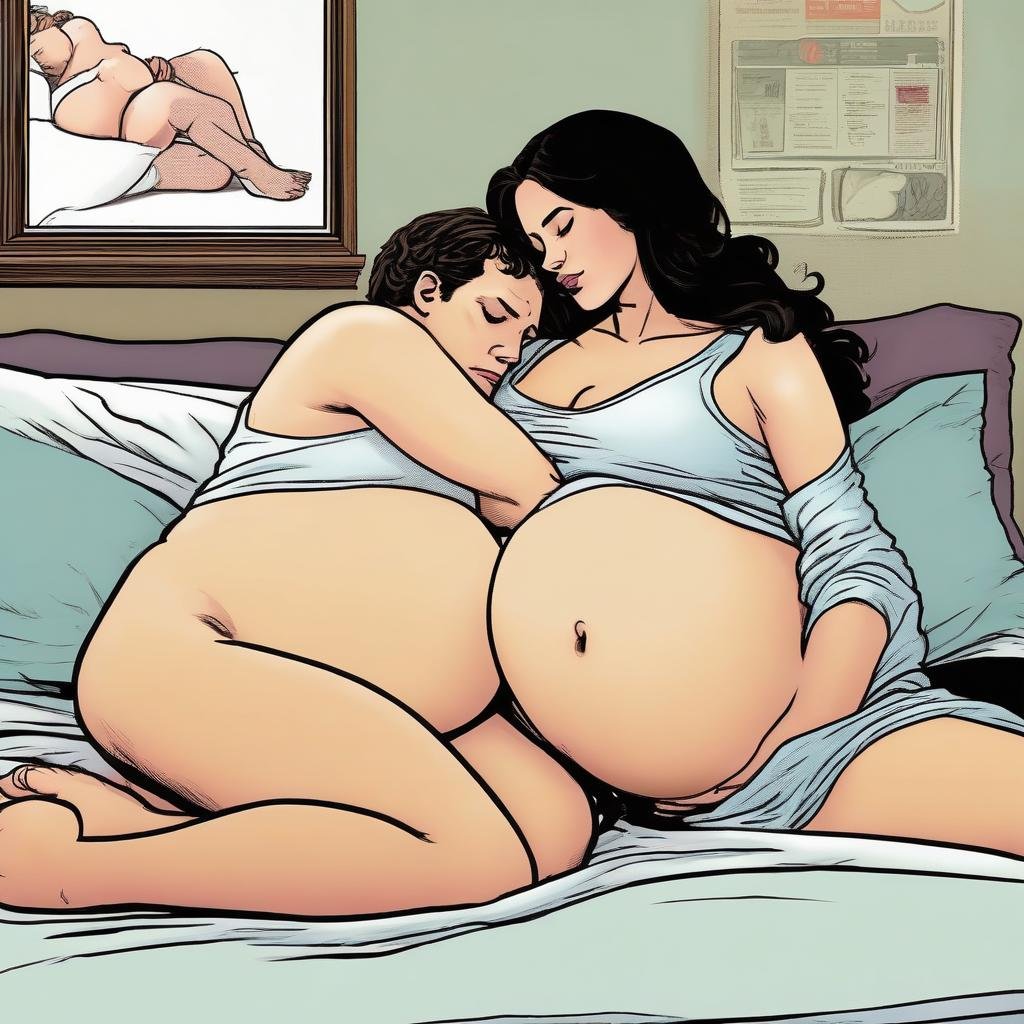
You can also adjust your posture easily in this position. Whether you prefer lying flat or propping yourself up with pillows, the edge of the bed offers flexibility. It’s especially helpful if you experience discomfort in other positions.
This position promotes intimacy without compromising your comfort. It keeps your body supported while allowing your partner to engage with you closely. Many couples find this position enhances connection during pregnancy.
How to Perform the Edge of the Bed Position
Performing the edge of the bed position is simple and adaptable. Follow these steps to get started:
- Sit or lie down at the edge of the bed with your legs hanging off the side.
- Adjust your posture based on your comfort. You can lie flat, recline slightly, or use pillows to support your back and hips.
- Your partner can stand or kneel in front of you, depending on the height of the bed and what feels best for both of you.
- Communicate with your partner to find the right angle and depth that works for your body.
This position allows you to relax while maintaining closeness with your partner. It’s easy to modify based on your needs.
Tips for Comfort and Safety in Edge of the Bed
To make the edge of the bed position more enjoyable, consider these tips:
- Use pillows for support: Place them under your back or hips to reduce strain and maintain alignment.
- Choose the right bed height: Ensure the bed is at a comfortable level for your partner to stand or kneel.
- Take breaks: Pause if you feel tired or uncomfortable. Pregnancy can affect your energy levels, so listen to your body.
- Experiment with angles: Adjust your posture to find the most comfortable position for your changing body.
- Communicate openly: Share feedback with your partner to ensure mutual comfort and satisfaction.
Tip: If you experience any discomfort or pain, stop immediately and try a different position. Always prioritize your well-being during intimacy.
The edge of the bed position is one of the most adaptable pregnancy sex positions. It prioritizes your comfort while fostering connection, making it a great option for couples during pregnancy.
Other Safe Pregnancy Sex Positions to Try
Reverse Cowgirl
The reverse cowgirl position offers a unique blend of comfort and control, making it a safe and adaptable choice during pregnancy. In this position, you face away from your partner while seated on top of them. This orientation can feel more comfortable as your belly grows, especially in the later stages of pregnancy.
- You control the depth and speed of penetration, which helps you adjust to your comfort level.
- This position works well for all trimesters, though it may require slight modifications as your belly expands.
- It’s a great option if you feel self-conscious about your stomach facing your partner, allowing you to focus on the experience without distractions.
To perform this position, have your partner lie flat on their back. Sit or kneel on top of them, facing away. Adjust your posture by leaning forward or backward to find the most comfortable angle. Use pillows for additional support if needed. This position prioritizes your comfort and gives you full control over the pace and depth, ensuring a pleasurable and safe experience.
Tip: If you feel any discomfort, pause and adjust your position. Always listen to your body and prioritize your well-being.
Standing Positions
Standing positions can be a practical and intimate option during pregnancy, especially when lying down feels uncomfortable. These positions work well in the earlier trimesters when your balance and stamina are less affected. They also allow for close physical contact, enhancing emotional connection.
To try a standing position, stand facing your partner or with your back to them. Your partner can support your hips or lower back to help you maintain balance. If needed, lean against a sturdy surface like a wall or countertop for additional stability. This reduces strain on your legs and back, making the experience more enjoyable.
Note: Avoid standing positions if you feel unsteady or experience dizziness. Safety should always come first.
Side-by-Side Positions
Side-by-side positions are another excellent choice for pregnancy intimacy. These positions allow both you and your partner to lie down, reducing strain on your body. They are particularly beneficial in the later trimesters when your belly requires extra support.
To perform a side-by-side position, lie on your side facing your partner or with your back to them. Use pillows to support your belly, hips, and knees for added comfort. This position minimizes pressure on your abdomen and promotes relaxation, making it ideal for maintaining intimacy without discomfort.
Tip: Experiment with different angles and pillow placements to find what works best for you. Open communication with your partner can help ensure a positive experience.
By exploring these safe pregnancy sex positions, you can maintain intimacy while prioritizing your comfort and safety. Each position offers unique benefits, allowing you to adapt to your changing body and enjoy a fulfilling connection with your partner.
General Tips for Pregnancy Sex
Communication and Openness
Open communication with your partner is the foundation of a healthy intimate relationship during pregnancy. Sharing your feelings, concerns, and preferences helps you both navigate the changes in your body and emotions. When you express your needs, your partner can better understand how to support you, fostering a deeper connection.
- Studies reveal that 60.2% of individuals avoid discussing pregnancy-related issues, which can lead to misunderstandings and emotional distance.
- Those who communicate openly, especially with healthcare professionals, report better outcomes, such as improved access to maternal health services.
- Personalized care and clear communication enhance trust and satisfaction, as highlighted by the World Health Organization’s recommendations.
By discussing your comfort levels and any physical limitations, you can explore pregnancy sex positions that work best for you. This openness ensures that intimacy remains enjoyable and stress-free.
Tip: Use non-verbal cues like touch or facial expressions to communicate when words feel difficult. Small gestures can convey your feelings effectively.
Using Props for Support
Pregnancy often brings physical discomfort, but using props can make intimacy more comfortable. Pillows, cushions, and even specialized pregnancy wedges provide the support you need to relax and enjoy the moment. These props help reduce strain on your back, hips, and abdomen, making it easier to try different positions.
For example, placing a pillow under your hips during the side-lying position can improve alignment and reduce pressure. Similarly, using a cushion to support your knees in the woman-on-top position can enhance stability and comfort. Props also allow you to modify positions as your body changes, ensuring that intimacy remains adaptable and enjoyable.
Note: Experiment with different props to find what works best for you. A firm pillow or a soft cushion can make a significant difference in your comfort.
Listening to Your Body
Your body undergoes significant changes during pregnancy, and listening to it is crucial for maintaining intimacy. Pay attention to how you feel physically and emotionally. If a position feels uncomfortable or causes pain, stop immediately and try a different approach. Your comfort and safety should always come first.
Pregnancy sex positions like side-lying or edge of the bed are designed to adapt to your changing body. However, every pregnancy is unique, so what works for others may not work for you. Trust your instincts and communicate with your partner to find what feels right. Taking breaks and staying hydrated can also help you feel more at ease during intimacy.
Reminder: If you experience persistent discomfort or have concerns about intimacy during pregnancy, consult your healthcare provider for guidance.
By focusing on communication, using supportive props, and listening to your body, you can maintain a fulfilling and safe intimate relationship throughout pregnancy. These tips ensure that intimacy remains a source of connection and joy as you prepare for the arrival of your baby.
When to Avoid Pregnancy Sex
Medical Conditions That Require Caution
Certain medical conditions can make pregnancy sex risky for you and your baby. Understanding these conditions helps you make informed decisions about intimacy during this time. If you experience any of the following, consult your healthcare provider before engaging in sexual activity:
- Problems with the cervix that increase the risk of miscarriage or early labor
- Pregnancy with twins or multiples
- Placenta previa, where the placenta covers the cervix partially or entirely
- Cervical incompetence, which causes the cervix to open prematurely
- A history of premature labor
- Substantial blood loss or unexplained vaginal bleeding
- Leaking amniotic fluid
- Ruptured membranes (your water breaking), which raises the risk of infection
These conditions can create complications that may harm your pregnancy. For example, placenta previa can lead to severe bleeding during sex, while leaking amniotic fluid increases the chance of infection. Globally, severe bleeding and hypertensive disorders like preeclampsia are among the leading causes of maternal deaths, accounting for tens of thousands of fatalities annually. If you have any of these conditions, prioritize your health by discussing your options with your doctor.
Signs to Stop and Seek Medical Advice
Even if your pregnancy has been smooth, certain signs during or after sex indicate the need to stop and contact your healthcare provider. These signs could point to complications that require immediate attention. The table below highlights key clinical signs and their potential implications:
| Clinical Sign | Description |
|---|---|
| Heavy vaginal bleeding | Indicates potential complications. |
| Pain during sex | Suggests possible issues that need evaluation. |
| Leaking of amniotic fluid | Could indicate a risk to the pregnancy. |
| Contractions after sex that do not go away | May signal preterm labor or other concerns. |
If you notice any of these signs, stop sexual activity immediately and seek medical advice. For instance, heavy bleeding could signal a serious issue like placental abruption, while persistent contractions might indicate preterm labor. Pain during sex should never be ignored, as it may point to underlying problems that need evaluation.

Your body provides important signals about its well-being. Paying attention to these signs ensures that you protect both yourself and your baby. Always prioritize safety and consult your healthcare provider if you have concerns about intimacy during pregnancy.
Pregnancy transforms your body, but it doesn’t have to disrupt intimacy. Choosing the right pregnancy sex positions, like Side-Lying, Woman on Top, and Edge of the Bed, ensures safety and comfort while fostering connection. These positions adapt to your changing body, reducing strain and enhancing closeness with your partner. Clinical research confirms that sexual activity in low-risk pregnancies does not increase the risk of preterm delivery or miscarriage, making these positions both safe and enjoyable.
Note: Open communication and listening to your body are essential. They help you navigate physical changes and maintain a fulfilling intimate relationship throughout pregnancy.
FAQ
What are the benefits of pregnancy sex?
Pregnancy sex strengthens your emotional bond with your partner. It improves blood circulation, reduces stress, and releases endorphins, which boost your mood. It also helps maintain intimacy during a transformative time in your relationship.
Why do some positions work better during pregnancy?
Certain positions, like Side-Lying or Woman on Top, reduce pressure on your abdomen and back. They adapt to your growing belly, ensuring comfort and safety while maintaining intimacy.
Can pregnancy sex harm the baby?
No, pregnancy sex is safe for most low-risk pregnancies. The baby is protected by the amniotic sac and uterus. However, consult your doctor if you have medical conditions like placenta previa or a history of preterm labor.
Why is communication important during pregnancy sex?
Open communication helps you and your partner understand each other’s needs and comfort levels. It fosters trust and ensures that intimacy remains enjoyable and stress-free as your body changes.
Should I avoid sex in the third trimester?
You don’t need to avoid sex in the third trimester unless your doctor advises otherwise. Positions like Edge of the Bed or Side-Lying can provide comfort and reduce strain during this stage.
Why do I feel tired during intimacy while pregnant?
Pregnancy affects your energy levels due to hormonal changes and physical demands. Fatigue is normal. Take breaks, use supportive props, and listen to your body to ensure a comfortable experience.
Can I use lubricants during pregnancy sex?
Yes, lubricants are safe to use during pregnancy. Opt for water-based or pregnancy-safe lubricants to reduce discomfort caused by hormonal changes that may lead to vaginal dryness.
When should I stop having sex during pregnancy?
Stop if you experience heavy bleeding, pain, leaking amniotic fluid, or persistent contractions. These could indicate complications. Always consult your healthcare provider if you notice these signs.
Tip: Always prioritize your comfort and safety. If in doubt, seek medical advice to ensure a healthy pregnancy.