You set the stage for unforgettable intimacy and boost pleasure when you approach foreplay with genuine attention and excitement. Stay present in each moment. Listen to your partner’s responses. Try new techniques with an open mind. When you create space for exploration, you invite connection and mutual enjoyment.
Tip: Focus on your partner’s reactions. Adjust your touch and pace based on their feedback to boost pleasure even more.
Key Takeaways
- Create a relaxing mood with soft lighting, music, and a clean space to help both partners feel comfortable and ready.
- Stay present and relaxed to notice your partner’s reactions and build a deeper connection during foreplay.
- Talk openly about desires and boundaries to build trust and make the experience enjoyable and safe for both.
- Use varied touch on sensitive areas like the neck, ears, chest, and thighs to increase pleasure and emotional closeness.
- Incorporate oral and visual stimulation with attention to technique and body language to heighten excitement.
- Add playfulness and new experiences like roleplay or toys to keep intimacy fresh and strengthen your bond.
- Give genuine compliments and positive feedback to boost confidence and deepen emotional connection.
- Listen carefully to your partner’s cues and adjust your actions to ensure comfort and maximize mutual pleasure.
Setting the Mood
Creating the right atmosphere sets the foundation for unforgettable foreplay. You can transform any space into a sensual retreat by focusing on both the environment and your mindset.
Environment
Lighting and Music
Lighting and music play a powerful role in shaping the mood. Soft, warm lighting creates a sense of safety and intimacy. You might use dimmable lamps, candles, or string lights to soften harsh edges and invite relaxation. Pleasant scents, such as vanilla or sandalwood, can further enhance the sensory experience.
Music is another essential element. Choose a playlist that matches the energy you want to create. Slow rhythms encourage closeness, while upbeat tracks can add excitement. Lyrics may spark fantasies and deepen emotional engagement. Genres like R&B, jazz, or classical each offer unique atmospheres, from sultry to passionate. When you and your partner select music together, you build anticipation and strengthen your connection.
Tip: Try timing your music to the phases of foreplay. Start with slow, sensual tracks, then shift to more energetic beats as things heat up, and finish with soothing melodies to wind down.
- Music can:
- Reduce inhibitions and stress
- Heighten emotional and physical arousal
- Inspire synchronized movement
- Boost confidence and intimacy
Combining music, lighting, and scent creates a multi-dimensional environment that helps both partners feel comfortable and ready to explore.
Cleanliness
A clean, tidy space signals respect and care. Fresh sheets, uncluttered surfaces, and a pleasant aroma make your partner feel valued and at ease. Take a few minutes to prepare the room before inviting your partner in. This simple act can boost pleasure by removing distractions and allowing both of you to focus on each other.
Mindset
Presence
Your mental state matters as much as the physical environment. When you stay present, you notice your partner’s reactions and respond in real time. Mindfulness techniques, such as deep breathing, help you focus on sensations and emotions. This presence fosters a deeper connection and increases enjoyment for both of you.
Relaxation
Relaxation is key to a satisfying experience. Take a moment to release tension before you begin. Deep breathing, gentle stretching, or even a short meditation can help you let go of stress. When you approach foreplay with a calm, positive mindset, you create space for anticipation, desire, and emotional intimacy. This preparation helps both partners feel comfortable, confident, and open to new experiences.
Note: A relaxed and present mindset not only enhances your own enjoyment but also encourages your partner to let go and fully engage, setting the stage to boost pleasure throughout your time together.
Communication
Open, honest communication lays the groundwork for satisfying and safe foreplay. When you talk about desires and boundaries, you create trust and deepen intimacy. This section guides you through practical steps to discuss what you want, respect limits, and read your partner’s cues.
Desires
Asking
Start by inviting your partner to share their thoughts and fantasies. Choose a relaxed, private moment—outside the bedroom can work best for sensitive topics. Use open-ended questions to encourage conversation, such as:
- “What do you enjoy most during foreplay?”
- “Is there something new you’d like to try together?”
- “How do you feel about the way we touch each other?”
Relationship experts recommend beginning with positivity. Express what you appreciate about your current intimacy. This approach sets a supportive tone and makes your partner feel valued.
Sharing
Share your own desires using “I” statements. This helps you express feelings without sounding critical. For example, say, “I feel excited when you kiss my neck,” or “I’d love to spend more time exploring each other before sex.” Explain why you want to try something new, showing vulnerability and building trust.
Tip: Propose trying new things together as a team. Suggest, “Let’s experiment and see what we both enjoy.”
Surveys show that both men and women want longer, more creative foreplay and better communication. Many women report that giving feedback improves their sex lives, while men say suggestions help them feel more confident.
| Rank | Men’s Top Factors Related to Women’s Sexual Desire | Women’s Top Factors Related to Their Sexual Desire |
|---|---|---|
| 1 | Feeling attractive | Feeling loved by partner |
| 2 | Feeling loved by partner | Feeling attractive |
| 3 | Foreplay | Partner attractiveness |
| 4 | Partner attractiveness | Foreplay and open communication |
| 5 | Open communication | Good mood |

Consent
Boundaries
Discuss boundaries before and during foreplay. Ask your partner what feels good and what feels off-limits. Use clear, honest language. For example, “Are there any areas you don’t want me to touch?” or “Let me know if you want to slow down or stop.” Respect any limits your partner sets, and remember that consent can change at any time.
A healthy sexual relationship depends on mutual trust and respect. When you talk openly about boundaries, you create emotional safety and boost satisfaction for both partners.
Cues
Pay close attention to both verbal and nonverbal cues. Listen for enthusiastic words like “Yes,” “That feels good,” or “Don’t stop.” Watch for positive body language—leaning in, making eye contact, or relaxed posture. If your partner pulls away, becomes silent, or looks uncomfortable, pause and check in.
Note: Silence or lack of response is not consent. Always seek clear, ongoing agreement.
You can make consent part of the experience by asking playful questions, such as, “Do you want me to keep going?” or “Would you like me to touch you here?” This approach keeps communication open and enhances intimacy.
Boost Pleasure with Touch

Exploring touch is one of the most effective ways to boost pleasure during foreplay. You can use your hands, lips, and even everyday objects to create a range of sensations that heighten arousal and deepen intimacy. By learning how to vary your touch and focus on sensitive areas, you help your partner feel desired and connected.
Sensual Touch
Caressing
Start with gentle caresses. Use your fingertips or the back of your hand to trace slow, light patterns over your partner’s skin. Move across their arms, back, and legs. Change your speed and pressure to see what makes them shiver or sigh. You can also use your lips for soft kisses or gentle nibbles on less sensitive areas.
- Try feather-light touches to tease and build anticipation.
- Use your whole palm for a warmer, more grounding sensation.
- Alternate between slow, lingering strokes and quick, playful brushes.
Tip: Communicate with your partner as you explore. Ask, “Do you like it when I touch you here?” or “How does this feel?” This helps you learn what brings them the most pleasure.
Research shows that sexual touching, including caressing, stimulates the body’s sexual excitation system and reduces inhibition. Longer, more creative foreplay with varied touch leads to greater sexual satisfaction and fewer arousal difficulties. Sensual touch also signals passion and affection, making your partner feel wanted and boosting pleasure for both of you.
Massages
A sensual massage can transform foreplay into a deeply relaxing and arousing experience. Use massage oils or lotions to reduce friction and add a pleasant scent. Focus on areas like the back, shoulders, feet, or scalp. Start with gentle pressure and gradually increase intensity based on your partner’s feedback.
- Warm the oil in your hands before applying it.
- Use slow, circular motions on tense muscles.
- Try kneading, tapping, or gentle squeezing for variety.
You can enhance the massage by introducing sensory tools. Feathers, silk scarves, or even ice cubes offer new sensations. Some couples enjoy showering or bathing together, using water and soap for a slippery, intimate massage. Studies show that massage releases oxytocin, lowers stress hormones, and increases calmness, all of which help boost pleasure and emotional connection.
Note: Sensual massages are not just about relaxation. They build anticipation, elongate sexual experiences, and help both partners feel more connected.
Erogenous Zones
Neck and Ears
The neck and ears contain many sensitive nerve endings. Light kisses, gentle licking, or soft blowing on these areas can send shivers down your partner’s spine. Try tracing your lips along the side of their neck or gently nibbling their earlobe. Whispering or breathing softly near the ear adds an extra layer of intimacy.
- Use your fingertips to stroke the nape of the neck.
- Alternate between warm breath and cool air for contrast.
- Pay attention to your partner’s reactions and adjust your technique.
Stimulating these zones increases blood flow and arousal. Many people find that neck and ear play helps them relax and feel more emotionally connected, which can boost pleasure throughout the rest of foreplay.
Chest and Thighs
The chest and inner thighs are highly responsive to touch. For people with breasts, gentle caresses, kisses, or light pinching around the nipples can be very pleasurable. For all partners, tracing circles or lines with your fingers or tongue across the chest and down the torso builds anticipation.
- Use your hands to explore the inner thighs, moving closer to the genitals without direct contact.
- Try alternating between soft strokes and firmer pressure.
- Experiment with temperature play, such as a warm hand or a cool object.
A 2013 study found that the mouth, lips, nape of the neck, inner thighs, and pubic hairline are common erogenous zones for all sexes. Stimulating these areas increases arousal, enhances lubrication, and fosters emotional intimacy. Preferences vary, so communicate and observe your partner’s cues.
Tip: Vary the type and intensity of your touch. Shift from light teasing to deeper pressure, or stimulate multiple zones at once for a more immersive experience.
| Erogenous Zone | Technique Ideas | Sensation Type |
|---|---|---|
| Neck | Kissing, licking, gentle touch | Light, teasing |
| Ears | Whispering, nibbling, blowing | Warm, intimate |
| Chest | Caressing, kissing, pinching | Soft to firm |
| Inner Thighs | Stroking, temperature play | Teasing, arousing |
Varying your touch across different erogenous zones unlocks a spectrum of sensations. You create a dynamic experience that keeps your partner engaged and excited. This approach not only boosts pleasure but also strengthens your emotional connection.
Remember: Every person responds differently. Stay curious, keep communicating, and enjoy discovering what brings your partner the most pleasure.
Oral and Visual Stimulation
Exploring oral and visual stimulation during foreplay can elevate your partner’s experience and deepen your connection. By focusing on both technique and presentation, you create a more engaging and satisfying encounter.
Oral Techniques
Sensitivity
Approach oral stimulation with sensitivity and patience. Begin by focusing on non-genital erogenous zones, such as the inner thighs, neck, or lower abdomen. This gradual approach warms up the body and builds anticipation. Use your lips and tongue to deliver gentle kisses, licks, or soft breaths. Pay attention to your partner’s reactions and adjust your technique accordingly.
You can enhance comfort by using pillows for support or changing positions to reduce strain. For example, place a pillow under your partner’s hips or have them sit at the edge of the bed. Address any discomfort, such as dry mouth, by keeping water nearby. Avoid using sugary foods on sensitive areas to protect your partner’s health.
Tip: Stay present and communicate openly. Ask your partner what feels best and encourage feedback throughout the experience.
Variety
Vary your tempo, pressure, and speed to maintain excitement and avoid overstimulation. Alternate between slow, teasing movements and more focused, rhythmic actions. Incorporate your hands to stimulate other areas simultaneously. You can also introduce tools, such as vibrators, to add new sensations and boost pleasure.
A step-by-step approach recommended by sex therapists includes:
- Start with non-genital touch to build anticipation.
- Gradually move to more sensitive areas.
- Change tempo and pressure based on your partner’s cues.
- Use hands and toys for added stimulation.
- Adjust positions for comfort and access.
- Communicate throughout to ensure mutual enjoyment.
Visual Cues
Body Language
Your body language sends powerful signals during foreplay. Maintain eye contact, smile, and use confident movements to express desire. Subtle gestures, such as leaning in or mirroring your partner’s actions, foster intimacy and anticipation. Research shows that visual cues like these can increase sexual arousal by focusing attention on bodily sensations and enhancing emotional engagement.
Dress and Appearance
Dressing provocatively or paying attention to your appearance can heighten arousal for both partners. Choose clothing that makes you feel confident and attractive. Consider undressing slowly or wearing something that invites touch. Visual stimulation, including seeing yourself and your partner as sexual beings, can enhance participation and self-image, which in turn boosts motivation and desire.
Visual cues play a key role in foreplay by increasing anticipation and engagement. When you use body language and dress to express your intentions, you set the stage for a more passionate and connected experience.
Playfulness and Novelty
Introducing playfulness and novelty into foreplay keeps your intimate life exciting and helps you and your partner stay connected. You can break routine and create memorable experiences by exploring new scenarios, dressing up, or using toys. Couples who regularly try new things report higher satisfaction and a stronger emotional bond.
Roleplay
Scenarios
Roleplay allows you to step outside your daily routine and explore different sides of your personality. Start by discussing fantasies or scenarios that interest both of you. Common ideas include the classic stranger encounter, boss and employee, or even superhero themes. Choose a scenario that feels comfortable and exciting for both partners.
- Begin with a simple script or improvise as you go.
- Set clear boundaries and safe words before starting.
- Use props or settings to enhance the experience, such as a new room or a handwritten invitation.
Roleplay introduces surprise and unpredictability, which heightens arousal and anticipation. It also encourages open communication and trust, helping you and your partner connect on a deeper level. Many couples find that roleplay helps them express desires, overcome taboos, and create lasting memories.
Dress-Up
Dress-up adds a visual and tactile element to your foreplay. You can wear costumes, lingerie, or even just a new shirt that makes you feel confident. Invite your partner to choose an outfit for you, or surprise them with something unexpected. The act of dressing up can spark flirtation and laughter, making the experience more playful.
- Try themed costumes, such as a nurse, firefighter, or favorite movie character.
- Use accessories like masks, hats, or jewelry to add intrigue.
- Change your hairstyle or add a touch of makeup for extra effect.
Playful dress-up helps sustain sexual excitement and keeps passion alive. Couples who engage in these activities often report feeling more adventurous and emotionally connected.
Toys
Vibrators
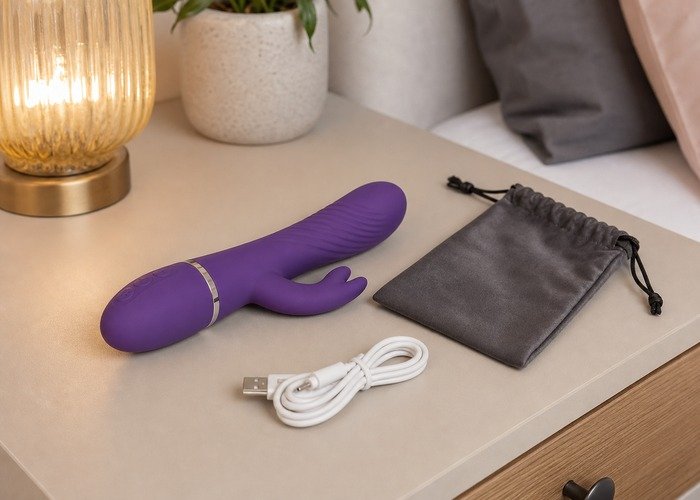
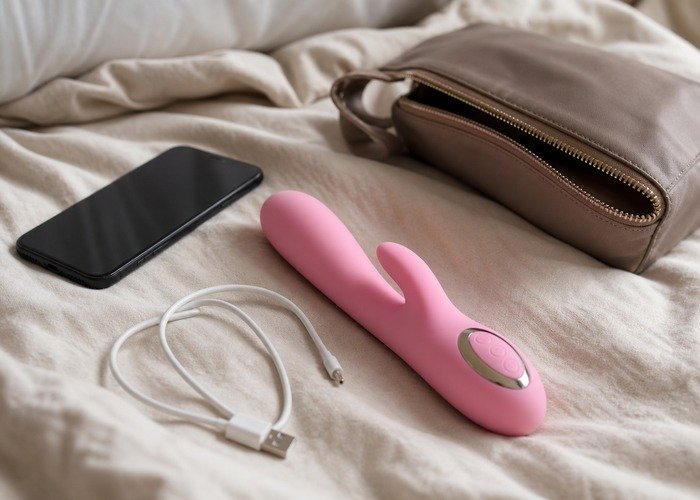
Vibrators can intensify sensation and introduce new types of stimulation. Start with a small, quiet model if you or your partner are new to toys. Use it on erogenous zones such as the inner thighs, nipples, or genitals. Always check in with your partner about comfort and preferences.
- Apply a water-based lubricant for smoother movement.
- Experiment with different speeds and patterns.
- Combine vibrator use with oral or manual stimulation for a layered experience.
Many couples find that vibrators help them explore desire and maintain excitement over time. Technology can also facilitate understanding each other’s preferences and support communication.
Cock Rings
Cock rings can enhance pleasure by increasing sensitivity and prolonging arousal. Choose a comfortable, body-safe material and read the instructions before use. Place the ring at the base of the penis, and remove it if you feel any discomfort.
- Use a lubricant to make application easier.
- Try vibrating cock rings for added stimulation.
- Limit use to 20-30 minutes per session for safety.
Incorporating toys and props into your routine helps you break out of old habits and discover new sources of pleasure. Couples who introduce novelty, even in small ways, often find it easier to maintain desire and satisfaction in the long term.
Tip: Start with one new element at a time. Discuss your experiences afterward to learn what you both enjoyed and want to try again.
Emotional Connection
Building emotional connection during foreplay transforms the experience from routine to deeply satisfying. You can create a safe, trusting environment by using verbal affirmations and non-sexual touch. These actions help both you and your partner feel valued, confident, and emotionally close.
Affirmation
Compliments
Giving genuine compliments during foreplay helps your partner feel appreciated and desired. You can focus on specific qualities, such as their appearance, scent, or the way they respond to your touch. Compliments do more than flatter—they foster intimacy and boost self-esteem. When you tell your partner, “I love how you look tonight,” or “Your skin feels amazing,” you encourage them to relax and enjoy the moment.
- Compliments help partners feel loved and wanted.
- Women often value hearing sincere praise, which increases emotional connection and arousal.
- Feeling good about oneself supports higher self-esteem and a more fulfilling sexual experience.
You should aim for authenticity. Avoid generic statements. Instead, notice the small things that make your partner unique. This attention to detail shows you care and strengthens your bond.
Positive Feedback
Positive feedback guides your partner and builds confidence. You can express what you enjoy by saying, “That feels incredible,” or “I love when you do that.” This feedback encourages your partner to keep exploring and helps both of you discover new sources of pleasure. Open communication, including giving and receiving feedback, deepens emotional intimacy and makes foreplay more satisfying.
- Positive feedback empowers both partners to communicate needs and preferences.
- Sharing what you like reduces anxiety about performance or appearance.
- Expressing appreciation for your partner’s efforts increases mutual enjoyment.
Tip: Use positive language to reinforce what feels good. This approach shifts the focus from performance to shared pleasure and connection.
Intimacy
Eye Contact
Maintaining eye contact during foreplay creates a powerful sense of connection. You can use your gaze to communicate affection, desire, and trust without words. Eye contact helps you stay present and attentive to your partner’s needs. It also deepens intimacy by making both of you feel seen and valued.
- Eye contact fosters emotional safety and trust.
- Looking into your partner’s eyes during intimate moments increases arousal and affection.
- Regular eye contact during conversations improves communication and strengthens your relationship.
Cuddling
Cuddling is a simple yet effective way to build emotional closeness. You can hold your partner, wrap your arms around them, or lie together after touching. Non-sexual touch, such as cuddling, releases oxytocin and endorphins. These hormones reduce stress and increase feelings of happiness and connection.
- Cuddling provides a sense of safety, which is essential for trust.
- Gentle caresses, holding hands, and hugging each contribute to a secure, affectionate environment.
- Couples who cuddle regularly report greater satisfaction and lower anxiety.
Research shows that non-sexual touch, including cuddling and holding hands, forms the foundation for better sexual satisfaction. You can incorporate these touches into your daily routine to maintain emotional connection and create a joyful, safe space for intimacy.
Note: Emotional connection during foreplay is not just a precursor to sex. It can be fulfilling on its own, emphasizing joy, trust, and mutual appreciation.
Feedback and Adaptation
Adapting to your partner’s feedback is essential if you want to boost pleasure and maintain a satisfying intimate connection. You can create a more enjoyable experience by listening carefully, making adjustments, and staying open to learning together.
Listening
Adjusting
You should pay close attention to both verbal and nonverbal cues during foreplay. When your partner communicates preferences—such as asking for more foreplay, a slower pace, or the use of lubrication—respond promptly and respectfully. This approach ensures that both of you feel comfortable and respected, which maximizes mutual pleasure. If you notice your partner’s body language change, such as tensing up or pulling away, pause and check in. Adjust your technique based on their feedback. This responsiveness helps you avoid dissatisfaction and keeps the experience positive.
- Watch for changes in breathing, facial expressions, or movement.
- Ask simple questions like, “Do you want me to keep going?” or “Would you like something different?”
- Make small changes in touch, speed, or pressure as needed.
Encouraging
Encourage your partner to share their thoughts by creating a safe, judgment-free space. Many people find it difficult to express desires in the moment. You can make it easier by having conversations outside the bedroom, such as during a walk or a relaxed drive. Set aside time to discuss likes, dislikes, and ideas for new experiences. This practice reduces anxiety and embarrassment, making feedback a natural part of your relationship.
Tip: Use positive reinforcement. Thank your partner for sharing feedback and let them know you appreciate their honesty.
Improvement
Learning
Treat every intimate experience as an opportunity to learn. Discuss physical changes, such as the need for more arousal time or lubrication, openly and without shame. Addressing these topics helps you adapt and maintain comfort for both partners. If you face challenges like fluctuating desire or health issues, communicate about timing and preferences to find solutions together. Planning intimacy and making it a shared event can help you both stay connected and boost pleasure.
Openness
Stay open to trying new things and exploring different techniques. Research shows that ongoing adaptation and openness to new experiences lead to greater sexual satisfaction, which in turn strengthens your overall relationship. You can foster this openness by balancing exploration with commitment and empathy. Traits like agreeableness and conscientiousness support long-term satisfaction by encouraging cooperation and mutual fulfillment.
| Personality Trait | How It Helps in Adaptation and Satisfaction |
|---|---|
| Openness | Encourages exploration and new experiences |
| Conscientiousness | Supports commitment and balanced communication |
| Agreeableness | Fosters empathy and harmonious feedback |
Barriers such as negative body image, past trauma, or unrealistic expectations can make feedback challenging. Address these issues with patience, self-acceptance, and, if needed, professional support. Mindfulness techniques, like deep breathing and focusing on sensations, can help reduce anxiety and make adaptation easier.
Note: Ongoing learning and openness to feedback not only boost pleasure but also help you and your partner grow together, ensuring a fulfilling and lasting connection.
You can maximize satisfaction in your relationship by focusing on practical steps such as extending foreplay, understanding anatomy, and using tools like lubricants or toys. Open communication and regular emotional check-ins help you and your partner feel safe and connected. Exploring new techniques, balancing routine with creativity, and adapting to each other’s needs keep intimacy fresh. These habits not only enhance pleasure but also build trust, confidence, and long-term fulfillment.
FAQ
How can you talk to your partner about trying new things in foreplay?
Start with a positive comment about your intimacy. Ask open-ended questions like, “Would you like to try something different?” Listen carefully to your partner’s response. Respect their comfort level and move forward together.
What should you do if your partner feels nervous or shy?
Create a relaxed environment. Offer reassurance and use gentle touch. Encourage open communication. Let your partner set the pace. Remind them that you value their comfort and trust.
How do you know if your partner enjoys your touch?
Watch for positive body language, such as smiling, relaxed posture, or leaning in. Listen for verbal cues like “That feels good.” Ask simple questions to check in, and adjust your technique based on their feedback.
Are sex toys necessary for enjoyable foreplay?
Sex toys can add variety, but they are not required. Focus on communication, touch, and creativity. Explore what feels best for both of you. Introduce toys only if both partners feel curious and comfortable.
How long should foreplay last?
There is no set time. Pay attention to your partner’s arousal and comfort. Some people prefer longer sessions, while others enjoy shorter ones. Communicate openly and let pleasure guide the pace.
What if you or your partner feel self-conscious about your body?
Focus on positive affirmations and compliments. Keep the lighting soft. Emphasize emotional connection and mutual enjoyment. Remember, confidence grows with trust and open communication.
Can you boost pleasure if you have limited experience?
Absolutely. Stay curious and willing to learn. Use communication, gentle touch, and feedback to discover what works. Practice builds confidence and skill over time.
How do you handle mismatched desires or boundaries?
Respect your partner’s boundaries at all times. Discuss desires outside the bedroom. Find common ground and explore new activities together. Use compromise and patience to maintain trust and satisfaction.