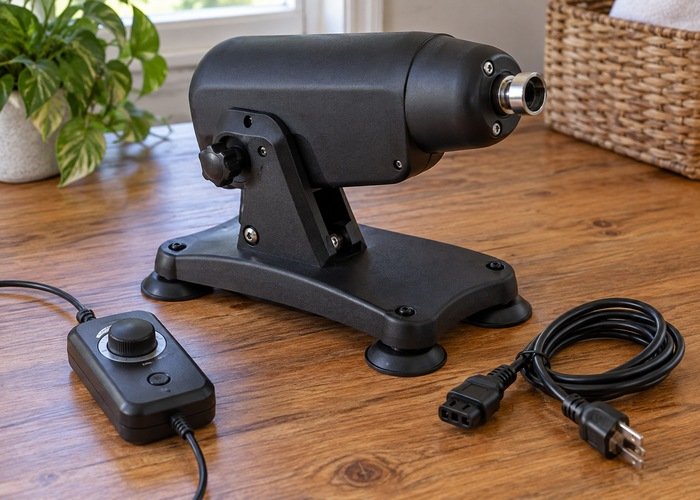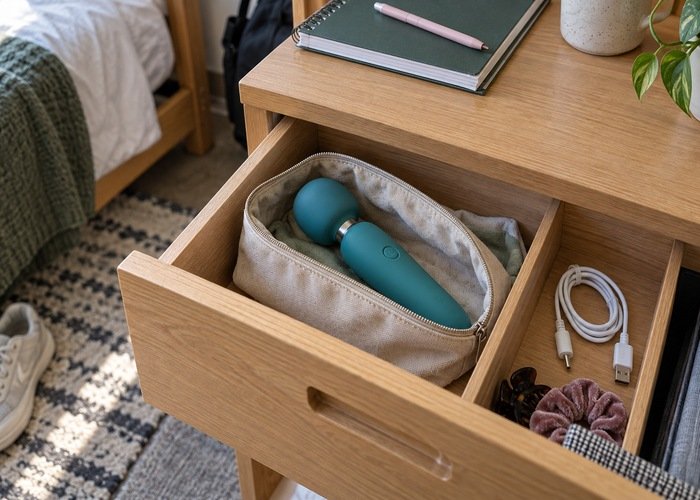
You can tell if Pleasure Dom play fits your style by tuning in to your core desires. Ask yourself if you want a power exchange that centers on pleasure instead of pain. Notice if you prefer connection and encouragement over humiliation or discomfort. Many people who feel drawn to positive reinforcement and mutual enjoyment find the Pleasure Dom approach rewarding.
Tip: Take time to explore your motivations and comfort zones before moving forward.
Key Takeaways
- Pleasure Dom play centers on power exchange focused on mutual pleasure, connection, and positive reinforcement rather than pain or humiliation.
- Clear communication and negotiation before, during, and after scenes build trust and ensure both partners feel safe and respected.
- Setting boundaries and using safe words or signals help maintain consent and comfort throughout the experience.
- Aftercare is essential in Pleasure Dom play, providing emotional support and reassurance after scenes.
- Self-assessment helps you understand your desires and limits, guiding you to choose a dynamic that fits your style.
- Finding the right partner involves honesty, patience, and involvement in communities that value safe and consensual play.
- Safety and trust form the foundation of Pleasure Dom play, requiring ongoing consent and open dialogue.
- Pleasure Dom play offers a warm, supportive, and affirming experience that can deepen emotional bonds and personal growth.
Pleasure Dom
Pleasure Dom Dynamics
Power Exchange
You experience a unique form of power exchange in a Pleasure Dom dynamic. Here, you give or receive authority in a way that centers on mutual enjoyment. The dominant partner guides the scene, but always with your pleasure as the main goal. You might notice that the power imbalance is temporary and based on trust. Both partners agree to the terms before play begins. You can always use a safe word to pause or stop the scene, which keeps the experience safe and consensual.
Focus on Pleasure
Pleasure Dom play stands apart because it avoids pain and humiliation. Instead, you focus on positive sensations, encouragement, and emotional connection. The dominant partner uses praise, gentle touch, and attentive care to create a rewarding experience. You may find that this style helps you relax and explore new forms of intimacy. The emphasis on pleasure means that aftercare and emotional support are essential parts of the process.
Motivations
Many people choose Pleasure Dom play because they want to explore vulnerability, trust, and care in a safe environment. A qualitative study on sexual age-play, especially within the DD/lg dynamic, shows that participants often seek pleasure through emotional labor and connection. You might find that this style fits your personal tastes and helps you process past experiences. Some people use Pleasure Dom play as a form of self-care or even therapy. The activity can expand your sexual horizons and challenge fixed ideas about identity and desire.
Typical Interactions
You will notice several common features in Pleasure Dom scenarios:
- Scenes often involve role-play and temporary power exchange.
- Partners use contracts or agreements to set clear limits and safe words.
- The dominant partner holds more control during the scene, but both start and end with equal power.
- Both partners benefit from the exchange, gaining erotic pleasure, emotional connection, or personal growth.
- Negotiation and consent are central, making the experience safe and satisfying.
- The dynamic is performative and negotiated, not about real-world domination or harm.
Note: Pleasure Dom play differs from service topping or other dominant roles. Service tops may perform actions for a partner’s pleasure without a true power exchange. In contrast, a Pleasure Dom dynamic involves genuine authority and mutual benefit, with a clear focus on positive experiences.
Sadistic Dom
Sadistic Dom Dynamics
Power and Pain
You encounter a Sadistic Dom dynamic when the dominant partner derives satisfaction from inflicting pain or discomfort within a consensual framework. This role sits firmly within the BDSM spectrum, where power exchange forms the foundation of the interaction. Unlike Pleasure Dom play, Sadistic Dom scenarios focus on pain play, physical intensity, and the psychological thrill of control. You may notice that the dominant uses implements, such as paddles or floggers, to create sensations ranging from mild to intense. The submissive consents to these experiences, often finding pleasure in surrendering control and enduring pain for mutual erotic fulfillment.
Note: BDSM research shows that up to 47% of people express interest in these dynamics, and 40–70% report related fantasies. This prevalence highlights that Sadistic Dom roles are both recognized and statistically significant within power exchange communities.
Role of Humiliation
Humiliation often plays a central role in Sadistic Dom play. You might experience verbal teasing, embarrassment, or psychological challenges designed to heighten vulnerability and arousal. The dominant crafts scenarios that push emotional boundaries, always within the limits you negotiate beforehand. Unlike non-consensual humiliation, these acts rely on trust and clear communication. The goal is not harm, but the creation of intense, shared erotic experiences.
Motivations
You may wonder why someone chooses a Sadistic Dom role. Motivations often center on the erotic charge of consensual power exchange. Many dominants find satisfaction in co-creating fantasy with their partners, using pain and humiliation as tools to deepen connection and excitement. Research involving frequent BDSM practitioners reveals that these motivations stem from the collaborative nature of play. You and your partner build meaning together, transforming pain and control into shared pleasure and psychological exploration. This dynamic is not about cruelty, but about mutual fulfillment and the safe exploration of taboo desires.
Typical Interactions
Sadistic Dom scenarios often involve structured scenes with clear boundaries and negotiated consent. You might participate in activities such as spanking, bondage, or verbal humiliation, all tailored to your comfort level. Dominants use empathy and attunement to read your reactions, adjusting intensity as needed. Community research confirms that empathy remains a crucial trait for dominants, who must balance control with care. Unlike harmful or coercive behaviors, consensual sadistic play emphasizes aftercare and emotional support.
| Quantitative Measure | Description | Value/Details |
|---|---|---|
| Frequency of BDSM combined with sex | Percentage of community members who combine BDSM with sexual acts | 70% |
| Sadomasochism checklist scales | Number of items per scale and factors measured | 24 items per scale; 6 factors including domination, beatings, humiliation |
| Clusters of BDSM behaviors identified | Categories of activities | Pain play, humiliation, physical restriction, hypermasculinity |
Tip: Always prioritize consent and communication. Sadistic Dom play thrives on trust, empathy, and the mutual creation of intense experiences. If you feel drawn to power, pain, and psychological play, this dynamic may align with your desires.
Key Differences
Power and Play
You will notice that power exchange looks different in each dynamic. In a Pleasure Dom scenario, you give up control to someone who uses that power to create positive sensations. The dominant partner guides you toward pleasure, using encouragement and gentle direction. You feel safe because the focus stays on your enjoyment. The power exchange is real, but it always centers on your comfort and satisfaction.
In a Sadistic Dom scene, you experience power through intensity. The dominant partner uses pain, restraint, or humiliation to create a charged atmosphere. You might feel a rush from surrendering control, knowing that your limits will be tested. The dominant’s authority feels more forceful, and the play often involves physical or psychological challenges. Both styles require trust, but the way power is expressed changes the entire experience.
Tip: Ask yourself which type of power exchange excites you more—gentle guidance or intense challenge.
Intent
Intent shapes every scene you enter. When you engage with a Pleasure Dom, you know their main goal is to maximize your pleasure. They want to see you relax, enjoy, and feel valued. Every action, from praise to touch, aims to build you up and create a positive environment. You can expect the dominant to check in with you and adjust their approach to match your needs.
A Sadistic Dom, on the other hand, seeks to explore the edges of pain, control, and vulnerability. Their intent is not to harm, but to push boundaries and create intense sensations. You might find that their satisfaction comes from your reactions—whether you gasp, squirm, or surrender. The dominant’s focus is on the thrill of power and the shared journey into taboo territory.
Emotional Tone
The emotional tone of each dynamic sets the mood for your experience. Pleasure Dom play feels warm, supportive, and affirming. You sense encouragement and care in every interaction. The dominant uses positive reinforcement, making you feel cherished and safe. Aftercare often involves cuddling, gentle words, and reassurance.
Sadistic Dom play carries a different emotional charge. The mood can feel edgy, thrilling, or even intimidating. You might experience a rollercoaster of emotions, from anticipation to release. The dominant may use teasing, strict commands, or calculated distance to heighten the scene. Aftercare becomes essential, helping you process intense feelings and return to emotional balance.
| Aspect | Pleasure Dom Play | Sadistic Dom Play |
|---|---|---|
| Power Exchange | Gentle, pleasure-focused | Intense, pain or humiliation-based |
| Intent | Maximize pleasure and comfort | Explore limits and sensations |
| Emotional Tone | Warm, supportive, affirming | Edgy, thrilling, challenging |
Note: Understanding these differences helps you choose the dynamic that fits your needs and desires.
Communication
Clear and honest communication forms the backbone of any power exchange dynamic. You need to express your needs, boundaries, and expectations before you begin any scene. Both Pleasure Dom and Sadistic Dom styles require you to talk openly, but the focus and style of communication often differ.
In a Pleasure Dom dynamic, you will notice that communication centers on comfort, reassurance, and positive feedback. You should discuss what brings you pleasure and what makes you feel safe. The dominant partner checks in with you frequently, both before and during play. You can expect questions like, “How does this feel?” or “Do you want more of this?” This approach helps you relax and trust the process.
In contrast, Sadistic Dom play demands detailed negotiation about limits, triggers, and safe words. You must outline what types of pain or humiliation you are willing to explore. The dominant partner needs to know your physical and emotional boundaries. During the scene, you might use a traffic light system (green, yellow, red) to communicate your comfort level. Aftercare conversations become essential, allowing you to process intense emotions and ensure your well-being.
Tip: Always use clear language when discussing your boundaries. Never assume your partner knows what you want or need.
Here are some practical steps to improve communication in both dynamics:
- Schedule a pre-scene discussion to set expectations and limits.
- Agree on safe words or signals before you start.
- Check in with your partner during play, even with nonverbal cues.
- Debrief after the scene to share feedback and discuss what worked well.
| Communication Aspect | Pleasure Dom Play | Sadistic Dom Play |
|---|---|---|
| Focus | Comfort, pleasure, positive feedback | Limits, pain thresholds, triggers |
| Style | Gentle, affirming, frequent check-ins | Direct, detailed, safety-focused |
| Aftercare | Emotional support, reassurance | Processing intense emotions, grounding |
You build trust through open dialogue. Whether you prefer the gentle encouragement of a Pleasure Dom or the intensity of a Sadistic Dom, strong communication ensures that your experience remains safe, consensual, and fulfilling.
Self-Assessment
Understanding your preferences in power exchange dynamics starts with honest self-reflection. You can use self-assessment to clarify your desires, boundaries, and comfort zones. Research in social work and education shows that self-assessment and critical reflection help individuals understand power relations and adapt their practices. When you apply these methods to your exploration of dominance and submission, you gain insight into what truly excites and fulfills you.
Questions to Ask
Desires
Begin by asking yourself what you want from a power exchange. Consider these questions:
- What sensations or emotions do you seek during play?
- Do you crave encouragement, praise, and gentle control?
- Does the idea of being cared for and guided excite you more than being challenged or pushed to your limits?
- Are you looking for emotional intimacy and positive reinforcement?
Reflecting on these questions helps you identify whether you lean toward a dynamic that centers on pleasure and connection. Journaling your thoughts or discussing them with a trusted partner can deepen your understanding.
Boundaries
Next, define your boundaries. Boundaries protect your well-being and ensure that every experience remains consensual. Ask yourself:
- What activities or language make you uncomfortable?
- How do you feel about pain, humiliation, or intense psychological play?
- Are there specific actions you want to avoid?
- What aftercare do you need to feel safe and supported?
You can write your answers or use a checklist to clarify your limits. Open communication about boundaries builds trust and prevents misunderstandings.
Tip: Self-assessment tools, such as reflective journals or questionnaires, can help you track your evolving preferences and boundaries over time.
| Aspect | Details |
|---|---|
| Study Type | Quantitative study |
| Participants | 518 EFL university students |
| Instruments | Core of Self-Assessment Questionnaire (CSAQ), Reflective Thinking Questionnaire (RTQ) |
| Reliability | CSAQ reliability α = 0.881 |
| Key Findings | Self-assessment and reflection guide learning and influence attitudes towards roles and autonomy |
| Pedagogical Implications | Training in self-assessment promotes autonomy and higher-order thinking skills |
Signs Pleasure Dom Fits
You may notice several signs that indicate Pleasure Dom play aligns with your style:
- You feel most aroused by positive attention, praise, and gentle guidance.
- You prefer scenes that focus on pleasure, relaxation, and emotional connection.
- You avoid pain, humiliation, or intense psychological challenges.
- You value aftercare that includes reassurance, cuddling, or affirming words.
- You seek a dynamic where both partners benefit and feel uplifted.
If these points resonate with you, you likely thrive in a Pleasure Dom environment. You can use this knowledge to communicate your needs and find compatible partners.
When Sadistic Dom Isn’t a Match
Sometimes, you may realize that Sadistic Dom play does not suit your preferences. Look for these indicators:
- You feel anxious or disconnected when thinking about pain or humiliation.
- You dislike the idea of being pushed to your physical or emotional limits.
- You want to avoid scenes that involve intense power struggles or psychological edge play.
- You prioritize comfort, safety, and mutual enjoyment over risk or challenge.
Recognizing these feelings helps you set clear boundaries and seek experiences that match your authentic desires. You do not need to force yourself into a dynamic that feels wrong for you.
Note: Self-assessment is an ongoing process. As you gain experience, your preferences may evolve. Regular reflection ensures that your play remains safe, consensual, and satisfying.
Exploring Pleasure Dom Play

Communication
You need strong communication skills to explore Pleasure Dom play safely and enjoyably. Start by sharing your interests and boundaries with your partner. Use clear language to describe what you want and what you do not want. Ask your partner about their desires and limits as well. This open exchange builds trust and helps both of you feel secure. You should check in before, during, and after each scene. Simple questions like “How are you feeling?” or “Is this working for you?” can make a big difference. If you feel nervous, write down your thoughts or use a checklist to organize your ideas. Remember, honest communication lays the foundation for a positive experience.
Tip: Use safe words or signals to pause or stop play at any time. This ensures that both partners feel respected and in control.
Negotiation
Negotiation is a key step before any Pleasure Dom scene. You and your partner should discuss the details of your play in advance. Talk about what activities excite you, what you want to avoid, and what kind of aftercare you need. Set clear boundaries and agree on safe words. You can use written agreements or verbal checklists to keep things organized. Negotiation is not a one-time event. Revisit your agreements as your comfort level changes. This process helps you adapt and grow together. When you negotiate openly, you reduce misunderstandings and increase satisfaction for both partners.
- List your must-haves and hard limits.
- Discuss roles and expectations for each scene.
- Decide on aftercare routines.
- Review and update your agreements regularly.
Note: Good negotiation shows respect for yourself and your partner. It also helps you build a stronger connection.
Finding Partners
Finding the right partner for Pleasure Dom play takes patience and intention. Start by being honest about your interests from the beginning. Early and thorough disclosure of your BDSM preferences helps you attract like-minded people. Look for partners in communities or organizations that focus on safe and consensual play. Many people find success by joining local or online BDSM groups, where you can learn from others and build connections.
- Many long-term BDSM relationships begin with open conversations about desires and boundaries.
- Community involvement gives you access to education, support, and potential partners.
- Ongoing transparency and communication help you maintain healthy dynamics.
- The Pleasure Dom dynamic often deepens emotional bonds and trust, not just sexual satisfaction.
- Commitment to personal growth and mutual respect keeps relationships strong.
You should prioritize partners who value communication and respect. Take time to get to know someone before starting a scene. Attend workshops or events to expand your knowledge and meet others who share your interests. Remember, the right partner will support your journey and help you feel safe as you explore new experiences.
Safety and Trust
You build a strong foundation for any Pleasure Dom experience by prioritizing safety and trust. These elements ensure that both you and your partner feel secure, respected, and free to explore new sensations. Before you begin, discuss your boundaries and expectations openly. Clear communication helps prevent misunderstandings and creates a supportive environment.
Research with Gender and Sexual Minority youth shows that consent in BDSM and Pleasure Dom play goes beyond a simple “yes” or “no.” You should treat consent as ongoing and enthusiastic. Both verbal and nonverbal cues matter. You have the right to withdraw consent at any time, and your partner must respect that choice. This approach distinguishes consensual play from harmful behavior.
Tip: Consent is not a one-time agreement. Check in with your partner before, during, and after each scene to make sure everyone feels comfortable.
To keep your play safe and enjoyable, follow these best practices:
- Set clear boundaries together and revisit them as your comfort grows.
- Use safe words or gestures to communicate your limits. The Traffic Light System—green for “go,” yellow for “slow down,” and red for “stop”—works well for many people.
- Plan for aftercare. This step helps you and your partner process emotions and return to a calm state after intense play.
- Stay sober during scenes. Full awareness keeps you alert to your needs and your partner’s signals.
- Adjust agreements as you learn more about yourself and your preferences.
| Safety Practice | Description |
|---|---|
| Safe Words | Words or signals to pause or stop play immediately |
| Traffic Light System | Green (continue), Yellow (slow/adjust), Red (stop) |
| Aftercare | Emotional and physical support after a scene |
| Ongoing Consent | Checking in regularly and respecting changing boundaries |
Trust grows over time. You earn it by listening, responding to feedback, and honoring every agreement. When you approach Pleasure Dom play with care and respect, you create a space where both partners can thrive.
Note: Education and community support help you stay informed about best practices. Seek out resources and connect with others who value safety and trust.
Navigating Power Exchange
Balancing Control
You can maintain a healthy power exchange by focusing on trust and respect. Ceding control signals deep trust between you and your partner. Open communication ensures both of you understand expectations and boundaries. You should share decision-making responsibilities to keep the dynamic balanced and avoid unhealthy patterns. Gradual progression in your activities allows both partners to adjust and build mutual understanding.
- Trust and mutual respect form the foundation of balanced control.
- Open and honest dialogue helps you set and maintain boundaries.
- Sharing decisions empowers both partners and prevents dominance from becoming unhealthy.
- Gradually increasing intensity gives you time to adapt and check in with each other.
- Aftercare supports emotional well-being and reinforces trust after intense scenes.
- Consent and enthusiastic agreement keep the dynamic safe and positive.
You might find that assigning small tasks or responsibilities helps test commitment and balance. Positioning yourself as a valued partner can also influence the dynamic in a healthy way. Understanding why control attempts happen, such as through social exchange theories, helps you manage them thoughtfully. Maintaining your own value and self-respect prevents unwanted shifts in the relationship.
Tip: Regularly revisit your agreements and boundaries. This keeps your dynamic fresh and ensures both partners feel valued.
Adapting Play
You can create a mutually satisfying experience by adapting your play style to fit both partners’ needs. Many studies highlight the importance of autonomy and independence in shared activities. You might use a shared-control approach, where both you and your partner contribute to the direction and pace of play. This method encourages collaboration and power sharing.
- Choose activities that allow for flexible roles and levels of control.
- Use customizable tools or routines to match each partner’s comfort and skill level.
- Adjust the intensity or structure of scenes based on feedback and changing preferences.
- Encourage your partner to express their needs and adjust your approach accordingly.
For example, you might start with gentle guidance and gradually introduce more challenge as confidence grows. Creating multiple levels of control and challenge helps both partners feel empowered and engaged. You can use check-ins during play to ensure everyone remains comfortable and enthusiastic.
Note: Adapting your play style shows respect for your partner’s autonomy and supports ongoing growth in your dynamic.
Learning Resources
Continuous learning strengthens your skills and deepens your understanding of power exchange. Many universities and organizations offer resources that support ongoing education. For example, you can access international teaching materials, video lectures, and case studies through platforms like the SDG Academy Library. These resources cover topics such as communication, negotiation, and relationship dynamics.
- Explore online libraries with video lectures and case studies on relationships and communication.
- Join workshops or seminars focused on power exchange and consent.
- Participate in community forums to share experiences and learn from others.
- Integrate new knowledge into your practice to keep your dynamic evolving.
You benefit from staying curious and seeking out new information. Intercultural and interconnected learning helps you adapt to changing needs and challenges in your relationship. By making education a regular part of your journey, you ensure your power exchange remains safe, consensual, and fulfilling.
Tip: Set aside time each month to review new resources or attend a workshop. This habit keeps your skills sharp and your dynamic healthy.
You now understand the core differences between Pleasure Dom and Sadistic Dom play. Take time to reflect on your desires and boundaries. Ask yourself about your personal history, cultural influences, and emotional responses to power exchange.
- Consider how your boundaries affect your experiences.
- Gather feedback from partners and evaluate what feels healthy.
- Notice how organizational or community attitudes shape your choices.
Exploration is personal. You deserve a safe, consensual journey. No single path defines how you engage with power exchange.
FAQ
What is the main difference between a Pleasure Dom and a Sadistic Dom?
You will notice that a Pleasure Dom focuses on your pleasure and positive reinforcement. A Sadistic Dom seeks satisfaction through consensual pain or humiliation. Your comfort and enjoyment guide the Pleasure Dom dynamic.
Can you explore Pleasure Dom play without prior BDSM experience?
Yes, you can start with Pleasure Dom play even if you have no BDSM background. Begin with open communication, clear boundaries, and simple activities. You will build confidence as you learn together.
How do you talk to a partner about wanting Pleasure Dom play?
Start by sharing your interests and explaining what Pleasure Dom play means to you. Use clear language. Ask your partner about their feelings and boundaries. Open dialogue builds trust and understanding.
What are some common activities in Pleasure Dom play?
You might enjoy praise, gentle touch, guided relaxation, or sensual massage. Many people use role-play or positive affirmations. Focus on activities that make you feel valued and safe.
How do you set boundaries for Pleasure Dom play?
List your limits and must-haves before any scene. Discuss them with your partner. Use safe words or signals. Revisit your boundaries regularly to ensure ongoing comfort.
Is aftercare important in Pleasure Dom dynamics?
Absolutely. Aftercare helps you process emotions and return to a calm state. You may need cuddling, affirming words, or quiet time. Always discuss aftercare needs before and after play.
Can you combine Pleasure Dom and Sadistic Dom elements?
Yes, you can blend elements if both partners consent. Start with clear negotiation. Adjust intensity based on comfort. Always prioritize safety and communication.
Where can you find more resources about Pleasure Dom play?
You can join online forums, attend workshops, or read books on consensual power exchange. Community groups and educational websites offer valuable support and information.