The G-spot, a sensitive area inside the vagina, plays a significant role in sexual pleasure for many individuals. It is often described as a spongy, slightly textured region located along the anterior vaginal wall. When stimulated, this area can intensify sexual arousal and lead to powerful orgasms. However, misconceptions about its existence and function persist.
Recent research sheds light on this topic. In one study involving 309 women, over half believed they had a G-spot. Participants who identified this area reported higher satisfaction in sexual function, particularly in achieving orgasms. These findings underscore the importance of exploring your unique anatomy to understand what feels best for you. Remember, every body is different, and discovering your own preferences is key to enhancing intimacy.
Key Takeaways
- The G-spot is about 2-3 inches inside the vagina. It is on the front wall and can make pleasure stronger.
- Being relaxed is very important to find the G-spot. Make sure you feel calm and comfortable to notice it better.
- Use your fingers in a “come-here” motion to touch the G-spot. Try different pressures to see what feels good.
- Touching the G-spot and clitoris together can make orgasms stronger. Explore both areas to feel more pleasure.
- Try different positions to see what works best for you. Some angles make it easier to reach the G-spot.
- Special toys can help with G-spot pleasure. Look for toys with curved tips made for this purpose.
- Talk to your partner about what feels good. Sharing helps build closeness and makes the experience better.
- Everyone’s body is different. If you can’t find the G-spot, focus on other sensitive areas and enjoy exploring.
What Is the G-Spot?
Definition and Role
The G-Spot is often described as a sensitive area located on the anterior wall of the vagina, approximately 2-3 inches inside. It is believed to play a significant role in sexual pleasure and orgasmic experiences for many individuals. While some researchers argue that it is not a distinct anatomical structure, others suggest it is part of a complex network involving the clitoris, urethra, and vaginal wall.
To better understand its role, researchers have conducted various studies. The table below highlights key findings:
| Researcher(s) | Findings |
|---|---|
| Helen O’Connell | The G-Spot may be an extension of clitoral tissue. The vaginal wall is part of the clitoris, and stimulation can lead to orgasms. |
| Odile Buisson & Pierre Foldès | 3D sonography shows clitoral tissue engorges and surrounds the vagina. G-Spot stimulation activates the clitoris. |
| Rutgers University Study | fMRI scans reveal distinct brain responses to clitoral, vaginal, and cervical stimulation. The G-Spot may act as a convergence zone. |
These findings suggest that the G-Spot is not an isolated structure but part of a larger system that contributes to sexual pleasure. Understanding this interconnectedness can help you explore your body more effectively.
Variability in Anatomy and Sensitivity
The G-Spot’s sensitivity and even its existence can vary greatly among individuals. Scientific studies have shown that anatomical differences and personal experiences play a significant role in how this area is perceived. Here are some key insights:
- The G-Spot is often described as a sensitive area on the anterior vaginal wall. However, research has not conclusively identified it as a distinct structure.
- Variations in anatomy, such as the proximity of clitoral vestibular bulbs to the vaginal wall, may explain why some individuals experience heightened sensitivity in this region.
- Psychological factors, including arousal levels and emotional connection, can influence how you perceive stimulation in this area.
A twin study involving 1,804 women found that over 89% of the variation in self-reported G-Spot experiences was due to individual experiences and measurement error. No genetic influence was detected. This suggests that your ability to identify and enjoy G-Spot stimulation depends largely on your unique anatomy and personal exploration.
By understanding these variations, you can approach the topic with an open mind. Remember, what works for one person may not work for another, so patience and experimentation are key.
Where Is the G-Spot Located?
Anatomical Location
The G-spot is situated on the anterior (front) wall of the vagina, approximately 2-3 inches inside. This area lies near the urethra and Skene’s gland, which are part of the female reproductive and urinary systems. While its exact location can vary slightly from person to person, most individuals describe it as being about one-third of the way up the vaginal canal.
To help you visualize this, here’s a summary of findings from various sources:
| Source | Description |
|---|---|
| Gräfenberg Spot | Found on the anterior vaginal wall, 2-3 inches inside, near the urethra. |
| Everyday Health | Located about two inches up, with a noticeable texture change. |
| Natural Cycles | Positioned 2-3 inches (5-8 cm) inside the vagina, with individual variation. |
When exploring this area, you may notice a slight difference in texture compared to the surrounding vaginal walls. This region often feels spongier or rougher, which can help you identify it during stimulation.
How to Recognize the G-Spot
Recognizing the G-spot requires a combination of tactile exploration and awareness of your body’s responses. Here are some key markers to help you differentiate it from surrounding tissue:
- The G-spot typically feels rougher than the rest of the vaginal wall. Some describe its texture as similar to that of an orange peel.
- It is located on the anterior wall, about one-third of the way up the vaginal canal.
- When stimulated, this area may swell slightly due to increased blood flow, making it easier to identify.
To locate it, use your fingers to gently press along the front vaginal wall. Pay attention to any changes in texture or sensitivity. You might notice a spongy or ridged area that feels different from the smoothness of the surrounding tissue. This is likely the G-spot.
It’s important to remember that not everyone experiences the same sensations in this area. Research published in The Journal of Sexual Medicine highlights that while many women believe in the G-spot, not all can locate it or find it pleasurable. Variability in anatomy and nerve distribution plays a significant role in these differences.
Tip: Relaxation is key when exploring your body. Tension can make it harder to identify sensitive areas like the G-spot. Take your time and approach this process with curiosity rather than pressure.
By combining anatomical knowledge with personal exploration, you can better understand your body and what feels pleasurable for you.
How to Prepare for G-Spot Stimulation
Relaxation and Comfort
Creating a relaxed and comfortable environment is essential for exploring the G-Spot. When your body is at ease, it becomes more receptive to touch and stimulation. Stress or tension can inhibit arousal and make it harder to identify sensitive areas. To prepare, focus on relaxation techniques that help you feel calm and present in the moment.
- Deep breathing exercises: Take slow, deep breaths to calm your nervous system. Inhale deeply through your nose, hold for a few seconds, and exhale slowly through your mouth. This practice can help you focus on sensations and reduce anxiety.
- Mindfulness practices: Pay attention to how your body feels without judgment. Concentrate on the sensations in your body and let go of distracting thoughts.
- Comfortable setting: Choose a private, quiet space where you feel safe and undisturbed. Dim lighting, soft music, or scented candles can enhance the ambiance and help you relax.
Research highlights the importance of relaxation in facilitating comfort and sensitivity during G-Spot stimulation. Regularly practicing these techniques can improve your ability to connect with your body and enjoy the experience fully.

Tip: If you’re exploring with a partner, communicate openly about what makes you feel comfortable. Sharing your preferences can build trust and enhance intimacy.
Importance of Foreplay and Lubrication
Foreplay plays a crucial role in preparing your body for G-Spot stimulation. It helps increase arousal, which enhances blood flow to the vaginal area and makes the G-Spot more sensitive. Engaging in foreplay also fosters emotional connection, which can heighten pleasure.
Dr. Ruth Westheimer, a renowned sex therapist, emphasizes that foreplay is essential for women to reach the necessary level of arousal for orgasm. Many women require this phase to achieve sufficient lubrication, which is vital for comfortable and effective G-Spot stimulation. Activities such as kissing, massaging, or oral stimulation can help set the stage for deeper exploration.
Lubrication is another critical factor. Natural lubrication increases during arousal, but using a high-quality water-based lubricant can further enhance comfort and reduce friction. This is especially important if you’re using fingers or toys for stimulation. Begin by gently inserting one or two lubricated fingers into the vagina, palm facing upward. Use a “come hither” motion to stimulate the front wall and locate the G-Spot.
Note: Avoid silicone-based lubricants if you’re using silicone toys, as they can degrade the material. Always choose a lubricant that suits your needs and preferences.
By prioritizing foreplay and lubrication, you can create a more enjoyable and effective experience. These steps not only prepare your body but also enhance the overall intimacy and connection with your partner.
How to Find the G-Spot
Step-by-Step Guide
Locating the G-Spot requires patience, curiosity, and a willingness to explore your body. Follow this step-by-step guide to identify this sensitive area effectively:
- Prepare Yourself: Ensure you are in a relaxed state. Use lubrication, either from natural arousal or a high-quality water-based lubricant, to make the process comfortable.
- Position Your Fingers: Gently insert one or two fingers into your vagina, with your palm facing upward. Aim for the anterior (front) wall of the vaginal canal, toward your belly button.
- Explore the Area: Move your fingers about 2–3 inches inside. Use a “come-hither” motion to stroke the front wall. Pay attention to any changes in texture or sensitivity.
- Identify the G-Spot: Look for an area that feels slightly rougher or bumpier than the surrounding tissue. It may feel spongy or denser, about the size of a quarter.
- Experiment with Pressure: Apply gentle pressure and adjust your movements. Some individuals find light strokes effective, while others prefer firmer pressure.
- Observe Your Sensations: Take your time to notice how your body responds. Increased sensitivity, swelling, or pleasurable sensations may indicate you’ve found the G-Spot.
Tip: If you’re exploring with a partner, communicate openly about what feels good. Their involvement can enhance the experience and help you locate the area more effectively.
Tips for Success
Finding the G-Spot can be a unique journey for everyone. These tips can help you maximize your chances of success:
- Be Patient: The process may take time, especially if you’re unfamiliar with your anatomy. Approach it with curiosity rather than pressure.
- Create the Right Environment: Choose a private, comfortable space where you feel safe and relaxed. Dim lighting or soothing music can help set the mood.
- Use Lubrication Generously: Adequate lubrication reduces friction and enhances comfort. This is especially important if you’re using toys or exploring for an extended period.
- Experiment with Positions: Certain positions, such as lying on your back with your knees bent, can make it easier to access the G-Spot. You can also try squatting or sitting on the edge of a chair.
- Combine Techniques: Stimulating the clitoris simultaneously can heighten arousal and make the G-Spot more sensitive. This dual stimulation often leads to more intense sensations.
- Stay Relaxed: Tension can make it harder to identify sensitive areas. Practice deep breathing or mindfulness to stay present and connected to your body.
- Understand Variability: Not everyone experiences the same sensations in this area. If you don’t find the G-Spot or it doesn’t feel pleasurable, that’s perfectly normal.
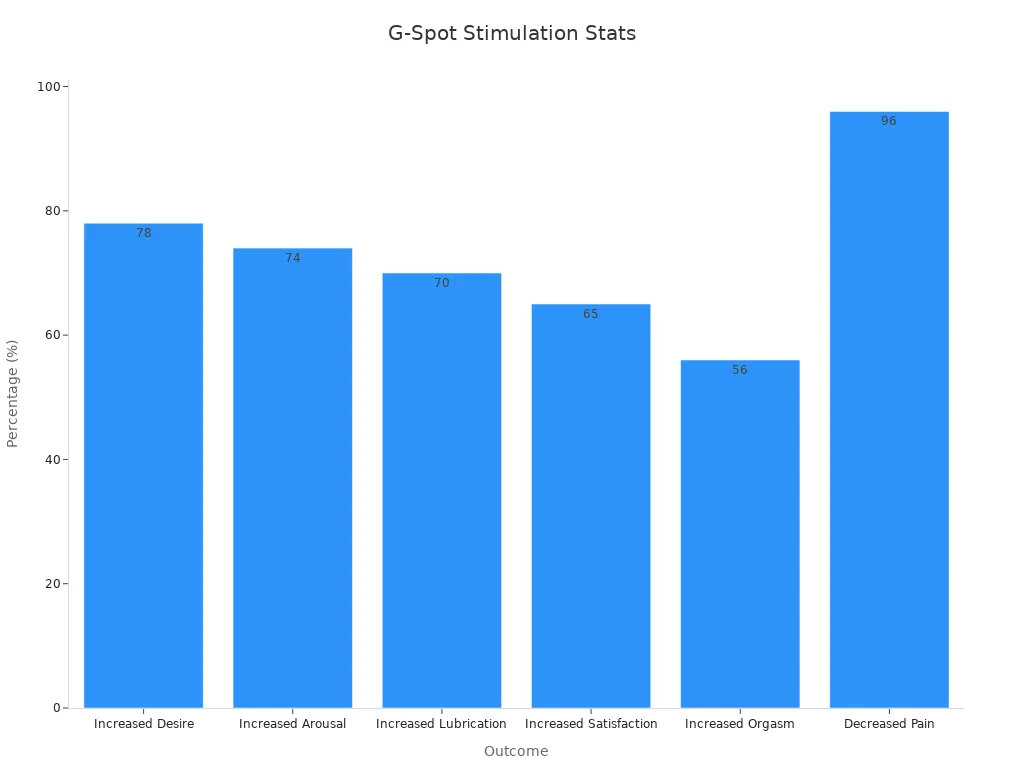
Research supports the importance of these strategies. For example, Beverly Whipple, a leading researcher in female sexual health, found that 78% of women reported increased desire when the G-Spot was stimulated, while 56% experienced more intense orgasms. These findings highlight the potential benefits of exploring this area with the right approach.
Note: If you’re unable to locate the G-Spot, don’t be discouraged. Every body is different, and pleasure can come from exploring other erogenous zones or techniques.
Techniques to Stimulate the G-Spot
Manual Stimulation
Manual stimulation is one of the most effective ways to explore and stimulate the G-Spot. This technique allows you to control the pressure, rhythm, and angle of stimulation, making it easier to identify what feels best for your body. To begin, ensure you are in a relaxed state and use plenty of lubrication to enhance comfort and reduce friction.
- Positioning Your Fingers: Insert one or two fingers into the vagina with your palm facing upward. Aim for the anterior wall, about 2–3 inches inside. Use a gentle “come-hither” motion to stroke the area.
- Adjusting Pressure: Start with light pressure and gradually increase it based on your comfort level. Some individuals prefer firm strokes, while others enjoy softer, rhythmic movements.
- Incorporating Clitoral Stimulation: Combine G-Spot stimulation with clitoral stimulation using your other hand or a vibrator. This dual approach often intensifies sensations and enhances arousal.
- Paying Attention to Responses: Notice how your body reacts. Swelling, increased sensitivity, or pleasurable sensations may indicate you’ve found the G-Spot.
Tip: Experiment with different finger movements, such as circular motions or tapping, to discover what feels most pleasurable. Communication with a partner can also help refine the technique.
Using G-Spot Toys
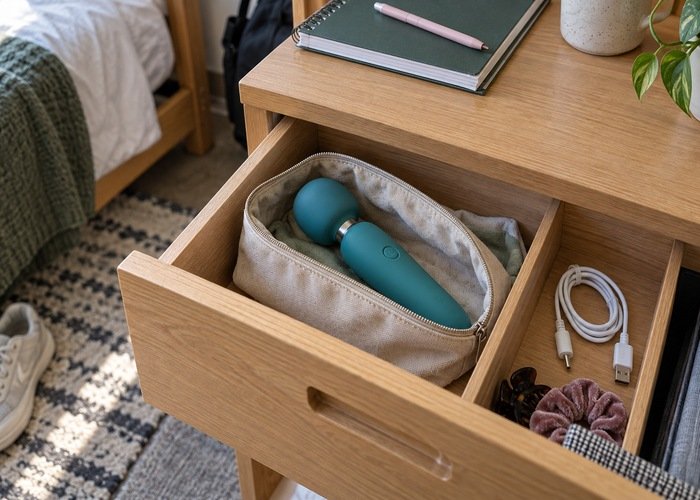
G-Spot toys are specifically designed to target this sensitive area, offering a variety of shapes, sizes, and features to enhance your experience. These toys often have curved tips or angled designs that make it easier to reach and stimulate the G-Spot effectively.
- Choosing the Right Toy: Look for toys with a curved or bulbous tip, as these are ideal for G-Spot stimulation. Vibrators with multiple settings allow you to experiment with different intensities and patterns.
- Using Vibrators: Many users report that vibrators with varied vibration patterns enhance their experience. For example, rabbit vibrators are designed to stimulate both the G-Spot and clitoris simultaneously, providing a more comprehensive sensation.
- Exploring Suction Toys: Some suction toys, like the Aer, mimic the sensations of oral sex. These can be used in combination with G-Spot stimulation to heighten pleasure.
- Incorporating Lubrication: Always use a high-quality water-based lubricant with your toys to ensure smooth and comfortable use. Avoid silicone-based lubricants if your toy is made of silicone, as this can damage the material.
Note: Clean your toys thoroughly before and after use to maintain hygiene. Follow the manufacturer’s instructions for cleaning and storage.
Best Positions for G-Spot Stimulation
Certain positions can make it easier to access and stimulate the G-Spot. These positions allow for better angles and deeper penetration, enhancing the likelihood of pleasurable sensations. Below is a table summarizing some of the most effective positions:
| Position | Description |
|---|---|
| Woman on back | Legs spread, partner inserts fingers and hooks upward to stimulate the G-Spot. |
| Rear entry (doggie-style) | Woman on elbows and knees, allowing the penis to press against the G-Spot effectively. |
- Using Pillows for Support: Placing a pillow under your hips while lying on your back can elevate your pelvis, making it easier to access the G-Spot. This simple adjustment can significantly enhance the experience.
- Taking Control: Being on top allows you to control the depth, angle, and intensity of penetration. This position is particularly effective for directing stimulation to the G-Spot.
- Combining Techniques: Incorporate clitoral stimulation using a vibrator or your hand during penetrative sex. This combination often leads to more intense orgasms.
- Enhancing with Oral Sex: Oral stimulation before or during G-Spot exploration can increase arousal and make the experience more pleasurable.
Tip: Experiment with these positions to find what works best for you. Every body is unique, so take your time to discover the angles and movements that feel most satisfying.
Enhancing G-Spot Stimulation
Combining Clitoral and G-Spot Stimulation
Combining clitoral and G-Spot stimulation can significantly enhance your sexual experience. This approach leverages the interconnected nature of these erogenous zones, creating a more intense and satisfying sensation. Research highlights that the G-Spot is part of the clitoral network, meaning stimulation in one area can amplify sensations in the other. This synergy often leads to what is known as a “blended orgasm,” which many describe as deeper and more fulfilling.
Here are some practical ways to combine these techniques:
- Use both hands: While one hand focuses on the G-Spot using a “come-hither” motion, the other can stimulate the clitoris with circular or tapping movements.
- Incorporate toys: A dual-stimulation vibrator, such as a rabbit-style toy, can simultaneously target both areas. These devices are designed to align with your anatomy, ensuring effective stimulation.
- Experiment with positions: Positions like missionary with a pillow under your hips or cowgirl allow for simultaneous clitoral and G-Spot stimulation. Adjusting angles can help you find what feels best.
Studies show that only 6% of women achieve orgasm through vaginal penetration alone. Most require clitoral stimulation to reach climax, underscoring the importance of combining these methods. However, personal experiences vary. Some individuals may find certain combinations uncomfortable, so it’s essential to listen to your body and adjust accordingly.
Tip: If you’re new to this, start with gentle movements and gradually increase intensity. Communication with your partner can also help refine the experience.
Advanced Techniques and Tools
For those looking to elevate their experience, advanced techniques and tools can provide new dimensions of pleasure. These methods often involve a deeper understanding of your anatomy and the use of specialized devices designed for precision and comfort.
Techniques to Try:
- Pulsing and Rhythmic Movements: Instead of consistent pressure, try alternating between light and firm strokes. This variation can heighten sensitivity and prolong arousal.
- Edging: Build up to orgasm by stimulating the G-Spot until you’re close to climax, then pause. Repeating this cycle can intensify the eventual release.
- Breathwork Integration: Synchronize your breathing with the rhythm of stimulation. Deep, controlled breaths can enhance relaxation and amplify sensations.
Tools for Enhanced Stimulation:
| Tool Type | Features |
|---|---|
| Curved G-Spot Vibrators | Designed with an angled tip to target the G-Spot directly. |
| Suction Toys | Mimic oral stimulation and can be used alongside G-Spot techniques. |
| Weighted Kegel Balls | Strengthen pelvic floor muscles, increasing sensitivity over time. |
Clinical studies validate the effectiveness of these tools. For example, research by Kato et al. (2020) highlights the role of smooth muscle tissue in the pelvic floor, which is crucial for G-Spot stimulation. Similarly, Faubion et al. (2012) discuss how pelvic floor health impacts sexual function, emphasizing the benefits of tools like Kegel balls.
Note: Always prioritize safety and hygiene when using tools. Clean them thoroughly before and after use, and follow the manufacturer’s guidelines.
By combining advanced techniques with the right tools, you can explore new levels of pleasure and deepen your understanding of what works best for your body.
Responses and Myths About the G-Spot
Possible Outcomes of Stimulation
Stimulating the G-Spot can lead to a range of physical and emotional responses, depending on your anatomy and sensitivity. While some individuals report heightened pleasure and intense orgasms, others may experience milder sensations or none at all. Understanding these variations can help you approach the topic with realistic expectations.
- Heightened Arousal: Many individuals find that stimulating the G-Spot increases sexual arousal. This area may swell slightly due to increased blood flow, enhancing sensitivity.
- Intense Orgasms: Some people describe G-Spot orgasms as deeper and more fulfilling compared to clitoral orgasms. However, research suggests that these sensations may result from the interconnectedness of the clitoris and vaginal wall rather than a distinct anatomical structure.
- Emotional Release: For some, G-Spot stimulation can trigger emotional responses, such as crying or laughter. These reactions are normal and often linked to the release of tension or heightened intimacy.
- No Sensation: It’s also common for individuals to feel little or no pleasure from G-Spot stimulation. Variations in anatomy, nerve distribution, and psychological factors play a significant role in these differences.
Scientific studies provide valuable insights into these outcomes. For instance, a 2008 ultrasound imaging study found thicker tissue in the area of the G-Spot among women who reported vaginal orgasms. Those who did not report such orgasms had thinner tissue in this region. Additionally, fMRI scans reveal distinct brain responses to clitoral, vaginal, and cervical stimulation, suggesting that sensations attributed to the G-Spot may involve multiple structures working together.

Note: If you don’t experience pleasure from G-Spot stimulation, focus on exploring other erogenous zones. Every body is unique, and sexual satisfaction often comes from discovering what works best for you.
Debunking Common Myths
The G-Spot has been the subject of numerous myths and misconceptions. While popular culture often portrays it as a magical button for instant pleasure, scientific research paints a more nuanced picture. Let’s address some of the most common myths:
| Myth | Reality |
|---|---|
| The G-Spot is a distinct anatomical structure. | Research, including studies by Puppo and Gruenwald (2013), concludes that the G-Spot does not exist as a separate entity. Sensations attributed to it likely involve the clitoral network and vaginal wall. |
| Vaginal orgasms are superior to clitoral orgasms. | Kilchevsky et al. (2012) emphasize that most women require clitoral stimulation to achieve orgasm. The idea of vaginal orgasms being superior is misleading. |
| All women can achieve orgasm through G-Spot stimulation. | Mah and Binik (2001) report that the majority of women need clitoral stimulation to climax. Kammerer-Doak and Rogers (2008) further highlight that vaginal intercourse alone is insufficient for most women. |
The G-Spot is often described as a distinct area in the anterior vaginal wall that provides intense pleasure when stimulated. However, scientific methods have yet to conclusively identify this region, leading many researchers to question its existence.
These findings underscore the importance of using accurate terminology when discussing female sexual anatomy. Neglecting the clitoris in favor of the G-Spot may contribute to dissatisfaction for many individuals. By understanding the interconnected nature of these structures, you can explore your body more effectively and avoid falling prey to myths.
Tip: Approach the topic with an open mind and focus on what feels pleasurable for you. Sexual satisfaction is highly individual, and there’s no one-size-fits-all solution.
Exploring your body and communicating with your partner can lead to more fulfilling sexual experiences. Patience and experimentation are key. Remember these essential points:
- The G-spot lies inside the vagina, about 1-3 inches along the front wall, known for producing intense orgasms.
- A comfortable environment is crucial for effective exploration.
- Techniques like using fingers with a ‘come hither’ motion and experimenting with pressures enhance stimulation.
- G-spot toys can significantly boost pleasure.
- Communication and experimentation maximize enjoyment.
Tip: Approach this journey with curiosity and openness to discover what truly enhances your pleasure.
FAQ
What if I can’t locate my G-Spot?
Don’t worry. Every body is unique, and some individuals may not feel distinct sensations in this area. Focus on exploring other erogenous zones or combining techniques like clitoral stimulation to enhance pleasure. Experimentation is key.
Can men help locate the G-Spot during intimacy?
Yes, partners can assist by using their fingers or toys to explore the anterior vaginal wall. Open communication about pressure, rhythm, and sensations ensures a more effective and enjoyable experience.
Is G-Spot stimulation safe?
G-Spot stimulation is generally safe when done gently and with adequate lubrication. Avoid excessive pressure or prolonged stimulation to prevent discomfort. Always listen to your body and stop if you feel pain.
Do all women experience G-Spot orgasms?
No, not all women experience orgasms through G-Spot stimulation. Research shows most women require clitoral stimulation to climax. Focus on what feels pleasurable for you rather than chasing specific outcomes.
Can G-Spot stimulation cause squirting?
Yes, some individuals may experience squirting during G-Spot stimulation. This occurs when fluid from the Skene’s glands is released. It’s a natural response and varies from person to person.
What’s the best toy for G-Spot stimulation?
Choose toys with a curved or angled tip designed for G-Spot stimulation. Vibrators with adjustable settings or dual-stimulation features can enhance the experience. Always prioritize comfort and hygiene.
How can I make G-Spot exploration more comfortable?
Relaxation is essential. Practice deep breathing, use plenty of lubrication, and create a comfortable environment. Foreplay helps increase arousal, making the G-Spot more sensitive and easier to locate.
Is the G-Spot real or a myth?
The G-Spot is not a distinct anatomical structure but part of a complex network involving the clitoris, urethra, and vaginal wall. Sensations attributed to it vary widely among individuals.