
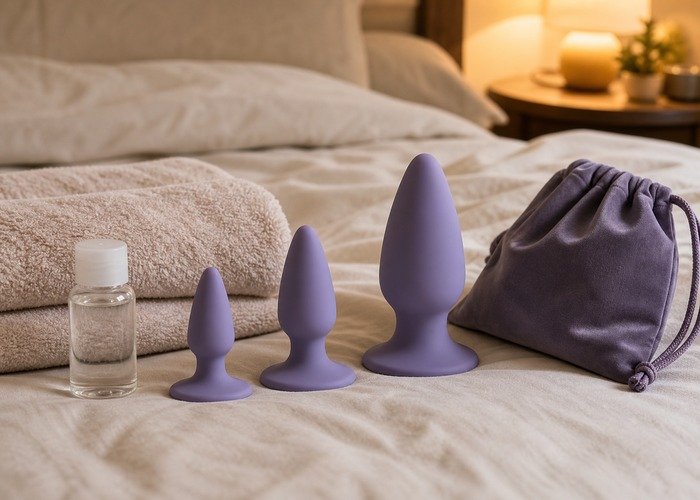
Anal training kit progression gets much easier when the reader focuses on comfort, cleanup, and whether the next session will feel easier to trust. This guide stays practical on purpose. The goal is not to sound more adventurous than reality. The goal is to help a reader choose or use the right product or position with fewer frustrating surprises.
Most intimacy problems that seem dramatic at first turn out to be ordinary details that were never handled clearly. A sleeve feels wrong because the entry shape and grip do not match the hand. A plug feels intimidating because the pace got tied to a schedule instead of to comfort. A remote session feels clumsy because nobody checked the battery, the time zone, or the backup plan. Small decisions early usually matter more than one bigger purchase later.
That is why the supporting routine matters. A reader can compare related ideas through the closest KissSelf article or category page, keep the KissSelf shop nearby for product context, and use stable outside references such as the NHS sexual health guide and Planned Parenthood sex-toy basics when they want calm reminders about hygiene, body comfort, barriers, and safer habits.
A reliable routine is one that remains manageable when the mood is ordinary, the room is slightly messy, and the product is not behaving like an advertisement. If the setup is easy to pause, easy to clean, and easy to restart later, the reader will learn faster and feel less pressure to force a result. That is usually what turns curiosity into a routine instead of into a one-night experiment that never gets repeated.
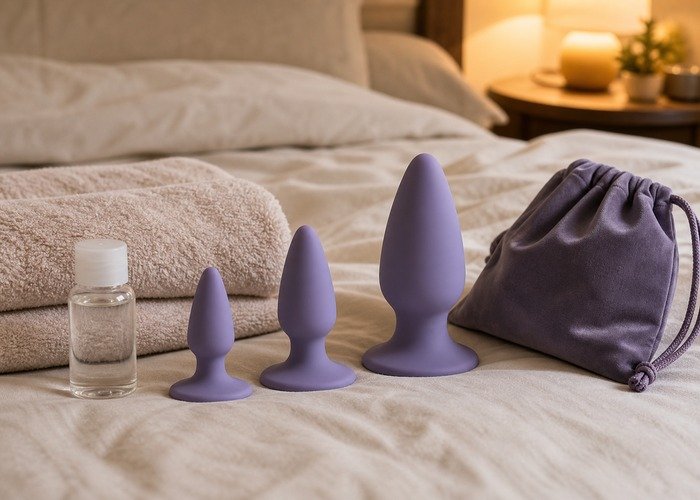
Use the first trial as a reading session, not as a performance test. Notice grip, pacing, texture, pillow height, battery status, strap pressure, or drying time without rushing to a verdict. A calm first pass produces better information than a dramatic one because the body and the hands stay available to notice what actually changed.
It also helps to decide in advance what will count as a stop sign. If the product feels pinchy, the base feels insecure, the phone connection feels distracting, or the body starts feeling numb or hurried, pause and reset. Stopping is not failure. It is the quickest way to learn whether the problem is fit, setup, timing, or simply the wrong tool for that moment.
Progress when the current size feels ordinary, not when the calendar says so
This part of the decision matters because anal training kit progression is rarely solved by guesswork alone. Practical readers usually get the best answer by separating one question at a time: is the issue really fit, surface feel, flexibility, battery prep, privacy, or cleanup? When those questions are handled in the right order, the choice becomes calmer and more defensible.
That slower reasoning also makes internal links more useful. The closest live KissSelf page can help the reader compare adjacent options, while NHS sexual health guidance adds a neutral reminder that comfort, barriers, and body-safe habits are part of the same routine instead of separate concerns.
A repeatable routine nearly always beats an impressive one. Lower intensity, slower progress, better pillow support, a drier sleeve, a clearer base shape, or a better phone-check moment can change more than another burst of enthusiasm. Readers usually trust a choice sooner when it keeps feeling manageable rather than when it feels dramatic for ten minutes and clumsy afterward.
Another useful habit is to plan what happens if the first try is only partly successful. Maybe the lube amount needs to change, maybe the body needs a slower ramp, maybe the charger location is bad, or maybe the toy needs more drying time before storage. A next step keeps a small setback from feeling like a larger verdict.
That is also why a good ending matters so much. If the cleanup makes sense, if the product stores neatly, and if the next use already feels easier to picture, the reader is far more likely to return to the routine and refine it. Products and positions become sustainable when the finish is as calm as the beginning.
Lubricant, breathing, and pace teach more than bravado does
This part of the decision matters because anal training kit progression is rarely solved by guesswork alone. Practical readers usually get the best answer by separating one question at a time: is the issue really fit, surface feel, flexibility, battery prep, privacy, or cleanup? When those questions are handled in the right order, the choice becomes calmer and more defensible.
That slower reasoning also makes internal links more useful. The closest live KissSelf page can help the reader compare adjacent options, while Planned Parenthood sex-toy basics adds a neutral reminder that comfort, barriers, and body-safe habits are part of the same routine instead of separate concerns.
A repeatable routine nearly always beats an impressive one. Lower intensity, slower progress, better pillow support, a drier sleeve, a clearer base shape, or a better phone-check moment can change more than another burst of enthusiasm. Readers usually trust a choice sooner when it keeps feeling manageable rather than when it feels dramatic for ten minutes and clumsy afterward.
Another useful habit is to plan what happens if the first try is only partly successful. Maybe the lube amount needs to change, maybe the body needs a slower ramp, maybe the charger location is bad, or maybe the toy needs more drying time before storage. A next step keeps a small setback from feeling like a larger verdict.
That is also why a good ending matters so much. If the cleanup makes sense, if the product stores neatly, and if the next use already feels easier to picture, the reader is far more likely to return to the routine and refine it. Products and positions become sustainable when the finish is as calm as the beginning.
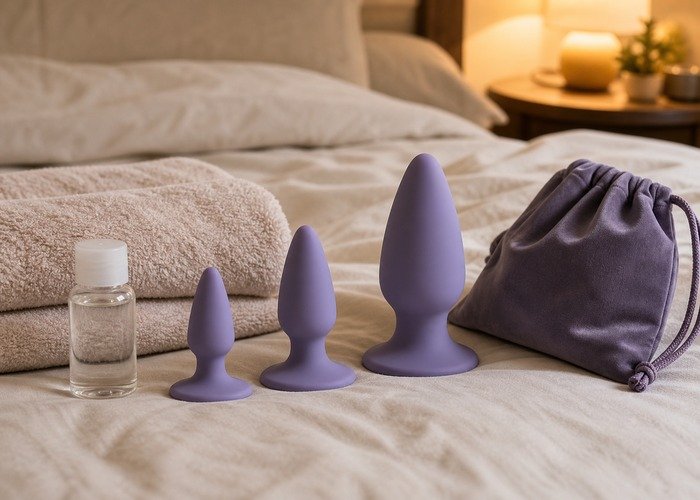
A pause is productive when the body needs more settling time
This part of the decision matters because anal training kit progression is rarely solved by guesswork alone. Practical readers usually get the best answer by separating one question at a time: is the issue really fit, surface feel, flexibility, battery prep, privacy, or cleanup? When those questions are handled in the right order, the choice becomes calmer and more defensible.
That slower reasoning also makes internal links more useful. The closest live KissSelf page can help the reader compare adjacent options, while toy-cleaning guidance adds a neutral reminder that comfort, barriers, and body-safe habits are part of the same routine instead of separate concerns.
A repeatable routine nearly always beats an impressive one. Lower intensity, slower progress, better pillow support, a drier sleeve, a clearer base shape, or a better phone-check moment can change more than another burst of enthusiasm. Readers usually trust a choice sooner when it keeps feeling manageable rather than when it feels dramatic for ten minutes and clumsy afterward.
Another useful habit is to plan what happens if the first try is only partly successful. Maybe the lube amount needs to change, maybe the body needs a slower ramp, maybe the charger location is bad, or maybe the toy needs more drying time before storage. A next step keeps a small setback from feeling like a larger verdict.
That is also why a good ending matters so much. If the cleanup makes sense, if the product stores neatly, and if the next use already feels easier to picture, the reader is far more likely to return to the routine and refine it. Products and positions become sustainable when the finish is as calm as the beginning.
Base shape, taper, and neck flexibility affect progression speed
This part of the decision matters because anal training kit progression is rarely solved by guesswork alone. Practical readers usually get the best answer by separating one question at a time: is the issue really fit, surface feel, flexibility, battery prep, privacy, or cleanup? When those questions are handled in the right order, the choice becomes calmer and more defensible.
That slower reasoning also makes internal links more useful. The closest live KissSelf page can help the reader compare adjacent options, while MedlinePlus hygiene advice adds a neutral reminder that comfort, barriers, and body-safe habits are part of the same routine instead of separate concerns.
A repeatable routine nearly always beats an impressive one. Lower intensity, slower progress, better pillow support, a drier sleeve, a clearer base shape, or a better phone-check moment can change more than another burst of enthusiasm. Readers usually trust a choice sooner when it keeps feeling manageable rather than when it feels dramatic for ten minutes and clumsy afterward.
Another useful habit is to plan what happens if the first try is only partly successful. Maybe the lube amount needs to change, maybe the body needs a slower ramp, maybe the charger location is bad, or maybe the toy needs more drying time before storage. A next step keeps a small setback from feeling like a larger verdict.
That is also why a good ending matters so much. If the cleanup makes sense, if the product stores neatly, and if the next use already feels easier to picture, the reader is far more likely to return to the routine and refine it. Products and positions become sustainable when the finish is as calm as the beginning.
A good training routine ends with a clean reset, not a forced milestone
This part of the decision matters because anal training kit progression is rarely solved by guesswork alone. Practical readers usually get the best answer by separating one question at a time: is the issue really fit, surface feel, flexibility, battery prep, privacy, or cleanup? When those questions are handled in the right order, the choice becomes calmer and more defensible.
That slower reasoning also makes internal links more useful. The closest live KissSelf page can help the reader compare adjacent options, while ACOG STI prevention information adds a neutral reminder that comfort, barriers, and body-safe habits are part of the same routine instead of separate concerns.
A repeatable routine nearly always beats an impressive one. Lower intensity, slower progress, better pillow support, a drier sleeve, a clearer base shape, or a better phone-check moment can change more than another burst of enthusiasm. Readers usually trust a choice sooner when it keeps feeling manageable rather than when it feels dramatic for ten minutes and clumsy afterward.
Another useful habit is to plan what happens if the first try is only partly successful. Maybe the lube amount needs to change, maybe the body needs a slower ramp, maybe the charger location is bad, or maybe the toy needs more drying time before storage. A next step keeps a small setback from feeling like a larger verdict.
That is also why a good ending matters so much. If the cleanup makes sense, if the product stores neatly, and if the next use already feels easier to picture, the reader is far more likely to return to the routine and refine it. Products and positions become sustainable when the finish is as calm as the beginning.
A short reset often teaches more than pushing through
When something feels slightly off, the most effective change is usually a short reset rather than more force. Put the item down, wipe the edge, add a pillow, move the phone stand, let the sleeve air longer, or choose the simpler variation. That minute of adjustment often prevents the longer frustration that comes from continuing with a setup that already feels wrong.
Resetting also creates better information. Once the reader pauses, it becomes easier to tell whether the issue was really entry shape, lube spread, base width, surface drag, app delay, or body tension. Clearer information means the next decision is calmer, and calmer decisions nearly always lead to better comfort.
Common mistakes that make the routine harder
The most common mistakes are ordinary ones: starting with the wrong size because a schedule or fantasy suggested it, storing something before it is dry, skipping the battery check, over-lubricating the grip point, or assuming a more advanced angle must be better because it sounds more intimate. None of those mistakes are rare. They are just easier to fix when the reader knows what actually went wrong.
Smaller changes are usually enough. Use one towel per item, keep one pouch per product when practical, check the connection before the conversation gets playful, and keep the simplest alternative ready when the main plan feels awkward. The calmer finish protects the product and protects confidence at the same time.
Quick decision table
| Question | Better choice | Why it helps |
|---|---|---|
| Does the setup already feel rushed? | Pause and reset first | Readers make better comfort decisions when nothing feels urgent. |
| Does the product still feel damp, insecure, or badly aligned? | Fix the routine before continuing | Dry, supported, well-seated products are easier to trust and repeat. |
| Is the current pace already intense? | Stay lower for longer | Gradual changes make body feedback easier to read early. |
| Will this product be used again soon? | Clean and store it carefully now | Simple aftercare prevents the next session from starting with friction. |
| Is anything numb, pinchy, or emotionally awkward? | Stop and regroup | Discomfort is useful information, not something to push through. |
Build a routine that feels realistic on an ordinary day
The best routine is the one the reader can repeat on a normal evening with imperfect energy. That means the pouch is easy to reach, the towel is already nearby, the compatible lubricant is obvious, and the cleanup path does not require guesswork. If a routine feels like a chore, people skip steps. If it feels simple, they notice sooner when something needs to change.
A realistic routine also leaves room for variation. One day may call for a slower progression, another for a simpler position, another for a longer drying window, and another for a shorter remote session because the time zones never lined up perfectly. Those adjustments are not failures. They are how the reader learns what the routine actually supports.
Think in systems rather than isolated tips. A better base works only if the toy is cleaned well. A great distance-play plan works only if the phone, charger, and privacy rule already make sense. A more appealing surface finish matters only if the lubricant and cleanup routine fit it. When the small parts support each other, the whole experience starts feeling lighter.
Care, consent, and aftercare notes
Follow the product maker’s instructions first, avoid harsh household cleaners, and keep motors, soft elastomers, straps, and delicate seals away from unnecessary heat. When barriers or lubricant compatibility matter, the CDC condom-use guidance and Planned Parenthood consent information are useful reminders that body comfort, consent, and realistic pacing deserve as much attention as product features.
Aftercare can stay practical: wipe surfaces, wash what needs washing, let items dry fully, and store them away from dust, tangled cables, and pressure points that distort the next use. If irritation, numbness, bruising, or lingering discomfort appears, stop using the product or position and return to a simpler variation next time.
FAQ
How should a beginner approach this the first time?
Start with a short trial, the lowest practical intensity or simplest variation, enough compatible lubricant when relevant, and a clear plan for cleanup or stopping.
Does a more advanced product or position solve most problems?
Not automatically. Many issues come from fit, timing, communication, texture choice, storage, or drying habits rather than complexity alone.
What if everything seems fine at first and then starts feeling wrong?
Pause immediately and reset. Add support, change the angle, dry the area again, lower the setting, or stop for the day if the body or the material no longer feels comfortable.
Why does the reset routine matter so much?
Because the routines people trust enough to repeat are usually the ones that stay clean, understandable, and easy to pause instead of feeling theatrical or rushed.
In the end, anal training kit progression gets easier when the reader respects simple basics: match the setup to the body and the material, keep the routine easy to pause, clean thoroughly, dry completely, communicate early, and store everything in a way that supports the next use instead of complicating it. Those habits are modest, but they make the whole experience more dependable over time.