A practical buying or troubleshooting decision usually feels better than a dramatic guess. This guide explains stroker sleeve slipping in a reader-first way so the next step can be calmer, cleaner, and easier to repeat instead of more intense for intensity’s sake.
Most frustrations with intimate products come from a few small details: fit, lubricant placement, drying habits, battery care, or expecting one design to solve every situation. Working through those details methodically is more useful than squeezing harder or buying another model before the routine is understood.
Readers who want more context can compare related options through the stroker texture guide and keep the Guide section nearby. For broader health basics, the NHS sexual health guidance and CDC condom-use guidance remain useful anchors.
The useful mindset is to think in routines, not one-off heroics. A routine includes how the item is set up, how it is held or discussed, how the body responds, how the cleanup ends, and whether the whole process still feels manageable enough to repeat later without dread.
That practical frame matters because readers often judge a product too early. They judge it at the moment of purchase or the first few minutes of use, but the real answer comes from the whole sequence: setup, comfort, control, pause options, drying, storage, and how easy it feels to trust the item again next time.
In other words, the question is not only whether the product can work. The question is whether it can work in a way that still feels realistic after a long day, limited time, ordinary cleanup energy, and the actual habits of the person who will own it.
Start by deciding whether the slip is happening inside the sleeve or at the case edge
A slipping sleeve usually means the problem is mechanical rather than dramatic. That is usually the first clue that the routine needs a smaller correction instead of a bigger push.
When the soft insert shifts in the housing, the hand loses leverage and the texture stops feeling predictable. For stroker sleeve slipping, a controlled routine is what turns a frustrating product into something predictable enough to trust again.
A quick dry fit test before lubricant goes in can tell you whether the insert, cap, or shell is the first thing to correct. Readers comparing setups can cross-check that point against the stroker texture guide before they assume the current product is the only problem.
It also helps to keep neutral health references nearby. The NHS sexual health guidance and the Planned Parenthood sex toy basics both support the slower, body-aware approach that makes maintenance and fit decisions easier.
A practical reset usually looks smaller than people expect. It might mean less lubricant on the rim, more drying time between uses, a different grip angle, a better vent check, or a slower pace through the first minute. Small corrections are often the ones that reveal the real cause.
That is also why note-taking in the loosest sense can help. Remember what changed, what improved, and what made the product easier to trust. When the next session begins, those observations are more useful than trying to rediscover the same fix from scratch.
It is worth treating the middle of the routine as its own checkpoint. If the feel changes halfway through, if grip disappears, if cleanup suddenly looks more complicated than expected, or if the body starts compensating awkwardly, stop and label that change. Mid-routine clues are often more revealing than first impressions.
Use less lubricant at the case edge and more where the texture actually needs it
Over-lubricating the rim can turn a good sleeve into a sliding one. That is usually the first clue that the routine needs a smaller correction instead of a bigger push.
Most sleeves work better when the slickest film stays inside the canal while the outer grip points remain lightly tacky and easy to hold. For stroker sleeve slipping, a controlled routine is what turns a frustrating product into something predictable enough to trust again.
A towel pass around the outer shell often fixes the problem faster than squeezing harder. Readers comparing setups can cross-check that point against the TPE sleeve storage habits before they assume the current product is the only problem.
It also helps to keep neutral health references nearby. The CDC condom-use guidance and the Planned Parenthood sex toy basics both support the slower, body-aware approach that makes maintenance and fit decisions easier.
A practical reset usually looks smaller than people expect. It might mean less lubricant on the rim, more drying time between uses, a different grip angle, a better vent check, or a slower pace through the first minute. Small corrections are often the ones that reveal the real cause.
That is also why note-taking in the loosest sense can help. Remember what changed, what improved, and what made the product easier to trust. When the next session begins, those observations are more useful than trying to rediscover the same fix from scratch.
It is worth treating the middle of the routine as its own checkpoint. If the feel changes halfway through, if grip disappears, if cleanup suddenly looks more complicated than expected, or if the body starts compensating awkwardly, stop and label that change. Mid-routine clues are often more revealing than first impressions.
Air release and cap alignment change suction more than people expect
If the rear cap, vent, or drain opening is slightly misaligned, the sleeve can bunch up and move forward. That is usually the first clue that the routine needs a smaller correction instead of a bigger push.
Small airflow changes affect grip, drag, and cleanup time at the same time. For stroker sleeve slipping, a controlled routine is what turns a frustrating product into something predictable enough to trust again.
Resetting the cap squarely and checking that the insert is not twisted usually restores control. Readers comparing setups can cross-check that point against the male toy texture tradeoffs before they assume the current product is the only problem.
It also helps to keep neutral health references nearby. The Planned Parenthood sex toy basics and the Planned Parenthood sex toy basics both support the slower, body-aware approach that makes maintenance and fit decisions easier.
A practical reset usually looks smaller than people expect. It might mean less lubricant on the rim, more drying time between uses, a different grip angle, a better vent check, or a slower pace through the first minute. Small corrections are often the ones that reveal the real cause.
That is also why note-taking in the loosest sense can help. Remember what changed, what improved, and what made the product easier to trust. When the next session begins, those observations are more useful than trying to rediscover the same fix from scratch.
It is worth treating the middle of the routine as its own checkpoint. If the feel changes halfway through, if grip disappears, if cleanup suddenly looks more complicated than expected, or if the body starts compensating awkwardly, stop and label that change. Mid-routine clues are often more revealing than first impressions.
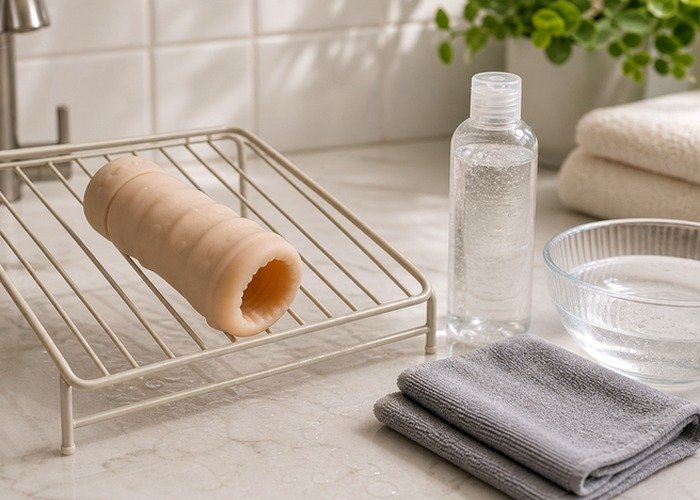
A sleeve that dried crooked yesterday will often slip today
TPE and soft elastomer sleeves remember the shape in which they were stored. That is usually the first clue that the routine needs a smaller correction instead of a bigger push.
If the insert was pushed back while damp or folded into a tight shell too early, the next session often starts with uneven grip. For stroker sleeve slipping, a controlled routine is what turns a frustrating product into something predictable enough to trust again.
Drying the sleeve completely outside the case and reseating it only after the material relaxes is the safer long-term fix. Readers comparing setups can cross-check that point against the KissSelf shop before they assume the current product is the only problem.
It also helps to keep neutral health references nearby. The Healthline cleaning guide and the Planned Parenthood sex toy basics both support the slower, body-aware approach that makes maintenance and fit decisions easier.
A practical reset usually looks smaller than people expect. It might mean less lubricant on the rim, more drying time between uses, a different grip angle, a better vent check, or a slower pace through the first minute. Small corrections are often the ones that reveal the real cause.
That is also why note-taking in the loosest sense can help. Remember what changed, what improved, and what made the product easier to trust. When the next session begins, those observations are more useful than trying to rediscover the same fix from scratch.
It is worth treating the middle of the routine as its own checkpoint. If the feel changes halfway through, if grip disappears, if cleanup suddenly looks more complicated than expected, or if the body starts compensating awkwardly, stop and label that change. Mid-routine clues are often more revealing than first impressions.
Know when fit mismatch is the real issue
Some sleeves slip because the canal and outer case are fine but the fit is still too loose for the intended pressure. That is usually the first clue that the routine needs a smaller correction instead of a bigger push.
If you need a death grip on the housing just to keep the texture engaged, you are compensating for the wrong combination of softness, width, and case support. For stroker sleeve slipping, a controlled routine is what turns a frustrating product into something predictable enough to trust again.
That is the point where a different texture, a firmer insert, or a different sleeve shell becomes more practical than endless adjustment. Readers comparing setups can cross-check that point against the Guide section before they assume the current product is the only problem.
It also helps to keep neutral health references nearby. The ACOG safer-sex advice and the Planned Parenthood sex toy basics both support the slower, body-aware approach that makes maintenance and fit decisions easier.
A practical reset usually looks smaller than people expect. It might mean less lubricant on the rim, more drying time between uses, a different grip angle, a better vent check, or a slower pace through the first minute. Small corrections are often the ones that reveal the real cause.
That is also why note-taking in the loosest sense can help. Remember what changed, what improved, and what made the product easier to trust. When the next session begins, those observations are more useful than trying to rediscover the same fix from scratch.
It is worth treating the middle of the routine as its own checkpoint. If the feel changes halfway through, if grip disappears, if cleanup suddenly looks more complicated than expected, or if the body starts compensating awkwardly, stop and label that change. Mid-routine clues are often more revealing than first impressions.
Quick decision table
| Situation | Better move | Why it helps |
|---|---|---|
| The sleeve moves at the front opening | Too much lubricant at the rim | Wipe the outer edge and keep the lube film deeper inside |
| The insert bunches in the shell | Cap or case misalignment | Remove, reseat, and check that the vent path is not pinching the sleeve |
| Grip feels fine dry but not during use | Outer housing is getting slick | Keep a towel nearby and recheck where the lubricant is spreading |
| The same slip returns every session | Storage memory or fit mismatch | Dry fully outside the case and reassess the sleeve style |
Cleaning, storage, and repeat-use notes
Aftercare is where ownership becomes real. Clean what needs cleaning, dry what needs drying, and store the product in a way that makes the next session easy to start without repeating the same avoidable problem.
That is also why lubrication and protection choices deserve a quick second look. The Healthline cleaning guide and ACOG safer-sex advice are useful checkpoints whenever cleanup, shared use, or body comfort enter the decision.
The routine is working when the ending feels as controlled as the start. If cleanup is confusing, if storage invites lint or moisture, or if the same problem returns because the product was put away carelessly, the next session begins at a disadvantage. Good aftercare keeps the next session lighter.
This is also where durability gets judged honestly. A product that is easy to understand but exhausting to maintain may still be the wrong fit. Readers usually make better long-term choices once they evaluate the maintenance burden as seriously as the sensation itself.
A manageable cleanup routine is often the best sign that the setup truly fits the owner’s real life.
That is a durable standard.
FAQ
Should I add more lubricant if the sleeve keeps slipping?
Usually no. First wipe the case edge and make sure the lubricant is staying where sensation is needed instead of coating the grip surfaces.
Can a damp sleeve cause slipping the next day?
Yes. Damp storage can leave the insert twisted, stretched, or tacky in uneven spots, which makes it harder to seat cleanly.
Is it safe to force the sleeve back into place during use?
Pause first. Forcing it while everything is slick usually makes alignment worse and can damage softer inserts.
When is it better to replace the sleeve?
Replace it when the insert keeps stretching, tearing, or bunching even after careful cleaning, drying, and reseating.
Small adjustments usually beat bigger force
The recurring lesson behind maintenance and fit problems is simple: better placement, cleaner drying, steadier pacing, or a more realistic comparison usually does more good than extra force or extra novelty.
When readers learn stroker sleeve slipping as a repeatable routine instead of a one-time hack, they make better product decisions and notice body feedback sooner.
Use the version of the routine you can actually repeat
If a product only works when every condition is perfect, it probably does not fit real life very well. The best setup is the one that stays manageable on an ordinary night with ordinary energy, ordinary cleanup time, and ordinary patience.
That is why practical comparisons matter. They keep the reader focused on repeatability rather than hype. A product earns its place when it stays easy to understand at the start, controlled in the middle, and unremarkable to clean at the end.
Let the body and the routine decide, not the label alone
Names such as automatic, vibrating, premium, textured, or beginner-friendly can be useful shorthand, but they are not the final answer. The final answer comes from whether the setup stays comfortable, predictable, and easy to manage in the actual room where it gets used.
That final reality check is what keeps a reader from chasing features that look good on a product card but create extra friction in use. If a simpler option fits the hand, the schedule, the cleanup habits, and the body’s response more consistently, that simpler option is often the better tool.
That is the payoff of a slower guide like this one. Instead of asking what sounds most exciting in theory, it asks what still feels workable after setup, during the middle of use, and at the point where everything has to be cleaned, dried, stored, and trusted again.