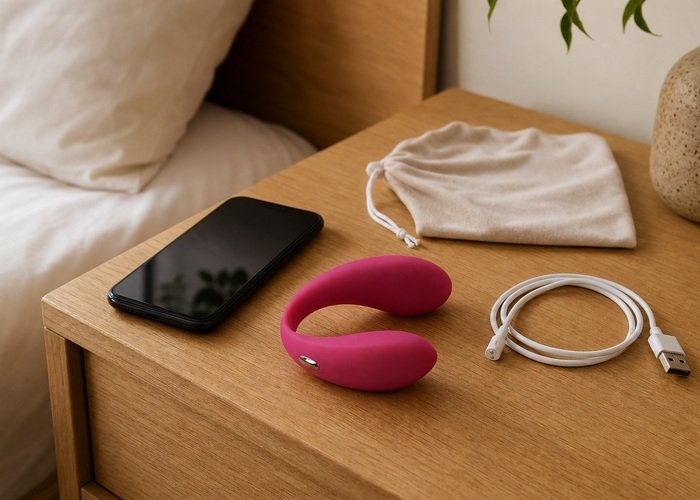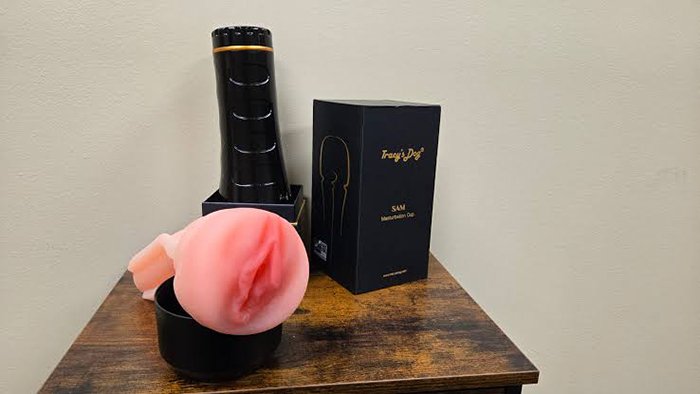
Not long ago, vacuum therapy devices were whispered about in the back corners of novelty shops — misunderstood tools wrapped in awkward packaging and even more awkward conversations. That era is over. Today, intimate wellness for men sits firmly alongside nutrition, mental health, and fitness as a recognized pillar of whole-body health.

Nearly 30 million men in the United States experience erectile dysfunction — a figure that makes the demand for effective, accessible solutions impossible to ignore. Yet for decades, the options felt clinical at best and stigmatizing at worst. Prescription medications aren’t suitable for everyone, and as Harvard Health Publishing notes, “vacuum therapy is a safe, non-invasive alternative for patients who do not respond to or cannot tolerate oral medications.” That single fact has quietly fueled a revolution.
What’s driving the shift isn’t desperation — it’s awareness. Men are increasingly approaching sexual health the way they approach physical training: with intentionality, data, and better tools. The wellness industry has responded, engineering vacuum therapy systems that bear almost no resemblance to their crude predecessors. Precision pressure control, body-safe materials, and discreet, ergonomic designs have transformed these devices into legitimate health technology. Even older adults are discovering their value as part of a broader conversation about lifelong vitality.
This shift from taboo to tech is more than cosmetic. Understanding why these devices work — and why they work so well — starts with the science beneath the surface.
Understanding the Science: How Vacuum Erection Devices (VEDs) Work
The shift in perception covered earlier — from novelty to legitimate wellness tool — didn’t happen by accident. It happened because the science is solid. Understanding exactly how vacuum therapy works helps demystify the experience and explains why clinicians and users alike continue to embrace it.
Creating Negative Pressure: The Core Mechanism
At its most fundamental level, a vacuum erection device works by generating negative pressure inside a cylinder placed over the penis. As air is removed — whether through a squeeze bulb, a trigger penis pump handle, or an automated system — the pressure differential causes blood to rush into the corpora cavernosa, the two chambers of spongy tissue responsible for engorgement. This process mimics the body’s natural arousal response but does so mechanically, making it effective even when neurological or vascular pathways are compromised.
What happens next is straightforward physics: more blood in, more rigidity out. The body doesn’t need to initiate the process — the device does the heavy lifting.
The Constriction Ring: Locking In the Results
Achieving an erection is only half the equation. Maintaining it is the other. According to the Cleveland Clinic, the use of a constriction ring at the base of the penis is essential for sustaining results by preventing venous outflow — essentially keeping blood from draining back out too quickly. The ring is typically applied before removing the cylinder and should not be worn for more than 30 minutes at a time.
A properly fitted constriction ring is the difference between a brief result and one that’s functional, comfortable, and satisfying for both partners.
Clinical Efficacy: What the Numbers Say
The numbers behind vacuum therapy are genuinely impressive. According to the American Urological Association, VEDs demonstrate a success rate of approximately 80% to 90% in helping men achieve an erection sufficient for intercourse. That’s a figure that rivals many pharmaceutical interventions — without systemic side effects.
Vacuum therapy also pairs naturally with broader intimate exploration. For couples curious about expanding their sensory repertoire, understanding how suction-based tools work in different contexts — from intimate wellness devices to playful sensory tools — reinforces that negative pressure technology has a wide and legitimate role in modern wellness.
With the science established, the next natural question becomes: which type of device is right for you?
From Beginners to Pros: Navigating Device Types
Now that you understand the mechanics driving vacuum therapy’s legitimacy, the next logical question is: which device actually fits where you are right now? Not every system is built for the same user, and choosing the wrong one can mean the difference between a frustrating experience and a genuinely effective routine.
The Beginner Penis Pump: Simple, Accessible, Effective
A beginner penis pump is designed with one priority in mind — ease of use. These entry-level devices typically feature a squeeze-bulb mechanism, where manual compression of a rubber bulb creates the vacuum. They’re forgiving, affordable, and widely available, making them the most practical starting point for anyone new to vacuum therapy.
Key features to look for:
- A clear acrylic cylinder so you can monitor fit and response
- A quick-release valve for safe, immediate pressure release
- Soft comfort seals at the base to improve suction and reduce discomfort
- Straightforward assembly with minimal parts
The Trigger Penis Pump: Precision for the Intermediate User
For users who’ve moved past the basics, trigger-style pumps represent a meaningful upgrade. Unlike squeeze-bulb models, trigger-handle designs allow for precise pressure modulation — small, controlled strokes rather than large, variable compressions. That level of control matters. In practice, users report being able to build and maintain target pressure far more consistently, which supports both comfort and results over time.
Key features to look for:
- Ergonomic pistol-grip handle for one-handed operation
- Built-in pressure gauge (measured in mmHg) for real-time feedback
- Detachable cylinder compatibility for customized sizing
- Smooth, incremental stroke action
The trigger pump sits at a sweet spot where precision meets accessibility — advanced enough for seasoned users, intuitive enough that the learning curve stays manageable.
Automated and Robotic Systems: The Hands-Free Frontier
At the cutting edge, automated and battery-powered systems take human variability out of the equation entirely. These devices use motorized pumps to maintain consistent, programmable pressure levels — no manual effort required. They’re particularly relevant for users with limited hand mobility or those seeking a more clinical, repeatable protocol.
Key features to look for:
- Digital pressure controls with preset or custom settings
- Auto-shutoff safety features to prevent over-pressure
- Rechargeable battery systems with extended run times
- Quiet motor technology for discreet use
This category is evolving rapidly, and as the technology matures, it’s opening doors to something beyond simple mechanical use — a more intentional, therapeutic application of vacuum therapy. That therapeutic dimension, particularly in post-surgical and long-term tissue health contexts, is exactly where the conversation heads next.
The Wellness Angle: Penile Rehabilitation and Long-Term Health
Moving beyond performance enhancement, vacuum erection devices are earning serious recognition in clinical and wellness communities alike — and for good reason. The science points to meaningful, measurable health benefits that extend well past the bedroom.
Post-Surgical Recovery: A Clinical Foundation
One of the most compelling use cases is penile rehabilitation following radical prostatectomy. As Mayo Clinic research confirms, vacuum therapy is increasingly utilized in post-surgical recovery protocols specifically to prevent tissue atrophy. When nerves and blood vessels are disrupted during surgery, the body needs deliberate, consistent intervention to preserve function during the healing window.
“Early and consistent use of vacuum therapy after prostatectomy helps maintain penile tissue oxygenation, reducing the risk of permanent structural changes that could compromise long-term erectile function.” — Clinical rehabilitation guidance, Mayo Clinic
The takeaway here isn’t subtle. Waiting passively for recovery isn’t always the optimal path. Structured, low-pressure vacuum use can actively preserve tissue integrity during the months when it matters most.
The ‘Use It or Lose It’ Reality
This principle extends beyond post-surgical contexts. Penile tissue health operates on a straightforward biological premise: regular blood flow and oxygenation maintain smooth muscle elasticity and cellular health. Without consistent stimulation, corpus cavernosum tissue can gradually lose its pliability — a process medical professionals refer to as fibrosis.
“The use-it-or-lose-it principle applies directly to erectile tissue. Regular engorgement through vacuum therapy supports oxygenation, which is foundational to maintaining both length and functional capacity over time.” — Sexual medicine research consensus
Bold health tip: Consistency is everything. Brief, regular sessions — not occasional marathon use — deliver the cumulative oxygenation benefits that support long-term tissue health.
A common pattern is that men who integrate vacuum therapy into a broader wellness routine, rather than treating it as a reactive fix, report better outcomes over time. Curious about how environment and physical context shape intimate wellness practices? Exploring creative ways to stay comfortable during self-care routines can also play a surprisingly supportive role.
Of course, getting the most out of any device — clinically or recreationally — depends on how you use it. That’s exactly where best practices and safety protocols become non-negotiable.
Maximizing Results: Best Practices and Safety
Getting the most from vacuum therapy — whether you’re focused on penile rehabilitation or everyday performance — comes down to smart, consistent habits. The device is only as effective as the routine surrounding it.
Safe, optimized use isn’t complicated, but skipping the basics can undermine your results or cause unnecessary discomfort. Here are five rules that separate effective users from frustrated ones.
- Use the right lubricant. A high-quality, body-safe lubricant applied to the base ring creates an airtight seal, which is essential for generating consistent negative pressure. Without it, suction breaks down and results suffer. Look for formulas specifically designed for skin-to-silicone contact.
- Respect the time limit on constriction rings. According to the Cleveland Clinic, leaving a constriction ring in place for more than 30 minutes can lead to tissue bruising and potential nerve compression. Set a timer — every time.
- Build pressure gradually. Aggressive pumping isn’t more effective. A slow, incremental approach allows tissue to adapt without strain, which is especially important during early rehabilitation sessions.
- Clean your device after every use. High-tech materials like medical-grade silicone and ABS plastic require mild, non-abrasive cleansers. Avoid alcohol-based sprays on soft components, as they degrade material integrity over time.
- Store it properly. Heat, moisture, and direct sunlight break down seals and electronic components. A cool, dry storage pouch extends your device’s lifespan significantly.
Pro Tip: Pairing your sessions with a wellness-focused intimacy oil — like those highlighted in Inside NOEN: The Intimacy Oil Brand Redefining Modern Wellness — can enhance both comfort and skin conditioning during regular use.
Practicing these habits consistently turns vacuum therapy from an occasional experiment into a reliable part of your wellness toolkit. Still have questions about frequency, compatibility, or long-term outcomes? The next section tackles the most common ones head-on.
Frequently Asked Questions
Curiosity — and a little hesitation — naturally comes with exploring vacuum therapy for the first time. These common questions cut straight to what most men actually want to know.
Are the results permanent?
Consistency is the deciding factor. Gains in tissue elasticity and rehabilitative progress tend to hold when sessions are maintained regularly, but results aren’t a one-and-done outcome. Think of it like physical therapy — the benefits build over time and require ongoing effort to sustain.
Can I use this alongside other intimate devices or treatments?
In many cases, yes. Vacuum devices are frequently incorporated into broader wellness routines that include lubricants, massage tools, or prescribed medical treatments. However, it’s always smart to consult a healthcare provider before combining modalities, especially post-surgery or during active medical care.
How often should I use a vacuum device for rehabilitation?
Clinical guidance typically recommends one to two sessions per day during active rehabilitation phases, particularly in the months following prostate surgery or similar procedures. For general wellness use, three to five sessions per week is a practical and sustainable rhythm for most men.
Consistent, informed use is what separates meaningful progress from minimal results — and that principle applies whether your goal is recovery, performance, or long-term penile health.
Advanced vacuum therapy isn’t a fringe concept anymore. It’s a well-supported, accessible tool that belongs in the conversation about modern men’s intimate wellness. Start slow, stay consistent, and let the results speak for themselves.
Key Takeaways
- A clear acrylic cylinder so you can monitor fit and response
- A quick-release valve for safe, immediate pressure release
- Soft comfort seals at the base to improve suction and reduce discomfort
- Straightforward assembly with minimal parts
- Ergonomic pistol-grip handle for one-handed operation