Starting your first vibrator search can feel like standing in front of a wall of options with no map. This guide is that map. You’ll learn how to choose the best vibrator for beginners based on body‑safe materials, waterproof ratings, noise levels for privacy, and simple controls—plus how to clean and store it so it lasts.
Key takeaways
- The best vibrator for beginners is usually simple, body‑safe, and easy to clean—think medical‑grade silicone or ABS plastic with straightforward controls.
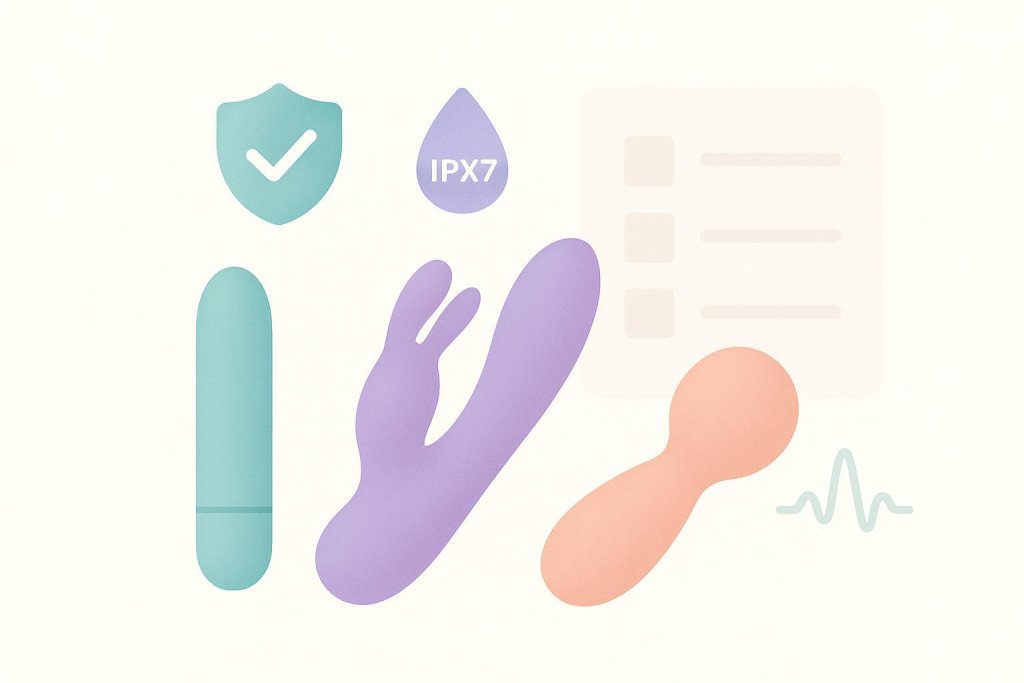
- Look for clear waterproof ratings (IPX7 or higher for bath/shower use) and keep noise under the radar with silicone‑dampened designs.
- Use water‑based lube with silicone toys, clean with mild soap and water, and dry thoroughly before storage.
- Verify labeling and instructions; favor products that explain materials and safety in plain language.
- Start low and slow; test settings on your forearm first, then explore what feels good without pressure.
Quick buyer checklist for the best vibrator for beginners
- Body‑safe, non‑porous material (medical‑grade silicone or ABS)
- Simple interface (one to three buttons; clear modes)
- Waterproof rating visible (IPX7 if you want shower/bath play)
- Quiet enough for shared spaces (aim for sub‑50 dB when available)
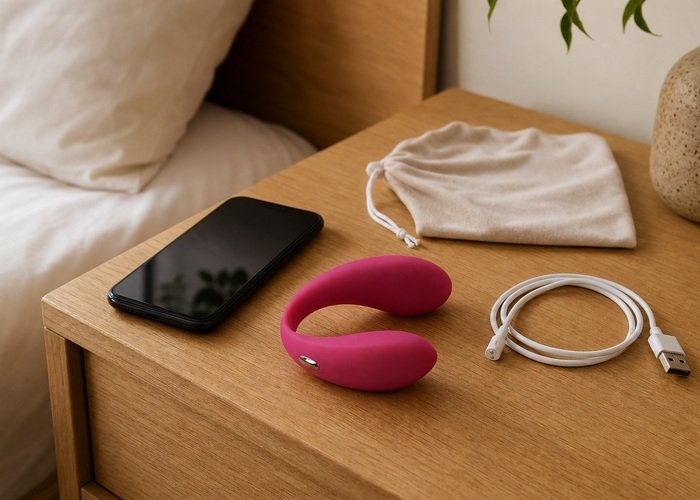
- USB rechargeable, sealed charging port, readable manual
- Easy‑to‑clean shapes without deep seams
Vibrator types for beginners: what to expect
Finding the best vibrator for beginners often starts with understanding types and how they feel. Think of each type as a different “entry point” to sensation—external, internal, or dual.
- External (bullet, palm, suction): External vibrators focus on the clitoris and surrounding area. Bullets are discreet and straightforward. Palm styles offer wider, cushioned contact. Suction‑style toys provide rhythmic pressure and pulses rather than direct vibration. Many first‑time users prefer external toys because they’re easy to aim and control.
- Internal (slim wands): Slim internal vibrators have gentle curves and softer motors. If you’re curious about internal stimulation, start with a narrow, flexible option.
- Dual/rabbit: These combine internal and external stimulation at once. Beginners who already enjoy external vibes sometimes appreciate rabbits because they add a gentle internal element without giving up clitoral focus.
Tip: If you want a dual toy but with training‑wheel simplicity, a beginner‑friendly rabbit with soft external ears and a flexible insertable arm is a comfortable way to explore.
For step‑by‑step ways to narrow choices, see the internal primer on beginner selection: beginner vibrator guide.
Materials and safety: what “body‑safe” really means
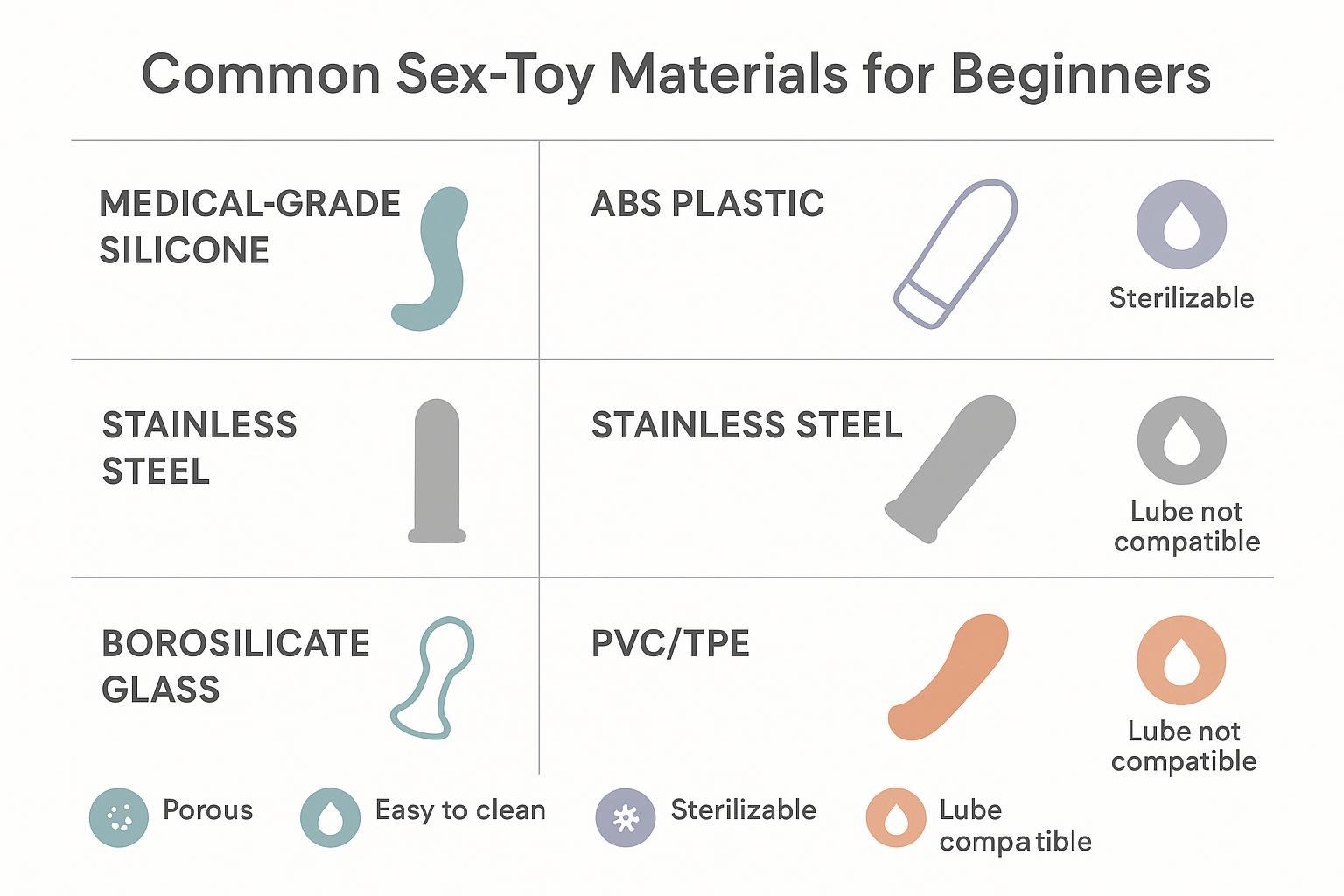
“Body‑safe” usually means non‑porous, low‑reactivity materials that are easy to clean and won’t harbor residue. For the best vibrator for beginners, prioritize these:
- Medical‑grade silicone (often platinum‑cured): soft, non‑porous, and easy to clean.
- ABS hard plastic: smooth, non‑porous, budget‑friendly.
- Stainless steel or borosilicate glass: fully non‑porous; more weight and a different sensation profile.
Avoid porous materials like jelly rubber, PVC, and some TPE/TPR blends for insertable toys—they can retain moisture and are harder to sanitize.
Safety standards in plain language: ISO 3533:2021 sets design and user‑instruction expectations for sex toys (e.g., surface finish, risk assessment, and labeling). You’ll rarely see “ISO 3533 certified” on a retail page, but instructions and thoughtful design are consumer‑visible signs of safety culture. See an accessible overview in this industry explainer: what ISO 3533 means for safer sex toys.
Material and chemical context: The EU’s REACH framework restricts certain phthalates (plasticizers) due to health concerns in consumer goods. Choosing silicone, glass, steel, or ABS helps you sidestep most plasticizer issues, and reputable sellers will state “phthalate‑free.” For background, see the EU’s summary of REACH restrictions on hazardous substances and Health Canada’s consumer information on phthalates and safer choices.
Here’s a quick materials and care table you can save:
| Material | Porosity | Cleaning | Sterilization | Lube compatibility |
|---|---|---|---|---|
| Medical‑grade silicone | Non‑porous | Mild soap + warm water | Boilable if non‑motorized; dilute bleach only if manufacturer allows | Water‑based recommended (avoid silicone‑based) |
| ABS hard plastic | Non‑porous | Mild soap + warm water | Dilute bleach if allowed | Water‑based or oil‑based; check condom compatibility |
| Stainless steel (304/316) | Non‑porous | Mild soap + warm water | Boilable; top‑rack dishwasher (no detergent if manufacturer says so) | Any lube; avoid oil with latex barriers |
| Borosilicate glass | Non‑porous | Mild soap + warm water | Boilable; top‑rack dishwasher (per maker) | Any |
| PVC / Jelly / TPE/TPR | Porous | Mild soap + warm water | Not fully sterilizable | Water‑based only |
For a friendly walkthrough of cleaning basics aligned with health guidance, see Healthline’s overview of how to clean sex toys correctly.
Helpful internal read: For more first‑timer context, explore vibrators for beginners who want to explore.
Waterproofing and noise: privacy and bathroom‑safe choices
If your best vibrator for beginners will live in the shower or tub, you need to understand IP ratings. These are standardized ingress protection codes for water.
IP basics you’ll actually use:
| Rating | Water protection | Practical takeaway |
|---|---|---|
| IPX4 | Splash‑resistant from any direction | OK for light splashes; not for submersion |
| IPX7 | Immersion up to 1 m for 30 minutes | Suitable for shower/bath use when used as directed |
| IPX8 | Immersion beyond 1 m (manufacturer‑defined) | Highest protection here; follow the manual |
To vet labels, see Intertek’s clear explainer of ingress protection ratings. If a product page says “waterproof,” look for IPX7 (or higher) confirmation and a sealed charging port or magnetic charging.
What “quiet” really means: Everyday sound references place a whisper at roughly 20–30 dB and a quiet room around 35–45 dB. Many “whisper‑quiet” toys aim under ~50 dB in ideal conditions, but measurements vary. The point: if privacy is a priority, choose silicone‑sheathed designs (silicone dampens chassis noise), start at lower settings, and test behind a closed door. For perspective on safe sound levels, see the U.S. CDC’s primer on noise and hearing health.
Lube, cleaning, and storage: a beginner routine that works
A simple routine builds confidence and keeps your best vibrator for beginners feeling great for years.
- Lube: With silicone toys, use water‑based lubricant. Some hybrid lubes are toy‑safe, but always check your manual. Oil‑based lubes can degrade latex barriers.
- Before use: Rinse a new toy, dry it, and test the lowest setting on your forearm or inner thigh. This calibrates intensity without surprises.
- Cleaning: After each session, wash non‑porous toys with mild soap and warm water, then dry fully with a lint‑free cloth. Consistent guidance from health sources, including Healthline, supports this simple approach backed by infection‑prevention common sense.
- Storage: Keep toys dry and separate (small pouches are ideal). Avoid long‑term contact between different silicone blends.
For a structured beginner how‑to, see a beginner’s guide to using vibrators for enhanced orgasms. As a broader public‑health context for hygiene habits, the CDC emphasizes cleaning shared items and hands to reduce infection risks; see its overview of preventing illness and cleaning basics.
Practical examples: matching the best vibrator for beginners to real needs
Real life isn’t one‑size‑fits‑all. Here are three beginner profiles—and why they chose what they chose.
- Emma — Quiet, shared‑space renter: Emma needs discretion and easy cleanup. She starts with a small external device that’s silicone‑sheathed for sound damping and has gentle, low‑range modes. She also wants the option to grow. A beginner‑friendly rabbit vibrator can stay on the external setting at first, then later add a flexible internal arm when she’s curious. She keeps a small pouch in her drawer for quick, private storage.
- Liam — Sensitive skin, body‑safe first: Liam has sensitive skin and wants clear material labeling. He chooses medical‑grade silicone and ABS with a smooth finish, checks for readable instructions, and keeps to water‑based lube. He builds a simple cleaning ritual (soap, rinse, dry, pouch) and avoids porous materials entirely.
- Alex — Shower‑friendly, sometimes with a partner: Alex wants bathroom‑safe play and variety. They choose an IPX7‑rated toy with magnetic charging and a flexible design. For dual stimulation days, Alex opts for a rabbit with adjustable external intensity so a partner can control the rhythm while internal stimulation stays steady.
Example product to illustrate features (not a prescription): The tapping rabbit vibrator for beginners combines soft external contact with internal tapping/vibration and lists an IPX7 waterproof rating and silicone+ABS construction, aligning with the criteria above. Disclosure: Kissself is our product.
If you’re curious about feature‑rich experimentation after you’ve learned what you like, a multifunction device such as a 4‑in‑1 G‑spot thrusting vibrator can layer sensations (G‑spot vibration, light thrusting, external suction) while keeping controls readable.
A look under the hood: anatomy of a beginner‑friendly external toy
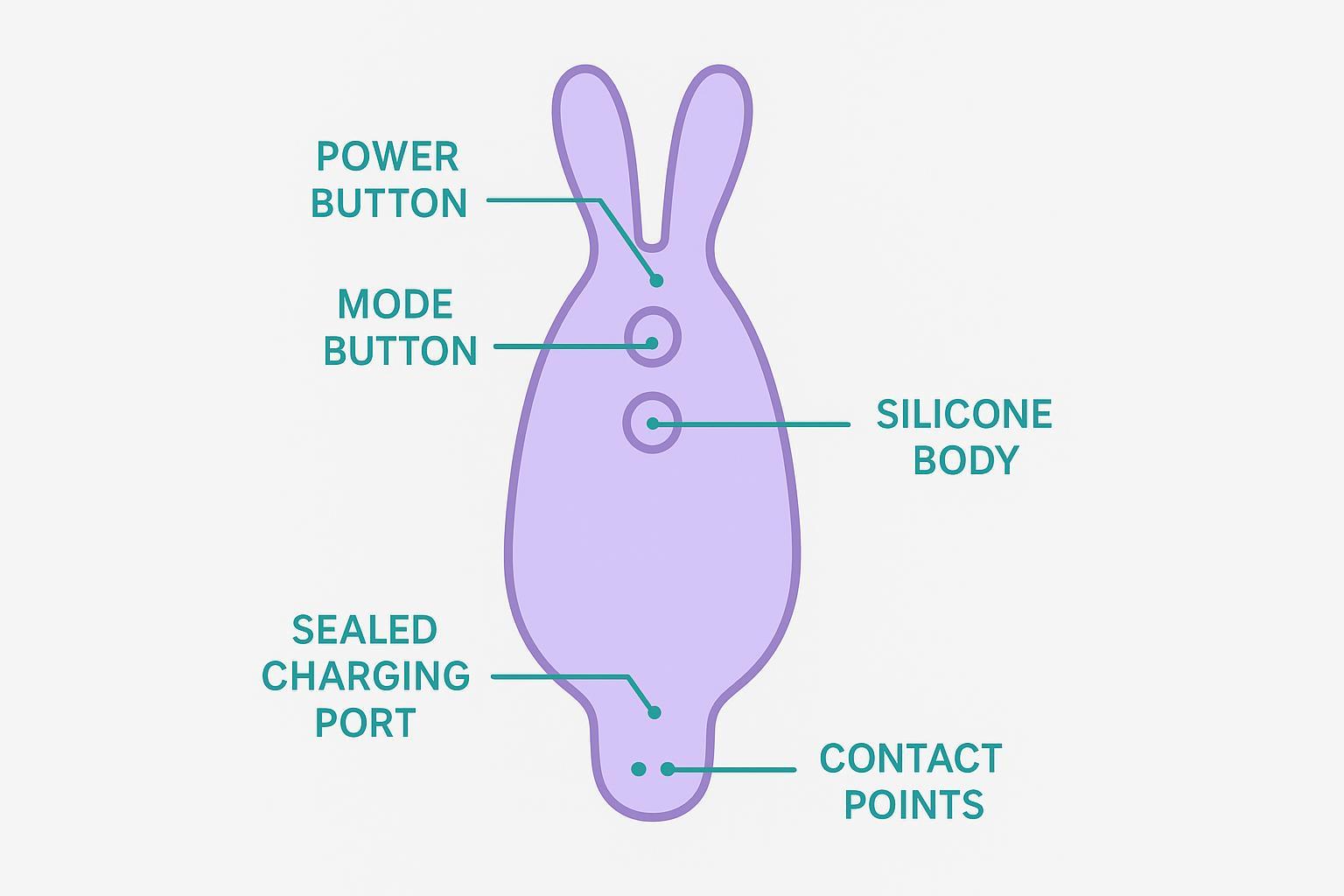
- Silicone body: Soft, non‑porous shell that’s easy to clean and helps dampen sound.
- Motor location: Where vibration is strongest; matters for pinpoint vs diffuse sensation.
- Power + mode buttons: Fewer, well‑spaced buttons make first use less fumbly.
- Sealed charging port or magnetic charging: Important for IPX7 or higher designs.
- Contact points: Where the toy touches skin; smooth edges and gentle curves help beginners relax.
Troubleshooting and lifecycle care
- Won’t charge: Try a different USB power source, reseat the magnetic charger, and inspect the port for moisture. If the toy was submerged, let it dry fully before retrying.
- Louder than expected: Add a bit of water‑based lube (reduces surface friction noise), check that no fabric is buzzing against it, and test in the pouch for additional dampening.
- Irritation: Reduce intensity, shorten sessions, and switch to a fully non‑porous silicone or ABS toy with water‑based lube. If irritation persists, pause use and consult a healthcare provider.
- Storage and longevity: Dry completely before storing; give each toy its own pouch to avoid material reactions. Retire porous or damaged items.
Watch: choosing your first sex toy (neutral educational video)
FAQs: best vibrator for beginners
- What is the best vibrator for beginners if I’m nervous about insertion? Start with an external bullet or palm‑style vibrator made from medical‑grade silicone or ABS. Focus on gentle, low settings and explore around the clitoris and outer vulva first.
- How do I know if a toy is truly body‑safe? Look for non‑porous materials (silicone, ABS, steel, glass), smooth seams, and clear instructions. Reputable listings will state materials and avoid vague terms. ISO 3533 isn’t a retail badge, but design details and documentation reflect its principles; see this plain‑language explainer.
- What waterproof rating should beginners choose for bath or shower use? IPX7 is a practical minimum for submersion up to 1 meter for 30 minutes. Always follow the manual and ensure charging points are sealed or magnetic. For what IP codes mean, see this IP rating overview.
- How quiet should my first vibrator be? Under ~50 dB is often described as “whisper‑quiet,” though measurements vary. Silicone shells can dampen noise; test behind a closed door to see how it sounds in your space. The CDC’s noise primer offers everyday sound context.
- What lube should I use? With silicone toys, choose water‑based lube. Some hybrids are toy‑safe, but check the manual. Oil‑based lubes degrade latex barriers.
- How do I clean and store my first vibrator? Wash with mild soap and warm water after each use; dry fully with a lint‑free cloth; store separately in a pouch. See Healthline’s step‑by‑step toy cleaning guide.
- Can I share a vibrator with a partner? If you plan to share, use a condom over insertable toys and change it between users or body areas. Stick to non‑porous materials and clean thoroughly between uses.
Next steps and trusted resources
If you’re ready to experiment within a safe, beginner‑friendly range, consider a simple dual option like a beginner‑friendly rabbit vibrator or branch out later to a feature‑rich 4‑in‑1 G‑spot thrusting vibrator once you know your preferences.
Further reading and references:
- ISO principles in consumer terms: what ISO 3533 means for safer sex toys
- EU chemical restrictions background (phthalates): REACH Annex XVII overview
- Health Canada consumer information: phthalates and safer choices
- Waterproof ratings explained: ingress protection (IP) guidance
- Noise context: CDC on noise and hearing health
Finally, remember that the best vibrator for beginners is the one that feels safe, easy to handle, and aligned with your curiosity. Start small, listen to your body, and let your comfort lead the way.