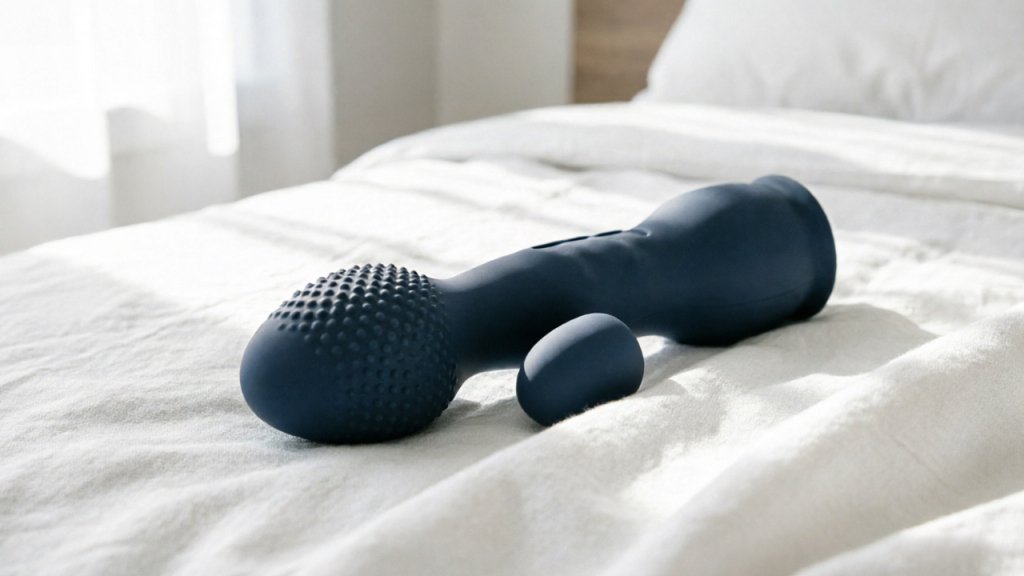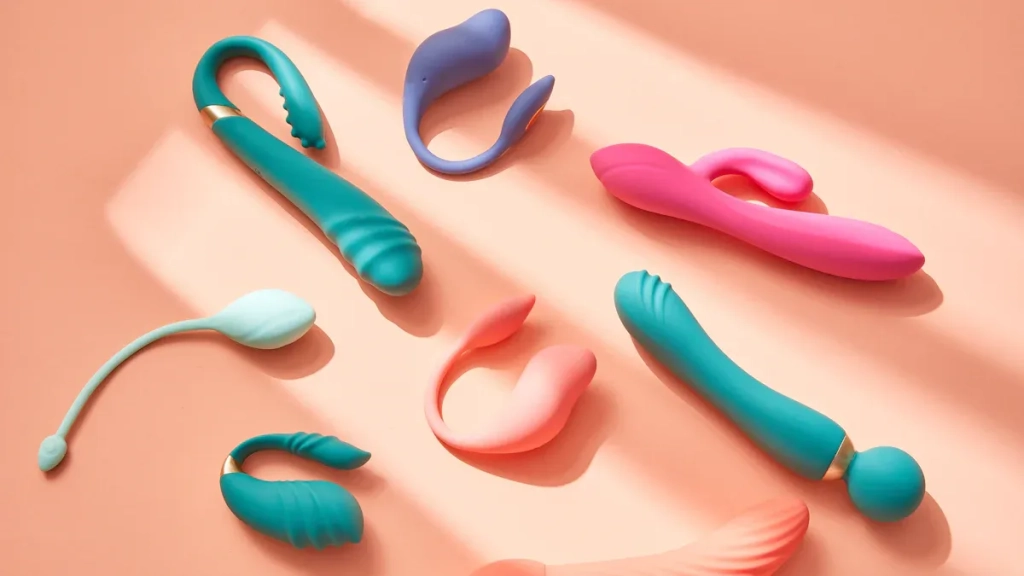
You can Clean Sex Toys safely and effectively by using the right method for the material. Regular cleaning protects your health and ensures pleasure stays worry-free. Many adults skip this important step—only 43% clean after every use, while 47% never clean at all. Different materials need different care.
| Material | How to Clean | Notes |
|---|---|---|
| Silicone | Wash with mild soap/warm water or toy cleaner. Some can be boiled for sterilization. | Check instructions first. |
| Glass/Metal | Wash with soap and water or toy cleaner. | Metal should be dried completely to prevent rust. |
| Hard Plastic (ABS) | Wash surfaces with soap and water. | Avoid submerging electronics unless waterproof. |
| Porous Materials (TPE/TPR/Jelly) | Difficult to sanitize; washing may not remove all bacteria. | Using a condom is recommended for safety. |
Making cleaning part of your routine helps you care for yourself and your toys with confidence.
Key Takeaways
- Clean sex toys after every use to protect your health and prevent infections.
- Different materials require different cleaning methods; always check the manufacturer’s instructions.
- Use mild, unscented soap and warm water for most toys; avoid harsh chemicals.
- Sanitize toys that are shared or used for different body parts to prevent bacteria transfer.
- Store toys in a cool, dry place and remove batteries to extend their lifespan.
- Regular cleaning helps avoid allergic reactions and keeps toys in top condition.
- Use condoms on porous toys for extra safety, as they are harder to sanitize completely.
- Make cleaning a routine part of your self-care to enhance your confidence and enjoyment.
Why Clean Sex Toys
Health and Safety
You protect your health every time you clean sex toys after use. Unwashed toys can harbor bacteria and germs that may cause infections. Medical professionals have linked the use of uncleaned toys to urinary tract infections. If you forget to clean your toys, you increase your risk of irritation or infection. Cleaning after each use removes bodily fluids, lubricants, and any residue that can build up over time. You should always prioritize hygiene to avoid unnecessary health concerns.
Tip: Make cleaning part of your routine to keep your body safe and your mind at ease.
Benefits of Regular Cleaning
You gain several important benefits when you clean sex toys regularly:
- Hygiene: You remove harmful bacteria and germs that can accumulate on surfaces.
- Prevent Infections: You lower your risk of urinary tract infections, yeast infections, and bacterial vaginosis, especially if you use anal toys.
- Prolong Lifespan: You prevent residue build-up and material breakdown, which helps your toys last longer.
- Avoid Allergic Reactions: You reduce the chance of skin irritation or allergic responses to toy materials.
Regular cleaning not only protects your health but also keeps your toys in top condition. You save money by extending the life of your toys and avoid the discomfort of infections or allergic reactions.
Common Myths
Many people believe myths about cleaning sex toys. These misconceptions can put your health at risk. Here are some of the most common:
- You only need to clean toys if you share them.
- Soap and water are always enough for every material.
- Cleaning before use is more important than after use.
- Porous toys are safe if you rinse them quickly.
- Manufacturer instructions are optional.
Scientific evidence shows that you should clean sex toys after every use, even if you do not share them. Following care instructions prevents damage and bacterial growth. Using gentle, unscented soap helps avoid irritation. Porous toys are difficult to disinfect completely, so using a condom adds an extra layer of safety. You should never skip cleaning, even for external vibrators or before the next use.
Note: Proper cleaning is not just about appearance. It is essential for your health and safety.
Cleaning Basics
Cleaning vs. Sanitizing
You need to understand the difference between cleaning and sanitizing to protect your health. Cleaning removes dirt, bodily fluids, and bacteria from the surface of your toys. Sanitizing goes a step further by reducing the number of germs to a safe level, which helps prevent infections. Health authorities, including the CDC, recommend steam cleaning for sanitizing. This method requires a temperature of at least 212 degrees Fahrenheit.
- Cleaning: Removes visible dirt and bacteria from surfaces.
- Sanitizing: Reduces germs to a safe level, which is crucial for preventing infections.
- Steam cleaning: Achieves sanitization at 212°F or higher.
You should clean your toys after every use. Sanitizing becomes especially important if you share toys or switch between different body parts. For example, if you use a toy for both anal and vaginal play, you must sanitize it between uses to avoid transferring bacteria.
When to Clean
You should always clean sex toys after each use. This habit keeps you safe and extends the life of your toys. Experts agree on this point:
“Best practice is to clean your sex toys after every use, being sure to towel them off or let them air dry before storing them,” says Casey. “If you share your sex toys between partners or even between your own erogenous zones (e.g. anus and vagina), be sure to clean them in between different people and parts.”
If you use a toy multiple times in one session, rinse and wipe it before switching between partners or body areas. If you have not used a toy in a while, clean it before use to remove dust or residue. For more guidance, you can visit Planned Parenthood’s sexual health resources or check out discussions on Reddit’s r/sex for community advice.
Safe Products to Use
You should choose cleaning products that are gentle and effective. Use mild, unscented soap and warm water for most materials. Specialized toy cleaners are also safe for many types of toys. For deeper sanitizing, you can use a 10% bleach solution (one part bleach to nine parts water), but rinse thoroughly afterward.
Safe cleaning options:
- Mild, fragrance-free soap and warm water
- Specialized sex toy cleaners
- 10% bleach solution (rinse well)
- Steam cleaning (for non-electronic, heat-safe toys)
Avoid these products:
- Harsh household cleaners (like ammonia or window cleaner)
- Alcohol on porous or soft materials
- Hydrogen peroxide (can damage some materials)
- Scented soaps or antibacterial gels
Never use boiling or bleach on toys with electrical components. For these, use a damp cloth with mild soap, taking care not to get water inside the battery compartment. Always check the manufacturer’s instructions if you are unsure.
By following these steps, you keep your toys safe and ready for use. Clean Sex Toys last longer and help you avoid health risks. Make cleaning a regular part of your self-care routine.
Clean Sex Toys by Material
Silicone
Silicone stands out as one of the safest and most popular materials for sex toys. Its nonporous nature means you can clean it thoroughly and reduce health risks. You should always check the manufacturer’s instructions before using high-heat methods.
Soap and Water
You can clean silicone toys quickly and effectively with soap and water. Follow these steps for best results:
- Fill a basin or sink with hot water and add a teaspoon of mild, unscented dishwashing liquid.
- Submerge your toy and let it soak for up to 15 minutes.
- Use a clean, soft sponge to scrub the surface, paying extra attention to textured areas. Avoid abrasive pads, which can damage silicone.
- Rinse the toy thoroughly under running water to remove all soap residue.
- Let the toy air dry completely, or pat it dry with a lint-free towel.
Tip: Always use water-based lubricants with silicone toys. Oil-based or silicone-based lubricants can degrade the material over time.
Boiling and Bleach Solution
For deeper sanitization, you have several options:
- Boiling: Place your non-electronic silicone toy in a pot of boiling water for 1-5 minutes. This method kills most bacteria and viruses. Use tongs to remove the toy and let it cool before handling.
- Bleach Solution: Mix one part household bleach with nine parts water to create a 10% solution. Soak the toy for 10 minutes, then rinse thoroughly with water to remove all traces of bleach.
- Dishwasher: If your toy is waterproof and does not contain electronics, you can run it through the dishwasher on the sanitize cycle (no detergent needed).
- Alcohol Wipe: Wipe the toy with 70% isopropyl alcohol for a quick disinfectant option, then rinse and dry.
Caution: Never boil toys with electrical components. Always ensure toys are completely dry before storage to prevent mold and bacteria growth. Avoid harsh soaps and antibacterial gels, which can degrade silicone.
For more guidance, you can visit Planned Parenthood’s sex toy cleaning guide or join discussions on Reddit’s r/sex.
Glass and Metal
Glass and metal toys offer durability and a smooth, nonporous surface. You can clean these materials thoroughly, but you must handle them with care to avoid injury or damage.
Dishwasher and Boiling
- Dishwasher: Place your glass or stainless steel toy on the top rack of your dishwasher. Use the sanitize cycle for best results. Do not use detergent, as it may leave residue.
- Boiling: Submerge your toy in boiling water for 5-10 minutes. Use tongs to remove it and let it cool on a clean towel.
Note: Stainless steel conducts heat quickly and can become extremely hot in the dishwasher or boiling water. Always let the toy cool before handling. Boiling glass toys can cause chipping or cracking, so inspect them carefully before and after cleaning.
Alcohol and Autoclave
- Alcohol: Wipe the toy with 70% isopropyl alcohol for a fast disinfectant. Rinse with water and dry thoroughly.
- Autoclave: If you have access to an autoclave (a device that uses steam under pressure), you can sterilize glass and metal toys. This method is common in medical settings.
Safety Reminder: Handle glass toys carefully to prevent dropping and breaking. Inspect for chips or cracks before each use.
For more information on safe cleaning, check resources from the Centers for Disease Control and Prevention (CDC).
Porous Materials
Porous toys, such as those made from TPR, TPE, or jelly rubber, present unique challenges. These materials can harbor bacteria, mold, and viruses within their pores, making them difficult to sanitize completely. You should consider these toys for short-term use only.
Soap and Water
- Wash your toy before and after each use with mild, unscented soap and warm water.
- Pay close attention to seams, textures, and crevices where bacteria can hide.
- Rinse thoroughly to remove all soap residue.
- Dry the toy completely before storing.
Alert: Even with careful cleaning, you cannot fully sanitize porous toys. Bacteria and fungi can survive inside the material, increasing health risks over time.
Toy Cleaner
- Use a specialized sex toy cleaner designed for sensitive materials.
- Spray or apply the cleaner according to the instructions, focusing on all surfaces.
- Rinse well and dry thoroughly.
Pro Tip: Consider using a condom over porous toys to add a layer of protection. Replace porous toys regularly to minimize health risks.
For more advice on cleaning and choosing safe materials, visit Scarleteen’s sex toy safety page or join conversations on Twitter’s #SexEd.
You can Clean Sex Toys made from silicone, glass, and metal to a high standard. Porous materials require extra caution and frequent replacement. Always prioritize your health and safety by following these actionable steps.
Nonporous Plastics
Nonporous plastic toys, such as those made from ABS or hard acrylic, offer a smooth, durable surface that resists bacteria buildup. You can maintain these toys easily with the right cleaning routine. Always check if your toy contains electronic components before submerging it in water.
Quick Cleaning
You can perform a quick clean after each use to keep your nonporous plastic toys safe and ready. Follow these steps:
- Rinse the toy under warm running water to remove any residue.
- Apply a small amount of mild, fragrance-free soap to a soft cloth or your hands.
- Lather the toy thoroughly, paying attention to any grooves or textured areas.
- Rinse off all soap with warm water.
- Dry the toy with a clean, lint-free towel or allow it to air dry completely before storage.
Tip: If your toy is not waterproof or contains batteries, use a damp cloth with soap to wipe the surface. Avoid letting water seep into seams or charging ports.
You can find more cleaning tips and community discussions on Reddit’s r/sex and guidance from Planned Parenthood.
Sanitizing Options
For deeper cleaning, especially if you share your toy or switch between different body areas, you should sanitize your nonporous plastic toys. Here are effective sanitizing methods:
- 10% Bleach Solution: Mix one part household bleach with nine parts water. Soak the toy for 10 minutes, then rinse thoroughly with water to remove all bleach residue. This method works well for nonporous plastics like ABS.
- Alcohol Wipes: Wipe the toy with a 70% isopropyl alcohol pad, then rinse and dry. This provides a quick disinfectant option for toys without electronic parts.
- Dishwasher (Sanitize Cycle): If your toy is waterproof and does not contain electronics, place it on the top rack of your dishwasher and run the sanitize cycle without detergent.
- Specialized Toy Cleaners: Use a cleaner designed for sex toys, following the instructions on the label. Rinse well after use.
Note: Never boil nonporous plastic toys, as high heat can warp or damage the material. Always check the manufacturer’s care instructions for your specific toy.
You can explore more about safe sanitizing practices from the Centers for Disease Control and Prevention (CDC) and join conversations on Twitter’s #SexEd.
Nonporous plastics make it easy to Clean Sex Toys and maintain a high standard of hygiene. By following these steps, you protect your health and extend the life of your favorite toys.
Cleaning Frequency Chart
How Often to Clean
You should clean your sex toys after every use. This practice helps you avoid infections and keeps your toys in good condition. If you share toys or use them for both anal and vaginal play, clean them between uses. For toys that have not been used in a while, clean them before use to remove dust or residue.
Tip: Make cleaning part of your routine. You protect your health and extend the life of your toys.
The following table summarizes recommended cleaning frequency for different materials:
| Material | After Each Use | Before First Use | Between Partners/Body Parts | Deep Sanitizing (Weekly/Monthly) |
|---|---|---|---|---|
| Silicone | ✅ | ✅ | ✅ | ✅ |
| Glass/Metal | ✅ | ✅ | ✅ | ✅ |
| Nonporous Plastic | ✅ | ✅ | ✅ | ✅ |
| Porous Materials | ✅ | ✅ | ✅ | Replace Regularly |
You can find more on cleaning frequency from Planned Parenthood and CDC guidelines.
Methods by Material
Different materials require different cleaning methods. Use the chart below to choose the safest and most effective approach for your toys:
| Material | Quick Clean (Soap & Water) | Deep Clean (Boil/Dishwasher) | Sanitizing (Bleach/Alcohol) | Special Notes |
|---|---|---|---|---|
| Silicone | ✅ | ✅ | ✅ | Avoid boiling toys with electronics. |
| Glass/Metal | ✅ | ✅ | ✅ | Inspect for cracks or chips. |
| Nonporous Plastic | ✅ | 🚫 | ✅ | Do not boil; avoid high heat. |
| Porous Materials | ✅ | 🚫 | 🚫 | Cannot fully sanitize; use condoms. |
Note: Always check the manufacturer’s instructions for your specific toy. Never submerge toys with electrical components unless labeled waterproof.
If you want to learn more about safe cleaning methods, visit Scarleteen’s Sex Toy Safety Guide or join discussions on Reddit’s r/sex.
You can Clean Sex Toys safely and confidently by following these guidelines. Consistent care ensures your toys remain hygienic and ready for use.
Special Considerations
Shared Toys
When you share sex toys with a partner, you must take extra steps to protect everyone’s health. Shared toys can transfer bacteria and viruses, including those that cause sexually transmitted infections (STIs). You should always prioritize safety and hygiene.
- Choose toys made from body-safe, nonporous materials like silicone, stainless steel, or glass. These materials resist bacteria and clean easily.
- Sanitize toys thoroughly after each use. Use an organic toy cleaner, a UV sex toy cleaner, or follow the deep cleaning methods described earlier.
- Always use a new condom on the toy when sharing between partners. Change the condom each time a different person uses the toy.
- Never move a toy directly from the anus to the vagina. This practice prevents the transfer of harmful bacteria.
- Inspect toys regularly for cracks, tears, or other damage. Replace damaged toys immediately to avoid health risks.
Tip: Open communication with your partner about cleaning routines builds trust and keeps everyone safe.
Electrical Components
Toys with electrical components require special care. Water and electronics do not mix, so you must clean these toys carefully to avoid damage.
- Remove the batteries or disconnect the toy from any power source before cleaning.
- Do not submerge the toy in water, even if it claims to be splash-proof.
- Use a damp washcloth with mild, unscented soap to wipe down the surface. Focus on areas that come into contact with your body.
- Allow the toy to air dry completely, or use a clean, lint-free cloth to dry it.
- Store the dry toy in a pouch or container away from moisture and dust.
Note: Always check the manufacturer’s instructions for your specific toy. If you are unsure, err on the side of caution and avoid getting any electrical parts wet.
Stains and Odors
Over time, some toys may develop stains or lingering odors, especially if made from porous materials. You can address these issues with a few practical steps.
- Wash the toy thoroughly with mild soap and warm water after each use.
- For stubborn stains, try a paste of baking soda and water. Gently scrub the affected area, then rinse well.
- To remove odors, soak the toy in a solution of water and white vinegar (1:1 ratio) for 15 minutes. Rinse and dry completely.
- If stains or odors persist, consider replacing the toy, especially if it is made from a porous material.
Alert: Persistent stains or odors may signal bacteria buildup. When in doubt, replace the toy to protect your health.
By following these special considerations, you ensure your sex toys remain clean, safe, and ready for use. You also reduce the risk of infection and extend the life of your favorite products.
Unsure Materials
You may not always know what material your sex toy is made from. Many toys lack clear labeling, and some packaging omits important details. When you feel uncertain, you should take extra precautions to protect your health and the longevity of your toy.
Start by examining the toy’s texture and weight. Nonporous materials, such as medical-grade silicone, stainless steel, borosilicate glass, and hard ABS plastic, usually feel smooth, solid, and heavier than porous options. Porous materials, like TPE, TPR, jelly, cyberskin, and some latex-based sleeves, often feel sticky, tacky, or squishy. These materials can absorb fluids and harbor bacteria, making them harder to clean thoroughly.
Tip: If your toy has a strong chemical smell or feels sticky even after washing, it likely contains porous materials.
When you cannot identify the material, always choose the safest cleaning method. Use mild, fragrance-free soap and warm water for all toys. This approach works well for most nonporous materials and does not damage sensitive surfaces. Avoid boiling, using bleach, or applying alcohol unless you know the toy can withstand these methods. High heat or harsh chemicals may degrade certain plastics or damage internal components.
You can follow these steps if you feel unsure about your toy’s material:
- Wash the toy with mild soap and warm water after every use.
- Dry the toy completely with a lint-free towel or allow it to air dry.
- Store the toy in a clean, dry place away from direct sunlight.
- Use a condom over the toy during play to add a layer of protection, especially if you suspect it is porous.
- Replace the toy if you notice cracks, discoloration, or persistent odors.
| Material Type | Common Examples | Cleaning Recommendation |
|---|---|---|
| Nonporous | Silicone, stainless steel, glass, ABS plastic | Soap and warm water; air dry |
| Porous | TPE, TPR, jelly, cyberskin, latex sleeves | Soap and water; use condom; replace often |
Alert: Never submerge toys with electrical parts unless labeled waterproof. Always check for manufacturer instructions if available.
If you remain unsure, err on the side of caution. Regular cleaning and protective measures help you avoid health risks. When in doubt, consider replacing older or unidentified toys with new, body-safe options. For more guidance, you can consult reputable sexual health resources or community forums that discuss safe toy care.
Drying and Storage
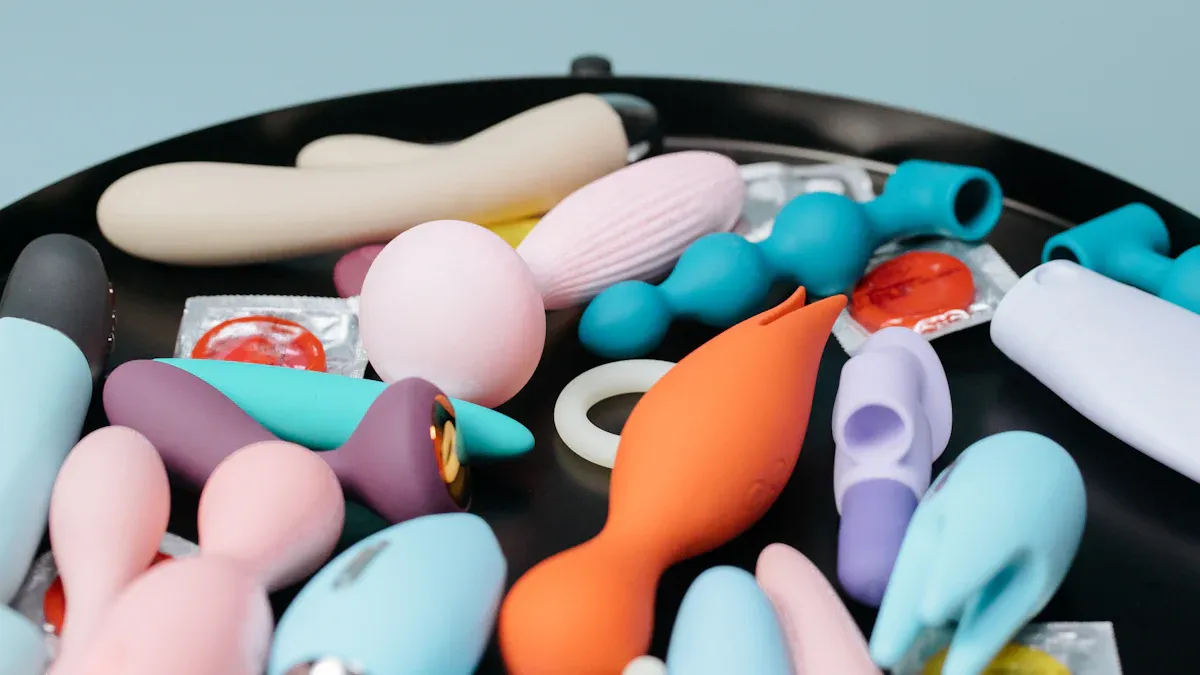
Air Drying
Proper drying is a crucial step in your sex toy care routine. Moisture left on toys can encourage bacterial or mold growth, so you need to ensure every toy is completely dry before storage. Start by patting nonporous toys with a clean, lint-free towel. Microfiber or smooth cotton towels work best because they do not leave fibers behind. For porous toys, dry them thoroughly with a towel, then leave them out for several hours to make sure no moisture remains inside. If you use motorized toys, wipe the surface with a dry cloth and pay close attention to battery compartments or charging ports. Always allow battery-operated toys to air dry with the compartments open to prevent corrosion.
Tip: Patience pays off. Never rush the drying process. Let toys air dry fully before putting them away to keep them safe and hygienic.
Storage Tips
Storing your sex toys correctly helps maintain their hygiene and extends their lifespan. You should always remove batteries before storing to protect both the batteries and the toy’s motor. Keep your toys in a cool, dry place away from direct sunlight. Use a dedicated storage bag or container to prevent toys from touching each other, which can cause material reactions or transfer bacteria.
Here are some best practices for storage:
- Remove batteries and keep compartments open.
- Store toys in breathable bags, such as drawstring pouches, to allow air circulation.
- Use soft cloths or storage bags to protect the surface and prevent dust buildup.
- Organize toys in a designated drawer or lockable box for privacy and safety.
- Clean toys immediately after use and before storage.
| Storage Practice | Description |
|---|---|
| Use storage bags or soft cloths | Helps maintain the lifespan of sex toys. |
| Store non-porous materials together | Non-porous toys like silicone, glass, and stainless steel can be stored without concern for reactions. |
| Use breathable bags | Drawstring bags allow air circulation and prevent moisture build-up. |
| Invest in lockable boxes | Provides security and privacy for your collection. |
| Designated drawers | Helps organize and protect toys from damage. |
Note: Always use gentle cleaners and avoid harsh chemicals, especially for porous materials, to prevent wear and tear.
Preventing Mold
Mold can develop quickly if you store toys in damp or poorly ventilated areas. To prevent this, keep your storage area dry and cool. Use absorbent powders, such as cornstarch, to reduce moisture for toys that can tolerate it. Ensure good ventilation in your storage space to keep air moving and discourage mold growth. Regularly inspect both your toys and their storage environment for any signs of moisture or mold. Address any issues immediately to maintain a safe and hygienic collection.
- Keep storage areas dry and cool.
- Use absorbent powders to reduce moisture.
- Ensure good ventilation in storage spaces.
- Inspect toys and storage regularly for moisture or mold.
Alert: If you ever notice mold or persistent moisture, clean the toy thoroughly and consider replacing it if the problem persists.
By following these drying and storage practices, you protect your health and keep your toys in excellent condition for years to come.
You protect your health and enhance pleasure when you Clean Sex Toys the right way. Use different cleaning methods for each material, and never submerge motorized toys in water. Regular cleaning prevents infections, supports mental well-being, and helps your toys last longer. Make cleaning a simple part of your self-care routine. When you care for your toys, you invest in your safety, confidence, and sexual wellness. 🌟
FAQ
How often should you clean your sex toys?
You should clean your sex toys after every use. If you share toys or switch between body parts, clean them before and after each use. This habit helps you prevent infections and maintain your toys’ quality.
Can you use antibacterial wipes to clean sex toys?
You can use unscented, alcohol-free wipes for a quick clean on nonporous toys. Always rinse the toy with water afterward. Avoid wipes with harsh chemicals, fragrances, or alcohol on porous or sensitive materials.
Is it safe to boil all sex toys?
You should only boil toys made from nonporous materials like silicone, glass, or stainless steel. Never boil toys with electrical components or those made from porous materials. Always check the manufacturer’s instructions before boiling.
What should you do if you do not know the toy’s material?
Wash the toy with mild soap and warm water. Avoid boiling, bleach, or alcohol unless you confirm the material is safe for those methods. When in doubt, use a condom over the toy for extra protection.
How do you clean toys with electrical parts?
Remove batteries or disconnect from power. Wipe the surface with a damp cloth and mild soap. Avoid submerging the toy or letting water enter charging ports. Let the toy air dry completely before storing.
Can you use household cleaners on sex toys?
You should not use household cleaners like bleach sprays, window cleaners, or abrasive powders. These products can damage the toy’s surface and cause irritation. Stick to mild, fragrance-free soap or specialized toy cleaners.
What if your toy develops a strong odor or stain?
Clean the toy thoroughly with soap and water. For persistent odors, soak in a water and vinegar solution. If stains or smells remain, consider replacing the toy, especially if it is made from a porous material.
Do you need to clean toys before first use?
Yes, you should always clean new toys before using them. This step removes manufacturing residues and dust, ensuring your toy is safe and hygienic from the start.