Have you ever wondered if a few minutes a day could change how your body feels and works? You can improve your pelvic floor health with simple steps. Anyone can start pelvic floor exercises without special equipment. Consistent practice often leads to real improvements. Clinical studies show benefits such as better bladder control, enhanced quality of life, and stronger muscles.
| Common Benefits of Pelvic Floor Exercises |
|---|
| Improved bladder control and daily comfort |
| Positive effects on sexual health, especially after childbirth |
| Noninvasive way to strengthen muscles |
Stay patient and keep going—your efforts make a difference.
Key Takeaways
- Pelvic floor exercises can improve bladder control and enhance quality of life.
- Kegel exercises are a simple and effective way to strengthen pelvic floor muscles.
- Regular practice of pelvic floor exercises can prevent issues like urinary incontinence.
- Use techniques like the Stop Urine Flow Test to identify your pelvic floor muscles.
- Avoid common mistakes such as holding your breath or using the wrong muscle groups during exercises.
- Track your progress to stay motivated and celebrate small achievements.
- Consistency is key; aim for at least three sets of exercises each day.
- Seek professional guidance if you struggle to locate your pelvic floor muscles or do not see results.
Pelvic Floor Basics
What Is the Pelvic Floor
You may not think about your pelvic floor muscles every day, but they play a crucial role in your body. The pelvic floor forms a supportive hammock at the base of your pelvis. This group of muscles and connective tissues holds up your bladder, bowel, and, in women, the uterus. The main structures that make up the pelvic floor include:
- Levator ani muscles (the largest component, including puborectalis, pubococcygeus, and iliococcygeus)
- Coccygeus muscle
- Fascia coverings and the tendinous arch of the levator ani
These muscles create a large sheet of skeletal muscle. Some areas are thicker than others, providing extra support where your body needs it most.
Why It Matters
Your pelvic floor does more than just support organs. It helps you control when you urinate or have a bowel movement. These muscles tighten automatically to keep you continent as your bladder fills or when gas enters your rectum. A healthy pelvic floor also supports your core and helps with sexual function by improving blood flow and enabling orgasms through rapid contractions.
If your pelvic floor weakens, you may notice problems like leaking urine when you cough or sneeze. Pregnancy and childbirth can stretch or injure these muscles, sometimes leading to pelvic organ prolapse, where organs shift out of place. Both men and women rely on their pelvic floor for daily comfort and confidence.
Tip: Regular Pelvic Floor Exercises can help you maintain strength and prevent many common issues.
Common Issues
Pelvic floor disorders affect many people, but you might not realize how common they are. In women, urinary incontinence affects about 35.3%, with the highest rates in those aged 70-74. Men also experience these issues, though less often, with a prevalence of 4.4%. Bowel problems, such as flatus incontinence, occur in 6.8% of men and 10.9% of women. Faecal incontinence affects 2.3% of men and 3.5% of women. Symptoms like hemorrhoids are also widespread.
The three main types of pelvic floor disorders include:
- Urinary incontinence or frequent urination
- Bowel problems, such as accidental leakage
- Pelvic organ prolapse
Consider the story of Maria, a mother of two. After her second child, she noticed urine leakage when laughing or jogging. She felt embarrassed and avoided exercise. With guidance from her healthcare provider, Maria started Pelvic Floor Exercises. Over several months, her symptoms improved, and she regained her confidence.
Many people believe only women or older adults have pelvic floor problems. In reality, men also have these muscles and can face similar challenges. Pelvic floor health matters for everyone, regardless of age or gender.
Find Your Pelvic Floor
Learning to identify your pelvic floor muscles is the first step toward effective Pelvic Floor Exercises. Many people struggle to locate these muscles at first, but you can use simple techniques to build awareness and control.
Identifying the Muscles
Stop Urine Flow Test
One of the most common ways to find your pelvic floor muscles is the Stop Urine Flow Test. When you use the bathroom, try to stop the flow of urine midstream. The muscles you use to do this are your pelvic floor muscles. You should feel a gentle tightening in your lower pelvis. Only use this test occasionally to identify the muscles, not as a regular exercise, because stopping urine flow too often can cause problems with bladder function.
Tip: If you feel your thighs or buttocks tighten, you may not be isolating the correct muscles. Focus on the sensation deep inside your pelvis.
Marble Visualization
Another helpful method is the Marble Visualization. Imagine you are sitting on a marble. Try to lift the marble upward using only the muscles inside your pelvis. You should feel a gentle squeeze and lift, not a push or strain. This mental image helps you engage the right muscles without tensing your abdomen or legs.
Scenario: Picture yourself sitting quietly in a chair. Take a slow breath in. As you exhale, imagine picking up a small marble with your pelvic muscles and lifting it gently. Hold for a few seconds, then release.
Physical therapists often use several techniques to help you identify and strengthen these muscles:
- Internal exams to check muscle strength and coordination.
- Pelvic girdle assessments to evaluate muscle health.
- Electromyography testing to detect nerve or muscle issues.
- Biofeedback with sensors to show muscle activity.
- Muscle isolation to avoid using other muscles.
- Discrimination training to improve awareness of tension and relaxation.
Common Mistakes
Many people make mistakes when trying to locate or exercise their pelvic floor muscles. Recognizing these errors can help you avoid frustration and get better results.
- Holding your breath during exercises increases pressure in your abdomen and can strain your pelvic floor.
- Overdoing Kegel exercises may lead to muscle fatigue or overactivity, causing discomfort.
- Forgetting to engage supporting muscles reduces overall pelvic stability.
- Multitasking while exercising often leads to poor form and less effective muscle engagement.
- Skipping a professional evaluation means you might miss important information about your muscle condition.
Other habits can also affect your progress:
- Poor posture and alignment, especially when using devices.
- Sitting for long periods without movement.
- Wearing tight clothing that restricts muscle movement.
Note: If you have trouble finding your pelvic floor muscles, consider asking a healthcare provider for guidance. They can use tools like biofeedback or electrical stimulation to help you learn proper muscle control.
By understanding these techniques and avoiding common mistakes, you set a strong foundation for successful Pelvic Floor Exercises.
Pelvic Floor Exercises Guide
Kegel Exercises
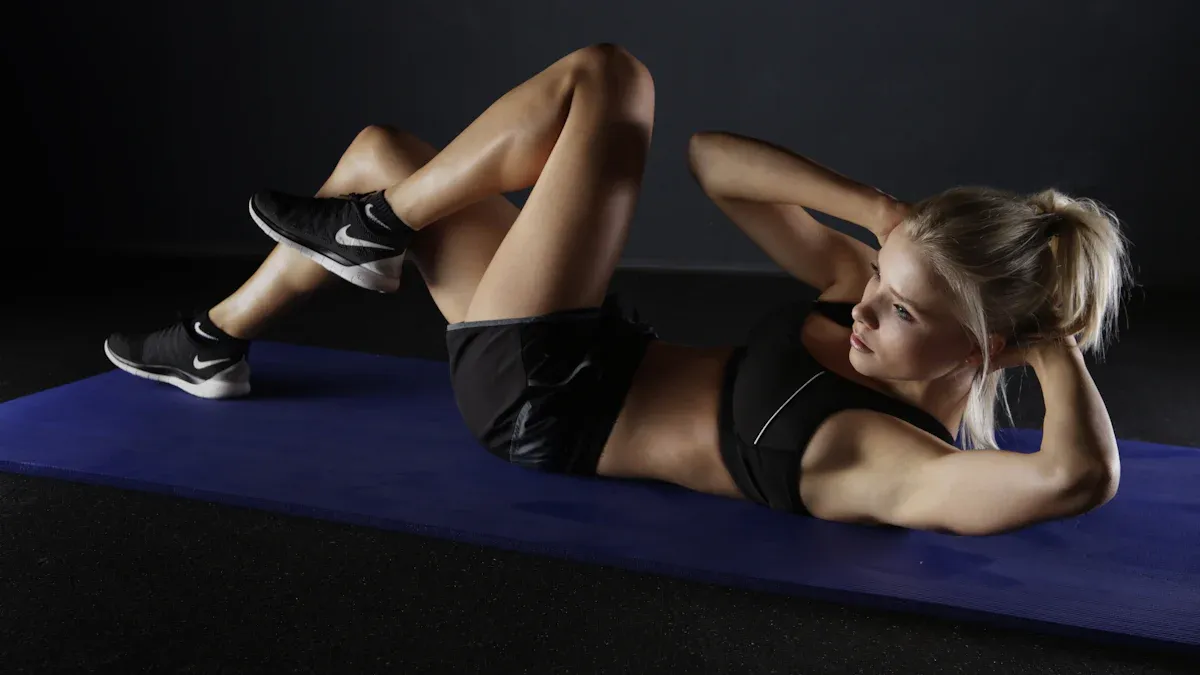
Kegel exercises form the foundation of most Pelvic Floor Exercises. You can perform them almost anywhere, and they do not require special equipment. These exercises help you strengthen the muscles that support your bladder, bowel, and reproductive organs.
How to Do Kegels
Follow these steps to perform Kegel exercises correctly:
- Locate your pelvic floor muscles:
- For women, imagine you are trying to avoid passing gas or tightening your vagina around a tampon.
- For men, pretend you are trying to avoid passing gas or stop your urine stream mid-flow.
- Empty your bladder:
- Always start with an empty bladder to prevent discomfort.
- Get into position:
- Begin by lying on your back. As you gain confidence, try sitting or standing.
- Contract your pelvic floor muscles:
- Tighten the muscles and hold for 3 to 5 seconds.
- Focus on lifting and squeezing, not pushing down.
- Relax:
- Release the contraction for 3 to 5 seconds.
- Let the muscles fully relax before the next repetition.
- Repeat:
- Complete 10 repetitions per set.
- Aim for three sets per day, spread throughout the day.
- Progress:
- Gradually increase the hold and relaxation time to 10 seconds each as your strength improves.
Tip: Make sure you do not tighten your stomach, thigh, buttock, or chest muscles during the exercise. Only your pelvic floor should work.
Technique Tips
Proper technique is essential for effective Pelvic Floor Exercises. Here are some tips to help you get the most benefit:
- Breathe naturally:
Avoid holding your breath. Inhale as you prepare, then exhale gently as you contract your pelvic floor. Mindful breathing helps you manage intra-abdominal pressure and supports muscle engagement. - Check your form:
Place a hand on your abdomen or inner thigh to ensure these muscles stay relaxed. - Start slow:
Begin with shorter holds and fewer repetitions if you feel fatigue or discomfort. - Stay consistent:
Set reminders on your phone or use a habit tracker to help you remember your exercises. - Track your progress:
Keep a simple log of your daily sets and repetitions. This helps you see improvement over time.
Note: Studies show that Kegel exercises can reduce urinary incontinence symptoms and improve pelvic floor muscle strength. Success rates range from 27% to 75% when performed correctly and consistently.
| Kegel Exercise Quick Facts | Details |
|---|---|
| Recommended Holds | 3-5 seconds (build up to 10) |
| Repetitions per Set | 10 |
| Sets per Day | 3 |
| Common Mistake | Using thigh or buttock muscles |
| Success Rate | 27%–75% (with proper technique) |
For more guidance on technique and troubleshooting, you can visit kissself.com’s pelvic health resources.
Quick Contractions
Quick contractions, sometimes called “fast flicks,” train your pelvic floor muscles to react rapidly. This skill helps prevent leaks when you cough, sneeze, or lift something heavy.
To perform quick contractions:
- Sit or stand comfortably with your back straight.
- Quickly tighten your pelvic floor muscles as hard as you can.
- Hold for just 1 second, then release completely.
- Rest for a few seconds between each contraction.
- Repeat 10 to 20 times in a row.
You can add quick contractions to your daily Pelvic Floor Exercises routine. These exercises teach your muscles to respond quickly in real-life situations.
Scenario: Imagine you are about to sneeze in public. Practicing quick contractions helps your pelvic floor react instantly, reducing the risk of accidental leaks.
Slow Holds
Slow holds build endurance in your pelvic floor muscles. Endurance is important for supporting your organs throughout the day and maintaining bladder control.
To perform slow holds:
- Find a comfortable position—lying down, sitting, or standing.
- Gently contract your pelvic floor muscles and hold the squeeze for 5 to 10 seconds.
- Focus on steady, even breathing. Inhale as you prepare, exhale as you contract.
- Release and relax the muscles for the same amount of time.
- Repeat 10 times per session.
Tip: Slow, deep breathing during slow holds relaxes your pelvic floor and eases tension. Proper coordination between breath and muscle engagement improves results.
| Exercise Type | Hold Time | Repetitions | Purpose |
|---|---|---|---|
| Quick Contractions | 1 second | 10–20 | Fast response, leak prevention |
| Slow Holds | 5–10 sec | 10 | Endurance, daily support |
If you want more practical tips and community support, check out @kissself_official on Instagram.
Additional Insights
- Kegel exercises are a first-line treatment for stress urinary incontinence.
- The effectiveness of these exercises depends on correct technique and regular practice.
- Mindful breathing and muscle awareness can help you manage pelvic floor dysfunctions and improve comfort.
By practicing these Pelvic Floor Exercises, you can build strength, improve bladder control, and support your overall well-being.
Exercise Positions
You can perform Pelvic Floor Exercises in different positions. The position you choose can affect how well you engage your muscles and how comfortable you feel. Starting in the right position helps you build confidence and strength.
Lying Down
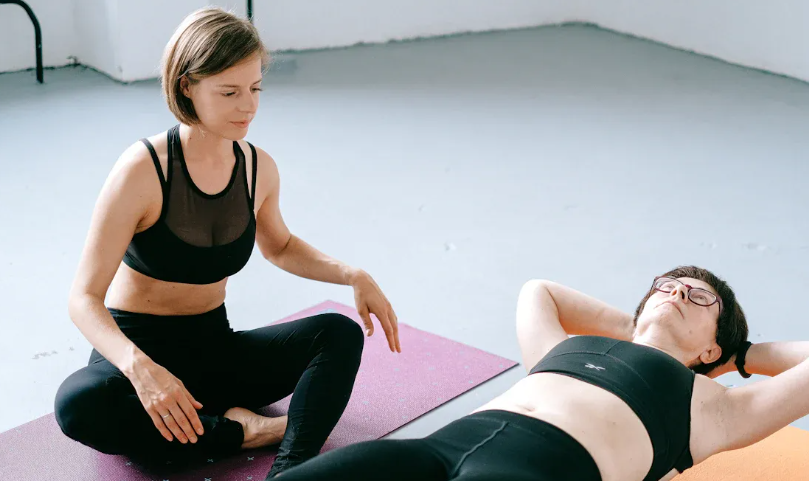
Lying down is the best starting point if you are new to Pelvic Floor Exercises or recovering from surgery or pelvic pain. Gravity does not pull on your pelvic organs as much in this position, so your muscles work with less resistance. This makes it easier to focus on muscle engagement and proper technique.
How to do it:
- Lie on your back with your knees bent and feet flat on the floor.
- Place your arms at your sides or rest your hands on your stomach.
- Take a deep breath in. As you exhale, gently contract your pelvic floor muscles.
- Hold the contraction for the recommended time, then relax.
- Repeat for the number of repetitions in your routine.
Tip: If you find it hard to feel the muscles working, try placing a pillow under your knees for extra comfort.
Advantages:
- Good for beginners and those recovering from surgery or pelvic pain.
- Easier to isolate the pelvic floor muscles without using other muscles.
Disadvantages:
- Less effective for building strength compared to upright positions.
Sitting
Once you feel comfortable lying down, you can progress to sitting. Sitting helps you practice engaging your pelvic floor muscles with a bit more resistance from gravity. Your posture matters a lot in this position.
How to do it:
- Sit tall on a chair with your feet flat on the floor and your back straight.
- Relax your shoulders and keep your hips level.
- Inhale deeply. As you exhale, contract your pelvic floor muscles.
- Hold, then relax for the recommended time.
- Repeat as needed.
Note: Sitting tall increases pelvic floor muscle activity. Avoid slumping, as this reduces the effectiveness of the exercise.
Advantages:
- Effective if you maintain good posture.
- Helps you practice muscle engagement in a position you use often during the day.
Disadvantages:
- Slumped posture can reduce muscle activity.
- May be harder to isolate the muscles if you are not sitting correctly.
Standing
Standing is the most advanced position for Pelvic Floor Exercises. In this position, gravity works against your pelvic floor, so your muscles must work harder. This helps you build more strength and prepares your muscles for real-life activities like lifting, walking, or sneezing.
How to do it:
- Stand with your feet hip-width apart and your weight evenly balanced.
- Keep your knees slightly bent and your back straight.
- Take a breath in. As you breathe out, contract your pelvic floor muscles.
- Hold, then relax for the recommended time.
- Repeat for your set.
Tip: If you feel unsteady, stand near a wall or sturdy chair for support.
Advantages:
- Engages muscles more effectively against gravity.
- Best for building strength and preparing for daily activities.
Disadvantages:
- May be challenging for beginners.
- Requires good technique to avoid using other muscles.
| Position | Advantages | Disadvantages |
|---|---|---|
| Lying Down | Good for beginners and those recovering from surgery or pelvic pain. | Less effective for building strength compared to upright positions. |
| Sitting | Effective with correct posture; helps engage pelvic floor. | Slumped posture can reduce muscle activity. |
| Standing | Engages muscles more effectively against gravity, enhancing strength. | May be challenging for beginners without proper technique. |
- Sitting tall enhances pelvic floor muscle activity.
- Lifting pelvic floor muscles while standing is more effective than lying down.
- Co-contraction of your transverse abdominals and pelvic floor muscles is important for bladder control.
You can start Pelvic Floor Exercises lying down, then move to sitting, and finally progress to standing as your strength improves. Practicing in all three positions helps you use your pelvic floor muscles in different situations throughout your day.
Exercise Routine
Frequency
You should practice pelvic floor exercises regularly to see results. Most experts recommend performing these exercises at least three times per day. You can spread the sessions throughout your day—morning, afternoon, and evening. This routine helps your muscles adapt and grow stronger over time.
- Start with one set of 10 repetitions for each exercise type (Kegels, quick contractions, slow holds).
- Gradually increase the number of sets as your strength improves.
- Consistency is more important than intensity. Short, frequent sessions work better than long, infrequent ones.
Tip: Link your exercise sessions to daily habits, such as brushing your teeth or making coffee. This strategy helps you remember to practice.
Duration
Each session should last about 5 to 10 minutes. You do not need to spend a long time on these exercises. Focus on quality rather than quantity. Hold each contraction for 3 to 10 seconds, depending on your comfort and ability. Rest for the same amount of time between contractions.
| Exercise Type | Hold Time | Repetitions | Sets per Day |
|---|---|---|---|
| Kegels | 3–10 seconds | 10 | 3 |
| Quick Contractions | 1 second | 10–20 | 3 |
| Slow Holds | 5–10 seconds | 10 | 3 |
You can adjust the duration as you progress. If you feel muscle fatigue or discomfort, reduce the number of repetitions or sets. Always listen to your body.
Tracking Progress
Tracking your progress keeps you motivated and helps you see improvements. You can use several methods to monitor your routine:
- Keep a simple exercise log or journal. Write down the number of sets and repetitions you complete each day.
- Use a calendar or habit tracker app to mark your completed sessions.
- Pay attention to changes in symptoms, such as fewer leaks or better bladder control.
- Ask for feedback from a healthcare provider during check-ups.
- Try biofeedback devices if you want visual or auditory cues about your muscle engagement.
- Practice in front of a mirror to check your posture and technique.
- Celebrate small milestones, like increasing your hold time or completing all sets for a week.
Note: Motivation and a supportive environment help you stick with your routine. Share your goals with a friend or family member if you want extra encouragement.
You should start with basic contractions and gradually increase the difficulty as your strength improves. Focus on proper technique and normal breathing during each exercise. These habits will help you achieve the best results from your pelvic floor training.
Troubleshooting
Difficulty Finding Muscles
You may struggle to locate your pelvic floor muscles at first. This is common, especially if you have never focused on these muscles before. Try not to get discouraged. Use the techniques described earlier, such as the stop urine flow test or marble visualization, to build awareness. If you still feel unsure, professional guidance can make a big difference.
- Consult a healthcare provider for personalized instruction on pelvic floor exercises.
- Seek professional help to measure your pelvic floor strength and establish a baseline.
- Ask for an assessment to ensure you contract the correct muscles and avoid using your thighs or buttocks.
Tip: A physical therapist can use tools like biofeedback to help you see and feel when you engage the right muscles.
Not Seeing Results
You might feel frustrated if you do not notice improvements right away. Several factors can slow your progress:
- Many people perform pelvic floor exercises incorrectly, often using the wrong muscle groups.
- The intensity of your contractions may not be strong enough to build muscle.
- Inconsistent practice can limit your results.
- Emotional barriers or lack of feedback may cause you to lose motivation.
Check your technique regularly. Make sure you isolate your pelvic floor muscles and avoid holding your breath. Increase the intensity of your contractions as your strength improves. Track your sessions to stay consistent. If you continue to struggle, reach out to a healthcare provider for a personalized plan.
Note: Incorrect technique or over-exercising can cause muscle tension, pain, or even dysfunction. Always focus on quality over quantity.
| Risk Type | Description |
|---|---|
| Over-exercising | Can lead to muscle tension, pain, and dysfunction. |
| Incorrect technique | Engaging other muscle groups reduces effectiveness and causes imbalances. |
| Overactivation or muscle fatigue | May result in chronic pelvic pain and dysfunction. |
Staying Motivated
Maintaining a regular exercise routine can be challenging. Motivation often drops if you do not see quick results. Use practical strategies to keep yourself on track:
| Strategy | Description |
|---|---|
| Set Your Exercise Goals | Write down your goals and place them where you see them daily. |
| Choose a Workout You Enjoy | Vary your exercises to keep things interesting and enjoyable. |
| Exercise With a Friend/Group | Working out with others can boost motivation and accountability. |
| Track Your Progress | Use a journal or app to monitor your progress and celebrate small wins. |
| Reward Yourself | Be kind to yourself if you miss a session; focus on getting back on track next time. |
Callout: Set clear, realistic goals and create a routine that fits your lifestyle. Share your journey with friends or join a support group for extra encouragement.
You can succeed with pelvic floor exercises by troubleshooting common problems, focusing on proper technique, and staying motivated. Remember, progress may take time, but your efforts will pay off.
Results and Expectations
Short-Term Changes
When you begin pelvic floor exercises, you may notice improvements within a few weeks. Many people experience relief from symptoms such as pelvic pain, urinary urgency, or constipation. These early changes happen because regular exercise helps relax tight pelvic floor muscles and improves blood flow. You might feel less pressure in your lower abdomen and gain better control over your bladder. Consistency is key—your results depend on how often and how well you practice.
Tip: Track your symptoms in a journal. Noting small improvements, like fewer urgent bathroom trips or less discomfort, can help you stay motivated.
Long-Term Benefits
Sticking with your pelvic floor routine brings lasting rewards. Over time, you can expect stronger muscles, better bladder and bowel control, and improved quality of life. Research shows that women who continue pelvic floor exercises after childbirth are more likely to stay continent a year later. Regular practice also lowers your risk of developing urinary incontinence as you age. Even mild activities, such as walking, support pelvic health and help prevent bothersome symptoms.
You may face life changes, such as surgery or hormonal shifts, that affect your pelvic floor. Keeping up with your exercises during these times helps preserve muscle support and function. Long-term benefits include:
- Reduced risk of urinary and fecal incontinence
- Less pelvic pain and pressure
- Greater confidence in daily activities
- Enhanced sexual health
For more information on pelvic floor health and exercise benefits, you can visit the National Institutes of Health.
When to Seek Help
Most people see positive changes with regular pelvic floor exercises. However, some symptoms signal the need for professional support. If you notice any of the following, reach out to a healthcare provider:
| Symptom | Description |
|---|---|
| Urinary or fecal incontinence | Leakage of urine or stool during activities like exercising, sneezing, or laughing |
| Frequent urination | Uncontrollable urge to urinate often, with little output |
| Difficulty emptying bladder | Prolonged sitting or straining during urination or bowel movements |
| Pelvic pain or pressure | Chronic pain or heaviness in the lower abdomen, back, or rectum |
| Painful intercourse | Discomfort during or after sexual activity |
| Pelvic organ prolapse | Sensation of organs dropping into the vaginal area |
| Chronic constipation | Persistent constipation with straining |
Note: Early care can prevent symptoms from worsening. A specialist can assess your pelvic floor and recommend personalized treatment.
You can expect real progress with patience and practice. If you have concerns or your symptoms persist, do not hesitate to seek expert advice.
Tips for Success
Setting Goals
Setting clear goals helps you stay focused and motivated during your pelvic floor exercise journey. Start by identifying what you want to achieve. You might aim to reduce leaks, improve bladder control, or simply build strength. Write down your goals and keep them somewhere visible, such as on your bathroom mirror or in your journal.
Break your main goal into smaller, manageable steps. For example, you can set a target to complete three sets of exercises each day for a week. Once you reach that milestone, increase your hold time or add more repetitions. Tracking your progress toward these mini-goals gives you a sense of accomplishment and keeps you moving forward.
Tip: Use a table to organize your weekly goals and check off each day you complete your exercises.
| Week | Goal | Completed? |
|---|---|---|
| 1 | 3 sets/day, 5-second holds | [ ] |
| 2 | 3 sets/day, 7-second holds | [ ] |
| 3 | 3 sets/day, 10-second holds | [ ] |
Reminders
Consistency is key to seeing results from pelvic floor exercises. Many people forget to practice, especially when starting out. You can use several strategies to help you remember:
- Schedule reminders in your phone’s calendar or diary.
- Use apps with built-in reminder features.
- Integrate your exercises into daily routines, such as after brushing your teeth or before bed.
- Place sticky notes in visible spots, like your bathroom or workspace.
These reminders help you build a habit. When you connect your exercises to something you already do, you are less likely to skip a session. Over time, these cues become part of your routine, making it easier to stay on track.
Callout: Small reminders can make a big difference in building consistency and turning pelvic floor exercises into a daily habit.
Celebrating Progress
Recognizing your achievements, no matter how small, boosts your confidence and keeps you motivated. When you notice improvements—such as fewer leaks or longer hold times—take a moment to celebrate. You might reward yourself with a favorite activity, share your success with a friend, or simply acknowledge your hard work.
Celebrating progress helps you see that your efforts are paying off. This positive reinforcement increases your commitment to your exercise routine and encourages you to keep going. Sharing your story with others can also inspire them and reduce any fears about pelvic floor training. Feeling proud of your progress supports long-term success and helps you maintain motivation.
- Recognize small achievements to boost confidence.
- Acknowledge your efforts to enhance commitment.
- Share your progress to inspire others and foster a sense of self-worth.
Tip: Keep a journal of your milestones. Looking back at your progress can lift your spirits and remind you how far you have come. 🎉
You can improve your pelvic floor strength by practicing Kegel exercises, squats, and bridge poses. Try yoga or Pilates to connect your mind and body while targeting these muscles. Use biofeedback for extra guidance if needed. Stay patient and consistent with your routine. Listen to your body and seek help if you notice pain or no progress. Remember, every step you take supports your health and confidence. 🌟
FAQ
How long does it take to see results from pelvic floor exercises?
You may notice small improvements within a few weeks. Most people see significant changes after three months of consistent practice. Track your progress to stay motivated.
Can men benefit from pelvic floor exercises?
Yes, men can strengthen their pelvic floor muscles. These exercises help with bladder control, sexual health, and recovery after prostate surgery. You can start at any age.
Should I do pelvic floor exercises every day?
Daily practice gives the best results. Aim for three sets of exercises each day. Consistency helps your muscles grow stronger and supports long-term health.
Can I overdo pelvic floor exercises?
Yes, overdoing these exercises may cause muscle fatigue or discomfort. Focus on quality, not quantity. If you feel pain or tension, reduce your repetitions and rest.
Do I need special equipment for pelvic floor exercises?
You do not need any equipment. You can perform these exercises lying down, sitting, or standing. Some people use biofeedback devices for extra guidance, but they are not required.
What if I cannot feel my pelvic floor muscles working?
Try using the stop urine flow test or marble visualization. If you still struggle, ask a healthcare provider for help. Physical therapists can teach you how to engage the right muscles.
Are pelvic floor exercises safe during pregnancy?
Pelvic floor exercises are safe for most pregnant people. They help prepare your body for childbirth and recovery. Always check with your healthcare provider before starting a new exercise routine.
Can pelvic floor exercises help with back pain?
A strong pelvic floor supports your core and may reduce lower back pain. Combine these exercises with good posture and core strengthening for the best results.