I locate the clitoris at the top of the vulva, where the inner labia meet, just beneath the clitoral hood. Most people find it easiest to identify by gently parting the labia and spotting a small, sensitive bump. Based on anatomical studies, only 61% of people can correctly pinpoint the clitoris.
| Group Age Range | Percentage of Correct Identification |
|---|---|
| 18 to 24 | 41% |
| 55 to 64 | 70% |
| Overall | 61% |
Every vulva looks different, so I remind you that it is normal to have questions. Understanding clitoral anatomy helps me guide partners and myself toward greater female pleasure. For example, I once used a mirror to explore and noticed how sensation changed with gentle touch, which helped me communicate what felt best.
Key Takeaways
- Locate the clitoris at the top of the vulva, where the inner labia meet. Use a mirror for better visibility.
- Understand that every vulva is unique. Variations in anatomy affect how the clitoris is accessed and stimulated.
- Communicate openly with partners about preferences. This builds trust and enhances sexual experiences.
- Experiment with different types of touch. Vary pressure and speed to discover what feels best for you or your partner.
- Use lubrication to enhance comfort during stimulation. It reduces friction and increases pleasure.
- Practice self-exploration to build confidence. Understanding your own body leads to better communication and satisfaction.
- Check in regularly with your partner during intimacy. Asking for feedback ensures comfort and enhances enjoyment.
- Embrace curiosity and let go of shame. Exploring your body can lead to improved mood and self-esteem.
Clitoris Location Guide
External Anatomy Landmarks
Clitoral Hood and Glans
When I help someone locate the clitoris, I start by identifying the most reliable external landmarks. I use gentle touch and visual inspection to find the clitoral hood and glans. The clitoral hood appears as a small fold of skin at the top of the vulva. It protects the glans, which is the visible, highly sensitive part of the clitoris. I often recommend using a mirror for a clear view. I part the inner labia and look for a small bump just beneath the hood. This area responds to light touch, so I use my fingertip to confirm sensitivity.
| Landmark | Description |
|---|---|
| Glans Clitoris | Located at the junction of the labia minora, just above the vaginal opening. |
| Clitoral Hood | Protects the glans and is an important landmark for identification. |
I remember guiding a partner who felt unsure about their anatomy. We used a mirror together and found the glans by gently moving the hood aside. This hands-on approach helped us both understand the structure and increased comfort during exploration.
Where the Inner Labia Meet
I always check where the inner labia meet at the top of the vulva. The clitoris sits here, just above the urethra. I use my finger to trace upwards from the vaginal opening, following the inner lips until I reach the junction. The glans usually feels like a small, round bead. Sometimes, the clitoral hood covers most of the glans, so I adjust my angle or gently move the hood to improve visibility. This method works well for self-exploration and partner guidance.
Internal Structure Overview
Clitoral Shaft and Wishbone Shape
I learned that the clitoris extends far beyond what is visible. Anatomical research shows the internal structure resembles a wishbone. The shaft projects into the mons pubis, and two crura (legs) flank the urethra and vagina. These components contain erectile tissue that swells during arousal, increasing sensation and pleasure. I explain to partners that stimulation of the vulva and vagina often activates these internal parts, not just the glans.
| Feature | Description |
|---|---|
| Width | Approximately 1 cm |
| Length | Average 1.5-2.0 cm |
| Total Size | Averages 9-11 cm, mostly internal |
| Structure | Composed of two crura, glans, and bulbs |
| Sensory Nerve Endings | Over 8,000 sensory nerve endings |
I once used gentle pressure along the outer labia and noticed increased sensitivity, which I later learned was due to the internal wishbone structure. This knowledge helped me adjust my technique for more effective stimulation.
Variations in Anatomy
I recognize that every vulva looks different. The size and shape of the clitoral hood, labia minora, and overall vulva can vary widely. These differences affect how much of the clitoris is visible and how easily I can access it. Some people have a prominent glans, while others have a hood that covers most of it. I always ask for feedback and adjust my approach based on comfort and sensitivity.
- The clitoris sits at the top of the vulva, where the labia minora meet.
- The clitoral hood varies in size and shape, affecting visibility.
- The hood protects the glans and influences accessibility during touch.
- Vulva shape and labia size differ among individuals, impacting sexual experiences.
By understanding these variations, I tailor my exploration and communication to each person’s unique anatomy. This approach ensures comfort and maximizes pleasure during sexual activity.
What Is the Clitoris?
Simple Anatomy Explained
I describe the clitoris as a complex organ dedicated to sexual sensation. When I first learned about its structure, I realized that most people only see the tip, called the glans, which sits just below the mons pubis and above the labia minora. The clitoris actually extends deep inside the body, wrapping around the urethra and vagina. I use the following table to help partners visualize its main parts:
| Component | Location & Function |
|---|---|
| Glans Clitoris | Visible tip, highly sensitive, responds to touch |
| Clitoral Hood | Covers and protects the glans |
| Two Crura | Extend downward, anchor the clitoris inside the vulva |
| Bulbs of Vestibule | Flank the vaginal opening, swell during arousal |
During self-exploration, I use gentle touch to locate the glans and notice how sensation increases when I stimulate the area around the hood. I explain to partners that the clitoris is much larger than it appears, and that its internal structure plays a major role in sexual response. This knowledge helps me guide others in finding and stimulating the clitoris for maximum effect.
The clitoris contains between 9,852 and 11,086 nerve fibers, making it the most sensitive erogenous zone in the body. For comparison, the glans penis has about 4,000 nerve endings. When I share this fact, it often surprises people and encourages them to approach clitoral stimulation with care and respect.
Why It Matters for Female Pleasure
I emphasize the importance of the clitoris for female pleasure and sexual satisfaction. Scientific studies show that the clitoris is essential for orgasm. The first comprehensive anatomical study revealed that the organ extends beneath the pubic bone and wraps around the vaginal opening. I use this information to explain why direct and indirect stimulation can lead to intense sensations.
Recent research suggests that clitoral orgasms activate brain regions responsible for physiological changes in the vaginal tract, such as increased lubrication and oxygen levels. I notice these changes during arousal, which makes sexual experiences more comfortable and enjoyable. When I guide a partner, I focus on clitoral stimulation to ensure that female pleasure remains the priority.
Tip: I always encourage open communication about what feels good. Asking for feedback during touch helps me adjust my technique and ensures comfort.
I remind readers that every vulva is unique. Some people prefer gentle touch on the glans, while others enjoy stimulation around the hood or inner labia. By understanding the clitoris’s anatomy and its role in pleasure, I help partners and myself achieve greater sexual satisfaction.
How to Find the Clit
Self-Exploration Steps
Using a Mirror or Touch
I always recommend starting with a mirror and gentle touch when learning to locate the clitoris. I sit comfortably, hold a hand mirror, and use my fingers to part the labia minora. This position gives me a clear view of the vulva and helps me identify the clitoral hood and glans. Sometimes, the clitoris hides beneath the hood, so I gently lift the skin at the top of the vulva. I notice that tactile exploration becomes easier when I am relaxed or aroused, as the clitoris may swell and become more prominent.
Research shows that personal exploration is essential because every person’s anatomy is unique. I have found that using both visual and tactile methods increases my confidence and accuracy in finding the clitoris. For example, I once struggled to locate the glans until I tried using a mirror and adjusted my angle. This approach helped me understand my own anatomy and made future exploration more comfortable.
- Using a hand mirror can help visualize the clitoris, which may be obscured by the clitoral hood.
- Gently lifting the skin at the top of the vulva can aid in locating the clitoris.
- Tactile stimulation can enhance the ability to find the clitoris, especially when it becomes more prominent during arousal.
Recognizing Sensations
I pay close attention to the sensations I feel during self-exploration. The clitoral glans responds to light touch, pressure, and changes in temperature. I experiment with different types of touch, such as circling, tapping, or pressing gently. Sometimes, direct stimulation feels too intense, so I explore the area around the glans or stimulate through the hood for a softer sensation.
Understanding the anatomy of the vagina, including the clitoral glans and hood, is crucial for effective self-exploration. Techniques include experimenting with pressure and pacing, as direct stimulation may not always be ideal. Indirect stimulation around the glans can also be beneficial.
I remember the first time I tried indirect stimulation. I used slow, circular motions around the hood instead of touching the glans directly. This method felt more comfortable and allowed me to enjoy the experience without overwhelming sensitivity. I encourage others to notice what feels pleasurable and to adjust their technique based on their body’s feedback.
Partner Exploration Tips
Communication and Comfort
When I explore with a partner, I prioritize open communication and comfort. Before starting, I ask for consent and discuss preferences in a relaxed, non-judgmental way. I explain that every vulva is different, so I encourage my partner to share what feels good and what does not. This conversation sets a positive tone and helps both of us feel at ease.
- Partners who communicate openly about sexual positions and focus on female pleasure tend to have higher instances of clitoral stimulation.
- High-orgasm partners are more likely to engage in behaviors that enhance female pleasure, such as using sex toys and performing oral sex.
- Women feel more comfortable stimulating their own clitoris when they are with partners who prioritize communication and their sexual pleasure.
In my experience, discussing boundaries and desires leads to better sexual experiences. For example, I once guided a partner by describing the type of touch I preferred. This honest exchange improved our connection and increased my enjoyment.
Asking for Feedback
I use a step-by-step approach when exploring a partner’s anatomy. I always start by asking for directions and feedback. This process ensures that my partner feels respected and involved.
- Ask for directions: I begin by seeking consent and inquiring about preferences in a subtle, caring way.
- Get a good look: I position myself to visually locate the clitoris, noting its position relative to the vagina.
- Use my finger: I gently feel for the clitoris with my fingers, as touch often provides more information than sight alone.
I check in regularly, asking questions like, “Does this feel good?” or “Would you like me to try something different?” This ongoing feedback helps me adjust my technique and ensures that my partner remains comfortable. I have found that this method not only increases trust but also leads to more satisfying experiences for both of us.
| Step | Action |
|---|---|
| Ask for directions | Seek consent and preferences before starting |
| Get a good look | Visually locate the clitoris and note its position |
| Use your finger | Gently explore with fingers, adjusting based on partner’s feedback |
By combining communication, visual cues, and gentle touch, I create a supportive environment that prioritizes female pleasure. This approach allows both partners to learn and grow together, making each experience unique and enjoyable.
Clitoral Stimulation for Female Pleasure
Gentle Touch Techniques
Fingers, Tongue, and Toys
I use several methods to stimulate the clitoris, each offering unique sensations and benefits. When I use my fingers, I gain precise control over pressure and movement. I often start with gentle strokes, then experiment with circular motions or light tapping. This approach allows me to adjust instantly based on feedback or personal comfort. For example, I once discovered that slow, rhythmic circles with my fingertip produced a stronger response than direct pressure.
Oral stimulation creates a more intimate experience. I use my tongue to vary speed and pattern, sometimes alternating between soft licks and firmer pressure. I pay close attention to my partner’s reactions, adjusting my technique to maximize comfort and pleasure. In one case, I found that alternating between gentle suction and flicking the tip of the tongue led to a more intense sensation.
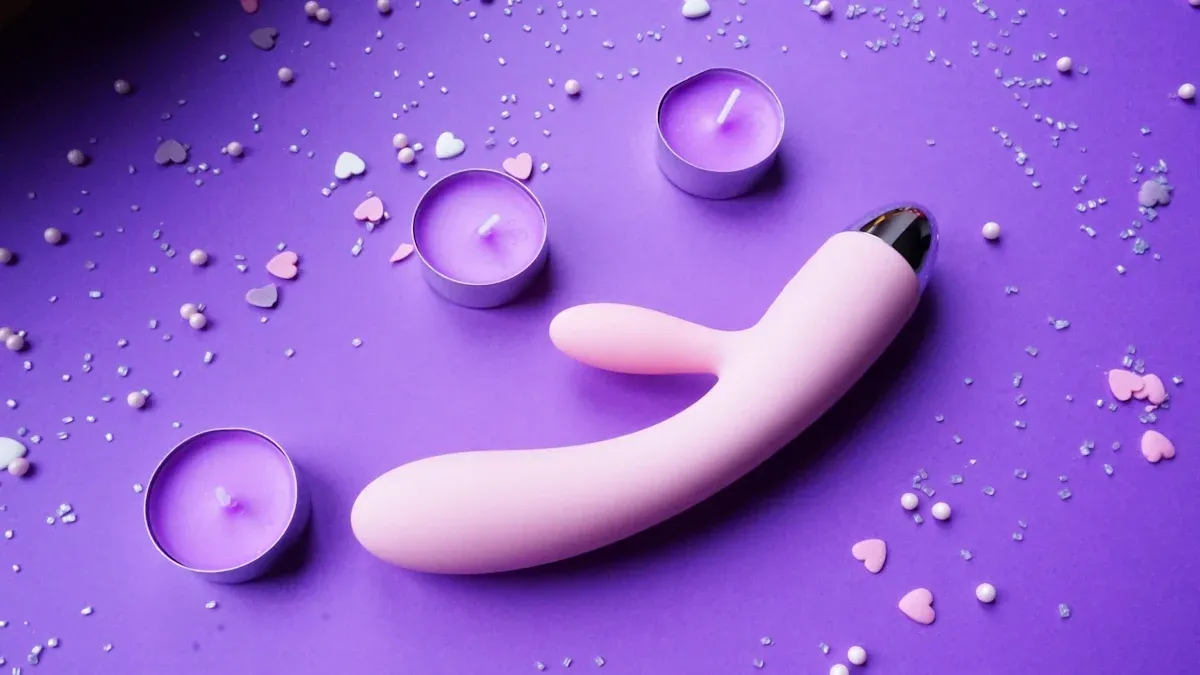
Sex toys, such as vibrators, introduce new possibilities. I select devices with adjustable speeds and patterns, allowing me to explore different sensations. I often start with the lowest setting, then gradually increase intensity. This method helps me identify what feels best without overwhelming sensitivity. I remember using a small vibrator with a partner, and we discovered that pulsing patterns provided a deeper, more satisfying experience than constant vibration.
- Manual stimulation offers precise control and customization.
- Oral techniques enhance intimacy and allow for real-time feedback.
- Vibrators and toys provide adjustable speeds and patterns for varied sensations.
| Stimulation Method | Control Level | Sensation Variety | Feedback Opportunity |
|---|---|---|---|
| Fingers | High | Moderate | Immediate |
| Tongue | Moderate | High | Real-time |
| Toys/Vibrators | Adjustable | Extensive | Indirect |
Varying Pressure and Speed
I always experiment with pressure and speed to find the most pleasurable combination. Light touch often works best for initial stimulation, especially if the clitoris feels sensitive. I gradually increase pressure, watching for signs of comfort or discomfort. For example, I once started with feather-light strokes, then slowly pressed firmer as my partner relaxed. This progression helped build arousal without causing discomfort.
Speed also plays a crucial role. I alternate between slow, deliberate movements and faster, rhythmic patterns. I notice that some people prefer a steady pace, while others enjoy unpredictable changes. I ask for feedback regularly, adjusting my technique to match my partner’s preferences. In one instance, switching from slow circles to quick taps created a wave of sensation that led to orgasm.
Tip: I always check in with my partner about pressure and speed. Open communication ensures that stimulation remains comfortable and enjoyable.
Exploring Sensations
Lubrication and Wetness
Lubrication enhances comfort and sensation during clitoral stimulation. I use water-based, pH-balanced lubricants to reduce friction and allow for smoother movements. This approach increases arousal and makes touch feel more pleasurable. I recall a time when using lubricant transformed a previously uncomfortable experience into one that felt effortless and satisfying.
- Lubrication enhances arousal and sensation.
- It decreases resistance, allowing for smoother and more pleasurable movements.
- Individuals using lubricant report higher levels of sexual satisfaction, arousal, and orgasm quality.
- Reduced discomfort from lubrication makes it easier to achieve orgasm.
I sometimes choose lubricants infused with calming ingredients, which help relax the body and increase sensitivity. I avoid products that cause irritation, focusing on those that maintain natural moisture. In my experience, adding a small amount of lubricant before stimulation leads to longer, more enjoyable sessions.
| Lubricant Type | Effect on Sensation | Comfort Level | Suitability |
|---|---|---|---|
| Water-based, pH-balanced | High | Excellent | Most individuals |
| Infused with calming agents | Enhanced | Very high | Sensitive skin |
Rhythm and Patterns
I experiment with different rhythms and patterns to discover what feels best. I use steady, repetitive motions to build anticipation, then switch to unpredictable patterns to heighten excitement. For example, I might start with slow circles, then alternate with quick flicks or gentle pulses. This variety keeps stimulation interesting and prevents numbness or overstimulation.
I pay attention to my partner’s breathing and body language, adjusting rhythm and pattern based on their responses. In one case, I found that alternating between slow and fast movements created a wave-like sensation that increased pleasure. I encourage others to try different techniques, such as zig-zag motions or tapping, to find what works best.
Note: Consistent rhythm can help build arousal, while changing patterns can intensify sensation and lead to stronger orgasms.
I always remind myself that every person responds differently. By exploring various rhythms and patterns, I ensure that clitoral stimulation remains exciting and tailored to individual needs. This approach supports female pleasure and helps create memorable, satisfying experiences.
Communication and Consent
Talking About Preferences
I always start conversations about sexual preferences before any intimate activity. I find that discussing what feels good and what does not helps me and my partner feel safe and respected. I ask direct questions such as, “Do you prefer gentle or firm touch?” or “Is there a technique you want to try?” This approach removes guesswork and builds trust.
I notice that regular communication about sexual needs strengthens intimacy. When I share my desires openly, I feel less anxious about unmet needs. My partner responds with honesty, which deepens our emotional connection. I remember a time when we talked about trying new stimulation patterns. That conversation led to a more satisfying experience for both of us.
- Open discussions about sexual desires foster emotional closeness.
- Sharing preferences reduces anxiety and increases comfort.
- Couples who communicate about sex report higher relationship satisfaction.
- Quality of sexual communication matters more than frequency.
| Communication Benefit | Impact on Relationship |
|---|---|
| Enhanced intimacy | Stronger emotional bond |
| Reduced anxiety | Greater comfort |
| Deeper connection | Higher satisfaction |
I encourage partners to revisit these conversations regularly. Preferences can change over time, so I check in often to ensure both of us feel fulfilled.
Checking In and Adjusting
During sexual activity, I make it a habit to check in with my partner. I ask simple questions like, “Is this pressure comfortable?” or “Would you like me to slow down?” These check-ins help me adjust my technique and keep my partner comfortable. I recall an experience where my partner felt overstimulated. By asking for feedback, I switched to a softer touch, which improved their enjoyment.
- Communication during intimacy ensures comfort and safety.
- Trying alternative activities can help adjust to comfort levels.
- Masturbation may help manage desire differences.
- Having sex despite lower desire can maintain intimacy.
- Partnered activities are more helpful than doing nothing.
I use a table to track strategies for adjusting during intimacy:
| Strategy | How I Apply It | Result |
|---|---|---|
| Ask for feedback | Pause and check comfort | Increased satisfaction |
| Try alternative methods | Switch techniques or positions | Enhanced pleasure |
| Encourage self-touch | Suggest masturbation | Managed desire differences |
I observe that regular check-ins lead to improvements in emotional closeness. My partner feels supported, which increases their satisfaction. I remember after implementing frequent check-ins, both of us felt safer and more accepted. This acceptance created a sense of intimate safety and boosted our relationship satisfaction.
Tip: I always remind myself that communication is ongoing. Preferences and comfort levels change, so I stay attentive and flexible.
I believe that prioritizing communication and consent transforms sexual experiences. By talking about preferences and checking in, I create a supportive environment where pleasure and comfort come first.
Overcoming Common Challenges
Sensitivity or Discomfort
I often encounter sensitivity or discomfort during clitoral stimulation. I learned that several factors can contribute to this issue. I use the following table to identify possible causes:
| Cause of Sensitivity/Discomfort | Description |
|---|---|
| Clitorodynia | Pain that can range from mild to severe, aggravated by activities like bathing or sexual stimulation. |
| Hormonal Insufficiency | Changes in hormone levels can lead to increased sensitivity. |
| Infections | Conditions like yeast or bacterial infections can cause discomfort. |
| Previous Injury | Trauma to the clitoral area may result in persistent pain. |
| Psychological Factors | Stress or anxiety can exacerbate clitoral pain. |
When I notice discomfort, I pause and assess the situation. For example, I once experienced sharp pain during touch. I stopped immediately and checked for signs of infection or irritation. I scheduled a medical appointment to rule out underlying conditions. I recommend using gentle techniques and water-based lubricants to reduce friction. If discomfort persists, I consult a healthcare provider for guidance.
I also pay attention to hormonal changes. I noticed increased sensitivity during certain times of the month. I adjust my approach by using softer touch and focusing on indirect stimulation. This method helps me maintain comfort and prioritize Female Pleasure.
Difficulty Locating the Clit
I sometimes struggle to locate the clitoris, especially when anatomical variations or medical factors are present. I refer to the following table to understand potential challenges:
| Factor Type | Description |
|---|---|
| Neurological Issues | Conditions like pudendal neuropathy and perineal stretch neuropathy can lead to sexual dysfunction. |
| Psychological Factors | History of sexual abuse, depression, anxiety, and sociocultural beliefs can hinder sexual function. |
When I find it difficult to identify the clitoral glans, I use a mirror and gentle touch to explore the area. I recall a case where anxiety made it harder for me to focus. I took deep breaths and relaxed my body before continuing. I also educate myself about neurological conditions that may affect sensation. If I suspect a medical issue, I seek professional advice.
I encourage others to approach self-exploration with patience. I break the process into small steps, such as visual inspection, gentle touch, and feedback. This strategy helps me build confidence and improve accuracy over time.
Navigating Nerves
Feeling nervous about clitoral exploration is common. I address these nerves by creating a comfortable environment. I set aside private time, use soft lighting, and play calming music. I remember my first experience with self-exploration. I felt anxious and unsure. I started slowly, focusing on breathing and relaxation.
I also communicate openly with partners about my feelings. I share my concerns and ask for reassurance. This approach reduces anxiety and fosters trust. I remind myself that learning about my body is a journey. I celebrate small successes and remain patient with the process.
Tip: I always give myself permission to pause, reset, and try again. Progress takes time, and every step counts.
Confidence and Exploration
Embracing Female Pleasure
I believe that building confidence in sexual exploration starts with understanding and accepting my own body. When I first began exploring, I noticed that positive self-talk and body acceptance made a significant difference in how I experienced pleasure. I set aside time to look at myself in the mirror, focusing on what I liked about my body. This practice helped me feel more comfortable and confident during intimate moments.
I also learned that open communication with my partner increased my confidence. I shared my preferences and listened to theirs, which fostered trust and made our experiences more enjoyable. For example, I once felt nervous about asking for a specific type of touch. After expressing my needs, I noticed a stronger connection and greater satisfaction.
The impact of confidence on sexual well-being is clear. I use the following table to remind myself of the benefits:
| Evidence Type | Description |
|---|---|
| Body Image Impact | A positive body image enhances sexual confidence, leading to higher sexual satisfaction and intimacy. |
| Communication | Open communication with partners fosters trust and confidence in sexual relationships. |
| Self-Exploration | Exploring one’s own body contributes to greater sexual satisfaction and confidence. |
I encourage others to try self-exploration as a way to build confidence. Simple steps like using a mirror, practicing positive affirmations, and communicating openly can transform the experience of Female Pleasure.
Exploring Without Shame
I recognize that shame can be a barrier to sexual exploration. When I first started learning about my body, I felt embarrassed and hesitant. Over time, I realized that embracing curiosity and letting go of judgment improved my mental and emotional well-being. I gave myself permission to explore without guilt, which led to a more fulfilling and stress-free experience.
The psychological benefits of embracing pleasure without shame are significant. I have experienced better sleep, improved mood, and increased self-esteem after prioritizing my own needs. I use the following table to highlight these benefits:
| Benefit | Description |
|---|---|
| Stress Relief | Self-pleasure can help relieve stress, contributing to better mental health. |
| Improved Sleep Quality | Engaging in self-pleasure can enhance sleep quality, promoting overall wellness. |
| Enhanced Mood | It can lead to improved mood and emotional well-being. |
| Increased Self-Esteem | Understanding one’s own body can boost self-esteem and confidence. |
| Better Intimate Experiences | Higher self-awareness can lead to more satisfying experiences with partners. |
I recommend a few practical steps for exploring without shame:
- Set aside private time for self-exploration.
- Use positive language when thinking or talking about your body.
- Celebrate small discoveries and progress.
- Share your experiences with a trusted partner or friend if you feel comfortable.
I noticed that as I embraced these habits, I felt more connected to my body and more resilient emotionally. I also found that positive sexual experiences made me happier and less anxious. During intimacy, I experienced a sense of bonding and relaxation, which improved my overall well-being.
Tip: I remind myself that pleasure is a natural part of life. Giving myself permission to explore without shame leads to greater confidence and satisfaction.
I find that locating and stimulating the clitoris involves gentle exploration, clear communication, and patience. When I take time to understand my own body, I can share my preferences and boundaries with partners, which leads to deeper intimacy and more satisfying experiences. Self-exploration helps me express my needs and build trust in relationships.
- Positive self-image increases sexual satisfaction and reduces shame.
- Recognizing the diversity of vulvas encourages curiosity and learning.
- Open conversations about anatomy help break the silence around female pleasure.
Every body is unique. I remind myself that pleasure is a personal journey. I celebrate curiosity and support anyone exploring their own path to confidence and fulfillment.
FAQ
Where exactly can I find the clitoris?
I locate the clitoris at the top of the vulva, where the inner labia meet beneath the clitoral hood. When I use a mirror and gentle touch, I spot a small, sensitive bump. In my experience, arousal can make it more prominent.
What if I cannot see the clitoris?
I sometimes find the clitoris hidden under the hood. I gently part the labia and lift the hood with a fingertip. If I still cannot see it, I focus on feeling for a small, round bead. Relaxation and arousal help make it easier to find.
Is it normal for the clitoris to feel too sensitive?
Yes, I often notice heightened sensitivity, especially during arousal or certain times of the month. I use indirect touch or stimulate through the hood to reduce discomfort. If pain persists, I consult a healthcare provider to rule out medical issues.
How do I know what type of touch feels best?
I experiment with different pressures, speeds, and patterns. I pay attention to my body’s reactions and adjust accordingly. For example, I discovered that slow, circular motions around the hood felt better than direct pressure on the glans.
Can everyone orgasm from clitoral stimulation?
Not everyone experiences orgasm the same way. I learned that some people need direct stimulation, while others prefer indirect touch. According to studies, about 70% of women require clitoral stimulation to reach orgasm. I always explore different techniques to find what works best.
What should I do if I feel nervous about exploring?
I set aside private time, use calming music, and remind myself that curiosity is normal. I start slowly and celebrate small discoveries. For example, I felt anxious at first, but practicing self-exploration in a relaxed setting helped me gain confidence.
How can I talk to my partner about clitoral stimulation?
I start with open, honest conversations about preferences and comfort. I ask questions like, “Do you like gentle or firm touch?” I share my experiences and encourage feedback. This approach builds trust and leads to more satisfying experiences for both of us.
Are there any health concerns I should watch for?
I stay alert for persistent pain, swelling, or unusual discharge. If I notice these symptoms, I seek medical advice. Infections, hormonal changes, or injuries can affect clitoral health. Regular self-checks help me catch issues early and maintain comfort.