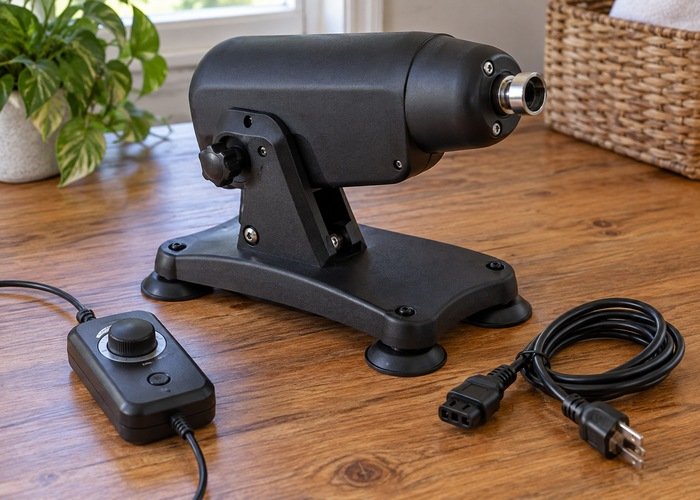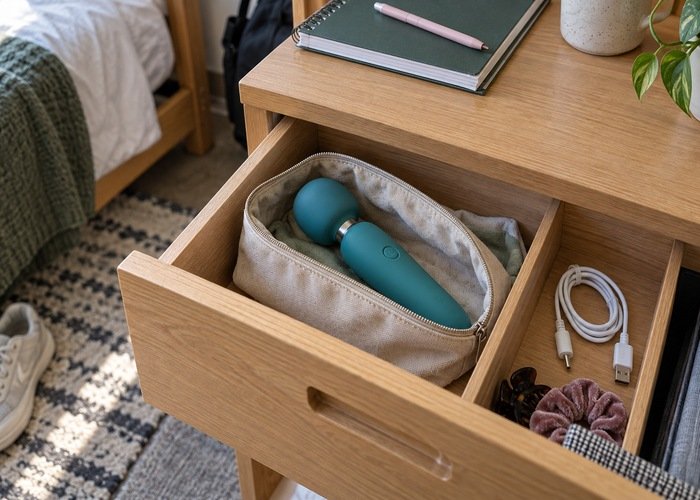
I always check if my Sex Toy, Lube works together by reading the label and watching for any changes in my toys. I find that looking for tiny cracks, chips, or even device degradation can help me spot problems early. For example, after using a new lube, I noticed small chips on my glass toy, which told me it was not compatible. I pay attention to any abrasions or cuts that might happen during use. Checking for these signs and reading labels keeps my toys safe and makes play comfortable. I know simple steps protect both my toys and my experience, so I always take a moment to check before I use any Sex Toy ,Lube.
- Common signs of toy damage:
- Tiny cracks or chips in glass, stone, or wood toys
- Abrasions or cuts during use
- Device degradation after lube application
Key Takeaways
- Always read the label on lubes to check for compatibility with your sex toys.
- Look for signs of damage on your toys, such as cracks or stickiness, after using a new lube.
- Water-based lubes are generally safe for all toy materials and easy to clean up.
- Avoid using silicone lubes with silicone toys unless you use a condom as a barrier.
- Conduct patch tests on both your skin and toys to check for adverse reactions before full use.
- Create a compatibility checklist to match your toys with the right lubes for safe play.
- Store your toys and lubes properly to prevent damage and maintain their quality.
- If unsure about a lube’s safety, contact the manufacturer for guidance.
Check Sex Toy Lube Compatibility
Read The Label
When I want to make sure my Sex Toy, Lube works together, I always start by reading the label. Most manufacturers include important information about compatibility right on the packaging. I look for details about which materials the lube is safe to use with. For example, I check if the lube is water-based, silicone-based, or oil-based. Each type interacts differently with toy materials. I remember one time I bought a silicone-based lube and noticed a warning that it could damage silicone toys. That saved me from ruining my favorite toy. I also check for any allergy information or ingredients that might cause irritation. If I see a long list of chemicals I do not recognize, I do a quick search or ask a professional before using it.
Here is a simple table I use to compare lube types and toy materials:
| Lube Type | Safe With Most Toys | Risk With Silicone Toys | Easy To Clean | Condom Compatible |
|---|---|---|---|---|
| Water-Based | Yes | Yes | Yes | Yes |
| Silicone-Based | Yes | No | No | Yes |
| Oil-Based | Sometimes | Yes | No | No |
Look For “Toy Safe” Claims
I always look for “toy safe” or “compatible” claims on the label. These claims help me feel confident that my Sex Toy, Lube combination will not cause damage. Manufacturers often highlight if their lube is safe for use with specific materials. I have seen labels that say “safe for all toys” or “not for use with silicone toys.” If I do not see any mention of toy safety, I get cautious. I sometimes contact the manufacturer directly or check their website for more details. I learned that water-based lubes are usually the safest choice for most toys. They clean up easily and work well with condoms. Silicone-based lubes last longer but can degrade silicone toys over time. I avoid oil-based lubes with latex condoms because they can break down the material.
Tip: Always check the packaging for indications of toy compatibility. If you are unsure, choose water-based lube for the safest option.
Signs Of Damage Or Reaction
After I use a new Sex Toy, Lube combination, I inspect my toys for any changes. I look for stickiness, discoloration, or texture changes. These signs tell me if the lube is not compatible. Once, I noticed my silicone toy felt sticky after using a silicone-based lube. That was a clear sign of incompatibility. I also check for tiny cracks, chips, or any surface changes. If my toy looks cloudy or feels rough, I stop using that lube immediately. I pay attention to my own comfort too. If I feel irritation or notice any allergic reaction, I switch to a different lube. I always remember that oil-based lubes can alter pH and bacteria levels, which may lead to infections. I never use lube as a contraceptive because most do not contain spermicide.
Here is a quick checklist I follow after using a new lube:
- Check for stickiness or residue on the toy
- Look for discoloration or cloudiness
- Feel for rough or changed texture
- Watch for cracks or chips
- Notice any irritation or allergic reaction
By following these steps, I keep my Sex Toy, Lube experience safe and enjoyable. I always match the lube to the toy material and check for any signs of damage after each use.
Water-Based Lube And Sex Toys
Why Water-Based Is Safe
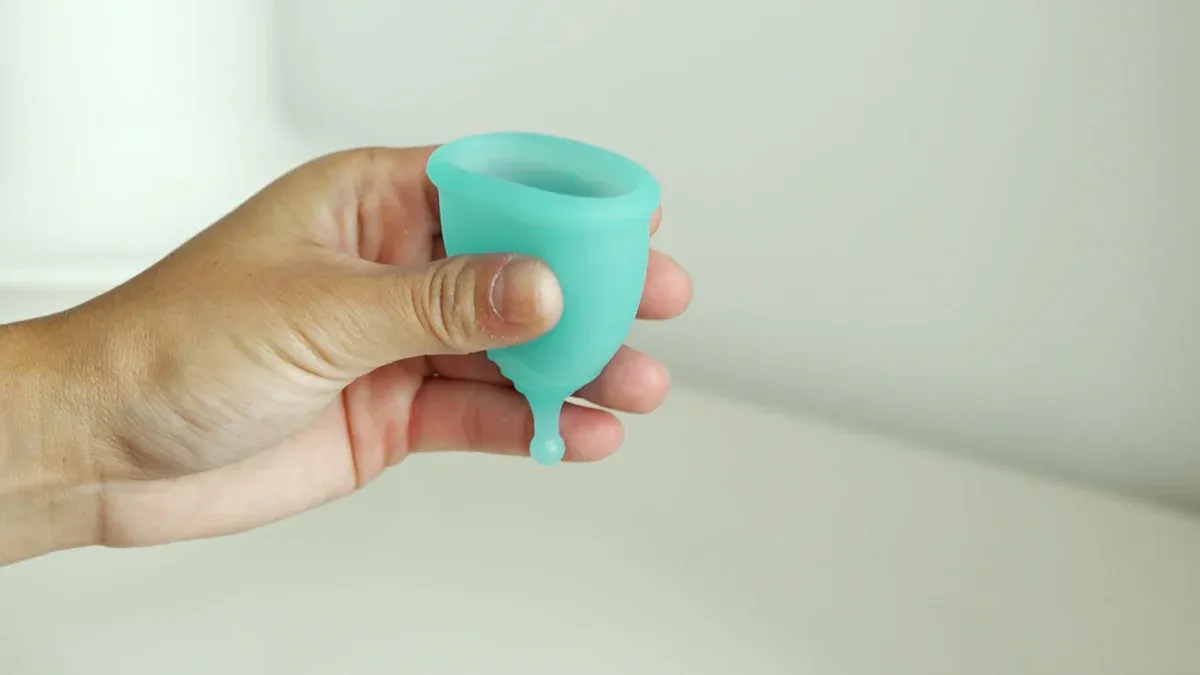
I always reach for water-based lube when I want a safe option for my toys. Water-based formulas work well with almost every sex toy material I own. I use them with silicone, glass, and metal toys without worrying about damage. After trying different lubes, I noticed that water-based lube never left my silicone toy sticky or discolored. I also found that cleanup is easy. I just wash my toys with soap and water, and the residue disappears. Water-based lube does not degrade condoms, so I feel confident using it for safer sex. I recommend water-based lube for anyone who wants a gentle, versatile choice that protects both toys and skin.
Tip: If you are unsure about compatibility, start with water-based lube. It works with most toys and is easy to clean up.
Pros And Cons
I learned that water-based lube has many advantages, but it also comes with a few drawbacks. I created a table to help me compare the pros and cons before choosing a lube for my Sex Toy, Lube routine.
| Advantages of Water-Based Lubricants | Disadvantages of Water-Based Lubricants |
|---|---|
| Compatible with condoms and toys made out of any material, including silicone | Does not maintain the lubricity and endurance that is required for anal play |
| Easy to cleanup (washes off with soap and water) | Dries out quickly and gets sticky, requiring constant reapplication |
| Widely available | Some contain unpleasant tastes and odors |
| Gentle on Skin | Less effective in water, making them a bad choice for shower and pool sex |
| Natural Feel | |
| Wide Variety |
I use water-based lube when I want a natural feel and easy cleanup. Sometimes, I notice it dries out during longer sessions, so I keep the bottle nearby for reapplication. I avoid using it in the shower because it washes away quickly.
When To Use Water-Based
I reach for water-based lube in many situations. I use it with silicone toys, glass toys, and metal toys. I also use it with condoms for added safety. Water-based lube gives me a smooth glide without stickiness, which makes play more comfortable. I find it especially helpful when I want to switch between different toys during a session. I clean up easily with soap and water, so I do not worry about residue. I avoid water-based lube for shower or pool play because it loses effectiveness in water. For longer sessions, I reapply as needed to keep things comfortable.
- I use water-based lube with:
- Silicone sex toys
- Glass sex toys
- Metal sex toys
- Condoms
- Benefits I notice:
- Easy cleanup
- Versatile use
- Safe for sensitive materials
- Drawbacks I watch for:
- Needs frequent reapplication
- Less effective in water
I always check the label and test a small amount before using a new lube. Water-based lube remains my go-to choice for most play because it keeps my toys safe and my experience enjoyable.
Silicone Lube And Sex Toys
Risks With Silicone Toys
I learned that using silicone lube with silicone toys can cause problems. When I tried this combination, my toy felt sticky and looked cloudy after cleaning. I noticed that the surface sometimes changed texture, which made me worry about long-term damage. Many users report that high-quality silicone lubricants, when used carefully and cleaned properly, do not always cause damage. Some people have no issues with certain brands, but I found that ongoing use increases the risk. Occasional accidental use may not lead to serious damage, but I avoid repeated exposure. I always check my toy for stickiness, discoloration, or rough patches after using silicone lube. If I see any changes, I stop using that lube with my silicone toys.
Tip: Always inspect your toy after each use. Look for stickiness, cloudiness, or texture changes. These signs mean the lube may not be compatible.
Using Condoms With Silicone Lube
I discovered that I can use silicone lube with silicone toys if I cover the toy with a condom. This method creates a barrier that protects the toy’s surface from direct contact with the lube. I use this trick when I want the long-lasting glide of silicone lube but need to keep my toy safe. Silicone-based lubes can degrade silicone toys, so matching the correct lube to the toy material is essential. Using a condom helps prevent damage, but I make sure the condom fits snugly and does not slip during use. I check the toy after play to confirm there are no signs of wear or residue.
Here is a quick checklist I follow when using condoms with silicone lube:
- Choose a high-quality condom that fits the toy securely.
- Apply silicone lube to the outside of the condom, not directly on the toy.
- Inspect the toy after use for any changes in texture or appearance.
Alternatives For Silicone Toys
I prefer using alternatives to silicone lube with my silicone toys. Water-based lubes work well and clean up easily. Aloe vera-based lubes feel gentle and soothe my skin. Hybrid lubes combine water and silicone for a silky texture, but I always check the label to confirm they are safe for silicone toys. Hybrid lubricants mix water and silicone, offering a silkier texture. Their safety depends on the silicone content and the quality of the toy’s silicone. I verify if the hybrid lubricant is labeled as safe for silicone toys before use.
Here is a table comparing lube alternatives for silicone toys:
| Lube Type | Safe for Silicone Toys | Easy to Clean | Skin Benefits |
|---|---|---|---|
| Water-Based | Yes | Yes | Gentle, versatile |
| Aloe Vera-Based | Yes | Yes | Soothing, hypoallergenic |
| Hybrid | Sometimes | Yes | Silky, check label |
I choose water-based or aloe vera-based lubes for my Sex Toy, Lube routine. These options do not degrade the toy’s surface and wash off with water. I find them reliable and safe for regular use.
Oil-Based Lube Safety
Toy Material Risks
I always check the material of my sex toys before using oil-based lube. I learned that genuine silicone toys usually handle oil-based lubricants without damage. I feel confident using oil-based lube with my silicone toy, but I stay cautious with other materials. Toys made from Cyberskin, Elastomer, or TPE/TPR can react badly to oil-based lubes. These materials are porous and sometimes toxic, which means oil-based lube can break them down or cause bacteria to build up. I once used oil-based lube with a Cyberskin toy and noticed the surface became sticky and started to degrade. That experience taught me to always check the toy’s material and avoid oil-based lube with anything porous. I also read the ingredient list on my lube bottle. I avoid products with mineral oil or petroleum jelly because they can damage toys and disrupt vaginal health.
Tip: Always check your toy’s material before using oil-based lube. If you are unsure, stick to water-based lube for safety.
Condom Compatibility
I never use oil-based lube with latex condoms. Research shows that mineral oil can weaken latex condoms by up to 90% in just one minute. I remember reading about a case where a condom broke during use because of oil-based lube, which increased the risk of pregnancy and sexually transmitted infections. I use oil-based lube only when I do not need a condom, such as with solo play or non-penetrative activities. If I want to use a condom, I switch to water-based or silicone-based lube. I keep this table handy to remind myself which lubes work with which condoms:
| Lube Type | Latex Condom Safe | Polyurethane Condom Safe | Natural Membrane Safe |
|---|---|---|---|
| Water-Based | ✅ Yes | ✅ Yes | ✅ Yes |
| Silicone-Based | ✅ Yes | ✅ Yes | ✅ Yes |
| Oil-Based | ❌ No | ✅ Yes | ❌ No |
Note: Oil-based lube can cause latex condoms to break. Always choose water-based or silicone-based lube for safer sex.
Cleaning Tips
I find that cleaning toys after using oil-based lube takes extra effort. Oil-based lubricants stick to the surface and do not wash off easily with water alone. I follow these steps to keep my toys clean and safe:
- I use warm water and mild soap to scrub the toy thoroughly.
- I rinse the toy several times to remove all oily residue.
- I dry the toy completely before storing it.
- If I share insertable toys, I use a condom over the toy and change it between partners or when switching from anal to vaginal play.
- I wash toys between acts to prevent cross-contamination.
I learned that some materials, like Cyberskin or TPE, can absorb oil and become sticky or degrade. I avoid oil-based lube with these toys and stick to water-based options. I always check for any changes in texture or appearance after cleaning. If I notice stickiness or discoloration, I retire the toy to avoid health risks.
Tip: Clean your toys thoroughly after using oil-based lube. Use soap and water, and inspect for any changes before your next session.
Patch Test For Sex Toy Lube
Testing lube compatibility before full use helps me avoid damage to my toys and irritation to my skin. I always run a patch test when I try a new lube. This simple step gives me peace of mind and keeps my play safe.
Skin Patch Test Steps
I start by checking how my skin reacts to a new lube. I want to avoid irritation or allergic reactions. Here is how I do a skin patch test:
- I wash and dry a small area on my inner forearm.
- I apply a tiny drop of the lube to that spot.
- I wait at least 24 hours without washing the area.
- I watch for redness, itching, swelling, or any discomfort.
If my skin stays calm, I feel confident using the lube on more sensitive areas. Once, I tried a new lube and noticed a mild itch after a few hours. I washed it off and decided not to use it during play. This quick test saved me from a much worse reaction later.
Tip: Always test a new lube on your skin first, especially if you have sensitive skin or allergies.
Toy Patch Test Steps
I also check how the lube interacts with my sex toys. Some lubes can cause stickiness, discoloration, or even break down the toy’s material. I follow these steps for a toy patch test:
- I apply a small amount of lube to a hidden or less visible part of my toy.
- I let it sit for several hours, sometimes overnight.
- I inspect the area for any changes, such as stickiness, cloudiness, or surface damage.
Once, I tested a silicone-based lube on the base of my silicone toy. After a few hours, I noticed the spot felt tacky and looked dull. I avoided using that lube with my toy and prevented permanent damage. This method works for all toy materials, including glass, metal, and plastic.
| Toy Material | Common Reaction to Incompatible Lube | What I Look For |
|---|---|---|
| Silicone | Stickiness, cloudiness | Texture or color change |
| Glass | Chips, cracks | Surface flaws |
| Metal | Discoloration | Rust or dullness |
| TPE/Cyberskin | Stickiness, breakdown | Softening, residue |
What To Watch For
During both patch tests, I stay alert for any warning signs. On my skin, I look for redness, bumps, or a burning feeling. On my toys, I check for sticky spots, color changes, or rough patches. If I see any of these, I stop using the lube right away.
I keep a simple checklist to help me remember what to watch for:
- Redness, itching, or swelling on skin
- Sticky or oily residue on toys
- Discoloration or cloudiness
- Cracks, chips, or surface changes
Note: Even if a lube claims to be “toy safe,” I still run a patch test. Materials and formulas can vary, and my experience has shown that a quick test can save both my toys and my comfort.
By making patch tests a regular part of my routine, I protect my investment in quality toys and keep my play sessions worry-free. This habit takes only a few minutes but offers lasting peace of mind.
Lube Safety Tips For Sex Toys
Make A Compatibility Checklist
I always create a compatibility checklist before I try a new Sex Toy, Lube combination. This habit helps me avoid damage and keeps my play safe. I list my toys by material and match them with lubricants that work best. For example, I use water-based lubricants with jelly, silicone, and Cyberskin toys. Hard plastic toys sometimes work well with silicone-based lubricants. I keep a table in my phone for quick reference. This table helps me make smart choices and prevents costly mistakes.
| Toy Material | Compatible Lubricants |
|---|---|
| Jelly Toys | Eros Liquid Waterbased, Eros Woman Waterbased, System JO H2O, Wet Naturals Beautifully Bare, Moist Lube |
| Silicone Toys | Eros Liquid Waterbased, Eros Woman Waterbased, System JO H2O, Wet Naturals Beautifully Bare, Moist Lube |
| Cyberskin Toys | Eros Liquid Waterbased, Eros Woman Waterbased, System JO H2O, Wet Naturals Beautifully Bare, Moist Lube |
| Hard Plastic Toys | Eros Woman Bodyglide, Eros Classic Bodyglide, Wet Natural Silky Supreme |
I remember a time when I used the wrong lube with a Cyberskin toy. The surface became sticky and started to break down. My checklist now saves me from repeating that mistake.
Ask The Manufacturer
When I feel unsure about compatibility, I contact the manufacturer directly. I send an email or use their website chat to ask which lubricants work best with my toy. Manufacturers often provide detailed answers about safe lube choices. I once asked about a silicone toy and learned that only water-based lubricants would keep it in good condition. This advice helped me avoid surface damage and extend the life of my toy. I recommend checking the FAQ section or support page for quick answers. If I cannot find information online, I reach out with a specific question about my toy and the lube I want to use. Manufacturers appreciate careful users and usually respond quickly.
Tip: Always ask the manufacturer if you have doubts. Their advice can prevent damage and save money.
Store And Use Lubes Safely
I pay close attention to how I store my lubricants and toys. Proper storage keeps everything clean and safe for future use. I use cotton or microfiber bags to protect toys from dust and scratches. I store each toy separately to avoid material contact that could cause degradation. I keep my toys and lubes in a cool, dry place, away from direct sunlight and humidity. This method prevents heat from affecting the materials and keeps lubricants fresh. I use drawstring pouches for vibrators and bullet vibes, and I organize larger toys in dedicated cases. I learned that storing toys together can lead to unwanted reactions between materials. I now use organizers and chests to keep my collection safe.
| Storage Method | Benefits |
|---|---|
| Pouch or case your toy came with | Prevents material degradation and contamination. |
| Cotton or microfiber bags | Protects against dust and damage while breathable. |
| Store toys separately | Avoids contact with other materials. |
| Cool, dry place | Prevents heat or humidity damage. |
I also keep my lubricants tightly sealed and away from heat. I check expiration dates and replace old bottles regularly. Using water-based lubricants makes cleanup easier and reduces the risk of residue buildup. I avoid using silicone lubricants with silicone toys unless I confirm compatibility. These habits help me maintain a safe and enjoyable Sex Toy, Lube experience every time.
I always follow these steps to check lube compatibility with my sex toys:
- I make sure the lubricant matches my toy’s material to prevent damage.
- I read the manufacturer’s recommendations for both the lube and the toy.
- I avoid silicone or oil-based lubes with silicone or TPE toys and choose water-based options.
Regular checks help my toys last longer. I notice that using the right lube keeps my toys in good shape and prevents material breakdown. I always check for stickiness or cracks after each use. If I feel unsure, I run a patch test or ask an expert for advice.
Safe lube choices protect my toys and my health. I recommend trying a patch test before using any new lube.
FAQ
How do I know if my lube is safe for my sex toy?
I check the label for “toy safe” or “compatible” claims. I run a patch test on a small area of my toy. If I see stickiness, discoloration, or texture changes, I stop using that lube.
Can I use silicone lube with silicone toys?
I avoid using silicone lube directly on silicone toys. I once noticed my toy became sticky and cloudy after trying this. I use a condom over the toy if I want to use silicone lube.
What should I do if my toy shows signs of damage after using lube?
I stop using the lube immediately. I inspect for cracks, chips, or sticky residue. I clean the toy thoroughly and switch to a water-based lube. I contact the manufacturer for advice if the damage persists.
Is oil-based lube safe for all sex toys?
I learned that oil-based lube works with some silicone toys but damages Cyberskin, TPE, and elastomer toys. I check my toy’s material before using oil-based lube. I use water-based lube for porous toys.
How do I clean my toys after using lube?
I wash my toys with warm water and mild soap. I rinse several times to remove all residue. I dry them completely before storing. I use a table to remember which cleaning method works best for each toy material:
| Toy Material | Cleaning Method |
|---|---|
| Silicone | Soap and water |
| Glass | Soap and water |
| Metal | Soap and water |
| Cyberskin | Special toy cleaner |
What is a patch test and why should I do it?
I apply a small amount of lube to a hidden part of my toy and wait overnight. I look for stickiness, discoloration, or surface changes. This test helps me avoid permanent damage and keeps my toys safe.
Can I use lube with condoms?
I use water-based or silicone-based lube with latex condoms. Oil-based lube weakens latex and increases the risk of breakage. I check the table below for quick reference:
| Lube Type | Latex Condom Safe |
|---|---|
| Water-Based | ✅ Yes |
| Silicone-Based | ✅ Yes |
| Oil-Based | ❌ No |
What signs show my lube is not compatible with my toy?
I watch for stickiness, cloudiness, cracks, or rough texture. I once saw my glass toy develop tiny chips after using a new lube. I switched to a water-based lube and avoided further damage.