Using old sex toys can put your health at risk. Over time, bacteria and material breakdown increase the chance of infection or injury. Many people use these products regularly, including:
- Nearly half of U.S. heterosexual men
- More than half of heterosexual women
- Over 70% of lesbian and bisexual women
- Close to 80% of gay or bisexual men
You should prioritize safety and hygiene. When you replace sex toys as part of your self-care, you protect yourself and maintain peace of mind.
Key Takeaways
- Old sex toys can harbor harmful bacteria, increasing the risk of infections. Regularly inspect and replace them to protect your health.
- Porous materials like jelly and rubber trap bacteria and should be replaced every 3 to 6 months. Non-porous materials like silicone last longer but still require regular checks.
- Visible damage, such as cracks or tears, is a clear sign that a toy should be replaced. Damaged toys can lead to injuries and infections.
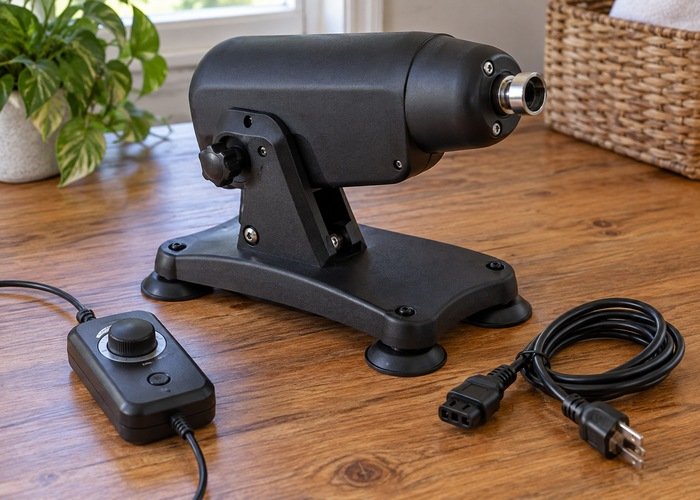
- Electrical sex toys can develop faults over time. Replace any toy with weak motors or frayed cords to avoid shocks or burns.
- Always clean toys before and after use. Different materials require specific cleaning methods to ensure safety and hygiene.
- When starting a new relationship, replace sex toys to prevent the spread of bacteria. This practice promotes better sexual health.
- Store toys properly in breathable pouches to prevent contamination and material degradation. Keep them in a clean, dry place.
- Dispose of old toys responsibly. Clean them before disposal and check local recycling options to minimize environmental impact.
Risks of Old Sex Toys
Bacteria and Infection
Buildup Over Time
You expose yourself to harmful bacteria when you continue using old sex toys. Over time, even with regular cleaning, bacteria can accumulate in tiny cracks or porous surfaces. Health professionals have found that certain types of toys, especially anal plugs, carry a higher risk of bacterial infections. When you use toys that are not properly sanitized or are made from porous materials, you increase the chance of introducing pathogens into your body.
- Common bacteria found on used sex toys include:
- Shigella
- Salmonella
- Campylobacter
- E. coli
- Giardia lamblia
These bacteria can survive on surfaces and multiply, especially if you store toys in warm or damp places.
Health Effects
If you use contaminated toys, you may experience symptoms such as irritation, itching, or even severe infections. In hospitals, doctors have reported that 40% of foreign rectal objects removed were sex toys, showing a significant risk of injury and infection. In some cases, patients required surgery due to complications. You should always inspect your toys and replace sex toys that show signs of wear or are difficult to clean.
Education on safe practices is crucial to reduce the frequency of injuries and sexually transmitted diseases.
Material Breakdown
Porous vs. Non-Porous
The material of your sex toy plays a major role in safety. Non-porous materials, such as silicone, glass, or metal, do not allow fluids or bacteria to penetrate. These are easier to clean and maintain. Porous materials, like jelly, rubber, PVC, or TPE, can trap fluids and bacteria, making sanitation much harder and increasing health risks.
- Jelly or rubber toys are highly porous and can lead to bacteria buildup.
- PVC and TPE materials may contain chemicals that degrade over time.
- Jelly sex toys are not body safe due to their porous nature and potential toxicity.
- Silicone or ABS plastic alternatives offer better safety and hygiene.
Chemical Leaching
As toys age, materials can break down and release harmful chemicals. This is especially true for cheaper toys made from jelly or rubber blends.
Studies indicate that sex toys can leach harmful chemicals, particularly phthalates, which are known to be detrimental to human health. The concentration of phthalates found in the current review exceeds US regulations and EU standards for children’s toys. The potential toxicity of sex toys is “not sufficiently understood, communicated, or managed”.
You should replace sex toys made from these materials regularly to avoid chemical exposure.
Malfunction Hazards
Electrical Issues
Old electronic sex toys can develop electrical problems. Deteriorating cords may contain toxic heavy metals like lead or arsenic. These issues can cause shocks, burns, or even fires.
- Electrical issues often result from aging cords or internal components.
- Toxicity concerns arise from heavy metals in old wiring.
- Always replace aged electrical cords or devices to ensure safety.
Injury Risks
Physical injury is a real risk with old or damaged toys. Hospital data shows that 6 out of 8 cases requiring abdominal surgery involved sex toys. Toys that lose their shape, develop cracks, or malfunction can cause cuts, abrasions, or become lodged internally.
| Incident Type | Percentage or Number |
|---|---|
| Foreign rectal objects (sex toys) | 40% of cases |
| Cases requiring surgery | 6 out of 8 |
You should inspect your toys regularly and replace sex toys that show any sign of damage or malfunction. This simple step can prevent serious health issues and ensure your experiences remain safe and enjoyable.
Signs to Replace Sex Toys
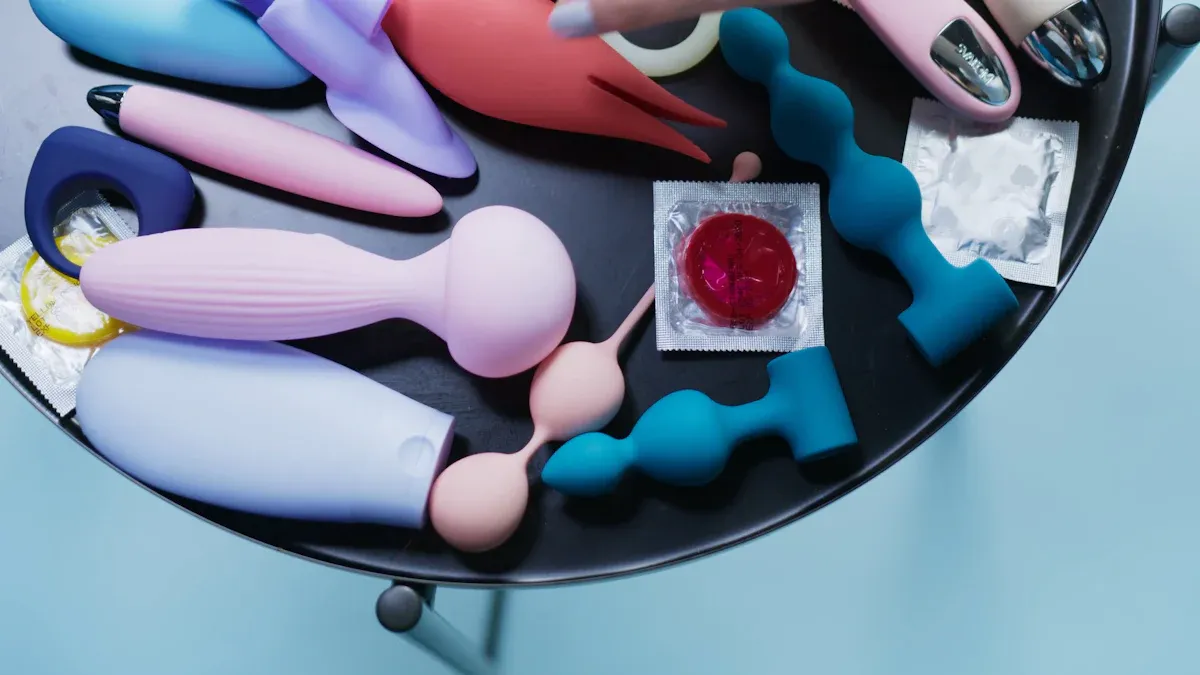
Recognizing when to replace sex toys is essential for your safety and comfort. You can spot warning signs by inspecting your toys regularly. Below, you will find practical examples and advice to help you identify when it is time for a replacement.
Visible Damage
Physical damage is one of the most obvious indicators that you should replace sex toys. Damaged toys can harbor bacteria and increase your risk of injury.
Cracks or Tears
Cracks and tears often appear on the surface of older toys. These imperfections create hiding spots for bacteria and make cleaning difficult. You may notice small splits along seams or edges, especially in toys made from jelly, rubber, or TPE. Even minor cracks can compromise the integrity of the toy.
Changes in Shape
A toy that has lost its original shape or feels warped should be replaced. Warping can occur due to repeated use, exposure to heat, or improper storage. If a toy no longer fits or feels comfortable, it may not be safe to use.
Tip: Always inspect toys for cracks, tears, and changes in shape before each use. If you notice any damage, discard the toy immediately.
Common Signs of Visible Damage
| Damage Type | What to Look For | Risk Level |
|---|---|---|
| Cracks | Splits, lines, or holes | High |
| Discoloration | Faded or uneven color | Moderate |
| Texture Change | Sticky or rough surface | High |
Function Loss
Electronic toys can lose functionality over time. You should pay attention to performance issues that may signal the need for replacement.
Weak Motor
A weak or inconsistent motor reduces the effectiveness of your toy. If you notice vibrations have become faint or uneven, the motor may be failing. This can happen due to battery degradation or internal wear.
Unresponsive Controls
Controls that do not respond or require excessive force indicate internal damage. Buttons may stick, or settings may change unpredictably. These issues can make the toy unreliable and unsafe.
Note: If you experience function loss, do not attempt to repair the toy yourself. Replace sex toys with new, reliable models to ensure safety.
Odors or Stains
Unpleasant smells and stains are clear signs that a toy is no longer safe. These issues often result from material breakdown and bacterial absorption.
Persistent Smells
Some toys, especially those made from jelly or TPE, emit strong odors as they degrade. You may notice a scent similar to an old car tire or a chemical smell that does not disappear after cleaning. Persistent odors suggest the toy has absorbed bacteria and is unsafe.
Stubborn Stains
Oily stains or discoloration that remain after washing indicate material breakdown. Jelly products often leave oily marks, while other materials may show dark spots or patches. These stains can harbor bacteria and increase your risk of infection.
Checklist for Odors and Stains
- Smell resembling rubber or chemicals
- Oily residue on surfaces
- Discoloration that persists after cleaning
If you detect any of these signs, dispose of the toy promptly. Regular inspection helps you maintain a safe and hygienic collection.
By staying alert to visible damage, function loss, and odors or stains, you protect your health and enhance your experience. Make it a habit to inspect and replace sex toys as soon as you notice these warning signs.
When to Replace Sex Toys
Knowing when to replace sex toys helps you maintain both safety and satisfaction. The right timeline depends on the material, how often you use the toy, and whether you plan to share it with a new partner. Below, you will find detailed guidance to help you make informed decisions.
By Material
The material of your sex toy plays a major role in its lifespan and safety. Some materials last longer and resist bacteria, while others degrade quickly and require more frequent replacement.
Silicone
Medical-grade silicone stands out for its durability and non-porous nature. You can expect a well-cared-for silicone toy to last a year or more. Regular inspection remains important. If you notice any cracks, tears, or changes in texture, replace sex toys immediately. Silicone resists bacteria better than porous materials, but hygiene still matters. Clean your toy thoroughly after each use and store it in a dry, dust-free place.
Jelly & Rubber
Jelly, rubber, PVC, and TPE toys have a much shorter lifespan. These materials are porous, which means they can trap bacteria and fluids even with careful cleaning. Health experts recommend you replace sex toys made from jelly or rubber every 3 to 6 months, especially if you use them frequently. Signs like sticky surfaces, persistent odors, or discoloration signal it is time for a new toy. These materials can also leach chemicals over time, increasing health risks.
Glass & Metal
Glass and metal toys offer exceptional durability. Non-porous and easy to sanitize, these toys can last for years if you care for them properly. Inspect glass toys for chips or cracks before each use. Even a small chip can cause injury. Metal toys should remain free of rust or dents. If you spot any damage, replace sex toys right away. With proper care, you can safely use glass and metal toys for a long time.
Sex Toy Material Lifespan Table
| Material | Typical Lifespan | Key Considerations |
|---|---|---|
| Medical-Grade Silicone | 1+ years | Non-porous, hypoallergenic, easy to clean |
| Jelly/Rubber/PVC/TPE | 3-6 months | Porous, prone to bacteria and chemical leach |
| Glass | Years (if undamaged) | Inspect for chips/cracks before each use |
| Metal | Years (if undamaged) | Check for rust or dents |
Tip: Always inspect your toys before and after use. Material wear, such as cracks or peeling, signals the need for replacement.
By Usage
How often you use your sex toys also affects when you should replace them. Frequent use leads to faster wear and tear, especially for toys made from porous materials.
Frequent Use
If you use a toy several times a week, you should replace sex toys more often. For porous toys, aim for a new one every 3 to 6 months. Even with non-porous toys, frequent use can cause motors to weaken or surfaces to degrade. For silicone, glass, or metal toys, inspect them monthly for any signs of damage or loss of function.
Occasional Use
If you use your toys only a few times a month, you can extend their lifespan. For non-porous toys, replacement every 12 months is usually sufficient, provided you store and clean them properly. Porous toys still require more frequent replacement, as bacteria can build up over time, even with less use.
Usage Frequency and Replacement Advice
- Replace porous toys (jelly, rubber, TPE) every 3-6 months, regardless of use frequency.
- Replace non-porous toys (silicone, glass, metal) every 6-12 months, or sooner if you notice damage.
- Weakened vibrations, battery issues, or changes in texture are clear signs to replace sex toys.
With New Partners
Introducing a new partner is an important time to review your collection. Sharing toys increases the risk of transmitting bacteria or infections, even if you clean them thoroughly. The safest approach is to replace sex toys before sharing with a new partner, especially if the toys are made from porous materials. For non-porous toys, you can use condoms as a barrier, but replacing older toys remains the best practice for optimal hygiene and peace of mind.
Note: If you plan to share toys, always use a new condom for each person and each use. This reduces the risk of cross-contamination.
Summary Table: Replacement Timelines by Material and Usage
| Material/Usage | Frequent Use | Occasional Use | With New Partner |
|---|---|---|---|
| Jelly/Rubber/PVC/TPE | 3-6 months | 3-6 months | Replace before sharing |
| Silicone | 6-12 months | 12 months | Replace if older or damaged |
| Glass/Metal | Inspect regularly | Inspect regularly | Replace if damaged or old |
By following these guidelines, you protect your health and ensure every experience remains safe and enjoyable. Make it a habit to inspect, clean, and replace sex toys according to material, usage, and relationship changes.
Health Risks of Not Replacing
When you continue to use old or damaged sex toys, you expose yourself to a range of health risks. These risks include infections, allergic reactions, and physical injuries. Understanding these dangers helps you make informed decisions about your sexual health.
Infections
Old sex toys can become breeding grounds for bacteria, viruses, and fungi. Even with regular cleaning, microscopic cracks or porous surfaces allow germs to hide and multiply. When you use these toys, you increase your risk of several types of infections:
- Bacterial infections, such as urinary tract infections (UTIs) and bacterial vaginosis (BV)
- Sexually transmitted infections (STIs), including chlamydia, gonorrhea, herpes simplex virus (HSV), human papillomavirus (HPV), HIV, hepatitis B, and trichomoniasis
- Fungal infections, like yeast infections
- Parasitic infections, such as scabies
Sharing unclean toys or using them without protection can also spread these infections between partners. Bacteria can thrive on unwashed surfaces, and small cuts or irritations from rough or damaged toys make it easier for germs to enter your body. Regular inspections and proper cleaning reduce these risks, but the safest approach is to replace sex toys before they become a hazard.
Tip: Always use a new condom on toys when sharing, and never use the same toy for both anal and vaginal play without cleaning it thoroughly.
Allergic Reactions
Materials in older toys can break down over time, releasing chemicals that may trigger allergic reactions. You might notice redness, itching, swelling, or a burning sensation after use. Porous materials, such as jelly or rubber, are more likely to cause these issues because they can absorb and release irritants. Some people develop sensitivities to latex, phthalates, or other additives found in cheaper toys.
If you experience any of the following symptoms after using a toy, consider switching to a non-porous, hypoallergenic material:
- Persistent itching or rash
- Swelling or redness at the contact site
- Burning or stinging sensations
Choosing toys made from medical-grade silicone, glass, or stainless steel can help you avoid these reactions. Always monitor your body’s response and discontinue use if you notice any discomfort.
Physical Injury
Using damaged or malfunctioning sex toys increases your risk of physical harm. Cracks, sharp edges, or broken parts can cause cuts, tears, or abrasions. Toys with deteriorating electrical components may shock or burn you. Hospital data shows that injuries from old or faulty toys are not rare.
| Type of Injury | Percentage of Injuries |
|---|---|
| Anorectal injuries | 78% |
| Vaginal/Penile injuries | 18% |
| Other injuries | 4% |
| Numbness | 16% |
| Irritation | 10% |
| Swelling | 8% |
| Pain | 3% |
| Tears or cuts | 1% |

You can prevent most injuries by inspecting your toys for damage and replacing them at the first sign of wear. Regular checks help you spot cracks, weak motors, or exposed wires before they cause harm. If you ever feel pain, numbness, or irritation during or after use, stop immediately and assess the toy’s condition.
Remember: Your health and safety come first. Replace sex toys regularly to minimize your risk of infection, allergic reaction, or injury.
Care to Extend Lifespan
Taking proper care of your sex toys extends their lifespan and protects your health. You reduce the risk of infection, material breakdown, and unexpected malfunctions when you follow expert-recommended cleaning, storage, and inspection routines. Here’s why these steps matter and how you can implement them.
Cleaning Tips
Regular cleaning prevents bacteria buildup and keeps your toys safe for repeated use. Different materials require specific cleaning methods. You should always clean toys before and after each use.
- For most toys, use warm soapy water or a cleanser made for sex toys. This removes surface bacteria and bodily fluids.
- For toys with electrical components, remove batteries first. Wipe the surface with a damp, soapy washcloth. Avoid submerging these toys in water to prevent damage.
- You can boil 100% silicone, stainless steel, or borosilicate glass toys for three minutes to sterilize them. This method kills most germs and is ideal for non-porous materials.
- A bleach solution (five tablespoons of bleach per gallon of water) can disinfect toys. Spray or submerge for ten minutes, then wash thoroughly with soap and water.
- Place non-mechanized silicone, glass, or stainless steel toys on the top rack of your dishwasher and run the sanitize cycle without soap.
- Use a soft toothbrush to clean grooves or textured areas.
Tip: Always let toys air dry completely before storing them. Moisture can lead to mold or bacterial growth.
Storage Advice
Proper storage prevents contamination and material degradation. You protect your investment and your health when you store toys correctly.
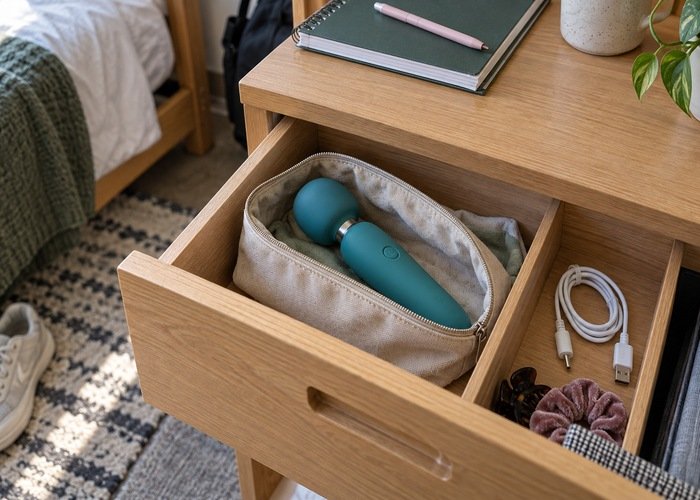
- Store each toy in a breathable fabric pouch or wrap it in a soft cloth. This prevents dust accumulation and allows air circulation.
- Keep toys in a dust-free environment, such as a dedicated drawer lined with soft fabric.
- Separate toys made from different materials. Some materials can react with each other and degrade faster if stored together.
- Use individual storage bags to avoid scratches and cross-contamination.
- For travel, choose compact, leakproof storage options to prevent spills.
- Ensure toys are completely dry before storing to prevent mold and odor issues.
| Storage Method | Benefit |
|---|---|
| Fabric pouch | Prevents dust, allows airflow |
| Separate containers | Avoids material reactions |
| Lined drawer | Reduces scratches, keeps clean |
| Lockable box | Adds privacy and security |
Inspection Routine
Routine inspections help you spot early signs of wear or damage. You prevent health risks and extend the life of your toys by catching problems early.
- Check toys for cracks, tears, or changes in texture before and after each use.
- Test electronic toys for weak motors or unresponsive controls.
- Smell toys for any unusual or persistent odors, which can signal bacterial buildup or material breakdown.
- Examine glass and metal toys for chips, dents, or rust.
- Replace any toy that shows signs of damage, persistent stains, or odor.
Regular inspection ensures you catch issues before they become serious. This habit keeps your collection safe and enjoyable.
By following these cleaning, storage, and inspection routines, you maximize the lifespan of your sex toys and maintain a safe, hygienic experience every time.
Safe Disposal and Shopping
Disposal Methods
You might wonder why proper disposal of old sex toys matters. Safe disposal protects your health, your privacy, and the environment. Old toys can harbor bacteria or chemicals that pose risks if left in landfills or regular trash. Responsible disposal also prevents accidental exposure for others and reduces environmental impact.
Silicone toys should be cleaned and sanitized before disposal, and while they are recyclable, not all facilities accept them. Glass and metal toys can often be recycled, but it’s essential to check with local recycling centers.
You should always start by cleaning and sanitizing your toy. This step reduces the risk of spreading bacteria or chemicals during disposal. Next, consider the material:
- Silicone: Some recycling programs accept silicone, but many do not. Check with your local facility.
- Glass and Metal: These materials are often recyclable. Contact your recycling center to confirm acceptance.
- Plastic, Jelly, or Rubber: Most municipal recycling does not accept these. Use eco-friendly packaging and look for biodegradable or compostable alternatives when discarding.
If you want to minimize your environmental footprint, follow these steps:
- Donate your sex toy to a recycling program that accepts gently used toys.
- Disassemble toys made of plastic or metal for recycling, checking local facilities for acceptance.
You can also research local professional disposal services for discreet and responsible handling. Always consult the manufacturer’s guidelines for specific instructions based on the toy’s material.
Recycling sex toys helps reduce landfill waste by repurposing or transforming them into new products, thus extending their lifespan and minimizing environmental impact.
Buying New Toys
Choosing the right new toy is essential for your health and satisfaction. You should prioritize safety, durability, and ease of cleaning. Non-porous materials like silicone and stainless steel do not absorb bacteria or fluids, making them safer choices. Waterproof toys allow for thorough washing, which prevents dirt or bacteria buildup. Some toys even offer dishwasher-safe options for easy maintenance.
When shopping, consider these important features:
- Non-porous materials for safety and hygiene
- Waterproof design for easy cleaning
- Clear cleaning instructions from the manufacturer
- Use of barriers like condoms or dental dams to reduce STI risk
- Regular cleaning before and after each use
You should also think about your needs and preferences. The following table summarizes key factors to guide your decision:
| Factor | Description |
|---|---|
| Materials Used | Choose body-friendly, medical-grade, non-porous materials for easy sanitization. |
| Type of Pleasure Sought | Select toys that match your desired stimulation. |
| Sound Levels | Consider noise level for privacy and comfort. |
| Size and Aesthetics | Pick a size and look that feels right for you. |
| Special Features | Look for unique features that enhance your experience. |
| Budget | Set a spending limit to guide your choices. |
| Reputation of Brands | Research brands for ethical practices and product safety. |
You protect your health and extend the life of your toys by making informed choices. Always clean new toys before first use and inspect them regularly. Safe disposal and smart shopping help you enjoy your experiences while minimizing risks to yourself and the environment.
You protect your health and enhance your experience when you replace sex toys regularly. Health organizations highlight several key reasons:
- Replace toys when starting a new relationship to prevent mixing bacteria.
- Evaluate and replace toys if you notice more yeast infections or bacterial vaginosis.
- Discard toys that stop working to maintain pleasure and peace of mind.
Regular inspections help you spot cracks, tears, or discoloration early. Immediate replacement prevents health risks. Proper care and timely replacement ensure every experience remains safe, hygienic, and enjoyable.
FAQ
How often should you replace your sex toys?
You should replace porous toys like jelly or rubber every 3–6 months. Non-porous toys such as silicone, glass, or metal can last 1 year or longer if you inspect and clean them regularly. Replace any toy immediately if you notice damage or persistent odor.
Can you share sex toys safely with a partner?
You can share non-porous toys if you use a new condom for each person and clean the toy thoroughly between uses. Avoid sharing porous toys, as they trap bacteria and increase infection risk. Always discuss boundaries and hygiene with your partner before sharing.
What are the signs that a sex toy is unsafe to use?
Look for cracks, tears, sticky surfaces, persistent odors, or discoloration. Weak motors or unresponsive controls also signal problems. If you notice any of these signs, replace the toy immediately to protect your health.
How should you clean different types of sex toys?
| Material | Cleaning Method |
|---|---|
| Silicone | Boil or use toy cleaner |
| Glass/Metal | Boil or dishwasher safe |
| Jelly/Rubber | Warm soapy water only |
| Electric | Wipe with damp cloth |
Always let toys air dry completely before storing them.
Is it safe to use old sex toys if they look clean?
No. Even if a toy appears clean, microscopic cracks or porous surfaces can harbor bacteria. Old toys may also leach chemicals as materials break down. You should replace toys regularly to minimize health risks.
What should you do with old or broken sex toys?
Clean and sanitize the toy before disposal. Check if your local recycling center accepts the material. Glass and metal toys are often recyclable. For privacy, place toys in a sealed bag before discarding. Never donate used toys unless a specialized recycling program accepts them.
Can you repair a damaged sex toy?
You should not attempt to repair damaged sex toys. DIY fixes can create sharp edges or expose electrical components, increasing injury risk. Replace the toy with a new, body-safe product to ensure your safety.
What are the health risks of not replacing sex toys?
You risk bacterial infections, allergic reactions, and physical injuries. Old toys can harbor harmful germs or release toxic chemicals. Regular replacement and inspection help you avoid these dangers and maintain a safe, enjoyable experience.