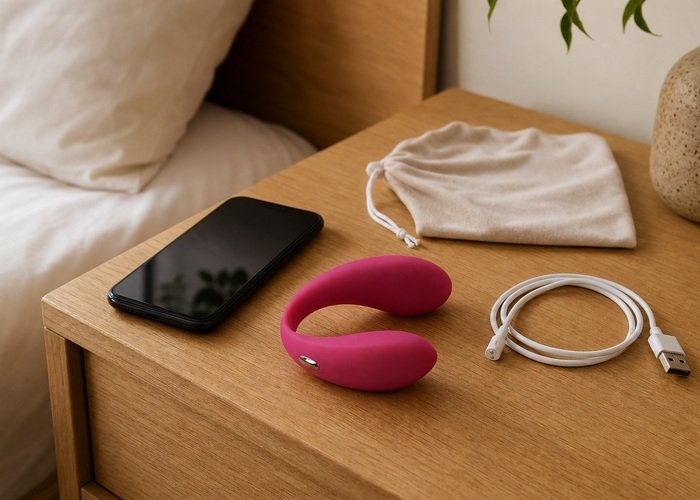
Kegel toys are specialized devices designed to help you strengthen your pelvic floor muscles. These muscles play a critical role in supporting internal organs, maintaining bladder control, and ensuring overall core stability. By using these tools, you can target and activate specific muscle groups, promoting faster recovery and improved function.
After childbirth, surgery, or muscle strain, your pelvic floor may weaken, leading to discomfort or reduced control. Kegel toys offer a practical solution for rebuilding strength and resilience. For example, weighted Kegel balls can provide gentle resistance, encouraging your muscles to contract and relax effectively. This process not only aids recovery but also enhances your quality of life.
Key Takeaways
- Kegel toys help make pelvic muscles stronger and improve bladder control.
- Begin with light Kegel toys to avoid pain, then slowly use heavier ones as you get stronger.
- Using Kegel toys often can help you heal faster after having a baby or surgery.
- Keep your Kegel toys clean after each use to stop infections.
- Track your progress by noting your sessions and celebrating small wins to stay encouraged.
- Talk to a doctor if you feel pain or don’t see improvement with Kegel exercises.
- Use special devices that show how well your muscles are working during exercises for better results.
- Do Kegel exercises every day to get the best benefits and make it part of your routine.
What Are Kegel Toys and Why Are They Important?
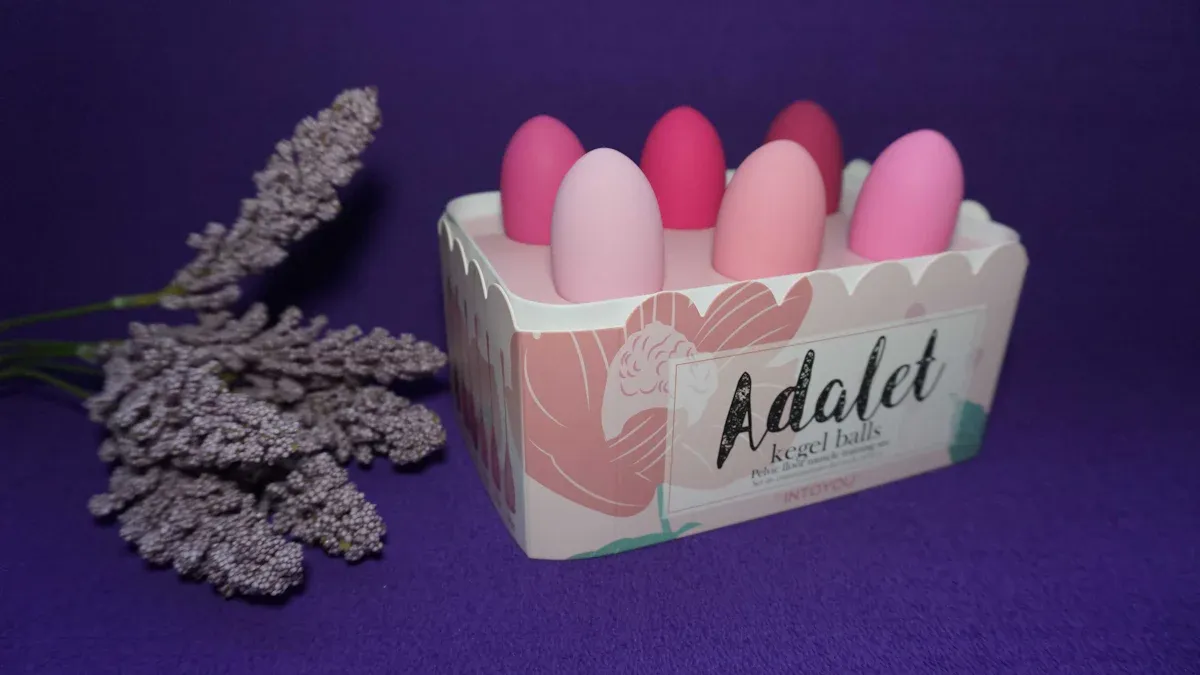
Understanding Kegel Toys
Types of Kegel toys and their functions.
Kegel toys come in various types, each designed to cater to different needs and experience levels. Understanding these options helps you choose the right tool for your pelvic floor training:
- Weighted Kegel Balls: These are small, weighted spheres that provide resistance to help you strengthen your pelvic floor muscles. They are ideal for beginners and advanced users alike, as they come in different weights and sizes.
- Vibrating Kegel Toys: These devices combine vibration with resistance to stimulate your muscles and enhance blood flow. They are often used for both muscle recovery and relaxation.
- Biofeedback Devices: These high-tech tools provide real-time feedback on your muscle contractions, helping you monitor your progress and improve your technique.
- Progressive Sets: These sets include multiple Kegel toys of varying weights and sizes, allowing you to gradually increase the intensity of your workouts as your muscles grow stronger.
Tip: If you’re new to Kegel toys, start with a lightweight option and gradually work your way up to heavier or more advanced devices.
How Kegel toys work to strengthen pelvic floor muscles.
Kegel toys function by adding resistance to your pelvic floor exercises. When you insert the toy, your muscles naturally contract to hold it in place. This contraction strengthens the muscles over time, much like lifting weights strengthens your arms or legs. Some toys, like biofeedback devices, also provide immediate feedback, helping you understand how well you’re engaging your muscles. This feature can be especially helpful if you’re unsure whether you’re performing the exercises correctly.
Studies have shown that using tools like Kegel toys can enhance the effectiveness of pelvic floor training. Traditional Kegel exercises often lack immediate feedback, making it difficult to assess your progress. Biofeedback devices solve this issue by giving you real-time insights, ensuring you’re targeting the right muscles and improving your technique.
Benefits of Using Kegel Toys
Improved muscle tone and strength.
Regular use of Kegel toys can significantly improve the tone and strength of your pelvic floor muscles. These muscles support your bladder, uterus, and rectum, playing a crucial role in your overall core stability. Strengthening them can help you regain control and confidence, especially after events like childbirth or surgery.
Enhanced bladder control and reduced incontinence.
One of the most notable benefits of Kegel toys is their ability to improve bladder control. Many women experience urinary incontinence after childbirth or as they age. By strengthening your pelvic floor muscles, you can reduce or even eliminate this issue. Research also suggests that Kegel exercises can lower the risk of fecal incontinence, particularly in women who have experienced severe perineal tears.
Note: Consistency is key. Aim to use your Kegel toys regularly to see noticeable improvements in bladder control and overall pelvic health.
Faster recovery after childbirth or surgery.
Kegel toys are highly recommended for postpartum recovery. They help rebuild the strength and elasticity of your pelvic floor muscles, which often weaken during pregnancy and childbirth. Using these tools can also speed up recovery after pelvic surgeries, reducing discomfort and restoring normal function more quickly.
Additional benefits include slowing the progression of pelvic organ prolapse (POP) and enhancing sexual health. Stronger pelvic floor muscles can lead to increased sensation and pleasure during intimacy, contributing to a more fulfilling sexual experience.
Quick Fact: Studies show that regular pelvic floor training with Kegel toys can improve muscle awareness and control, making recovery more effective and sustainable.
How to Use Kegel Toys: A Step-by-Step Guide
Preparing for Kegel Toy Use
Choosing the right Kegel toy for your needs.
Selecting the right Kegel toy is crucial for effective pelvic floor training. As a beginner, you should prioritize comfort and ease of use. Lightweight Kegel balls or progressive sets with varying weights are excellent starting points. These options allow you to gradually increase resistance as your muscles strengthen. Vibrating Kegel toys or biofeedback devices can also be beneficial if you want additional stimulation or real-time feedback on your progress.
When choosing a toy, consider factors such as material, size, and weight. Silicone toys are popular due to their hypoallergenic and non-porous properties, making them safe and easy to clean. Ensure the toy has a retrieval string or loop for safe removal. If you’re unsure which toy suits your needs, consult a healthcare professional for guidance.
Tip: Start with a toy that feels manageable in size and weight. Avoid jumping to heavier options too quickly, as this can strain your muscles.
Cleaning and sanitizing the toy before use.
Proper hygiene is essential to prevent infections and ensure safe use. Before using your Kegel toy, wash it thoroughly with warm water and antibacterial soap. Pay special attention to any grooves or textured areas where bacteria might accumulate. Rinse the toy well to remove all soap residue, then pat it dry with a clean towel.
For added safety, consider using a toy cleaner specifically designed for intimate products. If your toy is made of silicone or metal, you can also sterilize it by boiling it for 3-5 minutes (check the manufacturer’s instructions first). Always wash your hands before handling the toy to maintain cleanliness.
Note: Never share your Kegel toys with others, even if they are cleaned. This helps prevent the spread of bacteria or infections.
Inserting and Positioning Kegel Toys
Tips for comfortable and safe insertion.
Inserting a Kegel toy should be a gentle and comfortable process. Begin by applying a water-based lubricant to the toy and yourself to reduce friction. Lie down in a relaxed position, such as on your back with your knees bent. Slowly and gently insert the toy, ensuring you don’t force it. If you feel any discomfort, stop and adjust your position or the angle of insertion.
Take deep breaths to relax your pelvic muscles during insertion. This helps ease the process and minimizes tension. If you’re using weighted balls, insert one ball at a time, ensuring the retrieval string remains outside your body for easy removal.
Tip: If you’re new to Kegel toys, practice inserting and removing the toy a few times before starting your exercises. This helps you become more comfortable with the process.
Ensuring proper placement for effective results.
Proper placement of the Kegel toy is essential for effective muscle engagement. The toy should sit comfortably inside your vaginal canal, not too deep or too shallow. You should feel it in place without any pain or discomfort. If you’re using weighted balls, your pelvic muscles should naturally contract to hold them in position.
To check if the toy is correctly placed, try standing up and walking around. The toy should stay in place without slipping out. If it feels like it’s about to fall, you may need to adjust its position or choose a lighter weight.
Quick Fact: Proper placement ensures that your pelvic floor muscles are actively engaged, maximizing the benefits of your exercises.
Performing Kegel Exercises with Toys
How to contract and release pelvic floor muscles.
Performing Kegel exercises with a toy involves contracting and relaxing your pelvic floor muscles. To locate these muscles, imagine you’re trying to stop the flow of urine midstream or tighten your vagina around a tampon. Once you’ve identified the correct muscles, follow these steps:
- Insert the Kegel toy as described earlier.
- Tighten your pelvic floor muscles around the toy for 3-5 seconds.
- Relax your muscles completely for 3-5 seconds.
- Repeat this process 10 times, focusing on controlled and deliberate movements.
As you progress, gradually increase the duration of each contraction and relaxation to 10 seconds. Aim for a total of 30-40 repetitions daily, spread across multiple sessions.
Pro Tip: Avoid engaging other muscles, such as your thighs or abdomen, during the exercises. Focus solely on your pelvic floor for optimal results.
Recommended beginner-friendly exercise routines.
For beginners, it’s important to start with simple and manageable routines. Here’s a suggested plan:
- Week 1-2: Perform 5 repetitions per session, 2 sessions daily. Focus on short contractions (2-3 seconds) to build muscle awareness.
- Week 3-4: Increase to 10 repetitions per session, 3 sessions daily. Gradually extend the duration of each contraction to 5 seconds.
- Week 5 and beyond: Incorporate both short and long contractions into your routine. Aim for 15 repetitions per session, 3 sessions daily.
If you’re using weighted Kegel balls, try holding them in place while performing these exercises. This adds resistance and enhances muscle engagement. For advanced users, biofeedback devices can provide real-time insights, helping you refine your technique and track progress.
Did You Know? Studies show that using biofeedback devices during Kegel exercises significantly improves pelvic muscle strength compared to traditional methods.
| Outcome | Test Group Improvement | Control Group Improvement |
|---|---|---|
| UDI-6 (Urinary Distress Inventory) | Significant at 4 weeks and 8 weeks | Less significant improvement |
By following these steps and routines, you can effectively strengthen your pelvic floor muscles and achieve noticeable results over time.
Removing and Caring for Kegel Toys
Safe removal techniques to avoid discomfort.
Removing Kegel toys requires care to ensure a comfortable and safe experience. Follow these steps to avoid unnecessary discomfort:
- Relax your body and muscles: Before removing the toy, take a few deep breaths to relax your pelvic floor muscles. Tension can make the process more difficult and uncomfortable.
- Find a comfortable position: Sit on the edge of a chair or lie down with your knees bent. These positions provide better access and control during removal.
- Use the retrieval string or loop: Most Kegel toys come with a built-in string or loop for easy removal. Gently pull on this feature while keeping your pelvic muscles relaxed. Avoid tugging forcefully, as this can cause irritation.
- Apply gentle pressure if needed: If the toy feels stuck, try bearing down slightly, as if you are having a bowel movement. This action helps your pelvic muscles push the toy downward for easier removal.
- Stay calm and patient: If you experience difficulty, pause and take a moment to relax. Rushing can lead to discomfort or strain.
Tip: If your Kegel toy lacks a retrieval string, use clean fingers to gently grasp and remove it. Always ensure your hands are sanitized before attempting this.
Cleaning and storing Kegel toys properly.
Proper cleaning and storage of Kegel toys are essential for maintaining hygiene and prolonging their lifespan. Here’s a step-by-step guide:
- Clean immediately after use: Wash the toy with warm water and mild, unscented soap. Focus on any textured areas or grooves where bacteria might accumulate. Rinse thoroughly to remove all soap residue.
- Use specialized toy cleaners: For added safety, consider using a cleaner specifically designed for intimate products. These cleaners are formulated to eliminate bacteria without damaging the toy’s material.
- Sterilize when possible: If your toy is made of non-porous materials like silicone or stainless steel, sterilize it by boiling it for 3-5 minutes. Always check the manufacturer’s instructions to confirm if this method is safe for your toy.
- Dry completely: After cleaning, pat the toy dry with a clean, lint-free towel. Allow it to air dry fully before storing it to prevent moisture buildup, which can lead to bacterial growth.
- Store in a clean, dry place: Place the toy in a storage pouch or container to protect it from dust and contaminants. Avoid storing it in direct sunlight or extreme temperatures, as these conditions can degrade the material over time.
Note: Never use abrasive cleaners or alcohol-based solutions on your Kegel toys, as these can damage the surface and compromise their safety.
| Do’s | Don’ts |
|---|---|
| Wash with warm water and mild soap | Use harsh chemicals or abrasives |
| Use a storage pouch or container | Store in humid or dusty environments |
| Check for material compatibility | Skip cleaning after each use |
By following these steps, you can ensure your Kegel toys remain safe, hygienic, and effective for long-term use.
Safety Tips and Potential Risks of Kegel Toys
Essential Safety Guidelines
Avoiding overuse or prolonged wear
Using Kegel toys effectively requires moderation. Overusing them or wearing them for extended periods can strain your pelvic floor muscles, leading to discomfort or even injury. Limit usage to short sessions, typically 15–30 minutes, and avoid keeping them in for more than 4–6 hours. This allows your muscles to relax and contract naturally, preventing fatigue.
When performing exercises, focus on controlled movements. Squeeze your pelvic muscles for about 5 seconds, then rest for at least 5 seconds before repeating. This rhythm ensures proper engagement without overloading your muscles.
Tip: If you feel soreness or fatigue after a session, take a break for a day or two to allow your muscles to recover. Consistency is important, but so is listening to your body.
Choosing the correct size and weight for your level
Selecting the right Kegel toy is crucial for safe and effective use. Beginners should start with lightweight options made of plastic or silicone. These materials are gentle and easy to handle. Gradually increase the difficulty by choosing toys with smaller sizes or heavier weights as your muscles strengthen.
Progressive sets, which include toys of varying weights, are ideal for tracking your progress. Begin with two lightweight balls and adjust as you become more familiar with the practice. Avoid jumping to advanced options too quickly, as this can strain your muscles and hinder progress.
Note: Ensure your Kegel toys are made from safe materials like FDA-approved medical-grade silicone, glass, or metal. These materials minimize health risks and are easy to clean.
Recognizing and Addressing Issues
When to stop using Kegel toys
Knowing when to pause or stop using Kegel toys is essential for your safety. Discontinue use immediately if you experience persistent discomfort, pain, or unusual symptoms like bleeding or irritation. These signs may indicate improper use or an underlying issue that requires attention.
Avoid using Kegel toys if you have an overactive pelvic floor, pelvic pain, or infections such as thrush or herpes. Additionally, consult a healthcare professional before using them if you are pregnant, recovering from childbirth, or have had recent gynecological surgery.
Quick Fact: Sharing Kegel toys is not recommended, even if cleaned thoroughly. This practice increases the risk of infections.
Consulting a healthcare professional if discomfort occurs
If discomfort persists despite proper use, seek guidance from a healthcare professional. A pelvic floor specialist can assess your condition and recommend adjustments to your routine. They may suggest alternative therapies or treatments to address specific concerns.
Clinical studies highlight the importance of professional advice in optimizing pelvic floor training. For example, participants using advanced devices like the leva® system reported significant improvements in urinary distress inventory scores compared to traditional methods. These results underscore the value of tailored guidance in achieving effective outcomes.
| Study Insights | Details |
|---|---|
| Participant Groups | Active control group vs. treatment arm using the leva® device |
| Data Monitoring | Real-time data capture via electronic patient-reported outcomes (ePRO) |
| Study Outcomes | Statistically significant improvement in urinary distress inventory (UDI-6) |
| Retention Rate | 89% retention rate and 93.5% ePRO compliance rate |
| Demographics | 20% of participants from diverse backgrounds; 22% aged 65 or older |
Tip: Regularly monitor your progress and symptoms. If you notice a lack of improvement or worsening discomfort, consult a specialist promptly.
Tips for Beginners: Starting with Kegel Toys
Selecting the Right Kegel Toy
Factors to consider, such as size, material, and weight.
Choosing the right Kegel toy is essential for effective pelvic floor training. As a beginner, prioritize comfort and safety. Look for toys made from body-safe silicone, as this material is hypoallergenic and easy to clean. Ensure the toy includes a removal string or loop for safe and hassle-free use.
Start with lightweight options to avoid straining your muscles. Toys that come in progressive sets with varying weights allow you to begin with lighter resistance and gradually increase as your strength improves. Size also matters; smaller toys may be more challenging to hold in place, while larger ones can provide better stability for beginners.
Tip: Avoid toys with rough textures or sharp edges. Smooth surfaces ensure a more comfortable experience during insertion and use.
Recommendations for beginner-friendly Kegel toys.
Beginner-friendly Kegel toys often feature simple designs and manageable weights. Weighted Kegel balls with a retrieval string are a popular choice. These toys provide gentle resistance and are easy to handle. Silicone-based options are ideal for their durability and comfort.
Progressive sets are another excellent choice. These sets include multiple toys with varying weights, allowing you to start light and gradually increase intensity. Vibrating Kegel toys can also be helpful for beginners seeking additional stimulation to enhance muscle engagement.
Quick Fact: Many beginners find success with Kegel balls weighing between 30–50 grams. This range offers enough resistance to activate muscles without causing strain.
Building a Routine with Kegel Toys
How often to use Kegel toys for optimal results.
Consistency is key to achieving noticeable results with Kegel toys. Begin by using them for short sessions, around 15–20 minutes, three times a week. Gradually increase the frequency to daily use as your muscles adapt. Avoid overtraining, as this can lead to fatigue or discomfort.
Focus on quality over quantity. Perform controlled contractions and relaxations during each session. This ensures proper engagement of your pelvic floor muscles without overloading them.
Pro Tip: Schedule your sessions at the same time each day to build a habit. Morning routines often work well for beginners.
Setting realistic goals and tracking progress.
Setting achievable goals helps you stay motivated and measure your progress. Start with simple objectives, such as holding contractions for 3–5 seconds or completing 10 repetitions per session. Gradually increase the duration and number of repetitions as your strength improves.
Track your progress using a journal or app. Record details like the weight of the toy used, the number of repetitions, and any noticeable changes in muscle tone or bladder control. This practice helps you identify patterns and adjust your routine for better results.
| Goal | Beginner Target | Intermediate Target |
|---|---|---|
| Contraction Duration | 3–5 seconds | 8–10 seconds |
| Repetitions per Session | 10 | 15–20 |
| Weekly Frequency | 3 sessions | 5–7 sessions |
Note: Celebrate small victories, such as holding a contraction longer or completing more repetitions. These milestones indicate progress and keep you motivated.
Staying Motivated and Consistent
Using apps or journals to monitor improvement.
Tracking your progress keeps you focused and motivated. Use apps designed for pelvic floor training to monitor your sessions and set reminders. These tools often include guided routines and progress charts, making it easier to stay consistent.
Alternatively, maintain a journal to record your experiences. Write down details like the type of toy used, session duration, and any improvements you notice. Reflecting on your progress helps you stay committed and identify areas for improvement.
Tip: Choose apps with customizable routines to match your skill level. Many apps also offer educational resources to enhance your understanding of pelvic floor health.
Celebrating milestones to stay encouraged.
Recognizing your achievements keeps you motivated and reinforces positive habits. Celebrate milestones such as completing a full week of training or successfully increasing the weight of your Kegel toy. Reward yourself with small treats or share your progress with a supportive friend or partner.
Set short-term and long-term goals to maintain focus. For example, aim to improve bladder control within a month or increase muscle strength over three months. Achieving these goals boosts your confidence and encourages you to continue your journey.
Quick Fact: Research shows that celebrating milestones improves adherence to fitness routines by up to 30%. Use this strategy to stay consistent with your Kegel exercises.
Common Mistakes to Avoid with Kegel Toys
Overtraining and Incorrect Techniques
Why proper form is essential for results.
Using proper form during pelvic floor exercises ensures you target the correct muscles and avoid unnecessary strain. When you use Kegel Toys, your pelvic floor muscles should contract and relax naturally. Incorrect techniques, such as engaging your abdominal or thigh muscles, can reduce the effectiveness of your training and lead to discomfort.
For example, if you tighten your glutes or hold your breath while performing Kegel exercises, you may inadvertently shift the focus away from your pelvic floor. This not only delays progress but can also cause muscle imbalances. Always focus on isolating your pelvic floor muscles. A helpful tip is to imagine stopping the flow of urine midstream—this action activates the correct muscles.
Tip: If you’re unsure about your form, consider consulting a pelvic floor specialist or using biofeedback devices. These tools provide real-time feedback to help you refine your technique.
Signs of overtraining and how to avoid it.
Overtraining occurs when you push your pelvic floor muscles beyond their capacity, leading to fatigue or soreness. Signs of overtraining include persistent discomfort, difficulty holding contractions, or a feeling of heaviness in your pelvic area.
To avoid overtraining, start with short sessions, such as 10–15 minutes, and gradually increase the duration as your muscles strengthen. Limit your use of Kegel Toys to 3–4 times per week initially, allowing your muscles time to recover between sessions. If you experience soreness, take a break for a day or two before resuming your routine.
Quick Fact: Overtraining can weaken your pelvic floor muscles instead of strengthening them. Balance is key to achieving optimal results.
Neglecting Hygiene and Maintenance
Importance of regular cleaning and inspection.
Maintaining proper hygiene is crucial when using Kegel Toys. Failing to clean your toys after each use can lead to bacterial growth, increasing the risk of infections. Regular inspection ensures your toys remain safe and functional.
After each session, wash your toy with warm water and mild soap. Pay attention to textured areas where bacteria might accumulate. For deeper cleaning, use a specialized toy cleaner or sterilize the toy if the material allows. Inspect the toy for signs of wear, such as cracks or discoloration, which can compromise its safety.
Note: Always dry your toy completely before storing it to prevent moisture buildup, which can harbor bacteria.
Risks of using damaged or low-quality Kegel toys.
Using damaged or low-quality Kegel Toys poses significant risks to your health. Cracks or rough edges can cause irritation or small tears in the vaginal tissue. Low-quality materials, especially porous ones, can trap bacteria, making them difficult to clean and increasing the risk of infections.
Invest in high-quality toys made from medical-grade silicone, stainless steel, or glass. These materials are non-porous, hypoallergenic, and easy to sanitize. Avoid toys with visible damage or those made from unknown materials. If a toy feels uncomfortable or causes irritation, discontinue use immediately.
| Do’s | Don’ts |
|---|---|
| Use medical-grade materials | Use toys with cracks or rough edges |
| Clean and inspect after every use | Skip cleaning or use harsh chemicals |
| Replace damaged toys immediately | Continue using worn-out toys |
Pro Tip: Replace your Kegel Toys every 6–12 months or sooner if you notice any signs of wear. This ensures your training remains safe and effective.
When to Seek Professional Guidance
Identifying the Need for Help
Persistent discomfort or lack of progress
If you experience ongoing discomfort while using Kegel Toys, it’s time to reassess your approach. Persistent pain or irritation may indicate improper use or an underlying condition that requires attention. For example, if you feel sharp pain during insertion or exercises, this could signal a pelvic floor injury or inflammation. Similarly, if you’ve been using Kegel Toys consistently for several weeks without noticeable improvement, your routine may need adjustment. Lack of progress often stems from incorrect techniques or choosing toys that don’t match your skill level.
To address these issues, pause your routine and evaluate your methods. Ensure you’re targeting the correct muscles and using toys suited to your needs. If discomfort persists or progress remains stagnant, consulting a specialist can provide clarity and solutions tailored to your situation.
Signs that indicate professional advice is necessary
Certain symptoms demand immediate professional guidance. These include bleeding, severe pain, or signs of infection such as unusual discharge or odor. Additionally, if you notice worsening pelvic floor symptoms, such as increased incontinence or a feeling of heaviness in your pelvic area, seek help promptly. These issues may indicate conditions like pelvic organ prolapse or muscle dysfunction that require medical intervention.

Another sign to watch for is difficulty inserting or removing Kegel Toys. If you struggle with these actions despite following recommended techniques, it could point to anatomical concerns or muscle tightness. A healthcare provider can assess these challenges and recommend appropriate solutions.
Tip: Keep a journal of your symptoms and progress. Sharing detailed notes with your specialist can help them diagnose and treat your condition effectively.
Consulting a Specialist
How a pelvic floor specialist can assist
A pelvic floor specialist offers expertise in diagnosing and treating issues related to pelvic health. During your consultation, they may perform a physical examination to assess muscle strength, tone, and any abnormalities. They can also guide you in refining your technique, ensuring you engage the correct muscles during exercises. For example, if you’re unintentionally using your abdominal muscles instead of your pelvic floor, a specialist can teach you how to isolate the right muscle group.
Specialists often recommend tailored exercise plans or alternative therapies based on your needs. These plans may include biofeedback training, which uses sensors to provide real-time feedback on muscle activity. This technology helps you understand how to perform exercises effectively, maximizing the benefits of Kegel Toys.
Additional therapies or treatments to consider
In some cases, specialists may suggest treatments beyond Kegel exercises. Physical therapy is a common recommendation for individuals with severe pelvic floor dysfunction. Therapists use techniques like manual therapy and targeted exercises to improve muscle strength and flexibility. For conditions like pelvic organ prolapse, surgical options may be discussed if conservative treatments prove ineffective.
Other therapies include electrical stimulation, which uses mild electrical currents to activate pelvic floor muscles. This method is particularly helpful for individuals with weak or inactive muscles. Additionally, specialists may recommend lifestyle changes, such as weight management or dietary adjustments, to support pelvic health.
Quick Fact: Studies show that combining Kegel exercises with professional therapies can significantly improve pelvic floor strength and reduce symptoms of incontinence.
| Therapy | Purpose | Recommended For |
|---|---|---|
| Biofeedback Training | Provides real-time feedback on muscle activity | Individuals struggling with technique |
| Physical Therapy | Improves muscle strength and flexibility | Severe pelvic floor dysfunction |
| Electrical Stimulation | Activates weak or inactive muscles | Weak pelvic floor muscles |
| Surgical Intervention | Repairs structural issues | Advanced pelvic organ prolapse |
By seeking professional guidance, you can address persistent issues and explore advanced treatments to enhance your pelvic health.
Using Kegel Toys offers a practical and effective way to strengthen your pelvic floor muscles and support muscle recovery. These tools can improve bladder control, enhance muscle tone, and speed up recovery after childbirth or surgery. By incorporating them into your routine, you can regain confidence and improve your overall quality of life.
Start your journey with a beginner-friendly approach. Choose the right toy, follow proper techniques, and stay consistent. Always prioritize safety by maintaining hygiene and seeking professional advice if needed. With patience and dedication, you can achieve noticeable results and long-term benefits.
FAQ
What are the signs that I am using Kegel toys correctly?
You should feel your pelvic floor muscles contracting and releasing without engaging your thighs, glutes, or abdomen. If the toy stays in place during exercises and you experience no discomfort, you’re likely using it correctly. Consistent practice should lead to noticeable improvements in muscle strength.
How long does it take to see results with Kegel toys?
Most users notice improvements in muscle tone and bladder control within 4–6 weeks of consistent use. Results depend on factors like frequency, technique, and starting muscle strength. Track your progress to stay motivated and adjust your routine as needed.
Can I use Kegel toys during pregnancy?
Consult your healthcare provider before using Kegel toys during pregnancy. While pelvic floor exercises are generally safe and beneficial, certain conditions or complications may require modifications. A professional can guide you on safe practices tailored to your needs.
How do I know which Kegel toy weight to start with?
Begin with a lightweight toy, typically 30–50 grams, to avoid straining your muscles. Gradually increase the weight as your strength improves. Progressive sets with varying weights are ideal for beginners. Always prioritize comfort and proper technique over heavier resistance.
Are Kegel toys safe to use daily?
Yes, but limit sessions to 15–30 minutes per day to prevent overtraining. Allow your muscles time to recover between sessions. If you experience soreness or fatigue, reduce the frequency and consult a specialist if symptoms persist.
What should I do if I experience discomfort while using Kegel toys?
Stop using the toy immediately and reassess your technique. Ensure proper insertion, placement, and hygiene. If discomfort persists, consult a pelvic floor specialist to rule out underlying issues or receive tailored guidance.
Can men use Kegel toys?
Yes, men can benefit from pelvic floor exercises to improve bladder control, sexual health, and recovery from prostate surgery. Specialized Kegel toys designed for male anatomy are available. Consult a healthcare provider for recommendations and guidance.
How do I clean and store Kegel toys properly?
Wash the toy with warm water and mild soap after each use. Use a toy cleaner or sterilize it if the material allows. Dry it completely and store it in a clean, dry pouch or container. Avoid exposing it to extreme temperatures or direct sunlight.
Tip: Regular cleaning prevents infections and prolongs the toy’s lifespan.