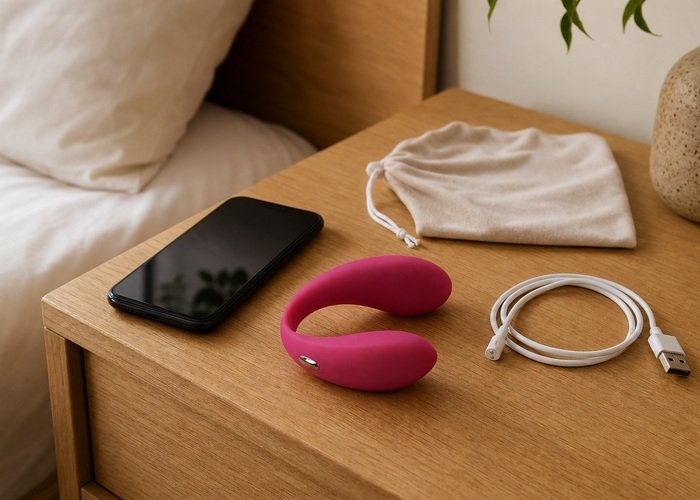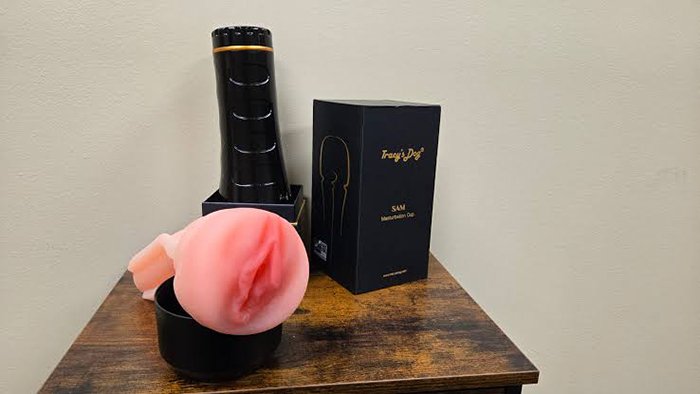
Reconnecting with joy after trauma or surgery can be hard. You might face emotional or physical challenges that feel scary. Healing after trauma needs small steps and helpful tools. Sex toys can be a safe way to find comfort again. Focus on your safety by listening to your body’s needs. Make sure your space feels calm and safe for you. Always explore with patience and kindness toward yourself.
Key Takeaways
- Talk to a doctor before trying anything new. Their advice keeps you safe.
- Notice if you feel calmer and curious about your body. These are signs you might be ready.
- Use sex toys to safely connect with your body. They help you learn what feels nice and boost confidence.
- Pick toys made from safe stuff like silicone or glass. This keeps you healthy while exploring.
- Start with easy-to-use toys for beginners. Take your time and do what feels right for you.
- Make a peaceful space for exploring. A calm place helps you relax and enjoy yourself.
- Be proud of small wins in your healing. Each step makes you stronger and more confident.
- Share your thoughts with trusted friends or a therapist. Talking helps you feel less alone and builds support.
Healing After Trauma: Understanding Safety and Readiness
Consulting with Healthcare Professionals
Why medical advice is important before starting
Talking to a doctor before exploring pleasure is very important. They can check if your body and mind are ready. This helps you stay safe and avoid setbacks in healing. Doctors give advice that fits your needs and situation. Their guidance helps you make smart choices for your recovery.
| Principle | What It Means |
|---|---|
| Safety | Creating a safe space for healing and feeling secure. |
| Trustworthiness and Transparency | Being honest and clear to build trust with others. |
| Empowerment | Helping you take control of your healing journey. |
Questions to ask your doctor or therapist
When meeting with a doctor, ask about your recovery needs. Some good questions are:
- “Are there any activities I should avoid right now?”
- “How can I handle emotional challenges during this time?”
- “What tools, like sex toys, are safe for me to use?”
- “How will I know when I’m ready to start exploring?”
These questions help you feel sure and prepared as you heal.
Recognizing Personal Readiness
Signs you might be ready to explore pleasure
Knowing you’re ready means noticing changes in how you feel. You may feel less upset by past trauma or more curious about your body. Being able to talk openly with trusted people is another good sign.
| Readiness Signs | What to Look For |
|---|---|
| Emotional State | Feeling calmer and less triggered by past events. |
| Physical Healing | Your body feels better and ready for new activities. |
| Support Network | Having friends or professionals to help you through the process. |
Emotional and physical things to think about
Your feelings matter when deciding if you’re ready. If you feel nervous, talk to a therapist or support group first. Make sure your body has healed enough to avoid pain or harm. Having people you trust can also make this easier and less scary.
By thinking about these things, you can heal with care and confidence. This way, your journey will be safe and help you grow stronger.
How Sex Toys Help with Healing After Trauma
Learning About Your Body
Getting to know your body again after trauma
After trauma or surgery, reconnecting with your body can be tough. Sex toys can help you feel more comfortable with yourself. They let you explore in a safe and private way. This helps you learn what feels good and what doesn’t. You can start to feel more in control of your body again. Toys that aren’t shaped like body parts are often less upsetting. Asking yourself, “What feels nice to me right now?” can guide you to understand your needs.
Noticing your body’s feelings and limits
It’s important to listen to your body’s signals while healing. Sex toys can help you notice what feels safe and okay. Making a Yes/No/Maybe list can also be useful. This list shows what you’re okay with and what you’re not. Respecting these limits helps you trust yourself more. It also gives you a good starting point for healing.
Helping Emotional Healing
How feeling good helps your emotions
Feeling pleasure can help you heal emotionally. Using sex toys in a safe space can bring back joy. For people who’ve been through trauma, this can be life-changing. It lets you explore without worrying about a partner. This makes you feel safer and more in control. Over time, these good experiences can replace fear or shame with confidence.

Gaining confidence and liking yourself more
Using sex toys can make you feel better about yourself. Each small step, like trying a new toy, builds your confidence. These moments show you can take care of yourself. Celebrating these steps helps you feel proud of your progress. Over time, you can rebuild trust with your body and emotions. This leads to a happier and stronger life.
Helping Your Body Heal
Helping your body relax and recover
Gentle touch can help your body heal faster. Sex toys made for relaxation can improve blood flow and ease tension. Toys with soft vibrations can help you feel less stressed. This helps your body recover and makes you feel better overall.
Easing pain with gentle touch
If you feel pain, sex toys can help with gentle care. They can work like soft exercises to ease discomfort. Toys with adjustable settings let you choose what feels best. Adding these tools to your routine can help with pain. They also help you feel closer to your body as you heal.
Choosing the Right Sex Toys for Healing After Trauma
Picking Safe Materials
Materials that are safe for your body
When choosing sex toys, pick materials that are safe for your body. Good options include medical-grade silicone, borosilicate glass, and stainless steel. These materials are smooth, easy to clean, and gentle on skin. Silicone is soft and bendable, which is great for beginners. Glass and metal toys are harder but feel smooth and comfortable to use.
Using safe materials is very important for your health. For example, non-penetrative toys made from these materials let you explore without pain. The table below shows why these materials are good choices:
| Material Type | Benefits |
|---|---|
| Body-safe silicone | Soft, bendable, and gentle; great for sensitive skin. |
| Borosilicate glass | Easy to clean and smooth; feels firm but comfortable. |
| Stainless steel | Strong and clean; gives a heavy, fancy feel. |
Staying away from unsafe or cheap toys
Avoid toys made from jelly, rubber, or other cheap materials. These can trap germs and might have harmful chemicals like phthalates. Always check labels to make sure the toy is safe and phthalate-free. If the toy doesn’t say what it’s made of, don’t buy it. Picking high-quality toys keeps your healing safe and healthy.
Thinking About Design and Features
What to look for in beginner toys
Beginner toys should be simple and easy to use. Vibrators with soft settings or wands with round heads are good choices. Pick toys that are small, quiet, and easy to hold. This can help you feel more relaxed and comfortable.
Rechargeable toys are also a smart choice because they don’t need batteries. Waterproof toys let you use them in the bath or shower, which can feel calming and private.
Choosing toys that feel right for you
Pick toys that match what feels okay for you. If penetration feels scary, try external toys like bullet vibrators or suction toys. If you’re ready for internal toys, start with slim and smooth ones. Begin with smaller sizes and go slow as you feel more confident. Take your time—your healing is personal and unique.
Finding Toys That Fit Your Needs
Toys for relaxing and feeling calm
Toys with soft vibrations or warming features can help you relax. Massage wands or vibrating cushions are great for easing tight muscles. These toys focus on comfort and help you feel calm without stress.
Toys for pelvic floor or muscle care
For pelvic floor healing, try kegel balls or dilators. These tools can make muscles stronger and more flexible. Dilators are helpful for tightness or discomfort, offering slow and gentle stretching. Choose smooth toys with different sizes to match your progress.
By picking toys that fit your needs, you can heal safely and feel more in control.
Practical Steps for Safe and Comfortable Use
Hygiene and Maintenance
Cleaning and storing your toys properly
Keeping your sex toys clean is very important for safety. Clean toys help prevent infections and make using them more enjoyable. Wash your toys before and after each use with warm water and mild soap. You can also use a special toy cleaner to remove germs. For silicone or glass toys, boiling them for a few minutes can sanitize them further. Always check the instructions to avoid damaging your toy.
Store your toys in a clean, dry place to keep them safe. Use separate bags or cases to stop dust and germs from spreading. Avoid storing toys made of porous materials like jelly rubber, as they can hold bacteria even after cleaning. If your toy has a motor, make sure it’s completely dry before putting it away to avoid damage.
Importance of using clean, body-safe lubricants
Using a safe lubricant makes things more comfortable and reduces friction. Pick lubricants without harmful chemicals like parabens or glycerin, which can irritate skin. Water-based lubricants work well with most toys. For silicone toys, don’t use silicone-based lubricants because they can harm the toy.
Always apply lubricant to clean toys and skin to stay hygienic. If you use flavored or warming lubricants, make sure they’re made for intimate use. Lubricants not only make things smoother but also protect your body from discomfort or strain.
Starting Slow and Gradual Exploration
How to ease into using sex toys
When starting with sex toys, go slow and focus on feeling comfortable. Begin with small, simple toys like bullet vibrators or massage wands. These are less overwhelming and good for exploring sensations. Use the lowest settings to get used to how the toy feels.
Take your time to figure out what you like. Try different areas of your body to learn what feels nice. If you’re unsure, make a Yes/No/Maybe list to set your boundaries. This helps you stay in control and have a positive experience.
Listening to your body and respecting your limits
Your body gives signals about what feels okay and what doesn’t. Pay attention to these signs while exploring. If something feels uncomfortable or wrong, stop right away. Healing takes time, so don’t rush yourself.
Check in with yourself often to see how you feel. Ask questions like, “Does this feel good?” or “Am I comfortable?” Respecting your limits helps you trust your body and feel more confident over time.
Creating a Comfortable Environment
Setting the mood for relaxation and safety
Having a cozy space is important for feeling safe and relaxed. Pick a quiet, private spot where you feel at ease. Use dim lights, soft blankets, and calming music to create a peaceful vibe. Scents like lavender or chamomile can also help you relax.
Make sure there are no distractions in your space. Turn off your phone or other devices so you can focus. A special, calm space for exploring helps you feel safe and in control.
Using mindfulness techniques to stay present
Mindfulness can help you connect with your body and enjoy the moment. Try deep breathing to calm yourself and focus on how you feel. Let go of any distracting thoughts or worries.
You can also imagine a safe, happy place to stay grounded. If you’re with a partner, talk openly about your feelings and boundaries. Mindfulness helps you feel more present and supports emotional healing by keeping you focused on the now.
Overcoming Emotional Barriers to Pleasure
Addressing Shame or Guilt
Seeing pleasure as a helpful part of healing
Feeling shame or guilt can make enjoying pleasure hard. Try to see these feelings as part of getting better. Pleasure is not bad or wrong—it helps you heal and feel stronger. By focusing on how it improves your emotions and body, you can view it as a way to grow instead of something to avoid.
Therapies like CBT and DBT can help change negative thoughts about shame. CBT teaches you to spot and change harmful ideas, while DBT helps you manage emotions better. These methods can improve how you see yourself and make it easier to accept pleasure as a good thing.
| Evidence | What It Means |
|---|---|
| Guilt can help healing | It makes you think about actions and take responsibility. |
| Therapy offers safety | It lets you explore feelings without fear of judgment. |
| CBT changes bad thoughts | It helps you see shame differently and feel better. |
| DBT manages emotions | It builds better ways to handle guilt and enjoy pleasure. |
Getting help from a therapist or trusted person
You don’t have to deal with these feelings alone. Therapists trained in trauma can create safe spaces to talk about shame or guilt. They help you stop blaming yourself and see your experiences in a healthier way. Trusted friends or support groups can also make you feel less alone.
Having people you trust can really help you heal. Talking to someone who listens kindly can make you feel supported. This shows that your feelings matter and that finding joy is a step toward feeling good about yourself again.
- Trauma therapists help rebuild trust and emotional balance.
- Support groups make you feel less lonely and more understood.
- Safe spaces let you work through tough emotions calmly.
Building Confidence Over Time
Celebrating small wins along the way
Healing takes time, and every little success matters. Celebrate small wins, like trying a new toy or feeling more comfortable with yourself. These moments show your strength and remind you that you’re improving.
Studies show celebrating progress helps recovery. People who celebrate are 35% less likely to go backward and feel 30% less shame. Sharing your wins with someone you trust can boost your recovery by 50%.
| Evidence Type | Statistic | What It Shows |
|---|---|---|
| Relapse Rate | 35% | Celebrating progress lowers the chance of setbacks. |
| Recovery Likelihood | 50% | Sharing wins with others improves recovery chances. |
| Self-Stigma Reduction | 30% | Celebrations reduce feelings of shame and self-doubt. |
Being kind and patient with yourself
Healing isn’t quick, so be gentle with yourself. Self-kindness means understanding your struggles without being harsh. Patience lets you heal at your own speed and respect your limits.
If things don’t go as planned, remember that setbacks are normal. Focus on how far you’ve come instead of what went wrong. Small self-care actions, like writing in a journal or practicing mindfulness, can keep you positive. Over time, these habits will build your confidence and help you see pleasure as a healthy, empowering part of life.
Tip: Write in a journal to track your progress. Seeing your growth on paper can boost self-kindness and remind you of your achievements.
Embracing a Sex-Positive Approach to Healing
Redefining Pleasure on Your Terms
Letting go of societal expectations or pressure
Society often tells us how intimacy should look. These ideas can feel overwhelming, especially when healing. Ignoring these rules lets you focus on feeling safe and comfortable.
A sex-positive mindset helps you explore your own path. Many therapies skip rebuilding sexual confidence after trauma. Adding sex therapy can help you understand your feelings better. This approach also highlights learning and talking openly about intimacy. These steps rebuild trust and connection.
Tip: Remember, your healing is unique. There’s no “right” way to feel pleasure. What matters is what feels safe and good for you.
Focusing on what feels good for you
Your healing should focus on what makes you happy. Try exploring sensations or using tools like sex toys. Take time to reconnect with your body.
Self-care coaching can match your healing needs. Coaches who respect your culture and values can help you grow stronger. They can guide you in making routines that fit your boundaries and beliefs.
Note: Healing is personal. Choose methods that match your values and comfort level.
Encouraging Open Conversations
Talking about your journey with trusted partners or friends
Sharing your story with someone you trust can feel empowering. Talking openly about healing reduces loneliness and builds closeness. Whether it’s a friend, partner, or therapist, safe spaces make a big difference.
Research shows safe spaces improve emotional health and relationships. Sharing your needs and limits builds trust and understanding. Open conversations help you feel supported and connected.
Tip: Start small. Share with someone who listens kindly. This builds confidence to open up more later.
Normalizing the use of sex toys for healing
Talking about sex toys can help remove stigma. Experts suggested sex toys during COVID-19 to keep intimacy safe. This shows their importance in emotional and sexual health.
Discussing sex toys openly can ease stress and improve relationships. Seeing them as helpful tools makes pleasure feel normal and empowering. Clear communication about using toys strengthens connections and understanding.
Reminder: Pleasure is important for healing. Using tools like sex toys can rebuild confidence and support recovery.
Staying safe, comfortable, and ready is key when exploring pleasure after trauma. Pay attention to your body and what it tells you. Make a space where you feel calm and supported.
Tip: Healing takes time. Go slow and celebrate small victories.
Be patient and kind to yourself during this process. Understand that setbacks are normal and help you grow. Feeling good is an important part of healing and helps you reconnect with yourself.

If you’re unsure, talk to a doctor or therapist for help. They can give advice that fits your needs and situation. Celebrate every bit of progress, no matter how small. Each step shows your strength and determination.
FAQ
What should I do if I feel overwhelmed while using a sex toy?
Stop right away and take a break. Try calming activities like deep breathing or relaxing exercises. Think about whether you’re ready before trying again. If the feeling doesn’t go away, talk to a therapist or someone you trust for help.
Tip: Pay attention to your body and feelings while exploring.
How do I choose the right sex toy for my needs?
Begin with simple toys like small vibrators or external ones. Pick toys made from safe materials like silicone or glass. Think about what feels comfortable and easy for you. Stay away from toys that seem too complicated or scary.
Note: Your safety and comfort should always come first.
Can I use sex toys if I’m still healing physically?
Ask your doctor before using any sex toy while recovering. They can tell you if your body is ready and suggest safe options. Avoid toys that might cause pain or make healing harder.
Reminder: Take your time to heal. Your health comes first.
How can I clean my sex toys properly?
Wash toys with warm water and mild soap before and after use. For extra cleaning, use a toy cleaner or boil toys without motors if they’re made of silicone or glass. Keep them in a clean, dry spot when not in use.
| Material Type | Cleaning Method |
|---|---|
| Silicone | Wash with soap; boil if no motor. |
| Glass/Metal | Clean with soap or boil safely. |
Is it normal to feel nervous about using sex toys?
Yes, feeling nervous is normal when trying something new. Start slowly in a quiet, private space. Focus on relaxing and taking your time. As you practice, you’ll feel more confident and at ease.
Tip: Celebrate small steps to build your confidence.
What type of lubricant should I use with sex toys?
Water-based lubricants work well with most toys. Don’t use silicone-based lubricants on silicone toys because it can damage them. Check labels for safe ingredients and avoid anything that might irritate your skin.
Note: Lubricants make things smoother and protect your skin.
How can I tell if I’m emotionally ready to explore pleasure?
You might feel ready if you’re less upset by past trauma, curious about your body, and able to set boundaries. If you’re unsure, talk to a therapist or someone you trust for advice.
Reminder: Being emotionally ready is just as important as being physically ready.
Can sex toys help with emotional healing?
Yes, they can. Using them in a safe way helps you feel better about your body. Positive experiences can replace fear or shame with confidence and self-acceptance. This supports emotional healing over time.
Tip: Use toys in a quiet, private space to feel safe.