Living with chronic pain can feel really hard. It can impact everything in your life, even enjoying private moments. But here’s some good news—you can still find ways to masturbate with chronic pain and feel better. Masturbation isn’t only about feeling good physically; it can also ease pain, reduce stress, and make you happier. By learning what feels best for your body, you can enjoy these special moments again, even on difficult days.
Key Takeaways
- Masturbation can help with pain by releasing feel-good chemicals.
- Find comfy positions and use pillows to avoid pain.
- Use lube to feel more comfortable and prevent irritation.
- Pay attention to your body; take breaks and change methods.
- Be kind to yourself and don’t feel bad about self-care.
Understanding the Link Between Chronic Pain and Sexual Health
How Chronic Pain Impacts Sexual Desire and Pleasure
Chronic pain doesn’t just hurt your body—it can affect your sexual health too. Many people with chronic pain notice changes in their sexual desire or find intimacy less enjoyable. Why does this happen? Pain can make sexual activity seem less fun. It can also limit movement, making it hard to find comfy positions.
Mental health matters too. Depression and anxiety, common with chronic pain, can lower interest in sex. Medicines like opioids or antidepressants, often used for pain, may also reduce sexual function. Here are some quick facts:
- Over half of chronic pain patients report sexual problems, compared to 20-30% of others.
- Pain during sex or emotional struggles can make intimacy feel tough.
- Women with chronic pain often feel less satisfied sexually than men.
If you face these issues, you’re not alone. Knowing these links can help you take steps to feel better and enjoy intimacy again.
The Role of Masturbation in Pain Relief
Masturbation can help manage chronic pain. When you masturbate, your body releases endorphins. These natural chemicals ease pain and lift your mood. This can make your pain feel less intense, even if just for a while. Experts like Dr. Komisaruk and Dr. Whipple found that vaginal stimulation and orgasm can ease pain from arthritis or menstrual cramps.
Masturbation also helps you reconnect with your body. Chronic pain can make you feel upset or distant from your physical self. Exploring what feels good reminds you that your body can still feel pleasure.
Benefits of Masturbation for Mental and Physical Well-Being
Masturbation isn’t only about feeling good physically—it has many mental and physical benefits, especially for people with chronic pain. Here’s how it helps:
- Improves mood: It lowers stress and helps you feel calmer.
- Boosts self-esteem: Feeling good in your body can make you more confident.
- Enhances sleep: Orgasms release hormones that help you relax and sleep better.
- Increases sexual desire: Regular masturbation can make it easier to feel aroused.
- Supports overall health: Some studies say it might lower prostate cancer risks.
If you live with chronic pain, these benefits can really help. By finding ways to masturbate that work for you, you can enjoy these positives while managing your pain.
Tip: Start slow and pay attention to your body. Even a few minutes of self-pleasure can help you feel calmer and more in control.
Practical Tips to Masturbate with Chronic Pain
Choosing Comfortable Positions to Reduce Strain
Picking the right position can really help with chronic pain. Some positions might hurt, while others feel better. Try lying on your back with a pillow under your knees. This can support your back and hips, making you more comfortable.
You can also use pillows or wedges to prop yourself up. These give extra support and help you find a good position. If your back hurts, keep your spine straight for less pain. Test different setups until you find one that works for you.
Tip: Go slow and pay attention to your body. If it hurts, change positions or take a break.
Using Lubrication for Enhanced Comfort
Lubrication can make a big difference if you have chronic pain. It reduces rubbing, which helps avoid irritation and makes things smoother. Water-based lubricants are gentle and easy to clean. They also lower the chance of tiny skin tears that could cause more pain.
Here’s how lubrication helps:
| Benefit | How It Helps |
|---|---|
| Comfort Improvement | Makes everything smoother and more comfortable. |
| Irritation Reduction | Stops too much rubbing that can hurt your skin. |
| Pain Minimization | Reduces pain and makes the experience more enjoyable. |
If you’ve never used lube, start with a little and add more if needed. It’s a simple way to feel better.
Experimenting with Techniques That Suit Your Body
Everyone’s body is unique, so what works for one person may not work for you. That’s why trying different techniques is important. Slow, gentle movements can help some people relax and feel less pain. Others might like using a vibrator or tools to avoid straining their hands.
Self-pleasure is a chance to reconnect with your body. It helps you learn what feels good and what works best for you. For example, people with endometriosis often feel better after an orgasm because it releases endorphins. Trying different speeds, pressures, or tools can help you find relief.
Note: Take your time and enjoy exploring. Discover what feels best for your body.
Taking Breaks and Listening to Your Body
When you masturbate with chronic pain, it’s important to listen to your body. Pain can be unpredictable, and pushing through discomfort might make things worse. Taking breaks and pacing yourself can help you enjoy the experience without overdoing it.
Start by setting a relaxed pace. If you feel any discomfort, pause and check in with your body. Ask yourself, “Does this feel good, or do I need to adjust?” Sometimes, even a short break can make a big difference. Use this time to stretch, change positions, or simply breathe deeply to relax your muscles.
Here’s a simple guide to help you stay in tune with your body:
- Pay attention to pain signals: If something feels off, stop immediately. Pain is your body’s way of saying it needs a break.
- Set a timer: If you tend to lose track of time, use a timer to remind yourself to pause every 10-15 minutes.
- Hydrate and rest: Keep water nearby and take a moment to hydrate. Resting between sessions can help you recharge.
- Use mindfulness techniques: Focus on your breathing or try progressive muscle relaxation. These can help you stay calm and reduce tension.
Tip: Don’t rush the process. Self-pleasure is about feeling good, not meeting a goal. Take your time and enjoy the journey.
Remember, your body knows best. By listening to it and respecting its limits, you can create a more enjoyable and pain-free experience. Over time, you’ll learn what works for you and how to balance pleasure with comfort.
Tools and Aids for Masturbating with Chronic Pain
Easy-to-Use and Hands-Free Sex Toys
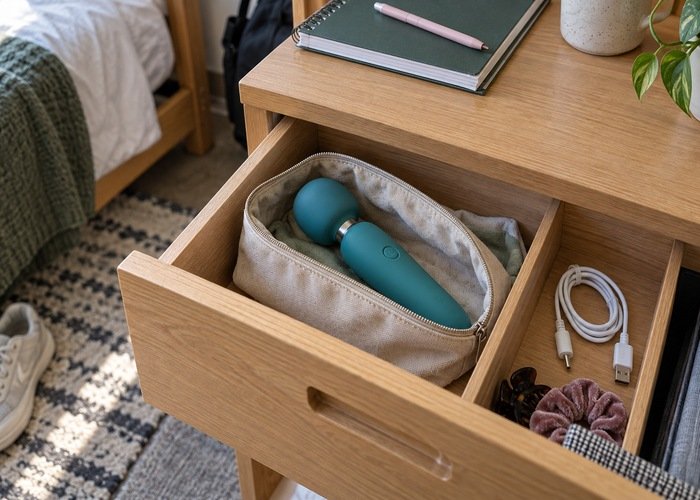
If chronic pain makes moving hard, special toys can help. These toys are made to be easy on your body. For example, vibrators with big handles or buttons are simple to hold. This is helpful if you have wrist pain or arthritis. You can also adjust the strength of vibrations if you feel less sensation.
Here are some helpful options:
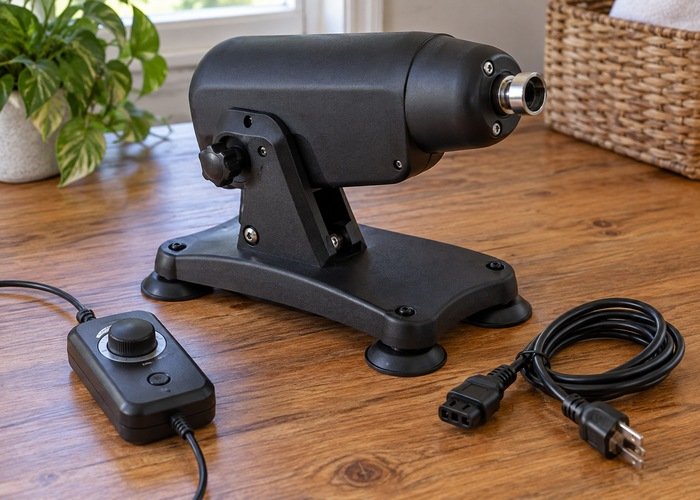
- Bonbon sex toy mount: Lets you use toys without your hands. Great for limited arm movement.
- Ruby Glow: Needs very little effort, good for hand or arm pain.
- Pulse Duo and Pulse Solo: Work hands-free, so you don’t need to hold them.
- Liberator mounts: Keep toys steady and reduce muscle strain.
- BodyWand Midnight: Has a dial that’s easy to turn, perfect for sore joints.
These tools let you enjoy yourself without extra pain or stress.
Using Pillows and Wedges for Comfort
Pillows and wedges aren’t just for sleeping—they can make self-pleasure more comfortable. They support your body and ease pressure on painful spots. These aids help you find positions that don’t hurt, especially if you have back or joint pain.
Here’s how they help:
- Pressure relief: Pillows protect sore areas and make you feel better.
- Better stability: Wedges keep you steady, so you don’t strain muscles.
- Custom comfort: Stack pillows to fit your body’s needs.
For example, putting a wedge under your hips can ease lower back pain. If moving is hard, a positioning pillow can keep you comfy longer.
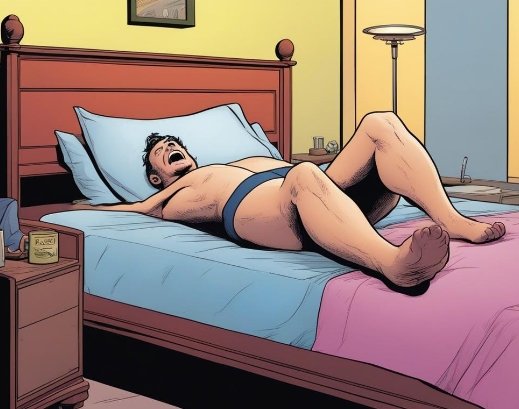
Tip: Memory foam pillows or wedges work best. They’re firm but still soft and cozy.
Trying New Sensations with Temperature and Textures
Adding new feelings to your routine can make it more fun. It can also take your mind off pain. Playing with warm or cool items and textured toys can create exciting sensations. These can help you focus on pleasure instead of discomfort.
Here are some ideas:
- Temperature play: Warm or cool toys can wake up your senses. Metal toys like the Njoy Pure Wand can be heated or cooled for a fresh feeling.
- Textured toys: Toys with bumps or ridges give different sensations. They help you find what feels best.
- Smooth materials: Glass or metal toys are gentle and easy to clean. They’re great for sensitive skin.
Trying these can help you feel closer to your body and enjoy new experiences.
Note: Always check a toy’s temperature on your wrist first. This keeps you safe from burns or discomfort.
Quiet and Private Tools for Your Comfort
Privacy is important when exploring self-pleasure. If you live with others or worry about noise, using quiet tools can help. These tools are made to keep things private while still being enjoyable.
Why Quiet Tools Matter
Some toys can be loud, which might make you nervous. Quiet tools let you relax without worrying about others hearing. They’re great for shared homes or when you want to stay discreet.
Look for these features in quiet toys:
- Soft motors: Many new vibrators are made to be very quiet.
- Noise-reducing materials: Silicone and soft covers can lower sound.
- Adjustable speeds: Lower settings often make less noise.
Tip: Read reviews to check how loud a toy is. Some brands share noise levels to help you decide.
Simple Designs for Privacy
Quiet tools aren’t just silent—they also look normal. Some are made to look like everyday items, so you can leave them out. Others are small and easy to hide.
Here are some examples:
| Tool Type | Features |
|---|---|
| Lipstick-like toys | Tiny and easy to carry or store. |
| Small vibrators | Fit in your hand and are simple to hide. |
| Wearable toys | Can be used under clothes for privacy and ease. |
Tips for Using Quiet Tools
- Try it first: Test your toy when no one is around to hear it.
- Use a blanket: Covering yourself can help block any leftover noise.
- Pick the right time: Early mornings or late nights are usually quieter.
Note: If you’re worried about interruptions, lock your door or use a sign to let others know.
Quiet and private tools let you focus on feeling good. By picking the right ones and creating a calm space, you can enjoy self-pleasure without worry.
Emotional and Mental Health Considerations
Being Kind and Patient with Yourself
Living with chronic pain can be tough, especially when it affects self-pleasure. But being kind to yourself can really help. Self-compassion means treating yourself like you would a good friend. It’s about knowing your struggles are real and taking things slow is okay.
Why self-compassion helps:
- It makes pain feel less overwhelming in daily life.
- It helps you handle emotions and social situations better.
- It builds strength to face hard days more easily.
When you’re patient, you can explore what feels good without stress. If something doesn’t work, remind yourself it’s fine. Your body is special, and finding what works takes time. Celebrate small wins, like finding a comfy position or a technique that feels nice.
Tip: Say kind things to yourself, like “I’m trying my best” or “It’s okay to take my time.” These words can keep you feeling positive.
Letting Go of Guilt or Shame About Self-Pleasure
Some people feel bad about self-pleasure because of cultural or societal ideas. If you’ve felt this way, you’re not alone. Remember, masturbation is normal and healthy. It helps you connect with your body, relax, and even ease pain.
Challenge negative thoughts by asking, “Why do I feel this way?” Often, these feelings come from old beliefs that aren’t true. Remind yourself that self-pleasure is a personal choice and a way to care for yourself.
Note: If guilt feels too strong, talk to a therapist. They can help you work through these feelings safely.
Talking to Doctors About Sexual Health
Talking to your doctor about sexual health might feel awkward, but it’s important. They can give advice and suggest ways to make self-pleasure easier.
How to start the talk:
- Plan ahead: Write down questions like, “How can I manage pain during self-pleasure?” or “Do my medicines affect my sexual health?”
- Be open: Share how pain affects your intimacy or self-pleasure. Doctors are trained to help with these topics.
- Ask for help: Learn about tools, therapies, or exercises that might work.
Tip: If you’re nervous, bring someone you trust to the appointment. You deserve care that supports all parts of your health, including sexual well-being.
By being kind to yourself, letting go of guilt, and seeking help, you can feel better about your body and enjoy self-pleasure even with chronic pain.
Building a Positive Relationship with Your Body
Having chronic pain can make you feel upset with your body. You might feel angry, distant, or like your body is letting you down. But learning to see your body in a better way can help you feel happier and find small joys, even on hard days.
Start by noticing little good things about your body. Studies show that people with chronic pain who focus on small “uplifts”—like feeling cozy or having a small success—can feel just as happy as those without pain. This means even tiny steps, like finding a comfy spot or enjoying a gentle touch, can really help.
Here are some ideas to reconnect with your body and feel better:
- Be Thankful: Each day, think of one thing your body can do. Maybe it’s feeling the sun, enjoying soft clothes, or sensing something nice. Being thankful helps you focus on the good.
- Try Gentle Touch: Use soft fabrics, lotions, or your hands to find what feels nice. This can help you enjoy comforting feelings again.
- Celebrate Small Wins: Did you find a way to feel less pain? Did you enjoy a peaceful moment? Celebrate these little victories—they matter.
Tip: Write down these good moments in a journal. Seeing them later can remind you of what works and how far you’ve come.
Mindfulness can also help you connect with your body. For example, close your eyes and focus on your breath. Feel your chest move up and down. This simple act can help you feel calm and more connected to yourself.
Here’s a quick guide to get started:
| Activity | How It Helps |
|---|---|
| Thankfulness Practice | Focuses on the good things about your body. |
| Gentle Touch Exploration | Helps you find soothing feelings again. |
| Mindful Breathing | Lowers stress and builds body awareness. |
Your body can still feel good and bring comfort, even if it doesn’t seem like it now. By taking small, thoughtful steps, you can learn to trust and appreciate your body again. Over time, this can help you feel more at ease and in control.
You can still find joy and comfort with chronic pain. Even on hard days, your body can feel good. Try different things like using new tools, changing positions, or taking breaks. These steps can help you feel closer to yourself and more at ease.
Be patient with yourself. Go slow, listen to your body, and enjoy small wins. Being kind to yourself is very important. Focus on what feels nice and works best for you.
Tip: Always put comfort first. Choose what supports you physically and emotionally. You deserve to feel good. 😊
FAQ
What if masturbation makes my pain worse?
If it hurts more, stop right away. Try being gentler or change positions. Use pillows or supports to feel more comfortable. Pain is your body’s way of saying to slow down. If it keeps happening, talk to a doctor for advice that fits your needs.
Tip: Begin slowly and practice relaxing before starting.
Can I still masturbate if I can’t move much?
Yes, you can! Use toys that don’t need much effort, like hands-free ones. Pillows or wedges can help you find comfy positions. Try different tools to see what feels best for your body. The goal is to make it easy and enjoyable.
How do I handle feeling guilty about self-pleasure?
Feeling guilty often comes from old beliefs. Remember, masturbation is normal and good for you. It’s a way to care for yourself, especially with chronic pain. If guilt doesn’t go away, talking to a therapist can help you feel better.
Note: Masturbation is your choice and nothing to feel bad about.
Are there special toys for people with chronic pain?
Yes, look for toys that are easy to use. Choose ones with big handles or hands-free options. Vibrators with settings you can adjust are helpful too. Quiet toys are great if you want privacy. Always pick what feels comfy and simple for you.
How do I ask my doctor about sexual health?
Write down your questions before your visit. For example, ask how pain or medicine might affect you. Be honest about what you’re going through. Doctors are there to help, and talking about this can lead to better care.
Tip: Bring someone you trust if you feel nervous about the talk.