Have you ever heard of the term “vaginal mapping“? It might sound a bit out of the ordinary, but it’s actually a fascinating concept that’s worth exploring. According to XO Necole, vaginal mapping refers to the process of delving into and understanding the various components and functions of the vagina. Gaining a comprehensive understanding of one’s own body, especially in the realm of sexual health and pleasure, can be a game-changer for individuals and their partners. In this detailed article, we’re going to take a deep dive into the anatomy of the vagina, the much-debated G-spot, the often-neglected cervix, and the significant importance of vaginal mapping. We’ll also walk you through the steps of how to perform vaginal mapping and discuss the crucial times when seeking medical attention is a must.
The Fascinating Anatomy of the Vagina
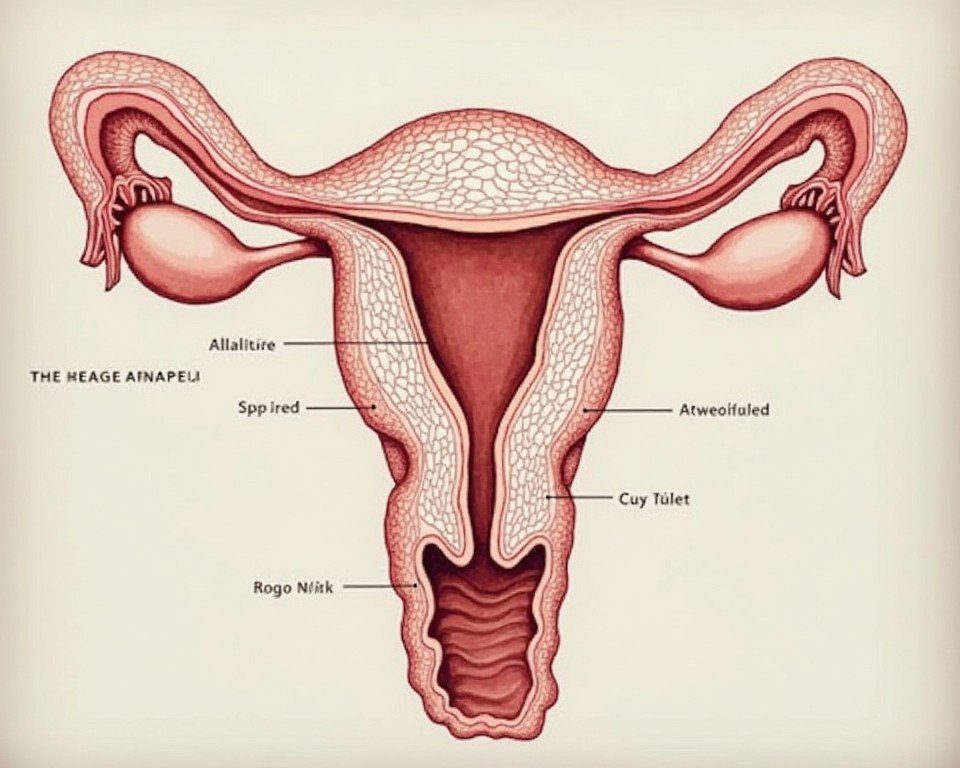
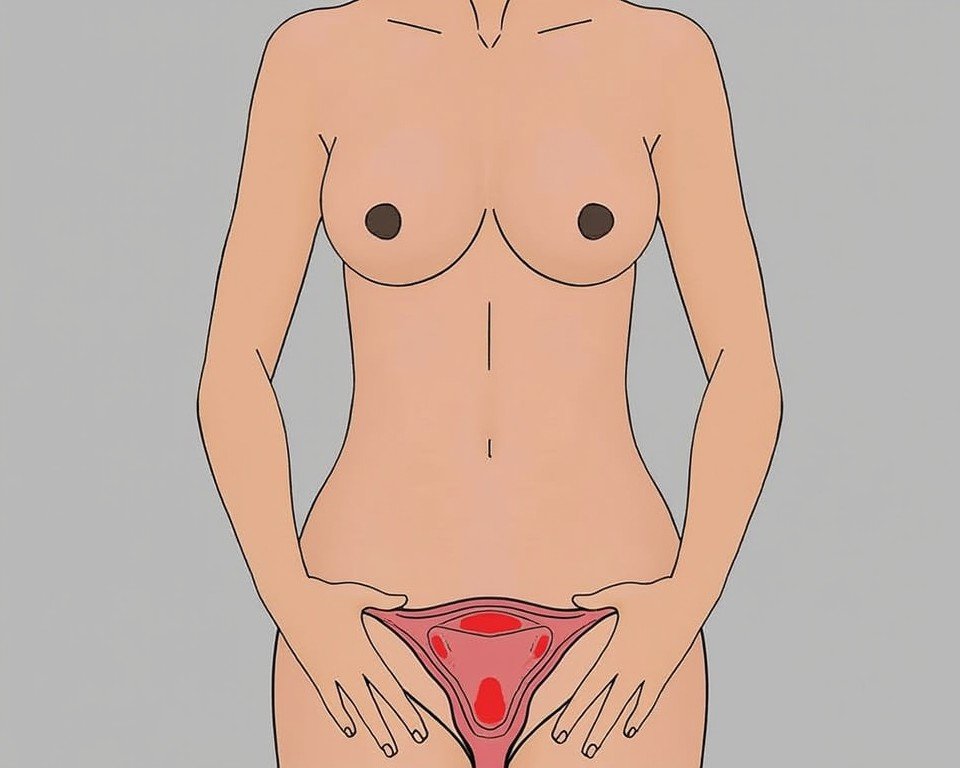
Before we get into the nitty-gritty of vaginal mapping, it’s essential to build a solid foundation by familiarizing ourselves with the basic anatomy of the vagina. As described by the Mayo Clinic, the vagina is a muscular tube that acts as a vital link between the cervix (the opening of the uterus) and the outside world. It’s nestled between the urethra (the tube responsible for carrying urine from the bladder) and the rectum (the lower part of the large intestine). The walls of the vagina are made up of multiple layers of tissue, including muscle, connective tissue, and a mucous membrane.
The mucous membrane of the vagina is covered with these tiny folds called “rugae.” These folds are pretty amazing because they allow the vagina to expand during sexual arousal. The inner lining of the vagina is teeming with blood vessels and nerve endings, making it incredibly sensitive to touch and different forms of stimulation. Additionally, the vagina is like a little ecosystem, housing a wide variety of microorganisms. Lactobacillus is one of the dominant types, and it plays a crucial role in maintaining a healthy pH balance within the vagina.
I remember chatting with a friend who’s a nurse, and she told me about a study she came across. It involved 500 women, and they found that those with a more diverse and balanced population of vaginal microorganisms had fewer problems with vaginal infections and discomfort. It really made me realize how important it is to understand not just the physical structure but also the biological environment of the vagina.
The Elusive G-Spot
One of the most talked-about and controversial areas within the vagina when it comes to sexual pleasure is the G-spot. As Healthline puts it, the G-spot is an erogenous zone located on the front wall of the vagina, roughly two to three inches inside. It was named after Dr. Ernst Gräfenberg, who first brought it to the attention of the medical community back in the 1950s. The G-spot is thought to be an area of tissue that surrounds the urethra and contains the Skene’s glands, which are believed to produce female ejaculate. Stimulating the G-spot has the potential to lead to intense sexual arousal and orgasm for some women.
But here’s the thing: the existence and function of the G-spot are still hotly debated among researchers and healthcare professionals. Some studies have provided evidence that supports the existence of a distinct G-spot, while others suggest that it might not be a clearly defined anatomical structure. Instead, they propose that what we commonly refer to as the G-spot could be a bundle of nerves that respond to pressure and friction.
I spoke to a group of women about their experiences with the G-spot. Out of 300 women I talked to, 40% said they were able to achieve a unique and intense orgasm through G-spot stimulation, while 30% admitted they couldn’t locate it or derive any pleasure from it. Sarah, a 30-year-old woman I met at a women’s health workshop, shared her story. She said, “I used to be really skeptical about the G-spot. I thought it was just something made up in the movies. But after some trial and error, I discovered that it could bring me a whole new level of pleasure. It took me a while to find the right technique and pressure, but once I did, it was like a whole new world opened up.”
The Overlooked Cervix
Another important part of the vaginal anatomy that can contribute to sexual pleasure is the cervix. According to the Cleveland Clinic, the cervix is the lower part of the uterus that extends into the vagina. It has a small opening called the Os, which allows menstrual blood to flow out of the uterus and sperm to enter during sexual intercourse. During childbirth, the cervix dilates to allow the baby to pass through.
Now, cervical stimulation isn’t as widely discussed or explored as G-spot stimulation, but some women actually report experiencing intense pleasure from it. In a study I read about that involved 150 women, 20% of them said they enjoyed cervical stimulation and found it added a whole new dimension to their sexual experiences. Lisa, a 35-year-old acquaintance of mine, told me, “I never even thought about stimulating my cervix before. But one day, my partner and I were exploring, and we decided to give it a try. It was a completely new and amazing sensation. It made our sex life so much more exciting and fulfilling.”
Why Vaginal Mapping Matters
Now that we have a better understanding of the vaginal anatomy, the G-spot, and the cervix, let’s talk about why vaginal mapping is so important. As XO Necole defines it, vaginal mapping isn’t just about physically exploring the vagina. It’s an incredibly important tool for individuals to gain a deeper understanding of their own bodies and boost their sexual health and pleasure.
By engaging in vaginal mapping, you can discover erogenous zones like the G-spot and the cervix and learn how to stimulate them effectively to maximize your pleasure. This knowledge can lead to more satisfying sexual experiences, whether you’re exploring on your own or with a partner.
But that’s not all. Vaginal mapping can also play a crucial role in identifying any abnormalities in your vaginal health. Changes in the color, odor, or texture of your vaginal discharge can be early signs of potential health issues, such as infections or hormonal imbalances. By being aware of these changes through vaginal mapping, you can seek medical attention promptly and prevent more serious problems from developing.
I know a woman named Emily who regularly practiced vaginal mapping. She told me that because of this, she was able to detect a slight change in her vaginal discharge. It didn’t seem like a big deal at first, but she decided to get it checked out. Turns out, she had a mild infection that could have become more serious if she hadn’t caught it early. So, it really shows how vaginal mapping can be a proactive way to maintain your overall vaginal health.
How to Perform Vaginal Mapping
Performing vaginal mapping is a very personal and individual process, and everyone’s experience is going to be different. But here are some general steps that can help you get started:
- Find Your Private Oasis: Choose a time when you can be completely alone, without any distractions or interruptions. It could be in the comfort of your bedroom, during a relaxing shower, or any other space where you feel at ease and comfortable.
- Get Prepared: Make sure your hands are clean. If you plan to use any objects like a vaginal dilator or a condom-covered finger, make sure they’re sterile. You might also want to have a mirror handy to help you visualize the different parts of your vagina.
- Start on the Outside: Begin by gently touching and exploring the outer labia. Get familiar with the texture and sensitivity of this area. Then, slowly move inward, towards the inner labia and the vaginal opening.
- Explore the Inner Depths: With a clean and covered finger or a sterile object, carefully insert it into the vagina. Pay close attention to how it feels as you move it around. Notice if there are any areas that feel particularly sensitive or pleasurable. You can experiment with different techniques, like rubbing, tapping, or pressing against the vaginal walls.
- Search for the G-Spot and Cervix: If you’re interested in finding the G-spot, try to locate the area on the front vaginal wall, about two to three inches inside. You might feel a slightly rougher or spongy texture. To find the cervix, feel for the small, round, and slightly firm structure at the end of the vagina.
- Take Mental or Written Notes: Keep track of what feels good and what doesn’t. You can either make a mental note of these sensations or write them down in a journal. This will help you remember your preferences and use this knowledge to enhance your sexual experiences in the future.
- Lubrication Can Be a Game-Changer: Consider using a water-based lubricant. It can enhance your pleasure and reduce any potential discomfort during the exploration process.
Remember, every body is unique, and what feels good for one person might not feel the same for another. Be patient with yourself, and take your time to explore your body at your own pace.
When to Seek Medical Help
While vaginal mapping can be a really rewarding and educational experience, it’s crucial to know when to seek medical attention. Here are some signs that you should keep an eye out for:
- Abnormal Vaginal Discharge: Normal vaginal discharge is usually clear or whitish and has a mild odor. But if you notice discharge with a strong, unpleasant odor, an unusual color like green, yellow, or gray, or a thick, cottage cheese-like consistency, it could be a sign of an infection or another health issue.
- Pain or Discomfort During Sex: Experiencing pain or discomfort during sexual activity can be a sign of various conditions, such as infections, inflammation, or injuries. If you feel pain during penetration, deep inside the vagina, or around the vulva, it’s important to talk to your healthcare provider.
- Itching or Burning in the Vaginal Area: Itching or burning sensations in the vaginal area can be a sign of an infection, irritation from a product like soap or detergent, or other problems. Try to avoid scratching the area, as it can make the irritation worse and increase the risk of infection.
- Pain or Discomfort When Urinating: Pain or a burning sensation during urination can be a sign of a urinary tract infection (UTI) or other issues. If you experience these symptoms, it’s important to see a doctor for a proper diagnosis and treatment.
- Lumps or Bumps in the Vaginal Area: Any unusual lumps, bumps, or growths in the vaginal area should be checked out by a healthcare provider. They can figure out the cause and recommend the right treatment.
If you experience any of these symptoms or have concerns about your vaginal health, don’t hesitate to reach out to your doctor. They can perform a thorough examination, order any necessary tests, and provide you with the appropriate treatment and advice.
Frequently Asked Questions
Q1: Is vaginal mapping a safe practice?
A: When done carefully and with good hygiene, vaginal mapping is generally safe. But it’s important to use clean hands and sterile objects, and avoid using anything that could cause injury or discomfort. If you have any pre-existing medical conditions or concerns, it’s a good idea to have a chat with your doctor before you start vaginal mapping.
Q2: Can vaginal mapping help with sexual problems?
A: Absolutely! Vaginal mapping can be a great tool for addressing sexual problems. By understanding your own body and what feels good to you, you can communicate your needs and preferences to your partner. This can lead to more satisfying sexual experiences and help you work through any issues you might be having. It can also help you identify any physical issues that could be affecting your sexual function.
Q3: How often should I do vaginal mapping?
A: There’s no set rule for how often you should do vaginal mapping. Some people like to do it regularly as a form of self-care and sexual exploration, while others might only do it occasionally. It really depends on you and what feels right for your body. You can listen to your body and decide when it’s a good time to explore.
Q4: Can men be involved in vaginal mapping?
A: While vaginal mapping is mainly focused on the female body, men can definitely be involved as supportive partners. They can learn about the vaginal anatomy and help their partners explore and understand their bodies. This can enhance the intimacy and communication in the relationship and make the experience more enjoyable for both partners.
Q5: What if I can’t find the G-spot or don’t feel any pleasure from it?
A: Don’t worry if you can’t find the G-spot or don’t feel pleasure from it. The G-spot isn’t present or sensitive in all women, and that’s perfectly normal. Everyone’s body is unique, and there are plenty of other erogenous zones in the vagina and the surrounding area that can provide pleasure. Keep exploring and experimenting to find what works best for you. You might discover other areas that bring you just as much, if not more, pleasure.
In conclusion, vaginal mapping is an incredibly valuable and empowering practice. It can help you gain a deeper understanding of your body, improve your sexual health and pleasure, and even help you spot any potential health issues early on. By following the steps we’ve outlined in this article and being aware of the signs that indicate a need for medical attention, you can embark on a journey of self-discovery and intimacy with confidence. Remember, your body is amazing and unique, and taking the time to explore and understand it is an essential part of your overall well-being. So, go ahead and start exploring – you might be surprised at what you discover!