For many individuals, the days leading up to their menstrual cycle can bring about a range of physical and emotional changes. One of the most common and often bothersome symptoms is breast pain. This discomfort can present itself in various ways, such as swelling, tenderness, or a dull ache. It’s a normal occurrence for many, but when it becomes severe or starts to interfere with daily life, it’s natural to wonder what’s going on and what can be done to alleviate it. In this comprehensive guide, we’ll delve into the causes, symptoms, preventive measures, treatments, and when to seek medical help for breast pain before a period.
What Causes Sore Breasts Before a Period?
The primary culprit behind premenstrual breast pain, also known as cyclical mastalgia, is the hormonal fluctuations that occur during the menstrual cycle. As the body prepares for a potential pregnancy, the levels of estrogen and progesterone change.
Once estrogen levels start to rise, the breast ducts enlarge, causing the milk glands to swell. This swelling is often accompanied by a feeling of fullness in the breasts. At the same time, progesterone levels peak, contributing to the tenderness and swelling. These hormonal changes typically take place within the two weeks leading up to menstruation.
However, it’s not just hormones that can play a role. Other factors include increased fluid retention, which can make the breasts feel heavier and more swollen. An increase in prolactin levels, a hormone involved in milk production, can also contribute to the discomfort. Additionally, fibrocystic breast changes, which are characterized by the development of fluid-filled cysts in the breasts, may exacerbate premenstrual breast pain.
For example, consider Sarah, a 32-year-old woman. She noticed that her breasts became extremely tender and swollen in the week before her period. After tracking her symptoms and consulting with her doctor, it was determined that her hormonal fluctuations, combined with her tendency to retain fluid, were causing her premenstrual breast pain.
| Factor | Contribution to Breast Pain |
|---|---|
| Hormonal Changes (Estrogen and Progesterone) | Duct enlargement, gland swelling, tenderness |
| Increased Fluid Retention | Heaviness and swelling |
| Increased Prolactin Levels | Added discomfort |
| Fibrocystic Breast Changes | Exacerbation of pain |
What Are the Symptoms of Premenstrual Breast Pain?
Premenstrual breast pain can manifest in several ways:
- Breast Tenderness and Heaviness: Many people experience an aching sensation in both breasts, along with a feeling of heaviness that is more pronounced than usual. This can make it uncomfortable to wear certain types of clothing or even move around.
- Swelling and Feeling Lumpy: The breasts may appear swollen, and some individuals may notice a bumpy texture, especially in the outer areas. These lumps are often harmless and can be a result of the hormonal changes.
- Pain: The pain can range from mild to severe. In most cases, it intensifies as the period approaches and starts to subside once menstruation begins.
- Localized Discomfort: Some people may experience a sharp or burning pain, which can sometimes radiate to the underarms. This can be particularly bothersome and may affect daily activities.
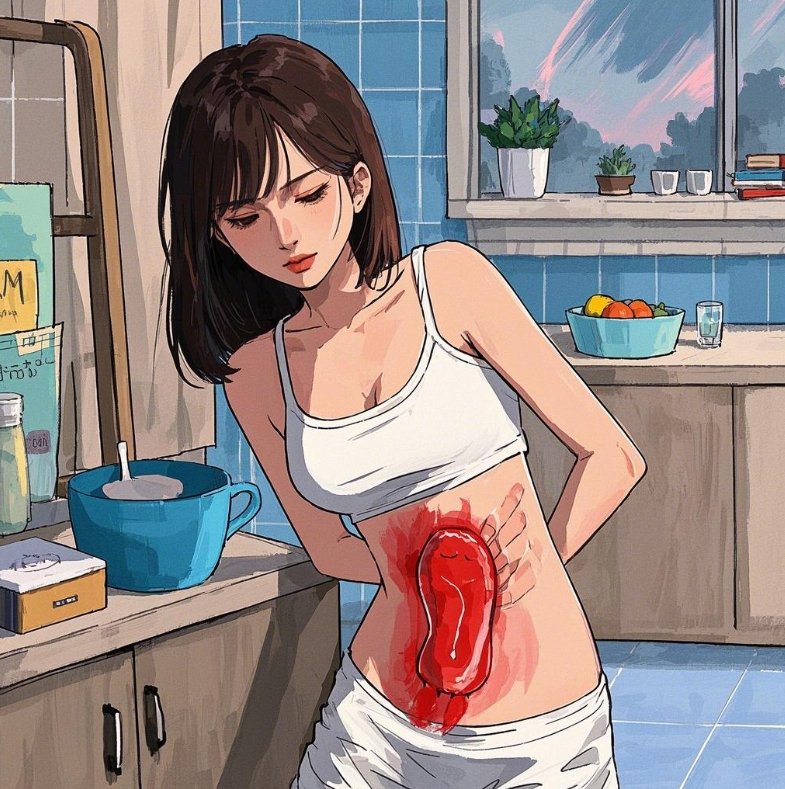
Take Lisa, for instance. She would feel a sharp pain in her left breast that would sometimes extend to her underarm. The pain would be more severe in the days leading up to her period and would gradually ease once she started menstruating.
Tips to Prevent or Ease Breast Pain Before Period
There are several things you can do to soothe breast pain before your period:
- Limit Caffeine and Alcohol: As your period approaches, try to cut back on caffeinated and alcoholic beverages. Caffeine can cause the breast tissue to become more sensitive, while alcohol can disrupt hormonal balance. For example, if you usually have several cups of coffee a day, consider reducing it to one or two.
- Adopt a Healthy Diet: Cut down on fatty foods and focus on a low-fat, high-fiber diet. Incorporate whole grains, fruits, and vegetables into your meals. A diet rich in fiber can help regulate hormones and reduce breast pain.
- Take Supplements: Vitamin E and magnesium supplements can be beneficial. Vitamin E has antioxidant properties that can help reduce inflammation, while magnesium can help relax the muscles and relieve tension in the breasts.
- Wear a Supportive Bra: Invest in a well-fitted, supportive bra. This can provide comfort and reduce the pain, especially during physical activities. Make sure the bra is not too tight or too loose.
- Exercise Regularly: Engage in moderate physical exercise, such as walking, yoga, or swimming. Exercise can help manage premenstrual symptoms by reducing stress and promoting the release of endorphins, which are natural painkillers.
- Apply Compresses: When resting at home, apply a warm or cold compress to your breasts. A warm compress can help relax the muscles and increase blood flow, while a cold compress can reduce swelling and numb the pain.
- Practice Relaxation Techniques: Stress can exacerbate premenstrual symptoms. Try relaxation techniques like yoga, meditation, or deep breathing exercises. These can help reduce stress and manage your symptoms.
- Keep a Journal: Writing in a journal can help you track your symptoms, any changes in your body, and the remedies that work for you. This can be useful when consulting with your doctor.
The Best Treatments for Period-Related Breast Pain
There are various treatments available to manage period-related breast pain:
- Non-Steroidal Anti-Inflammatory Drugs (NSAIDs): Over-the-counter NSAIDs, such as acetaminophen or ibuprofen, can be effective in reducing pain and swelling. They work by blocking the production of certain chemicals in the body that cause inflammation. If the pain becomes intolerable, you can take these medications as needed, but be sure to follow the recommended dosage.
- Hormonal Treatments: Prescribed by a healthcare provider, hormonal treatments can include birth control pills, progestin injections, or hormone blockers. These medications help regulate the hormonal fluctuations that occur before a period, reducing the severity of symptoms. For example, birth control pills can help balance estrogen and progesterone levels, leading to less painful and swollen breasts.
- Danazol: This is a synthetic androgen that is sometimes prescribed for severe cases of premenstrual breast pain. However, it is used with caution due to potential side effects, such as weight gain, acne, and changes in mood.
- Diuretics: Also known as water pills, diuretics can help reduce breast swelling and tenderness by increasing urine output and removing excess fluid from the body. But they should be used with care, as they can cause electrolyte imbalance and dehydration. It’s important to consult a medical professional before using diuretics.
Steps to Give Yourself a Self-Massage to Ease Breast Pain
Self-massage can be a great way to relieve breast pain and discomfort. Here’s how you can do it:
- Prepare the Environment: Find a quiet and comfortable place to relax. Get some warm massage oil, such as sesame or sunflower oil.
- Start the Massage: Massage one breast at a time, using a circular motion. Begin at the nipple and move outward. Apply light pressure to avoid causing further pain.
- Massage the Armpit and Outer Edge: Use an upward motion to massage the armpit area and the outer edge of the breast. This helps support lymphatic drainage, which can reduce swelling.
- Relax the Neck and Collarbone: Don’t forget to massage your collarbone and neck on both sides. This can help relieve tension in the upper body.
- Finish the Session: End the massage with gentle, slow clockwise circles at the center of your breastbone. Afterward, relax and take a warm shower.
When Is the Best Time to See a Doctor or Specialist?
While premenstrual breast pain is usually not a cause for serious concern, there are certain situations where you should seek medical advice:
- Persistent Pain: If the pain lasts for more than two weeks and starts to interfere with your daily life, it’s time to see a doctor. This could indicate an underlying issue that needs to be addressed.
- Localized or Worsening Pain: If you experience a throbbing pain in one area that gets worse over time, it could be a sign of an infection, cyst, or in rare cases, a tumor. Don’t ignore this type of pain.
- Presence of a Lump: If you feel a lump in your breast during a self-massage, observe it. Most lumps are benign, but if it doesn’t go away after your period, feels hard, or is immobile, get it checked immediately.
- Nipple Discharge: Check your breasts for nipple discharge, especially if it’s clear or bloody. If it comes out without squeezing, contact your healthcare provider. Nipple discharge can be a sign of an infection, hormonal imbalance, or breast cancer.
- Change in Breast Appearance: If you notice any changes in the appearance of your breasts, such as dimpling of the skin, redness, swelling, thickened skin, changes in size, or changes in shape, seek medical attention right away.
- Signs of Infection: Experiencing a fever along with breast pain can indicate an infection, especially if you’re breastfeeding. Conditions like mastitis may require antibiotics or pus drainage.
- Family History and Risk Factors: If you have a family history of breast cancer or are over 40 years old, it’s important to have regular check-ups for early detection.
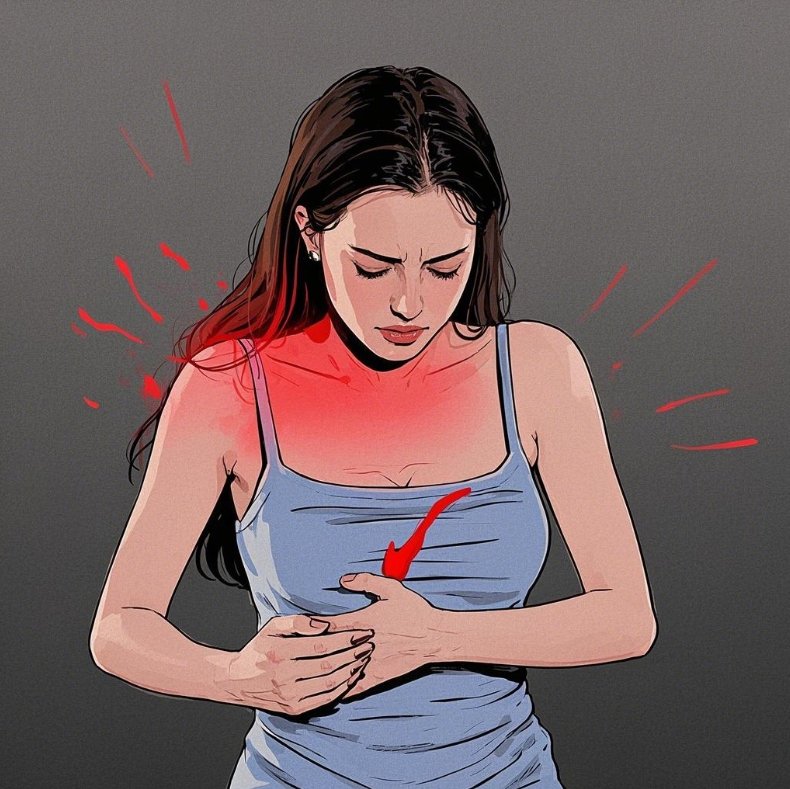
Final Thoughts – Period-Related Breast Pain is Manageable and Treatable
Premenstrual breast pain is a common experience for many, but it doesn’t have to disrupt your life. By understanding the causes and symptoms, taking preventive measures, and knowing when to seek medical help, you can manage this discomfort effectively. Whether it’s through lifestyle changes, self-care techniques, or medical treatments, there are options available to help you feel more comfortable during this time. Remember to listen to your body, monitor any changes, and make regular check-ups a part of your healthcare routine to maintain your overall health and well-being.
FAQs
Is It Normal to Experience Breast Pain Before My Period?
Yes, it is normal for most people to experience breast pain before their period. Hormonal changes during the menstrual cycle often cause this discomfort. However, it’s important to monitor the severity and duration of the pain. If it becomes severe or lasts for an extended period, it’s advisable to consult a doctor.
Can You Feel Any Physical Pain From Breast Cancer?
While pain is not a common initial symptom of breast cancer for most patients, it is possible to feel pain in the breast or surrounding area. Breast cancer may present with other symptoms such as a lump, changes in breast appearance, or nipple discharge. If you have any concerns, it’s best to get a medical evaluation.
Are There Any Risks When Doing Self-Massages for Breasts?
Self-massages for the breasts are generally considered safe and can be beneficial for many people. However, it’s important to do them correctly. Applying too much pressure can cause further pain or discomfort. If you have any existing breast conditions or concerns, it’s a good idea to consult your doctor before starting a self-massage routine.
How Long Does Premenstrual Breast Pain Usually Last?
Premenstrual breast pain typically starts a few days to a couple of weeks before the period and usually subsides once menstruation begins. In most cases, it lasts for a few days to a week, but this can vary from person to person.
Do Hormonal Treatments for Breast Pain Have Side Effects?
Yes, hormonal treatments such as birth control pills, progestin injections, or hormone blockers can have side effects. These may include changes in mood, weight gain, nausea, and changes in menstrual bleeding patterns. It’s important to discuss the potential risks and benefits with your healthcare provider before starting any hormonal treatment.